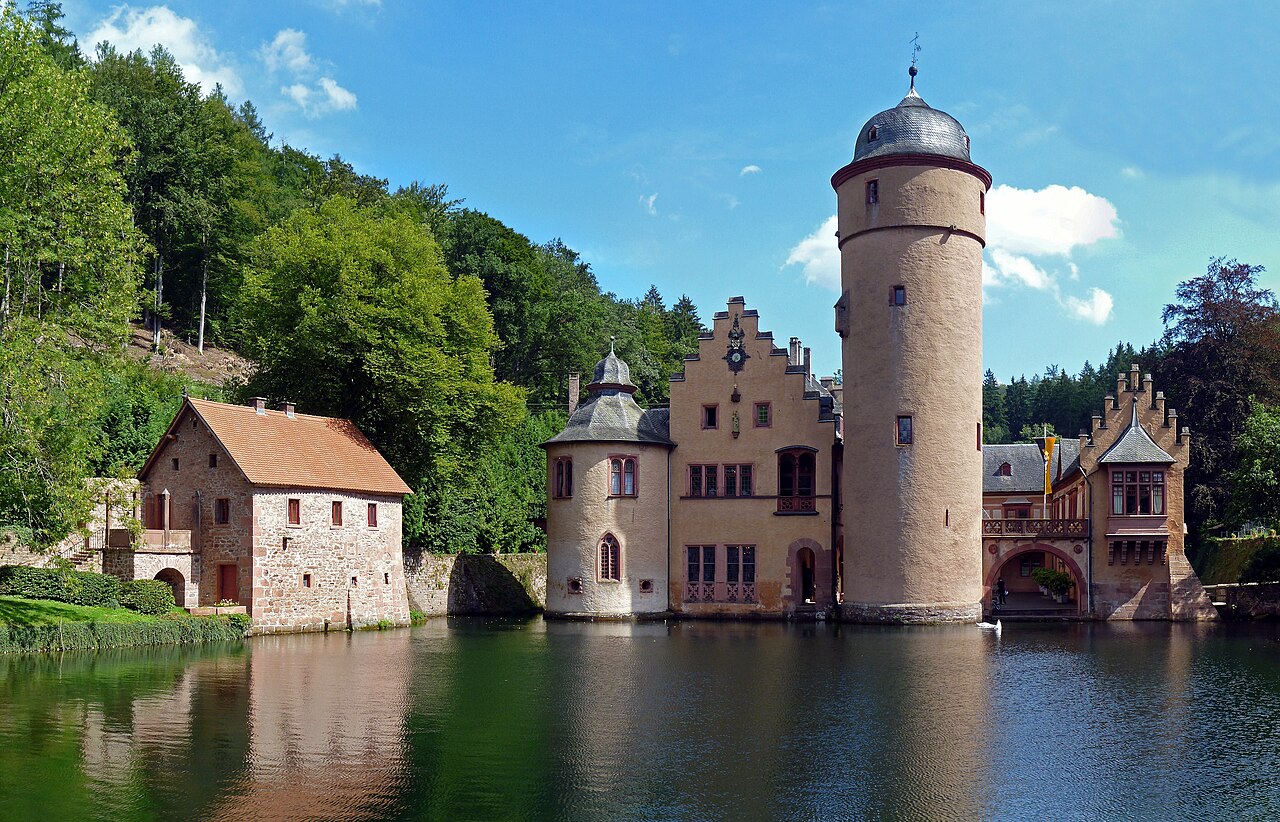
Wildenstein Castle
Wildenstein Castle, also known locally as Burg Wildenstein, is a historically significant hilltop castle located northeast of Eschau in the Bavaria region of Germany. This fortified medieval castle was originally constructed in the early 13th century, around 1230 to 1250, by the Counts of Rieneck as a strategic stronghold to protect their territories from the neighboring Electorate of Mainz. The castle's position on a hill provided a commanding view of the surrounding landscape, an essential feature for defense during the High Medieval period.
Early history and strategic importance
The first documented mention of Wildenstein Castle dates back to 1260, during a period of conflict between the Counts of Rieneck and the Electorate of Mainz. The castle was seized by the archdiocese amid a feud, leading to a temporary peace agreement. This treaty compelled the counts to acknowledge the Mainz rights and forbade them from constructing further fortifications in the Spessart area. Despite these restrictions, the counts attempted to build a new castle at nearby Eschau, which resulted in protests from the archbishop and the destruction of the new fortification.
Following this, the archbishop initiated the construction of his own castle near Eschau, escalating tensions. The counts responded by restoring Wildenstein Castle. A subsequent peace treaty in 1266 forced the counts to mortgage the castle to the archdiocese, after which it remained a fief under the Counts of Rieneck, managed by appointed bailiffs.
Architectural features and layout
Although much of Wildenstein Castle now lies in ruins, historical records and archaeological excavations indicate that it was a typical hill castle of the High Medieval period, featuring defensive walls, a gatehouse, and residential quarters. The castle's design prioritized defense, with thick stone walls and elevated battlements to repel attackers. The location above the Danube break-through at the Swabian Alb added to its strategic value, controlling access through this natural passage.
The castle's architecture reflects the military and residential needs of the 13th century, combining robust fortifications with living spaces for the noble family and their retainers. The presence of a moat or other water defenses is not clearly documented, but the elevated position provided natural protection.
Decline and ruin
By the early 16th century, the von Rieneck family had died out, and ownership of the castle passed to the Electorate of the Palatinate, who subsequently granted it to the Count of Erbach. The new owner showed little interest in maintaining the castle, leading to its gradual decline. By 1689, the castle was in a dilapidated state, with the last recorded bailiff dying within its crumbling walls. Thereafter, Wildenstein Castle fell into ruin and was largely abandoned.
Despite its ruinous condition, the castle remained a landmark and was reportedly used by shepherds into the 19th century. Archaeological interest and partial restoration efforts have taken place in recent decades to preserve what remains of this historic site.
Wildenstein castle in modern times
In March 1945, during the final stages of World War II, the ruins of Wildenstein Castle found themselves on the front line between Allied and German forces. Approximately 100 local civilians sought refuge in the castle's cellars during Allied shelling, including some German soldiers who were unnoticed by advancing American troops. This event highlights the castle's continued significance as a place of shelter even in its ruined state.
Today, Wildenstein Castle is freely accessible to visitors, although ongoing archaeological excavations and restoration work may occasionally restrict access. The site offers a quiet and evocative glimpse into medieval fortification architecture and the turbulent history of the region.
Cultural significance and visitor information
Wildenstein Castle stands as an important cultural heritage site within Bavaria, representing the medieval power struggles between regional nobility and ecclesiastical authorities. Its ruins provide valuable insights into High Medieval defensive architecture and the feudal history of southern Germany.
Visitors to the castle can explore the remains of the fortifications and enjoy panoramic views of the surrounding countryside. The site is especially appealing to those interested in medieval history, archaeology, and castle architecture. The castle's location near Eschau makes it accessible for day trips and educational visits.
Frequently asked questions (FAQ)
- How do I get to Wildenstein Castle?
- Wildenstein Castle is located northeast of Eschau, Germany, and can be accessed by car or public transport. The nearest major city is Aschaffenburg, from where you can take a bus or taxi to reach the castle. Parking is available nearby for visitors arriving by car.
- What is the historical significance of Wildenstein Castle?
- Wildenstein Castle has a rich history dating back to the 12th century, serving as a strategic fortification in the region. It played a crucial role during various conflicts and has been a symbol of local heritage. Today, it stands as a reminder of medieval architecture and the region's historical narrative.
- When was Wildenstein Castle built?
- Wildenstein Castle was originally constructed in the 12th century, with various modifications made in the following centuries. The castle underwent significant changes during the Renaissance, which contributed to its unique architectural style. Its long history reflects the evolution of fortifications and residential designs in the area.
- Can I enter Wildenstein Castle?
- Yes, visitors are welcome to explore Wildenstein Castle during the opening hours. Guided tours are often available, providing insights into the castle's history and architecture. Be sure to check ahead for tour availability and any special events.
- Why is Wildenstein Castle a popular tourist destination?
- Wildenstein Castle attracts visitors due to its stunning architecture, breathtaking views of the surrounding landscape, and rich historical background. The castle's picturesque setting makes it a perfect spot for photography and leisurely walks. Additionally, it often hosts cultural events and exhibitions that enrich the visitor experience.
- Is it possible to visit Wildenstein Castle year-round?
- Yes, Wildenstein Castle is open to visitors year-round, but opening hours may vary by season. It is advisable to check the castle's official website or contact local tourism offices for the most current information on visiting times. Each season offers a unique perspective on the castle and its surroundings.
- What are the ticket prices for Wildenstein Castle?
- Ticket prices for Wildenstein Castle are generally affordable, with discounts available for students and seniors. Children under a certain age may enter for free, making it a family-friendly destination. Always check the official website for the latest pricing information and any special offers.
- What is the best time to visit Wildenstein Castle?
- The best time to visit Wildenstein Castle is during the spring and fall when the weather is mild, and the surrounding landscapes are particularly beautiful. Summer can be busy with tourists, while winter may limit access due to weather conditions. Planning your visit during weekdays can also help avoid crowds.
- Are there nearby attractions to explore after visiting Wildenstein Castle?
- Yes, visitors to Wildenstein Castle can explore several nearby attractions, such as the charming village of Eschau and the scenic hiking trails in the Odenwald region. Additionally, the city of Aschaffenburg, with its museums and parks, is just a short drive away. These nearby sites offer a rich blend of culture and nature for a full day of exploration.
Information
Website
Visit websiteSources & official resources
Verify the information above using these authoritative references.
Loading map...
Visitor reviews
No reviews yet. Been here? Write the first review and help other travelers!
Write the first reviewVisited this castle? Share your experience
Your review helps other travelers and adds first-hand knowledge to our encyclopedia.