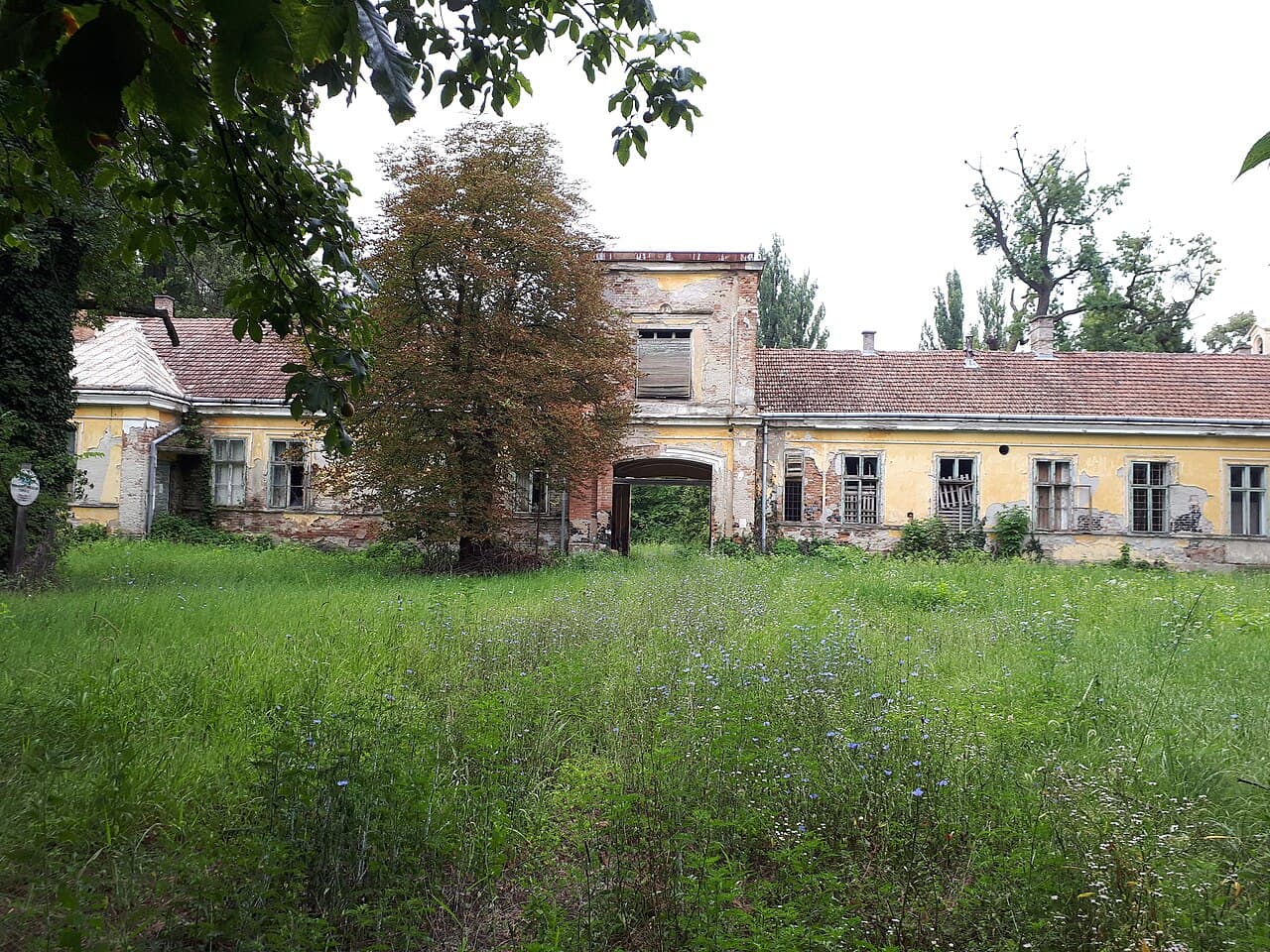
Wenckheim Mansion (Békéscsaba) — Hungary castle

Wenckheim Mansion (Békéscsaba)

Wenckheim mansion in békéscsaba, hungary
Békéscsaba, Hungary
Post-Renaissance (17th–18th c.)
Well Preserved

The Wenckheim Mansion in Békéscsaba, Hungary is a notable example of 19th-century Hungarian aristocratic architecture. Unlike traditional medieval castles, this mansion was built as a grand residence for the Wenckheim family, prominent Hungarian nobility. It reflects the architectural and cultural trends of its era rather than military fortification.

Historical background and significance

The Wenckheim family was influential in Hungarian politics and society during the 19th century. The mansion in Békéscsaba served as their country residence, symbolizing their wealth and status in the region. Constructed in the 1800s, the mansion witnessed significant historical events and societal changes in Hungary, including the Austro-Hungarian Empire period and the transformations of the 20th century.

Architectural features and style

The mansion showcases 19th-century architectural styles, blending elements of Neoclassical and Romantic influences common in aristocratic residences of the time. It is characterized by a symmetrical façade, large windows, and decorative details such as pilasters and cornices. The building’s layout includes spacious halls and living quarters designed for comfort and social functions rather than defense.

Exterior elements

The exterior features a well-maintained garden and park area surrounding the mansion, typical of noble estates. The façade’s elegant proportions and ornamental details emphasize the mansion’s residential purpose. Unlike medieval castles, it lacks defensive structures such as battlements, moats, or towers.

Interior design

The interior of the Wenckheim Mansion includes richly decorated rooms with period furnishings, ornate ceilings, and detailed woodwork. Reception halls and private chambers reflect the lifestyle of the Hungarian aristocracy during the 19th century, focusing on luxury and social gatherings.

Current status and cultural importance

Today, the Wenckheim Mansion is recognized as a cultural heritage site in Békéscsaba. It may serve various public functions, including museum exhibitions, cultural events, or administrative uses, preserving the legacy of the Wenckheim family and the historical context of the region. Its preservation contributes to understanding Hungary’s aristocratic history and architectural evolution in the 19th century.

Visiting information

Visitors to the Wenckheim Mansion can explore its architectural beauty and historical significance. The mansion’s location in Békéscsaba makes it accessible for tourists interested in Hungarian history and noble estates. It is advisable to check local resources for current visiting hours and any guided tours available.

Frequently asked questions (FAQ)

What is the historical significance of Wenckheim Mansion?
Wenckheim Mansion, built in the late 19th century, is a prime example of neo-Renaissance architecture and reflects the opulence of the Hungarian aristocracy. It serves as a cultural symbol in Békéscsaba, showcasing the city's rich history and architectural heritage.
When was Wenckheim Mansion constructed?
The construction of Wenckheim Mansion began in 1895 and was completed in 1899. It was designed for the wealthy Wenckheim family, making it an important landmark for understanding the social history of the region during that era.
What are the opening hours for visiting Wenckheim Mansion?
Wenckheim Mansion is typically open to visitors from Tuesday to Sunday, with hours varying seasonally. It is advisable to check the official website or contact the visitor center for the most current information before planning your visit.
Can I take guided tours of Wenckheim Mansion?
Yes, guided tours are available for visitors to explore the mansion's stunning interiors and learn about its history. These tours provide insightful commentary and often include access to areas not open to the general public.
Is it possible to visit Wenckheim Mansion year-round?
Yes, Wenckheim Mansion is open for visits throughout the year, although certain areas may be restricted during winter months. Always check ahead for any seasonal events or maintenance that may affect access.
What are the ticket prices for visiting Wenckheim Mansion?
Tickets for Wenckheim Mansion are reasonably priced, with discounts available for students and seniors. Group rates may also be offered, so it's a good idea to inquire about special pricing when planning your visit.
When is the best time to visit Wenckheim Mansion?
The best time to visit Wenckheim Mansion is during the spring and early autumn when the weather is mild and pleasant. Additionally, visiting during these seasons allows you to enjoy the surrounding gardens in full bloom.
Are there any nearby attractions to visit while in Békéscsaba?
Yes, there are several nearby attractions, including the Békéscsaba Great Church and the local museums that showcase the region's culture. Combining your visit to Wenckheim Mansion with these sites offers a comprehensive experience of Békéscsaba’s heritage.
How do I get to Wenckheim Mansion from the city center?
Wenckheim Mansion is conveniently located just a short distance from Békéscsaba's city center. Visitors can easily reach the mansion by walking, cycling, or using local public transportation options available in the area.

Photo gallery

Wenckheim Mansion (Békéscsaba)
Click to view

Photo by Tothh417•CC BY-SA 4.0

1 photo • Click any image to view in full screen

Information

Lowland Castle

Loading map...

Visitor reviews

No reviews yet. Been here? Write the first review and help other travelers!

Write the first review

Visited this castle? Share your experience

Your review helps other travelers and adds first-hand knowledge to our encyclopedia.

Write a review

(5/5)

0/2000 characters

Your review will be visible after admin approval

Nearby castles

1.5 km

Széchenyi-Wenckheim Castle Ruins

Békéscsaba, Hungary

Hidden away in the plains of Hungary near Békéscsaba, the Széchenyi-Wenckheim castle ruins stand as a poignant reminder of early 20th-century Hungarian aristocratic life and the turbulent history that followed. This once elegant mansion, built in the early 1900s, was commissioned for the newlywed couple Count Antal Széchényi and Krisztina Wenckheim. Though its architectural grandeur was modest compared to medieval castles, the mansion reflected the refined tastes and social status of its owners during the waning days of the Austro-Hungarian Empire and the interwar period. Located off a seemingly unremarkable roundabout and nestled within a typical Hungarian country park, the ruins are easy to overlook yet rich in historical significance. The mansion's design embraced the early 20th-century styles prevalent among Hungarian nobility, characterized by a harmonious blend of classical and modern elements. The building’s layout included spacious halls, ornate chambers, and expansive grounds, which once hosted lavish social gatherings and family events. Construction and architectural features The Széchenyi-Wenckheim mansion was constructed with attention to detail and quality materials common in aristocratic residences of the period. While specific architectural plans and the architect's name remain undocumented, the mansion's style reflected a transition from historicism to early modern influences. The structure likely featured symmetrical facades, large windows to invite natural light, and decorative elements that balanced elegance with functionality. The mansion was not a fortress but a stately home designed for comfort and representation rather than defense. Its setting in the Hungarian plains afforded it a serene landscape, with gardens and parkland complementing the building. The surrounding grounds would have included carriage paths, ornamental trees, and perhaps small water features, typical of noble estates of the era. Historical context and decline The mansion’s history is closely tied to the fortunes of the Széchényi and Wenckheim families, prominent Hungarian noble houses. Unfortunately, the building saw limited use following the death of Count Antal Széchényi, as the family emigrated during the upheavals of the Second World War. This period marked a turning point for many aristocratic estates in Hungary, as political and social changes led to the decline of noble influence and the confiscation or abandonment of properties. During the war and its aftermath, the mansion suffered significant damage. Local residents looted valuables and set fire to parts of the building, reflecting the chaotic conditions of the time. In 1945, deliberate demolition further reduced the mansion to ruins. Despite this, the site retained traces of its former grandeur, with fragments of walls and foundations still visible amid the overgrowth. Post-war usage and current state There are reports that the mansion was used by Allied forces during or shortly after World War II, with anecdotal evidence of a nearby bomb crater accessible via a walking path in the adjacent woods. In the 1980s, the ruins found a new, if temporary, purpose as a site for civil defense exercises, demonstrating the adaptive reuse of abandoned properties in the socialist era. Today, the Széchenyi-Wenckheim castle ruins remain largely untouched, reclaimed by nature and serving as a quiet historical landmark. The site offers visitors a glimpse into Hungary's aristocratic past and the impact of 20th-century conflicts on noble estates. Its location within a public park makes it accessible for exploration, although the ruins are fragile and require respectful visitation. Cultural significance and heritage preservation Though not as famous as medieval castles or royal palaces, the Széchenyi-Wenckheim ruins hold cultural importance as a testament to Hungary's noble heritage and the social transformations of the 20th century. The site embodies the narrative of aristocratic decline, wartime destruction, and the passage of time in the Hungarian countryside. Efforts to preserve and document the ruins have been limited, reflecting broader challenges in maintaining early modern aristocratic sites that lack grand fortifications or royal status. Nevertheless, the ruins attract historians, architecture enthusiasts, and visitors interested in off-the-beaten-path heritage sites. The mansion's story enriches the understanding of Hungary's regional history in Békéscsaba and the broader Great Hungarian Plain. Visiting the ruins Visitors to the Széchenyi-Wenckheim castle ruins can enjoy a peaceful walk through the park and explore the remnants of the mansion’s walls and foundations. The site is accessible year-round, though there are no formal visitor facilities or guided tours. The nearby walking path leading to the alleged bomb crater adds an intriguing historical dimension to the visit. As the ruins are unstaffed and not fully stabilized, visitors are advised to exercise caution and respect the site’s fragile condition. Photography enthusiasts will find the interplay of natural reclamation and historic architecture a compelling subject for exploration.

Post-Renaissance (17th–18th c.)
Details
9.7 km
Gyula Castle — Hungary castle

Gyula Castle

Gyulai, Hungary

Gyula Castle, located in the town of Gyulai in Hungary's Bekes region, stands as a remarkable example of a late-medieval Gothic brick fortress uniquely situated on a flat plain. Constructed beginning in 1405, this fortress is distinguished not only by its architectural features but also by its pivotal role in Hungarian history, particularly during the era of Ottoman expansion in Central Europe. The castle's origins are closely linked to the Hungarian royal court, with its first documented construction phase initiated by János Maróti in the early 15th century. Maróti, the Ban of Macsó, began building the fortress around 1405 on an island formed by the branches of the Körös River, a natural defensive advantage. Though the first factual mention of the fortress dates to 1445, it is believed that Maróti's son, László Maróti, played a significant role in completing the construction amid ongoing conflicts with the Ottoman Empire. Historical significance and royal connections Gyula Castle's ownership history reflects its importance within the Hungarian Kingdom. After reverting to the crown in 1476, the fortress was granted by King Matthias Corvinus to his son, János Corvinus, who notably enhanced the fortress by constructing the Corvin-bastion. The castle's strategic value increased significantly after the Battle of Mohács in 1526, a turning point that led to intensified Ottoman incursions into Hungary. Following the battle, Gyula Castle changed hands multiple times, including possession by supporters of János Szapolyai and noblemen from Transylvania. In 1552, it returned to royal ownership through an exchange. The Ottomans, recognizing its strategic importance, engaged in surrounding destruction and constructed palisades nearby to cut off supplies to the fortress. Siege and Ottoman occupation The fortress endured a protracted siege in the summer of 1566 by Pertaf Pasha, nephew of Suleiman the Magnificent. Despite a valiant defense lasting nine weeks, the castle capitulated due to starvation and blockade. This siege is historically significant as the longest Turkish siege recorded in Hungary. Under Ottoman rule from 1566 to 1695, Gyula served as the administrative center of a sanjak within the Temesvar vilayet. During Ottoman occupation, the fortress was maintained primarily for military and administrative purposes. The Ottomans made limited architectural modifications, the most notable being the addition of the Huszár Tower, the only surviving secular Ottoman building in Hungary, which functioned as the main gate to the outer fortifications. Post-ottoman era and restoration Christian forces recaptured Gyula Castle in 1695 after a siege, marking the end of Ottoman control. Although its military significance diminished, the castle remained structurally intact despite orders for partial dismantling in the early 18th century. It saw renewed military use during the Rákóczi War of Independence and later operated as a prison following the Hungarian Revolution of 1848–49, notably detaining some of the 13 Martyrs of Arad. Extensive archaeological research conducted between 1956 and 1961 uncovered detailed insights into the castle's construction phases and historical development. Restoration efforts began in the 1960s, transforming the castle into a cultural venue with the establishment of the Castle Theatre in 1960 and the opening of exhibition spaces. Further renovations culminated in the 2005 opening of the Renaissance Castle Museum, featuring 24 exhibition rooms that chronicle over six centuries of history. The castle's well-preserved state offers visitors a comprehensive experience of medieval and early modern fortification architecture. Architectural features and layout Gyula Castle is unique in Central Europe as the only fully preserved Gothic brick fortress situated on a flat plain, built primarily from locally fired bricks due to the absence of nearby stone quarries. Unlike many castles where the keep was constructed first, Gyula's walls and towers were built simultaneously, reflecting advanced military architectural planning. A distinctive feature of the fortress is the continuous corridor encircling the courtyard at the first-floor level, created in the early 16th century to facilitate rapid movement and defense. The large round cannon tower, or rondella, added to the western corner during this period, was specifically designed to accommodate artillery with embrasures allowing cannon fire from multiple angles, demonstrating adaptation to evolving warfare technology. The outer bailey includes the Huszár Tower, a significant Ottoman-era structure that served as the main entrance to the outer defenses. The castle complex also contains a chapel consecrated in 1445, which remains a focal religious space within the fortress. The courtyard hosts several ancillary buildings such as storerooms, a bakery, a blacksmith's workshop, pottery facilities, and a prison area. These spaces illustrate the castle's multifunctional role as a military, administrative, and residential center. The interior features 24 exhibition rooms, including a four-room dungeon displaying medieval punitive instruments. Defensive earthworks like ramparts and palisades complemented the brick walls. After the 1566 siege, the outer palisade was rebuilt with reduced wall thickness, reflecting changes in defensive strategies. The upper floors house noble apartments, administrative chambers, a weapons hall, and a knight's hall used for official gatherings and receptions. Natural defenses and strategic location Gyula Castle's placement on an island created by the Körös River's branches provided a natural moat, significantly enhancing its defensive capabilities. This geographical advantage contributed to its resilience against sieges and invasions throughout its history. Cultural significance and modern use Today, Gyula Castle stands as a well-preserved monument to Hungary's medieval and early modern history. It is a prominent cultural site hosting theatrical performances, exhibitions, and educational programs. The castle's museum offers visitors an immersive journey through its six centuries of history, showcasing the evolution of military architecture and the region's turbulent past. Ongoing conservation efforts ensure that Gyula Castle remains a vital heritage site. Its recognition by the International Council on Monuments and Sites (ICOMOS) in 2006 and inclusion in Hungary's National Castle Program since 2017 underscore its importance as a cultural and historical landmark.

Late Medieval (14th–15th c.)
Details
12.7 km
Wenckheim-kastély — Hungary castle

Wenckheim-kastély

Szabadkígyós, Hungary

Wenckheim Castle, located in Szabadkígyós, Békés County, Hungary, stands as a remarkable example of Neo-Renaissance architecture from the 19th century. Constructed between 1874 and 1879, this grand palace was commissioned by the Wenckheim noble family, a prominent aristocratic lineage influential during the Austro-Hungarian Empire. The castle exemplifies the wealth and cultural aspirations of Hungarian nobility in the late 19th century, blending historicist architectural elements with lavish interior design. Architectural design and style The castle was designed in the Neo-Renaissance style, a revivalist movement that drew inspiration from the architecture of the Italian Renaissance. This style is characterized by symmetrical layouts, classical proportions, and ornate decorative details. Wenckheim Castle features an elegant façade with richly decorated windows, pilasters, and cornices. Its balanced composition includes multiple wings arranged around a central courtyard, creating a harmonious and stately appearance. A unique architectural concept of Wenckheim Castle is reflected in its symbolic design: it was built to have 365 windows – one for each day of the year, 52 rooms – corresponding to the weeks in a year, and 4 entrances – representing the four seasons. This numerological symbolism adds a layer of cultural meaning to the building, emphasizing the connection between the structure and the passage of time. Historical context and ownership The Wenckheim family originated from Franconia and rose to prominence within the Austro-Hungarian Empire. They acquired extensive estates and built several palatial residences, with Wenckheim Castle in Szabadkígyós being among the most notable. The castle served not only as a family residence but also as a symbol of their social status and influence in Hungarian aristocracy. During its history, the castle has witnessed significant events and changes, including the political upheavals of the 20th century. Despite these challenges, Wenckheim Castle has remained well-preserved and continues to be a cultural landmark in the region. The surrounding park and natural environment Wenckheim Castle is set within a large Baroque-style park, which enhances the grandeur of the palace and provides a scenic natural environment. The park was designed with formal landscaping principles typical of the Baroque period, including geometric pathways, ornamental ponds, and carefully arranged trees and flowerbeds. Since 1954, the park has been protected as a nature reserve and is part of the Körös–Maros National Park. This status ensures the conservation of its diverse flora and fauna, making the castle grounds an important ecological as well as cultural site. Current condition and public access Today, Wenckheim Castle is restored and maintained, preserving its architectural integrity and historical character. It stands as one of the finest examples of 19th-century Hungarian aristocratic residences. The castle and its grounds attract visitors interested in history, architecture, and nature. While the castle is privately owned, parts of the estate and the surrounding park are accessible to the public during certain times of the year. Visitors can appreciate the castle’s impressive exterior, explore the park’s trails, and learn about the Wenckheim family’s legacy through guided tours and local exhibitions. Architectural features and interior highlights The interior of Wenckheim Castle is noted for its richly decorated rooms, featuring period furnishings, frescoes, and intricate woodwork. The grand halls and reception rooms showcase the luxurious lifestyle of the Wenckheim family, with elaborate ceilings, chandeliers, and ornate fireplaces. Architectural features such as the grand staircase, large windows, and spacious salons reflect the Neo-Renaissance emphasis on light, proportion, and elegance. These elements create an inviting atmosphere while demonstrating the craftsmanship of the era. Cultural significance and heritage protection Wenckheim Castle holds significant cultural value as a representation of Hungary’s aristocratic past and architectural heritage. It contributes to the understanding of the social and political history of the Austro-Hungarian Empire and the role of noble families in shaping regional identities. The castle and its park are protected under Hungarian heritage laws, ensuring their preservation for future generations. Efforts by conservationists and local authorities have helped maintain the site’s authenticity and promote it as a destination for cultural tourism.

Modern (19th–20th c.)
Details