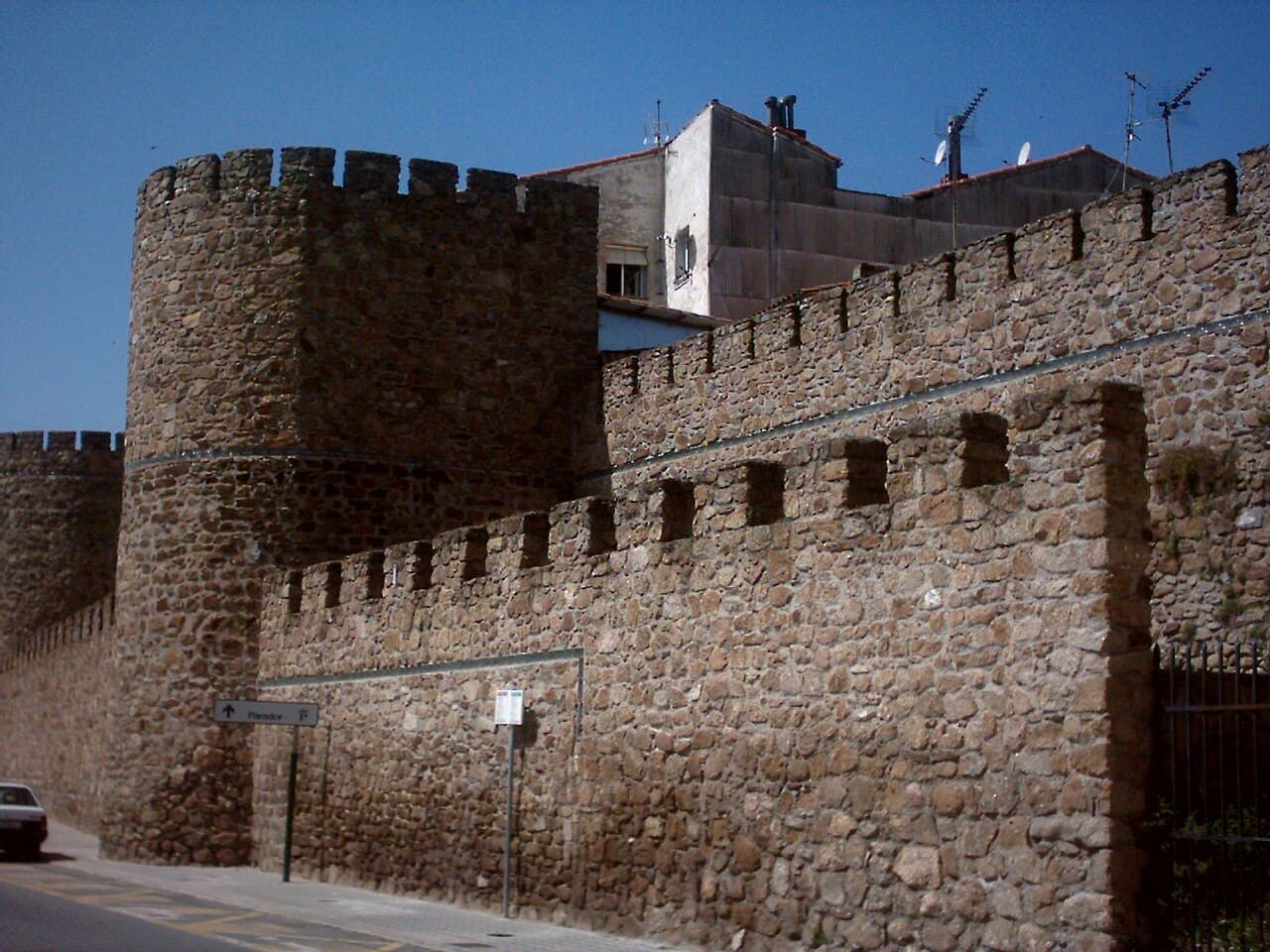
Walls and gates of Plasencia
The walls and gates of Plasencia form a notable example of medieval military architecture in Spain, dating back to the 12th century. Constructed during the high medieval period, these fortifications were integral to the defense and control of the city of Plasencia, located in the region of Extremadura. The walls represent a classic bastioned fortress design, which was developed to improve the defensive capabilities of the city against sieges and attacks.
Historical context and significance
The city of Plasencia was founded in 1186 by King Alfonso VIII of Castile as a strategic military and administrative center. The construction of the city walls and gates was a crucial part of establishing Plasencia as a fortified urban settlement. These fortifications not only protected the inhabitants but also asserted the authority of the Castilian crown in the region, which was contested by neighboring kingdoms and local lords.
Throughout the high medieval period, the walls and gates of Plasencia played a defensive role during various conflicts, including the struggles of the Reconquista and later internal disputes within the kingdom. The fortifications were designed to withstand assaults and to control access to the city, with gates serving as checkpoints for trade and military movements.
Architectural features of the walls and gates
The bastioned fortress design
The bastioned fortress style of the walls is characterized by the inclusion of bastions, which are projecting parts of the walls that allowed defenders to cover adjacent sections with crossfire, reducing blind spots. This design was an evolution from earlier curtain walls and towers, providing improved defense against siege engines and later artillery.
Construction materials and techniques
The walls were primarily built using locally sourced stone, a common material in medieval Spanish fortifications. The masonry work reflects the techniques of the 12th century, with thick walls designed to absorb and deflect attacks. The gates were reinforced with heavy wooden doors and iron fittings, often complemented by portcullises and machicolations—openings in the battlements through which defenders could drop projectiles or boiling substances on attackers.
Notable gates and towers
Several gates punctuate the walls of Plasencia, each serving as a critical point of entry and defense. These gates were strategically placed along main roads leading into the city and were often flanked by defensive towers. The towers provided elevated positions for archers and lookouts, enhancing the overall security of the fortress.
Later modifications and preservation
Over the centuries, the walls and gates of Plasencia have undergone various modifications to adapt to changing military technologies and urban development. Some sections were reinforced or rebuilt during the Renaissance and post-medieval periods, reflecting shifts in architectural styles and defensive needs.
Today, the walls and gates of Plasencia are partially preserved, with significant portions still standing and accessible to visitors. They serve as a historical landmark and a tangible connection to the city's medieval past. Preservation efforts have focused on maintaining the structural integrity of the walls while allowing public access to appreciate their architectural and historical value.
Visiting the walls and gates of plasencia
Visitors to Plasencia can explore the remaining sections of the medieval walls and gates, which offer insights into the city's defensive strategies and urban layout during the high medieval period. Walking along the walls provides panoramic views of the city and the surrounding Extremadura landscape.
The site is open to the public, and guided tours are sometimes available to explain the historical significance and architectural details of the fortress. The walls and gates are an essential part of Plasencia's cultural heritage and attract those interested in medieval history and military architecture.
Frequently asked questions (FAQ)
- How do I get to the Walls and gates of Plasencia?
- The Walls and gates of Plasencia are located in the heart of Plasencia, Spain. You can easily reach the castle by walking from the main square or by using public transportation options available in the city.
- What is the historical significance of the Walls and gates of Plasencia?
- The Walls and gates of Plasencia date back to the 12th century and served as a crucial defensive structure during the Reconquista. They are an excellent representation of medieval military architecture and reflect the city's importance in historical trade routes.
- When was the last restoration of the Walls and gates of Plasencia?
- The last major restoration of the Walls and gates of Plasencia was completed in the late 20th century. This restoration aimed to preserve the original architecture while making it safe and accessible for visitors.
- Can I walk along the Walls and gates of Plasencia?
- Yes, visitors can walk along certain sections of the Walls and gates of Plasencia. This allows for a unique perspective of the city and its historical architecture, as well as stunning views of the surrounding area.
- Why is the Walls and gates of Plasencia a popular tourist attraction?
- The Walls and gates of Plasencia attract tourists due to their rich history, impressive architecture, and scenic views. They offer a glimpse into the past and are a key highlight for visitors interested in medieval history.
- Is it possible to take guided tours of the Walls and gates of Plasencia?
- Yes, guided tours are available for those interested in learning more about the history and architecture of the Walls and gates. These tours provide insightful information and are led by knowledgeable guides who enhance the experience.
- What are the opening hours for the Walls and gates of Plasencia?
- The Walls and gates of Plasencia are generally open to visitors year-round, but opening hours may vary seasonally. It is recommended to check the official website or local tourist information for the most current hours before visiting.
- What is the ticket price for visiting the Walls and gates of Plasencia?
- Visiting the Walls and gates of Plasencia is typically free, allowing everyone to enjoy this historical site. However, fees may apply for guided tours or special events, so check ahead for any updates.
- What is the best time to visit the Walls and gates of Plasencia?
- The best time to visit the Walls and gates of Plasencia is during the spring and fall months when the weather is mild and pleasant. These seasons also see fewer crowds, allowing for a more enjoyable experience while exploring the site.
- Are there any nearby attractions to the Walls and gates of Plasencia?
- Yes, nearby attractions include the stunning Plasencia Cathedral and the charming Plaza Mayor, both of which enhance the cultural experience of your visit. Additionally, the beautiful natural surroundings offer opportunities for outdoor activities and exploration.
Photo gallery

Photo by Olarcos•Public domain
Information
Loading map...
Visitor reviews
No reviews yet. Been here? Write the first review and help other travelers!
Write the first reviewVisited this castle? Share your experience
Your review helps other travelers and adds first-hand knowledge to our encyclopedia.



