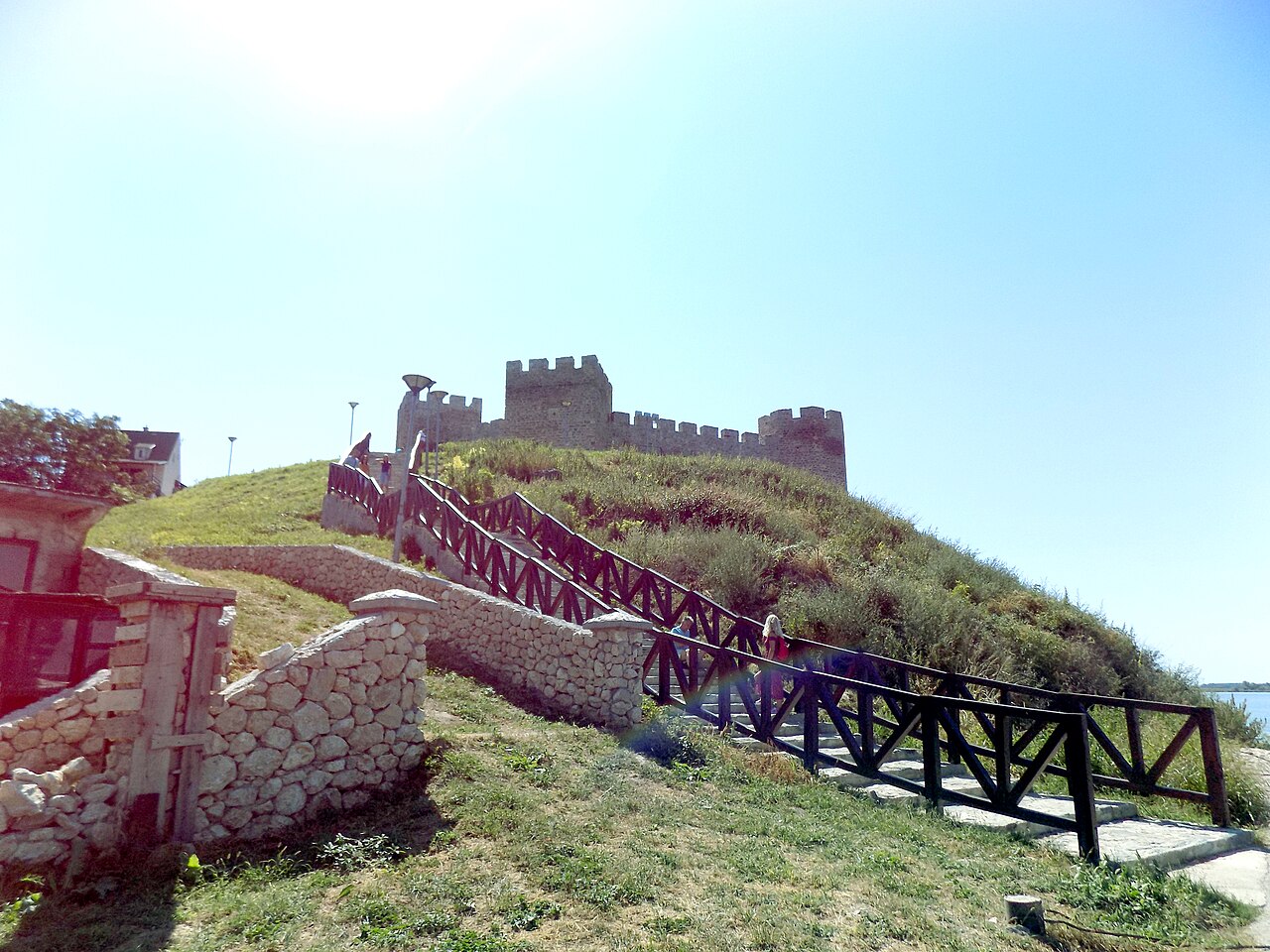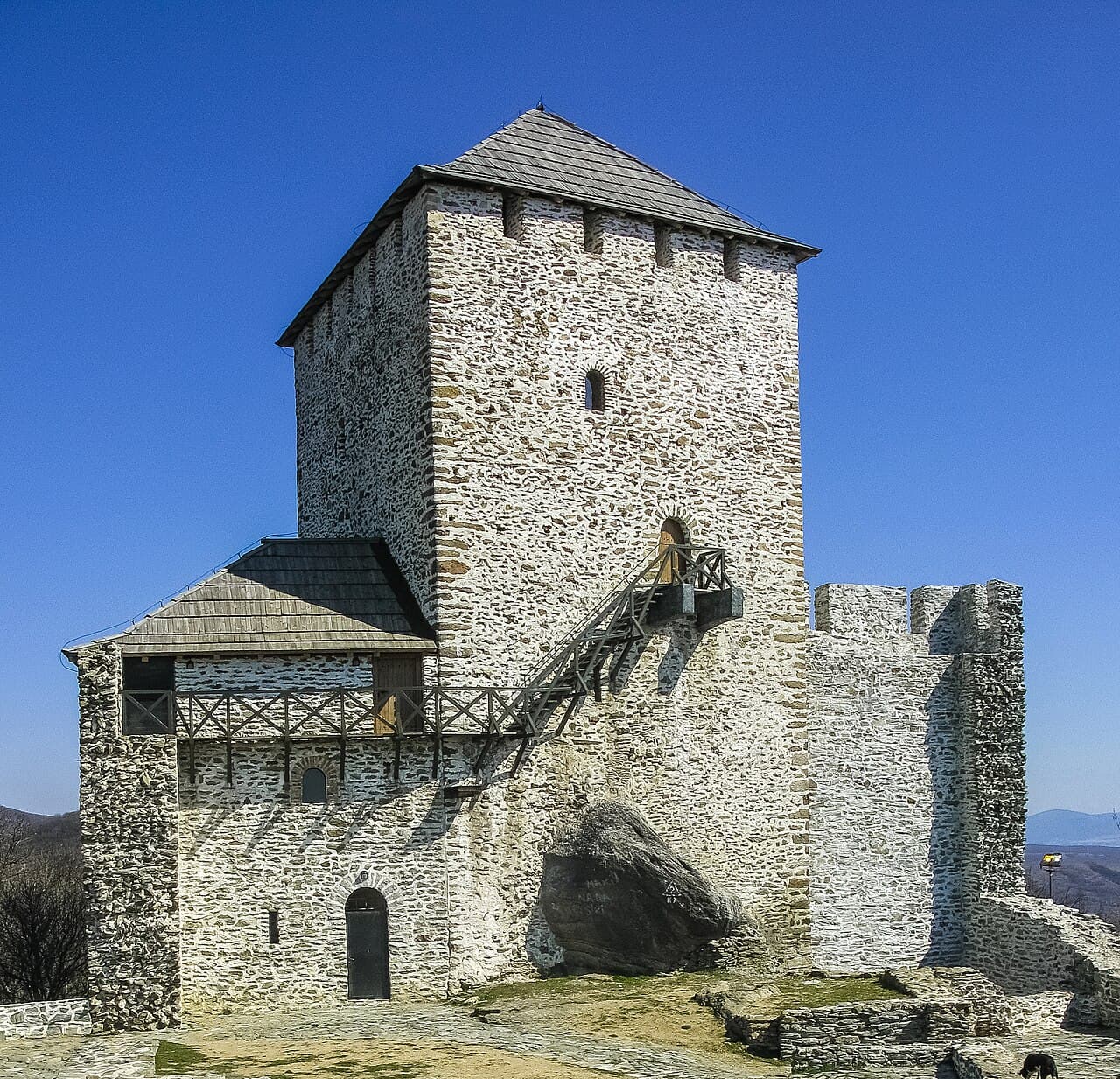
Vršac Castle — Serbia castle

Vršac Castle

Vršac Castle: medieval fortress near Vršac, Serbia
Vršac, Serbia
Late Medieval (14th–15th c.)
Partially Restored

Vršac Castle (Serbian: Вршачки замак, Vršački zamak), also historically known as Vršac Tower (Serbian: Вршачка кула, Vršačka kula), is a 15th-century medieval fortress located near the city of Vršac in the region of Vojvodina, Serbia. This hill castle was originally constructed during the late medieval period as a defensive stronghold overseeing the surrounding landscape. Although much of the original complex was lost over time, the donjon tower — a central fortified keep — survived as a prominent remnant of the castle's once formidable structure.

Historical background and strategic importance

Constructed in the 15th century, Vršac Castle served as a key defensive bastion in the turbulent borderlands of the Kingdom of Hungary and the expanding Ottoman Empire. The castle's elevated position on a hill provided commanding views over the surrounding plains and the city of Vršac, making it a critical military outpost for controlling trade routes and monitoring enemy movements.

Throughout its history, the fortress witnessed numerous sieges and military engagements, reflecting the shifting political and military landscape of the region. Its sturdy stone walls and fortified donjon were designed to withstand prolonged attacks, characteristic of late medieval fortifications in the Balkans.

Architectural features and reconstruction efforts

The original castle complex included a donjon tower, defensive walls, and likely auxiliary buildings such as barracks and storage facilities. The donjon served both as a last refuge during sieges and as the residence of the castle's lord or commander. Its thick walls and narrow windows exemplify the defensive architectural style of the period.

By the 20th century, much of the castle had fallen into ruin, with only the donjon tower remaining intact. Recognizing its cultural and historical significance, the Serbian government declared Vršac Castle a Monument of Culture of Great Importance in 1991, ensuring its protection and conservation.

Starting in 2009, a major reconstruction project commenced with the goal of restoring the castle to its former appearance. This effort aimed to rebuild the lost sections of the fortress, including defensive walls and other key structures, based on archaeological research and historical documentation. The restoration not only preserves the castle's physical fabric but also revitalizes its role as a cultural and tourist landmark in the Vršac region.

Cultural significance and visitor experience

Today, Vršac Castle stands as a symbol of the region's medieval heritage and historical resilience. The restored donjon tower allows visitors to explore the castle's interior and appreciate its defensive architecture firsthand. The site offers panoramic views of the city of Vršac and the surrounding landscape, attracting history enthusiasts, scholars, and tourists alike.

The castle's designation as a protected cultural monument ensures ongoing preservation efforts and highlights its importance within Serbia's national heritage. Visitors can learn about the castle's role in regional history, medieval military architecture, and the broader historical context of the Balkans during the late Middle Ages.

Archaeological findings and future prospects

Ongoing archaeological investigations at the site have uncovered artifacts and structural remains that provide insight into the castle's construction phases and daily life within its walls. These findings contribute to a deeper understanding of the castle's historical timeline and architectural evolution.

Future plans include further restoration and the development of educational programs to enhance public engagement with the castle's history. Vršac Castle remains a significant cultural landmark, bridging Serbia's medieval past with contemporary heritage preservation efforts.

Frequently asked questions (FAQ)

What is the historical significance of Vršac Castle?
Vršac Castle, built in the 15th century, served as a strategic military fortress and residence for various rulers throughout its history. It played a crucial role in defending the region against invasions and has significant ties to Serbian history and culture.
When was Vršac Castle built?
Construction of Vršac Castle began in the early 15th century, with various expansions and renovations occurring over the centuries. The castle reflects architectural styles from different periods, showcasing its evolution and historical importance.
What are the opening hours for Vršac Castle?
Vršac Castle is open to visitors from 10 AM to 6 PM, Tuesday to Sunday. It is advisable to check for any seasonal changes to the schedule or special events that may affect visiting hours.
Can I visit Vršac Castle year-round?
Yes, Vršac Castle is open for visitors year-round, although it might have limited access during winter months due to weather conditions. It's recommended to check the official website or local resources for any specific seasonal closures.
Is it possible to take guided tours of Vršac Castle?
Yes, guided tours are available and provide an in-depth look at the history and architecture of the castle. These tours are conducted by knowledgeable guides who can share fascinating stories and insights about the castle's past.
What is the best time to visit Vršac Castle?
The best time to visit Vršac Castle is during the spring and early autumn when the weather is pleasant and conducive to exploring the grounds. Additionally, these seasons often feature fewer crowds, allowing for a more enjoyable experience.
Are there any nearby attractions to visit along with Vršac Castle?
Yes, nearby attractions include the Vršac Wine Cellars, which are famous for their local wines, and the picturesque Vršac Hill, offering panoramic views of the region. This makes for a great day of exploring the area's rich cultural and natural heritage.
What are the ticket prices for Vršac Castle?
Ticket prices for Vršac Castle are quite affordable, typically ranging from a few hundred dinars for adults, with discounts available for students and seniors. It’s best to check the current pricing on the official website before your visit.
How do I get to Vršac Castle?
Vršac Castle is easily accessible by car or public transport from major cities in Serbia. There are regular bus services to Vršac, and the castle is located within walking distance from the city center.

Photo gallery

Vršac Castle
Click to view

Photo by CrniBombarder!!!•CC BY-SA 4.0

1 photo • Click any image to view in full screen

Information

Hill Castle

Loading map...

Visitor reviews

No reviews yet. Been here? Write the first review and help other travelers!

Write the first review

Visited this castle? Share your experience

Your review helps other travelers and adds first-hand knowledge to our encyclopedia.
Write a review

(5/5)

0/2000 characters

Your review will be visible after admin approval

Nearby castles

32.9 km
Castelul Banloc — Romania castle

Castelul Banloc

, Romania

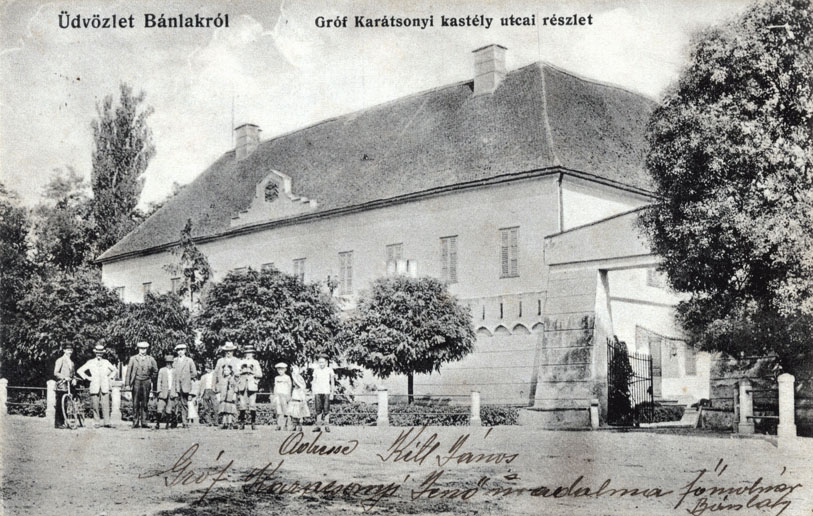
Castelul Banloc is a notable example of an 18th-century hill castle located in Romania. This castle was constructed during the post-Renaissance period, reflecting architectural trends that followed the Renaissance but preceded modern styles. It stands on elevated terrain, characteristic of hill castles, which provided strategic defensive advantages and commanding views of the surrounding landscape. Historical context and construction The castle was built in the 18th century, a time when many European noble families were constructing residences that combined defensive features with increased comfort and aesthetic appeal. Castelul Banloc embodies this transition, moving away from purely military fortifications towards more elegant and livable structures. Its location in Romania places it within a region influenced by various cultural and political forces, including the Habsburg Empire and the Ottoman Empire, which shaped the architectural and historical development of local castles. Architectural features and style Castelul Banloc exhibits characteristics typical of post-Renaissance architecture, which often includes a blend of classical elements with baroque influences. The castle's design features include robust walls adapted to the hilltop setting, with elements such as towers and possibly battlements that hint at its defensive origins. However, the emphasis on residential comfort is evident in the layout and interior spaces, which would have been designed to accommodate noble living standards of the period. Layout and defensive elements The castle's hilltop location allowed for natural defense, supplemented by man-made fortifications. The structure likely includes a central courtyard surrounded by living quarters and service buildings, with access controlled through fortified gates. Defensive features such as thick stone walls and strategically placed towers would have provided protection against potential attackers, while also serving as status symbols. Interior and residential aspects Inside, Castelul Banloc would have contained reception halls, private chambers, and possibly a chapel, reflecting the multifunctional nature of noble residences. The interiors would have been decorated to demonstrate wealth and taste, incorporating period-appropriate furnishings and decorative arts. Large windows and ornate detailing may have been included to enhance the aesthetic appeal and comfort of the living spaces. Significance and current status Although detailed records about Castelul Banloc's history and ownership are limited, its architectural style and location provide valuable insights into the evolution of castle construction in Romania during the 18th century. The castle represents a period when fortifications were increasingly adapted for residential use, reflecting broader European trends. The current condition of Castelul Banloc is not widely documented, but as an 18th-century hill castle, it may have undergone various states of preservation or restoration. Castles of this era often face challenges related to maintenance due to their age and the changing political and economic contexts of their regions. Visiting Castelul Banloc and its surroundings Visitors interested in exploring Castelul Banloc should consider its location within Romania's diverse historical landscape. The castle's setting on a hill offers scenic views and an opportunity to appreciate the strategic considerations behind its placement. Nearby towns and natural landmarks may provide additional context and attractions for travelers interested in history and architecture. While specific visitor information such as opening hours and ticket prices is not readily available, potential visitors are advised to check local tourism resources or contact regional cultural heritage organizations for the latest details.

Post-Renaissance (17th–18th c.)
Details
34.5 km
Ram Fortress — Serbia castle

Ram Fortress

Veliko Gradište, Serbia

Ram Fortress (Serbian: Тврђава Рам / Tvrđava Ram) is a 15th century bastioned fortress located in the village of Ram, within the municipality of Veliko Gradište in eastern Serbia. This late medieval fortress is strategically positioned on a steep rocky slope on the right bank of the Danube River, offering commanding views and natural defensive advantages. The fortress stands on a rock formation that slopes towards the Danube from the northeast, integrating the natural landscape into its defensive design.Historical context and strategic importanceThe construction of Ram Fortress dates back to the turbulent 15th century, a period marked by frequent conflicts and territorial disputes in the Balkans. The fortress was built as a stronghold to secure the Danube frontier and to control river traffic and trade routes. It is believed to have been constructed on the opposite bank from the now-lost Haram fortress, which once stood across the Danube but left no visible remains today. The location of Ram Fortress was crucial for monitoring movements along the Danube and served as a defensive bastion against Ottoman incursions and other regional threats.Architectural features and layoutRam Fortress exemplifies the characteristics of a bastioned fortress, a style that became prominent in the late medieval period as artillery warfare evolved. The fortress was designed with angular bastions projecting from the main walls, allowing defenders to cover adjacent walls with crossfire and reduce blind spots. This design enhanced its defensive capabilities against siege artillery and infantry assaults.The fortress is built on a rocky outcrop, which naturally strengthens its defenses. The walls follow the contours of the rock, creating an irregular polygonal shape adapted to the terrain. The steep slope on the Danube side made direct assaults from the riverbank difficult, while the bastions provided overlapping fields of fire. Within the fortress, there would have been various defensive and residential structures, including towers, gates, and possibly living quarters for the garrison, although detailed internal layouts have not survived fully intact.Construction materials and techniquesThe fortress was constructed primarily from local stone, carefully cut and fitted to form thick defensive walls. The masonry work reflects the building techniques of the late medieval period in the region, with an emphasis on durability and resistance to artillery fire. The use of the natural rock foundation reduced the need for extensive artificial fortifications on the Danube-facing side.Preservation and current conditionThe remains of Ram Fortress are in a well-preserved state, with much of the fortress walls and bastions still standing. Its preservation allows visitors to appreciate the scale and strategic design of the fortress. The site provides valuable insight into the military architecture of the late medieval Balkans and the defensive measures employed along the Danube frontier.Today, Ram Fortress is an important cultural and historical monument in Serbia. It attracts historians, archaeologists, and tourists interested in medieval fortifications and Balkan history. The fortress's location along the Danube also offers scenic views and a tangible connection to the region's past.Ram Fortress in the context of Serbian medieval fortificationsRam Fortress is part of a broader network of fortifications built during the late medieval period in Serbia to protect against Ottoman expansion and secure critical waterways. Its bastioned design reflects the adaptation of European military architectural trends to local conditions. Unlike many other fortresses that have fallen into ruin, Ram Fortress's relatively good preservation makes it a significant example of this transitional period in fortress construction.

Late Medieval (14th–15th c.)
Details
52.5 km
Kulič Fortress — Serbia castle

Kulič Fortress

, Serbia

Kulič Fortress is a prominent bastioned fortress located in Serbia, renowned for its military architectural design and strategic importance throughout history. This fortress exemplifies the defensive innovations of its era, featuring robust bastions designed to withstand artillery assaults and provide overlapping fields of fire.Historical background and strategic importanceConstructed during a period when fortifications evolved to counter the increasing use of gunpowder and artillery, Kulič Fortress played a crucial role in regional defense. Its establishment reflects the military strategies employed in the Balkans, a region characterized by frequent conflicts and shifting borders. The fortress served as a key military stronghold, controlling important routes and offering protection against invasions.Architectural features and designThe fortress is classified as a bastioned fortress, a style that emerged in the late medieval to early modern period, designed to improve defensive capabilities against cannon fire. Its layout includes angled bastions protruding from the main walls, allowing defenders to cover adjacent walls with gunfire, eliminating blind spots. The walls are thick and constructed from durable materials to absorb and deflect artillery impacts.Kulič Fortress also incorporates a system of ramparts and moats, enhancing its defensive perimeter. The bastions are connected by curtain walls, creating a continuous defensive line. Inside, the fortress likely contained barracks, armories, and command posts, although much of the internal structure's details require further archaeological study.Location and current conditionSituated in Serbia, the exact city or town of Kulič Fortress is not widely documented, but it lies within a region significant for its historical military engagements. Presently, the fortress remains in a state that reflects its age and historical usage. While some parts may be preserved or partially restored, others could be in ruins or archaeological condition, typical for fortresses of this type and period.Cultural and heritage significanceKulič Fortress holds cultural importance as a symbol of the region's military history and architectural evolution. It attracts historians, archaeologists, and visitors interested in military architecture and Balkan history. The fortress contributes to the understanding of defensive strategies and regional conflicts in Serbia's past.Visiting information and accessibilityInformation regarding visitor access, opening hours, and ticketing for Kulič Fortress is limited. Potential visitors should seek local guidance or official tourism resources for the most current details. The fortress offers an opportunity to explore historical military architecture and the landscape that shaped its strategic placement.

Details