Volokolamsk Kremlin — Russia castle

Volokolamsk Kremlin

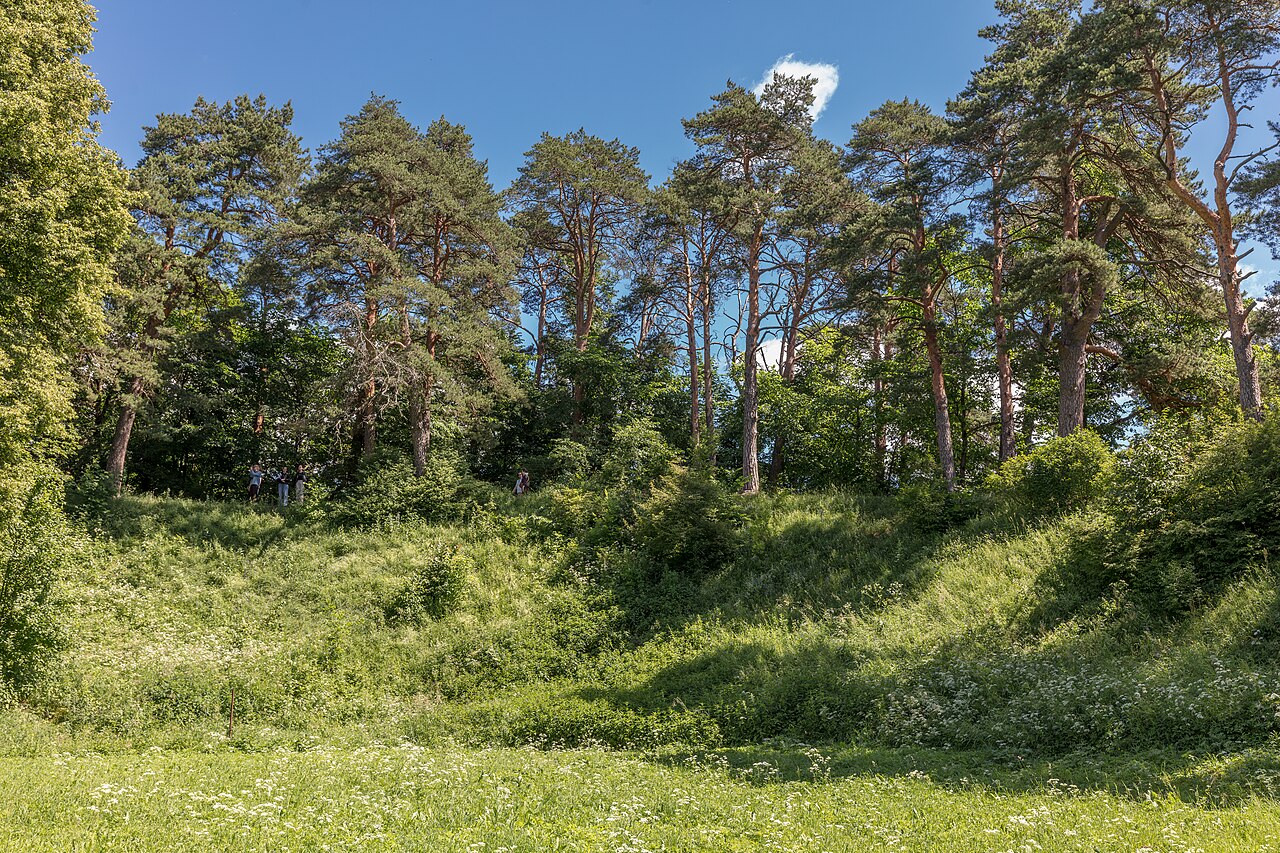
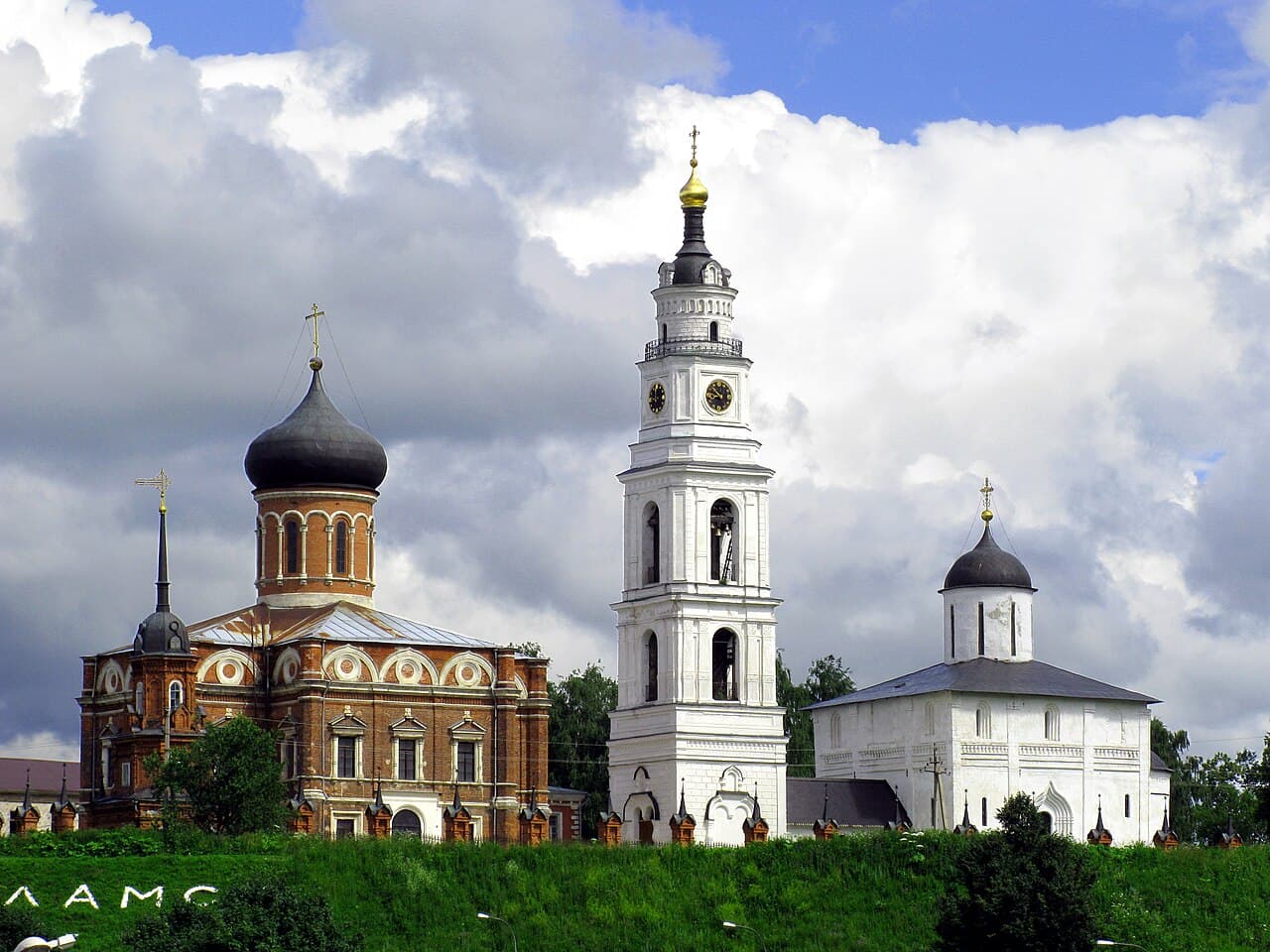
Volokolamsk Kremlin: historic bastioned fortress in Russia
Volokolamsk, Russia
Late Medieval (14th–15th c.)

The Volokolamsk Kremlin is a significant historical fortress located in the town of Volokolamsk within the Moscow region of the Russian Federation. This bastioned fortress stands as a remarkable example of 16th-century Russian military architecture, designed to protect the western approaches to Moscow from invasions and raids during a turbulent period of regional conflicts.

Historical context and strategic importance

Constructed during the late medieval period, specifically in the 16th century, the Volokolamsk Kremlin was part of a network of fortifications established by the Grand Duchy of Moscow to secure its borders. The fortress played a crucial role in defending the region against incursions by the Crimean Tatars and other hostile forces. Its location on a hill overlooking the Lama River provided a natural defensive advantage, allowing defenders to monitor and control key trade and military routes.

Architectural features and design

The Kremlin's design incorporates the bastioned fortress style, which was innovative for Russian fortifications of the time. Its walls were reinforced with angular bastions projecting outward, enabling defenders to cover adjacent walls with crossfire and reduce blind spots. This style reflected the influence of Western European military engineering, adapted to local conditions and materials.

The fortress walls were constructed from thick brick and stone, with towers strategically placed at intervals to serve as watchtowers and artillery platforms. The main entrance was fortified with a gatehouse featuring a portcullis and machicolations, allowing defenders to repel attackers effectively. Inside the Kremlin, there were administrative buildings, armories, and religious structures, including a cathedral, which served both spiritual and community functions.

Defensive structures

The bastions were designed to withstand artillery attacks, which were becoming more common in the 16th century. The walls were angled to deflect cannonballs, and the fortress was surrounded by a moat fed by the nearby river, adding an extra layer of defense. The Kremlin's layout facilitated efficient troop movements and communication during sieges.

Cultural and historical significance

Throughout its history, the Volokolamsk Kremlin has witnessed numerous military engagements and political events. It was a symbol of Moscow's growing power and centralization during the era of Ivan the Terrible and his successors. The fortress also served as a local administrative center, influencing the development of Volokolamsk as a town.

Today, the Kremlin is recognized for its cultural heritage and architectural value. It attracts visitors interested in Russian history and medieval fortifications. Preservation efforts have aimed to maintain the structural integrity of the walls and towers, although some sections show signs of wear due to the passage of time.

Visiting the Volokolamsk Kremlin

Visitors to the Volokolamsk Kremlin can explore the fortress grounds, including the surviving walls and bastions. The site offers insight into the military architecture of the period and the historical context of the region. Guided tours provide detailed explanations of the fortress's construction, its role in Russian history, and the stories of notable figures associated with it.

The Kremlin is accessible year-round, with the best visiting times during late spring to early autumn when the weather is favorable. Nearby attractions include historical museums and churches that complement the experience of exploring this bastioned fortress.

Frequently asked questions (FAQ)

How do I get to Volokolamsk Kremlin?
Volokolamsk Kremlin is located in the town of Volokolamsk, which is approximately 100 kilometers northwest of Moscow. You can reach it by taking a train or bus from Moscow to Volokolamsk, followed by a short walk to the Kremlin. Driving is also an option, with clear signage leading you to the castle.
What is the historical significance of Volokolamsk Kremlin?
Volokolamsk Kremlin dates back to the 16th century and played a crucial role in protecting the region from invasions. It served as a military outpost and a center of governance for the surrounding area. The Kremlin's architecture and history reflect the turbulent times of Russia's past, including its involvement in significant battles.
When was Volokolamsk Kremlin built?
Construction of Volokolamsk Kremlin began in 1536 and continued over several decades, with various modifications made throughout the years. The Kremlin was strategically built to fortify the area against potential attacks. Its walls and towers showcase the military architecture of the period.
Can I visit Volokolamsk Kremlin year-round?
Yes, Volokolamsk Kremlin is open to visitors year-round, though some areas may have restricted access during the winter months due to weather conditions. It’s advisable to check the local weather and any seasonal events before planning your visit. Guided tours are available, providing insights into the history and architecture of the site.
Why is Volokolamsk Kremlin a popular tourist attraction?
Volokolamsk Kremlin attracts visitors for its rich history, stunning architecture, and picturesque surroundings. The fortress offers a unique glimpse into Russia's past, and its strategic position provides beautiful views of the landscape. Additionally, the Kremlin hosts various cultural events throughout the year, enhancing its appeal.
Is it possible to take guided tours of the Kremlin?
Yes, guided tours of Volokolamsk Kremlin are available, which offer an in-depth look at its history and architectural features. Tours typically last about one hour and provide valuable insights from knowledgeable guides. It’s recommended to book in advance, especially during peak tourist seasons.
What are the opening hours for Volokolamsk Kremlin?
Volokolamsk Kremlin is generally open from 9 AM to 6 PM daily, but hours may vary on holidays. It's best to check the official website or local information for any changes in opening times. Arriving early can help you avoid crowds and enjoy a more peaceful experience.
What are the ticket prices for visiting Volokolamsk Kremlin?
Ticket prices for Volokolamsk Kremlin are quite affordable, typically ranging from 100 to 300 rubles for adults, with discounts available for students and seniors. Children under a certain age may enter for free. It’s advisable to bring cash, as some ticket counters may not accept cards.
What nearby attractions can I visit while at Volokolamsk Kremlin?
While visiting Volokolamsk Kremlin, you can explore the nearby Church of St. Nicholas and the picturesque town center, which offers charming shops and cafes. Additionally, the surrounding countryside is perfect for scenic walks and enjoying the natural beauty of the region. Make a day of it by discovering the rich culture and history of Volokolamsk!

Photo gallery

Volokolamsk Kremlin
Click to view

Photo by Lodo27 from Moscow, Russia•CC BY-SA 3.0

1 photo • Click any image to view in full screen

Information

Bastioned Fortress

Loading map...

Visitor reviews

No reviews yet. Been here? Write the first review and help other travelers!

Write the first review

Visited this castle? Share your experience

Your review helps other travelers and adds first-hand knowledge to our encyclopedia.
Write a review

(5/5)

0/2000 characters

Your review will be visible after admin approval

Nearby castles

58.8 km
Mozhaysk Kremlin — Russia castle

Mozhaysk Kremlin

Mozhaysk, Russia

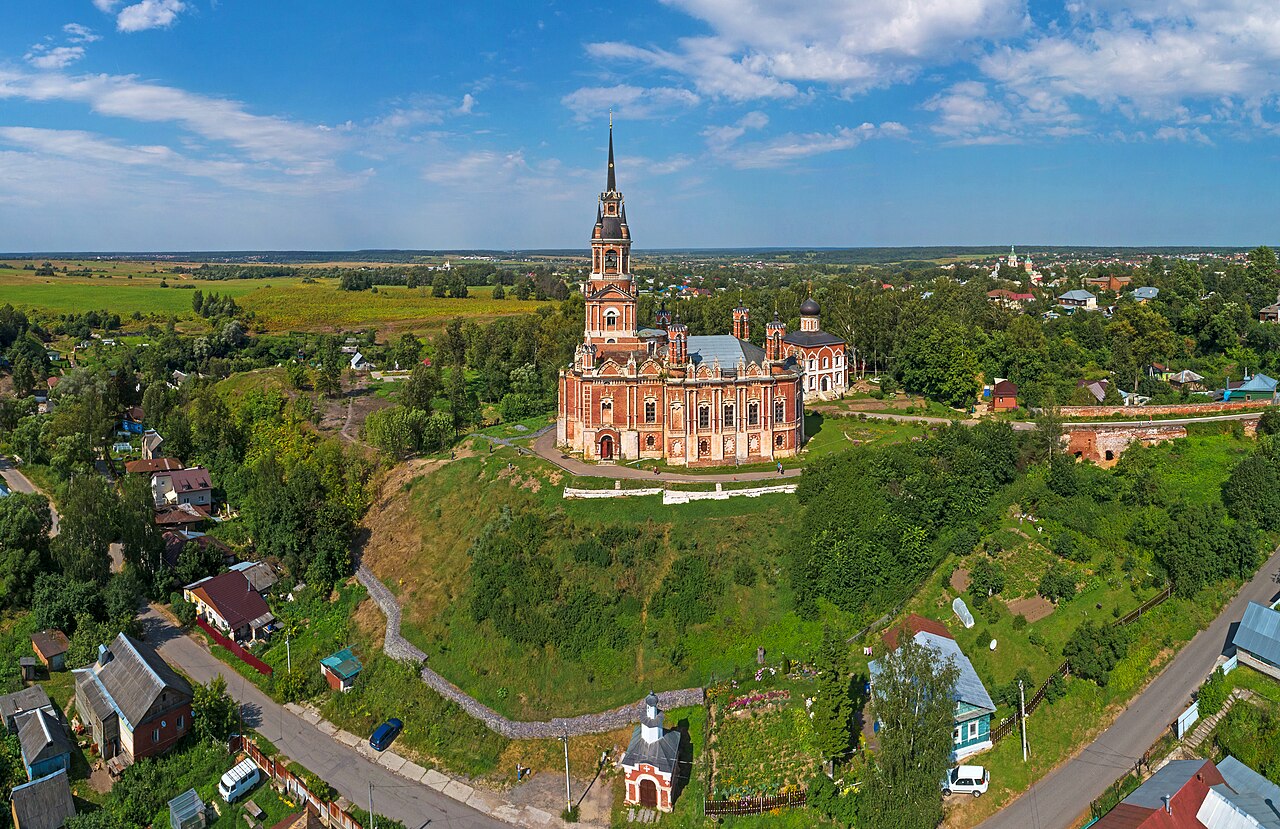
Mozhaysk Kremlin is a significant bastioned fortress located in the city of Mozhaysk, within the Moscow region of the Russian Federation. This fortress is an important example of Russian military architecture from the 16th century, built primarily to defend the western approaches to Moscow and to serve as a stronghold against invasions. Historical background and strategic importance The construction of the Mozhaysk Kremlin began in the early 16th century, during a period when the Grand Duchy of Moscow was consolidating its territories and fortifying its borders. The Kremlin was built on the site of earlier fortifications that date back to the medieval period, but the current walls and bastions reflect the influence of Renaissance military engineering, adapted to the needs of artillery defense. Its location on a hill overlooking the Mozhaysk town and the Moskva River made it a vital defensive position. The fortress played a crucial role in protecting Moscow from western invasions, especially during the Time of Troubles in the early 17th century and the Napoleonic Wars in the early 19th century. Architectural features and layout The Mozhaysk Kremlin is characterized by its thick stone walls and bastioned towers designed to withstand cannon fire. The fortress walls are irregularly polygonal, conforming to the natural contours of the hill, a common feature in Russian kremlins to maximize defensive capabilities. The bastions are angular projections from the walls that allowed defenders to cover adjacent walls with overlapping fields of fire, a design element influenced by Western European fortification styles of the Renaissance period. The fortress includes several towers, some of which served as gatehouses, and others as watchtowers and artillery platforms. Inside the Kremlin, there are remains of historical buildings, including churches and administrative structures, which indicate its dual role as both a military and administrative center. Cultural and historical significance The Mozhaysk Kremlin is not only a military monument but also a cultural heritage site reflecting the evolution of Russian fortification techniques. It witnessed numerous historical events, including sieges and battles, and stands as a symbol of the resilience of the Russian state during turbulent periods. Today, the Kremlin is partially preserved, with ongoing efforts to maintain its walls and towers. It attracts visitors interested in Russian history, military architecture, and medieval fortifications. Visiting information and accessibility The Mozhaysk Kremlin is accessible to the public, offering a glimpse into Russia's fortified past. Visitors can explore the fortress walls, towers, and some of the interior spaces. Guided tours are often available, providing detailed historical context and architectural insights. The site is an important destination for those studying Russian military history and architecture, as well as tourists seeking to experience a well-preserved example of a bastioned fortress from the Renaissance period in Russia.

Late Medieval (14th–15th c.)
Details
64.6 km
Gorodok (Zvenigorod) — Russia castle

Gorodok (Zvenigorod)

Zvenigorod, Russia

Gorodok Castle, located near the historic town of Zvenigorod in the Russian Federation, is a notable example of a hill castle with origins tracing back to the medieval period. This castle occupies a strategic position atop a hill, which provided natural defensive advantages and commanding views over the surrounding landscape. Though the exact construction date remains uncertain, the castle is associated with the High to Late Medieval era, reflecting the architectural and military developments of that time in the region. Historical background and significance The region around Zvenigorod has been historically significant since the early medieval period, serving as a frontier zone and a seat of local power. Gorodok Castle was likely established to protect trade routes and local settlements from invasions and raids common in medieval Rus'. It played a role in regional defense and administration, possibly serving as a fortified residence for local princes or military commanders. Throughout its history, the castle witnessed various military conflicts and power struggles, reflective of the broader political dynamics in medieval Russia. Its location on a hill made it a formidable defensive structure, deterring attackers and providing refuge during sieges. Architectural features and layout The castle's design exemplifies typical hill castle characteristics, utilizing the natural topography for defense. The fortifications likely included stone walls and wooden palisades, though much of the original structure has not survived intact. Archaeological studies suggest the presence of a central keep or donjon, which would have served as the last line of defense and the main residential area. Surrounding the central stronghold, there may have been courtyards, barracks, and storage facilities, arranged to support a garrison and sustain prolonged defense. The castle's entrance was probably fortified with a gatehouse and defensive towers, typical of medieval Russian military architecture. Current condition and preservation Today, Gorodok Castle stands primarily as archaeological ruins. The remains offer valuable insights into medieval fortification techniques and settlement patterns in the region. Preservation efforts focus on protecting these ruins from further decay and facilitating archaeological research to uncover more of the castle's history. Visitors to the site can observe the castle's layout and some foundational structures, though much of the superstructure has been lost over time. The site is of interest to historians, archaeologists, and tourists intrigued by medieval Russian heritage. Access and visitor information The castle is accessible to the public, though facilities are limited due to its status as an archaeological site. Visitors are advised to check local resources for visiting hours and any guided tour availability. The surrounding area offers scenic views and opportunities to explore the historical landscape of Zvenigorod. Architectural and cultural context Gorodok Castle reflects the broader tradition of hill castles in medieval Eastern Europe, where natural terrain was integral to defense strategies. Its construction techniques and layout align with those found in other Russian fortifications of the High and Late Medieval periods, characterized by robust stonework combined with wooden defensive elements. The castle contributes to understanding the military architecture of medieval Rus' and the socio-political environment of the time. It stands as a testament to the region's historical role in trade, defense, and governance.

High Medieval (11th–13th c.)
Details
108.1 km
Post #1 — Russia castle

Post #1

, Russia

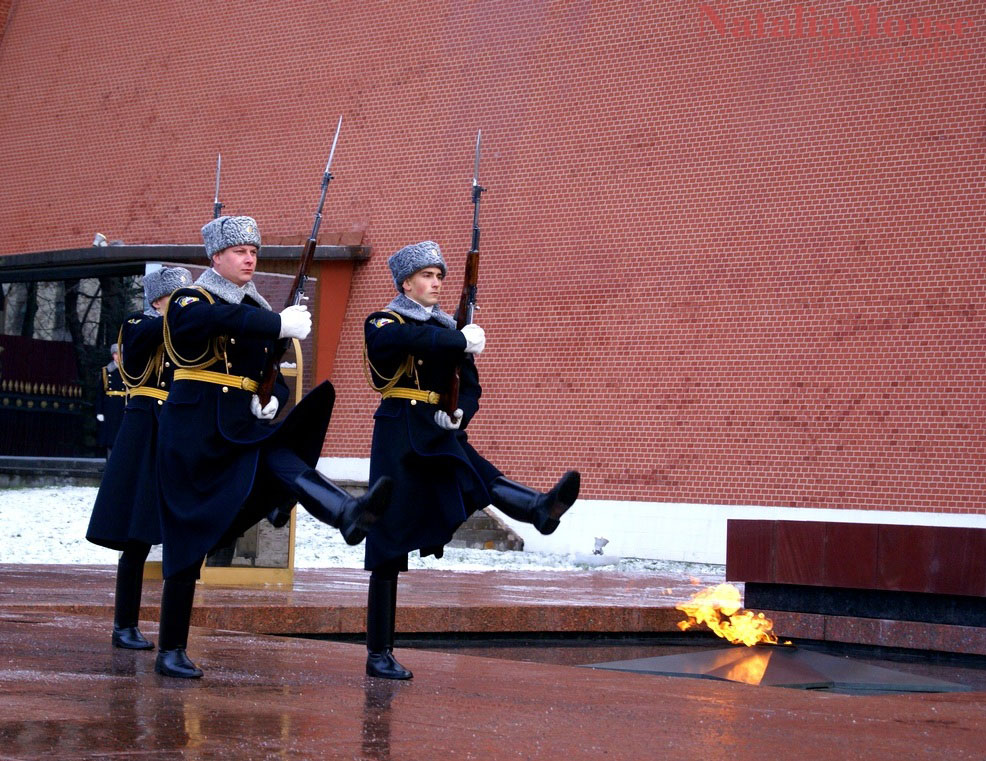
The Honor Guard Post at the Eternal Flame, also known as Post No. 1, is a prominent ceremonial guard post located near the Moscow Kremlin walls in the Alexander Garden. This post is dedicated to guarding the Tomb of the Unknown Soldier, a significant war memorial commemorating Soviet soldiers who died during World War II. The post symbolizes respect and remembrance, serving as a focal point for national ceremonies and military honors. Established originally in 1924 near Lenin's Mausoleum following the death of Vladimir Lenin, the guard post was part of the Soviet tradition of honoring fallen leaders and soldiers. In 1993, the post was abolished by decree of President Boris Yeltsin, reflecting the transitional period in post-Soviet Russia. However, it was reinstated in 1997 in its current location near the Tomb of the Unknown Soldier, reaffirming its role in Russian state ceremonial life. Location and significance The post is situated within the Alexander Garden, adjacent to the Moscow Kremlin, one of Russia's most iconic historic and political sites. The Tomb of the Unknown Soldier itself is a revered monument, marked by an eternal flame that burns in memory of the unidentified soldiers who sacrificed their lives during the Great Patriotic War (World War II). The guard post's proximity to this monument underscores its symbolic importance in honoring military valor and national pride. Architectural and structural features Unlike traditional castles or fortresses, the Honor Guard Post is a modern ceremonial structure rather than a defensive or residential castle. It does not feature typical castle elements such as towers, battlements, or moats. Instead, the post is characterized by its solemn and minimalistic design, emphasizing dignity and respect. The guard post includes a designated platform where the honor guards perform their duties, standing vigil in precise, ritualized movements. Guard duty and ceremonial role The guard duty at Post No. 1 is performed by servicemen of the Presidential Regiment, an elite unit responsible for protecting the Kremlin and participating in state ceremonies. The honor guards wear distinctive uniforms and conduct highly disciplined, choreographed routines that attract both Russian citizens and tourists. The changing of the guard ceremony is a popular attraction, symbolizing the continuity of military tradition and the nation's remembrance of its fallen heroes. Historical context and restoration The establishment of the guard post in 1924 was closely tied to the Soviet era's emphasis on commemorating revolutionary leaders and war heroes. Its abolition in 1993 reflected the political changes following the dissolution of the Soviet Union, while its restoration in 1997 marked a revival of national traditions under the Russian Federation. Since then, the post has remained an enduring symbol of respect for military sacrifice and state authority. Visiting information The Honor Guard Post is accessible to visitors year-round as part of the Alexander Garden complex near the Kremlin. Visitors can witness the ceremonial guard changes and pay respects at the Tomb of the Unknown Soldier. While there is no entrance fee for viewing the post or the memorial, visitors are advised to check the schedule for the guard changing ceremonies to experience the full ceremonial display.

Contemporary (20th–21st c.)
Details