Venetian Tower
The Venetian Tower, locally known as Kulla Veneciane, is a prominent historical monument located in the ancient port city of Durrës, Albania. This tower stands as a testament to the city's rich and turbulent history, reflecting its strategic importance on the Adriatic coast through centuries of military and cultural transformations.
Durrës, originally known as Dyrrachium to the Romans and Durazzo to the Venetians, is one of the oldest cities in Albania, with a history spanning over 2500 years. Its location on the Adriatic Sea made it a crucial maritime and trading hub. The city was fortified extensively starting in the 5th century under the Byzantine Emperor Anastasius I, a native of Durrës, who reinforced the city with massive walls, towers, and a citadel to defend against frequent invasions and natural disasters.
Historical context and significance
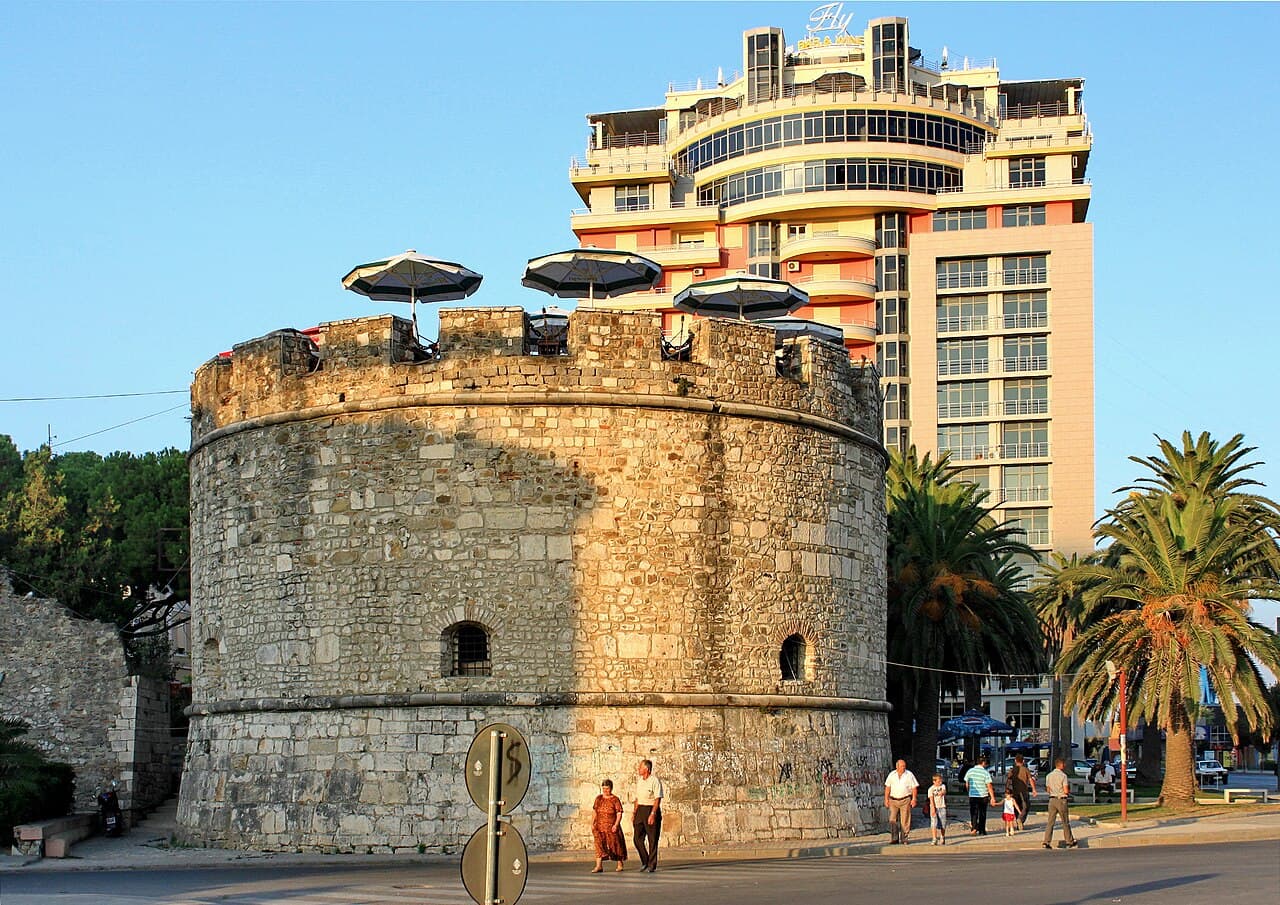
The Venetian Tower was constructed in the 15th century by the Republic of Venice during their rule over Durazzo. It replaced an earlier Byzantine tower at the southernmost corner of the city walls, near the harbor, serving as a crucial artillery tower designed to protect the port and the city from naval attacks. The tower's strategic location allowed it to command views over the sea approaches, making it a vital part of the city's layered defense system.
Throughout its history, Durrës has faced numerous sieges and occupations by a succession of empires and armies, including the Romans, Ostrogoths, Bulgars, Byzantines, Normans, Crusaders, Ottomans, and even the Italians during World War II. The Venetian Tower witnessed these turbulent times, standing as a symbol of the city's resilience and strategic maritime importance.
Architectural features and construction
The tower was built as part of the extensive fortifications that surrounded the city, originally connected to the city walls. It was designed to house artillery and featured robust stone construction typical of Venetian military architecture of the period. The tower's thick walls provided resistance against cannon fire and naval bombardment, while its elevated position allowed for effective surveillance and defense of the harbor entrance.
Although the tower now stands isolated, having lost its direct connection to the city walls due to urban changes and partial destruction of the fortifications, it retains much of its original character. The tower's design includes embrasures for artillery, battlements for defenders, and an upper terrace that historically served as a platform for cannons and lookouts.
City walls and related fortifications
The city of Durrës was originally enclosed by massive walls built under Emperor Anastasius I in the late 5th century. These walls were among the most formidable defensive structures on the Adriatic coast, reaching heights of around 4.6 meters today, though originally they were higher. The walls included multiple towers, gates, and a citadel at the highest point of the city.
Over the centuries, these fortifications were damaged by earthquakes, notably in 1273 and 1926, and were repaired and modified by successive rulers. The Venetians added several guard towers and strengthened the walls to adapt to evolving military technology. Later, the Ottoman Empire further modified the defenses, reducing the enclosed area and reinforcing the walls to suit their strategic needs.
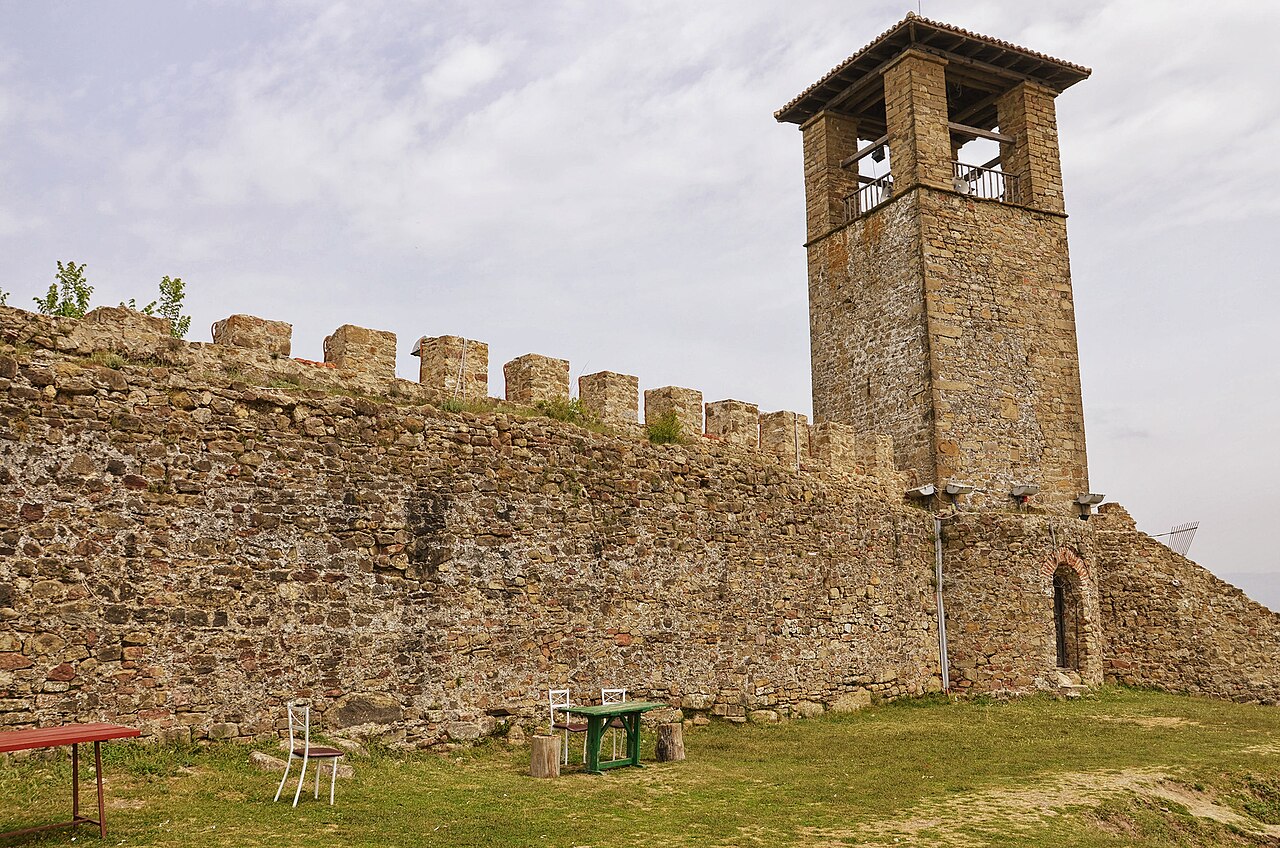
Remnants of the Byzantine city walls still stand north of the Venetian Tower, including several towers that provide insight into the city's layered defensive architecture. However, the original citadel's remains are not clearly visible today.
Modern use and conservation
In recent years, the Venetian Tower has been repurposed to serve cultural and educational functions. It previously operated as a café with an open-air terrace, offering visitors panoramic views of the harbor and city. Currently, it houses a small heritage interpretation center, featuring immersive virtual reality and video presentations that narrate the history of Durrës and its fortifications.
The tower is accessible to visitors for a modest entrance fee, making it an attractive destination for tourists interested in medieval military architecture and Albanian history. Conservation efforts, including those supported by international cultural projects, aim to preserve the tower's structural integrity while enhancing its role as a historical landmark.
Notable historical events
Durrës Castle and its fortifications, including the Venetian Tower, played a significant role during the Italian invasion of Albania in 1939. On April 7, 1939, a small force of Albanian defenders, led by Abaz Kupi and Mujo Ulqinaku, resisted the Italian advance from the sea, using the fortifications to delay the invasion for several hours despite being outnumbered and outgunned.
This event is remembered as a symbol of Albanian patriotism and determination, highlighting the enduring military significance of the city's defenses even in the 20th century.
Related fortifications in the region
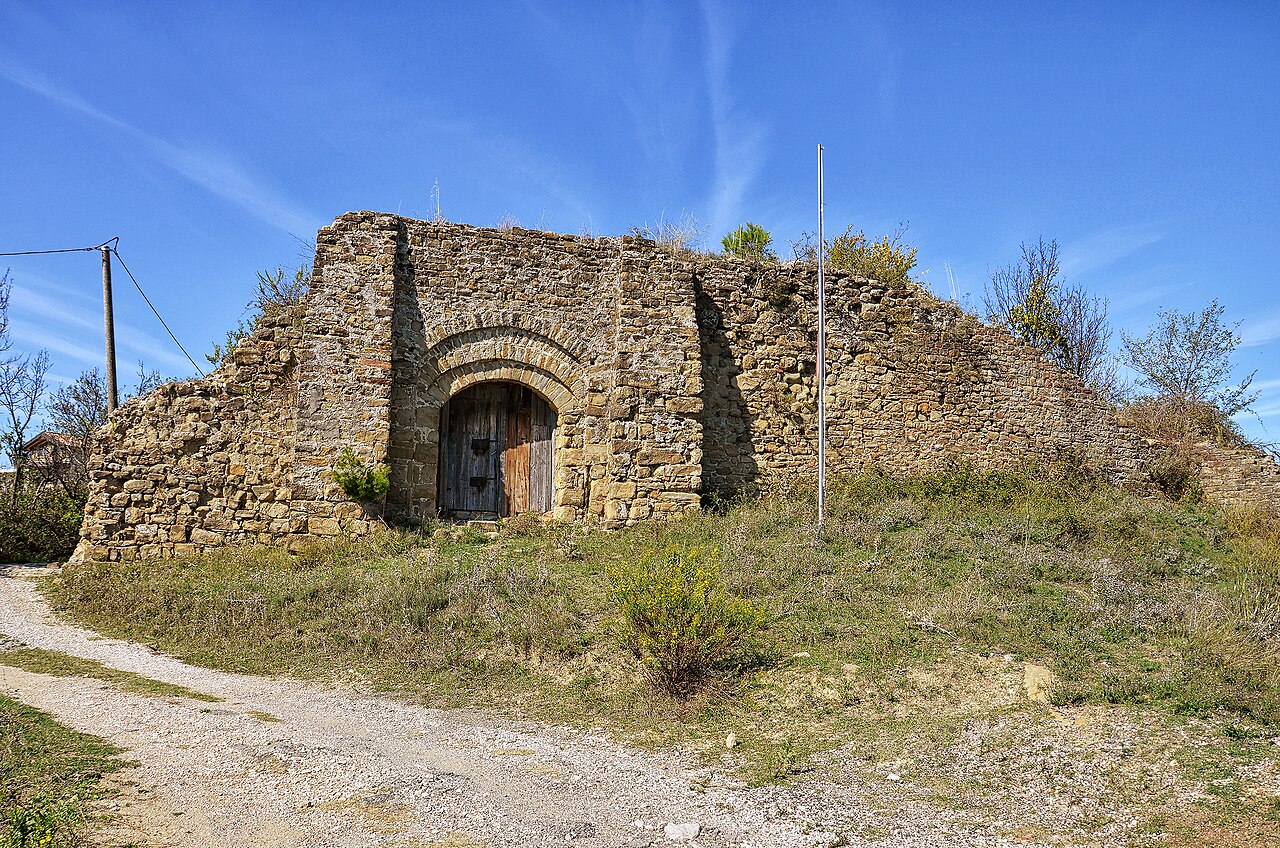
Near Durrës lies the smaller fortification known as Porto Romano, a triangular coastal enclosure on a hill attributed to the reign of Emperor Justinian I. This fortification complements the defensive network of the region, illustrating the strategic importance of the Adriatic coast throughout late antiquity and the medieval period.
Together, these fortifications reflect the complex history of Durrës as a crossroads of empires and cultures, with layers of architectural and military heritage spanning from Roman times through the Byzantine, Venetian, and Ottoman periods.
Visitor information and nearby attractions
Visitors to the Venetian Tower can explore the tower itself and nearby sections of the Byzantine city walls, which offer a tangible connection to the city's ancient past. The site provides a unique opportunity to experience the evolution of military architecture and the historical significance of Durrës as a fortified port city.
The city of Durrës also offers numerous other attractions, including archaeological museums, Roman amphitheaters, and vibrant coastal scenery, making it a rich destination for cultural tourism in Albania.
Frequently asked questions (FAQ)
- How do I visit the Venetian Tower in Durrës?
- The Venetian Tower is open daily from 09:00 to 17:00. Visitors can purchase tickets at the entrance, with prices around €3 for adults and €1.5 for children.
- What is the historical significance of the Venetian Tower?
- The Venetian Tower was built in the 15th century by the Republic of Venice to protect the port city of Durrës. It played a key role in defending the harbor from naval attacks and witnessed many historical sieges.
- Can I access the interior of the Venetian Tower?
- Yes, the interior is accessible and currently houses a heritage interpretation center with multimedia exhibits about the history of Durrës and its fortifications.
- Are there other historical sites near the Venetian Tower?
- Yes, nearby are well-preserved sections of the Byzantine city walls and several towers. The city also has Roman ruins, an amphitheater, and museums worth visiting.
- Is the Venetian Tower wheelchair accessible?
- Due to the tower's historic structure and narrow staircases, it is not fully wheelchair accessible. Visitors with mobility issues should plan accordingly.
Photo gallery

Information
Opening hours
09:00-17:00, daily
Ticket prices
€3 adult, €1.5 child
Current owner
Municipality of Durrës
Loading map...
Visitor reviews
No reviews yet. Been here? Write the first review and help other travelers!
Write the first reviewVisited this castle? Share your experience
Your review helps other travelers and adds first-hand knowledge to our encyclopedia.