Vejini Tower

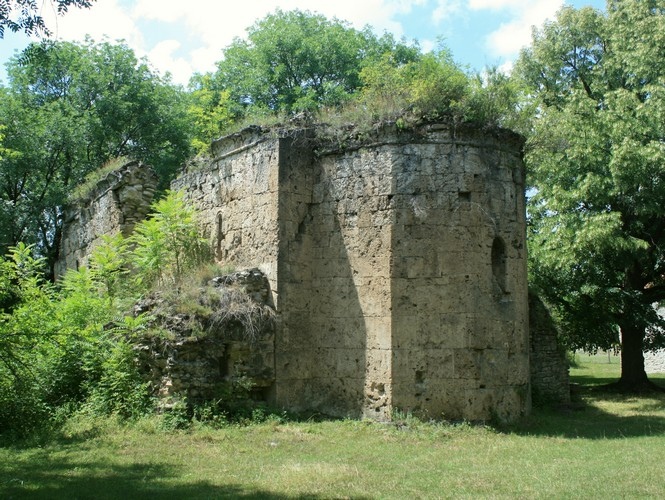
Vejini Tower in Kakheti, Georgia
Vejini, K'akheti, Georgia
Post-Renaissance (17th–18th c.)
Partially Restored

Vejini Tower is a historic tower located in the hills above the village of Vejini, within the Gurjaani municipality of the Kakheti region in eastern Georgia. This tower, dating back to the 18th century, is an example of post-medieval defensive architecture in the region, serving both military and surveillance purposes during its time.

Historical context and location

Situated on the southern slope of a small valley, Vejini Tower overlooks the surrounding landscape, providing strategic views of the area. Directly opposite the tower on the other side of the valley lies the Amagleba Monastery, a medieval religious complex. This proximity suggests that Vejini Tower likely functioned as a lookout post to protect the monastery and nearby settlements from potential threats during the turbulent post-medieval period in Georgia.

Architectural features and design

The tower has a circular ground plan, a common design choice for defensive towers of the era, as circular walls better deflect projectiles and reduce blind spots. It originally had four floors, which would have allowed multiple levels for observation, signaling, and defense. The height and number of floors indicate a significant investment in surveillance capabilities.

The construction materials and techniques reflect local building traditions of the 18th century, with thick stone walls designed to withstand attacks and harsh weather conditions. The tower’s position on a hillside enhanced its visibility and defensive advantage.

Restoration and current condition

Recent years have seen restoration efforts aimed at preserving Vejini Tower, stabilizing its structure, and preventing further deterioration. Although it is described as a tower ruin, the restoration has made it accessible and safe for visitors to explore.

Today, Vejini Tower is freely open to the public, offering visitors a glimpse into the region’s historical defensive architecture and the strategic importance of lookout towers in Georgia’s past.

Significance and cultural heritage

While detailed historical records about Vejini Tower are limited, its role as a watchtower near a significant religious site highlights its importance in local security and communication networks during the post-Renaissance period. Such towers were vital for early warning systems against invasions or raids in the Caucasus region.

Vejini Tower contributes to the cultural landscape of Kakheti, a region known for its rich history, ancient monasteries, and fortifications. It stands as a testament to the defensive strategies employed in rural Georgia during the 18th century.

Visiting information and accessibility

Visitors to Vejini Tower can enjoy a relatively easy hike to the site, which is situated in a scenic area with views of the valley and the nearby Amagleba Monastery. The tower’s open access allows for educational opportunities and cultural tourism, promoting awareness of Georgia’s historical architecture.

Frequently asked questions (FAQ)

How do I get to Vejini Tower?
Vejini Tower is located in the picturesque village of Vejini, Georgia. You can reach it by car or public transport from nearby cities such as Kutaisi or Tbilisi, with local bus services available. Once in Vejini, the tower is a short walk from the village center.
What is the historical significance of Vejini Tower?
Vejini Tower dates back to the Middle Ages and is an important example of Georgian defensive architecture. It served as a fortification to protect the local population and is a testament to the region's rich history and cultural heritage. The tower's design reflects the unique architectural style of the period.
When was Vejini Tower built?
Vejini Tower was constructed in the 10th century, during a time when such structures were vital for defense against invasions. Its enduring presence provides insight into the historical conflicts and social dynamics of the region. Over the centuries, it has witnessed numerous historical events that shaped Georgian history.
Can I enter Vejini Tower?
Yes, visitors are welcome to explore Vejini Tower and its surroundings. Inside, you can see the remnants of its original structure and learn about its history through informative displays. However, it is advisable to check for any guided tours or specific visiting arrangements before your arrival.
Why is Vejini Tower a popular tourist attraction?
Vejini Tower attracts visitors due to its stunning architecture and breathtaking views of the surrounding landscape. Its historical significance and the opportunity to explore a well-preserved medieval structure make it a must-see for history enthusiasts and tourists alike. Additionally, the serene environment adds to the appeal.
Is it possible to visit Vejini Tower year-round?
Yes, Vejini Tower is open to visitors throughout the year, but opening hours may vary by season. It's best to check local tourism websites or contact the administration for the most current information. Visiting during the spring and autumn months can enhance your experience with pleasant weather and beautiful scenery.
What are the ticket prices for Vejini Tower?
Entry to Vejini Tower is typically affordable, with tickets priced to encourage tourism. Discounts may be available for students, seniors, and groups, so it’s worth inquiring at the ticket office. Always verify the latest pricing information before your visit to avoid any surprises.
What are the best nearby attractions to visit?
While in the area, consider visiting the ancient city of Kutaisi, famous for its UNESCO World Heritage Sites, including the Bagrati Cathedral and Gelati Monastery. Additionally, the natural beauty of the nearby Sataplia Nature Reserve offers hiking and cave exploration opportunities. Both attractions complement a visit to Vejini Tower perfectly.
What are the opening hours for Vejini Tower?
Vejini Tower generally opens at 9 AM and closes at 6 PM, but these hours can vary seasonally. It's recommended to check in advance for any changes, especially during holidays. Planning your visit during the day allows you to fully enjoy the views and the historical context of the site.

Information

Hill Castle

Loading map...

Visitor reviews

No reviews yet. Been here? Write the first review and help other travelers!

Write the first review

Visited this castle? Share your experience

Your review helps other travelers and adds first-hand knowledge to our encyclopedia.
Write a review

(5/5)

0/2000 characters

Your review will be visible after admin approval

Nearby castles

19.2 km
Cheremi historic site — Georgia castle

Cheremi historic site

, Georgia

The Cheremi historic site (Georgian: ჭერემის ნაქალაქარი, romanized: ch'eremis nakalakari, literally, "the ruined/former city of Cheremi") is a significant archaeological and historical location in eastern Georgia. It lies in the vicinity of the modern village of Cheremi, within the Gurjaani Municipality of the Kakheti region. The site preserves the remains of an early medieval settlement that once flourished in this part of Georgia.The site includes the ruins of several early medieval churches, a castle with a circuit wall, and various burial grounds. These remnants correspond to the extinct town of Cheremi, which is documented in early medieval Georgian chronicles as an important local center. The presence of multiple churches indicates the religious significance of the town during its period of habitation. The castle ruins with their defensive walls reflect the strategic importance of Cheremi in the region, serving both as a fortified settlement and a local administrative center.Historical context and significanceThe town of Cheremi is first mentioned in Georgian historical sources dating from the early medieval period, highlighting its role within the political and ecclesiastical landscape of Kakheti. The region was a frontier zone between various Georgian principalities and neighboring powers, which necessitated the construction of fortified sites such as the Cheremi castle. The site’s churches suggest that Cheremi was also a religious hub, possibly housing a bishopric or important monastic community.Throughout its history, Cheremi experienced periods of growth and decline, influenced by regional conflicts and shifting political boundaries. The archaeological remains provide insight into the urban layout and architectural styles prevalent in eastern Georgia during the early medieval centuries. The site’s inclusion on the list of the Immovable Cultural Monuments of National Significance underlines its importance for Georgian cultural heritage and the study of medieval Georgian history.Architectural features and layoutCastle and fortificationsThe castle at Cheremi was constructed with defensive priorities in mind, featuring a circuit wall that enclosed the settlement. The wall remnants suggest a robust fortification system designed to protect inhabitants from invasions and raids common in the region during the medieval period. Although much of the structure is now in ruins, the layout indicates a typical early medieval Georgian fortress with strategically placed towers and gate structures.Religious buildingsSeveral church ruins are scattered across the site, representing different phases of construction and architectural styles. These churches were likely built between the 6th and 10th centuries, reflecting the evolution of Georgian ecclesiastical architecture. The churches’ foundations and surviving walls reveal the use of local stone and traditional masonry techniques. Some churches may have served as cathedrals or monastic centers, emphasizing the spiritual role of Cheremi in the region.Burial sitesThe burial grounds found within and around Cheremi provide valuable archaeological data on the funerary practices of the local population. Grave goods and burial types indicate a society with established Christian traditions and social stratification. These burials contribute to understanding the demographic and cultural aspects of the inhabitants during the early medieval period.Archaeological research and preservationExcavations at Cheremi have been ongoing since the 20th century, revealing layers of occupation and a wealth of artifacts that illuminate the daily life, religious practices, and defensive strategies of its medieval residents. The site’s ruins, though partially preserved, require continued conservation efforts to prevent further deterioration.As an archaeological site listed among Georgia’s most important cultural monuments, Cheremi is a focus of scholarly study and cultural tourism. Efforts to document and stabilize the ruins aim to make the site accessible for educational purposes while preserving its historical integrity.Visiting the Cheremi historic siteVisitors to Cheremi can explore the remains of the castle walls, church foundations, and burial sites that together tell the story of this early medieval town. The site’s location in Kakheti offers additional opportunities to experience the region’s rich cultural and natural heritage.Due to the site's archaeological nature and preservation status, access may be limited, and visitors are advised to check local information for visiting hours and guided tours. The site provides a unique glimpse into Georgia’s medieval past, especially for those interested in early Christian architecture and fortifications.

Details
25.5 km

Chailuri Castle

South of the S5 road, Georgia

Chailuri Castle, also known locally as Niakhura Castle, is a historic fortress located south of the village of Patara Chailuri within the Sagarejo municipality of the Kakheti region in Georgia. The castle's strategic position on a small hill allowed it to guard the entrance to the Iori valley, playing a key role in regional defense during the Renaissance period. Together with the nearby Manavi Castle, it formed a defensive barrier protecting routes leading to Tbilisi, the capital of Georgia.Historical context and significanceThe exact date of Chailuri Castle's construction remains uncertain, but architectural and historical evidence suggests it was built in the 16th century, during the Renaissance period. This era in Georgian history was marked by the consolidation of regional principalities and the need for fortified structures to defend against frequent incursions by neighboring powers. The castle’s location was strategically chosen to control access through the Iori valley, a natural corridor that was vulnerable to invasion.While detailed historical records about the castle are scarce, its defensive role is well understood. The castle was part of a network of fortifications that safeguarded the eastern approaches to Tbilisi, underscoring its military importance. The absence of extensive documentation leaves many aspects of its history open to further research.Architectural features and layoutChailuri Castle is notable for its distinctive elongated pentagonal ground plan, a design that reflects Renaissance military architectural principles adapted to local conditions. The castle features four D-shaped towers positioned at four of its corners, which provided strong defensive positions and allowed for flanking fire along the walls. These towers are a key element of the castle’s fortifications, designed to withstand sieges and attacks.The castle’s walls and towers were constructed using local stone, typical of Georgian fortress architecture of the period. The pentagonal shape was likely intended to maximize defensive coverage while conforming to the terrain of the small hill on which it stands. The castle’s entrance and internal layout details are less documented, but the overall form suggests a focus on military functionality rather than residential comfort.Reconstruction and current conditionIn the 1980s, Chailuri Castle underwent a complete rebuilding, which has significantly altered its original fabric. This restoration effort aimed to preserve the castle as a cultural monument but has made it difficult to distinguish between original Renaissance elements and modern reconstruction. The restoration preserved the castle’s general shape and defensive features but introduced new materials and construction techniques.Today, the castle stands as a restored fortress that is freely accessible to visitors. While it retains its historical silhouette and defensive character, the interior is relatively empty, lacking original furnishings or detailed historical displays. The castle offers a quiet and picturesque site for visitors interested in Georgian military architecture and regional history.Visiting Chailuri CastleLocated near the S5 road, Chailuri Castle is easily reachable for travelers exploring the Kakheti region. Its position on a small hill provides scenic views of the surrounding landscape, including the Iori valley. Visitors can explore the castle grounds and towers, appreciating the defensive design and panoramic vistas.Although the castle does not currently feature extensive visitor facilities or guided tours, its open access allows for self-guided exploration. The site is of interest to those studying Georgian fortifications and Renaissance military architecture in the Caucasus region.Nearby attractionsWhile visiting Chailuri Castle, travelers can also explore other historic sites in the Kakheti region, including the nearby Manavi Castle and the ancient town of Sagarejo. Kakheti is renowned for its rich cultural heritage, including traditional Georgian wine-making and historic monasteries, which complement a visit to the castle.

Renaissance (15th–17th c.)
Details
26.8 km

Kvareli Castle

Kvareli, Georgia

Kvareli Castle is a historic fortress located in the heart of Kvareli town within the Kakheti region of eastern Georgia. This castle is an example of a traditional Georgian "galavani", a type of peasant fortress built primarily for local defense during the 16th century. The castle's strategic position in the center of Kvareli town highlights its historical role as a protective stronghold for the local community. Architectural design and features The castle is characterized by its large square ground plan, a common layout for fortifications designed to maximize defensive capabilities. At each of the four corners of the fortress, there are round towers which provided vantage points for surveillance and defense against invaders. Additionally, the castle includes round towers positioned at the midpoint of each side, a feature that enhanced the castle’s ability to cover all approaches with overlapping fields of fire. The walls connecting these towers would have been thick and robust, constructed to withstand attacks and sieges typical of the turbulent Renaissance period in Georgian history. The use of round towers rather than square ones was a defensive innovation that helped deflect projectiles and reduce blind spots. Historical context and usage Built in the 16th century, Kvareli Castle served as a local fortress during a period marked by frequent conflicts and invasions in the Caucasus region. The designation of the castle as a "galavani" indicates its role as a fortified refuge for peasants and local inhabitants rather than a royal or noble residence. This type of fortress was essential for protecting rural communities from raids and military incursions. The castle remained in use until the 18th century, reflecting its sustained importance in local defense over two centuries. Although detailed historical records about specific events involving Kvareli Castle are scarce, its continued use through this period suggests it was a significant stronghold within the Kakheti region. Current condition and visitor information Today, Kvareli Castle stands as a well-preserved example of Georgian Renaissance military architecture, although the interior is not open to visitors and appears to be empty. The exterior walls and towers remain largely intact, allowing visitors to appreciate the castle’s imposing structure and strategic design. Nearby, the Chavchavadze Tower offers additional historical interest, contributing to the cultural heritage of the Kvareli municipality. While the castle's interior cannot currently be explored, its external features provide valuable insight into the defensive architecture of rural Georgian fortifications. Significance in Georgian heritage Kvareli Castle exemplifies the Georgian approach to rural fortification during the Renaissance, reflecting the social and military needs of peasant communities in a volatile region. Its distinctive architectural elements, such as the multiple round towers and square layout, demonstrate practical adaptations to the challenges of defense in the Caucasus landscape. The castle contributes to the understanding of 16th-century Georgian fortifications and offers a tangible connection to the region's historical landscape. It remains an important cultural landmark within the Kakheti region, representing the resilience and strategic ingenuity of local populations during a complex period of Georgian history.

Renaissance (15th–17th c.)
Details

