Tung Lung Fort — China castle

Tung Lung Fort

Tung Lung Fort, a bastioned fortress on Tung Lung Chau, Hong Kong
Post-Renaissance (17th–18th c.)
Partially Preserved

Tung Lung Fort, also known as Fat Tong Fort, is a historic bastioned fortress located on Tung Lung Chau, an island off the southeastern coast of Hong Kong. Constructed in the 18th century during the post-Renaissance period, the fort was strategically built to guard the vital maritime routes and protect the area from piracy and foreign invasions.

Historical context and strategic importance

The fort's establishment reflects the military concerns of the Qing Dynasty in the region, as piracy was a significant threat to trade and local security during that time. Tung Lung Fort was part of a network of coastal defenses designed to safeguard the busy waters around Hong Kong and the Pearl River Delta. Its position on Tung Lung Chau allowed for extensive surveillance over the surrounding sea lanes, making it a critical point for early warning and defense.

Architectural features and design

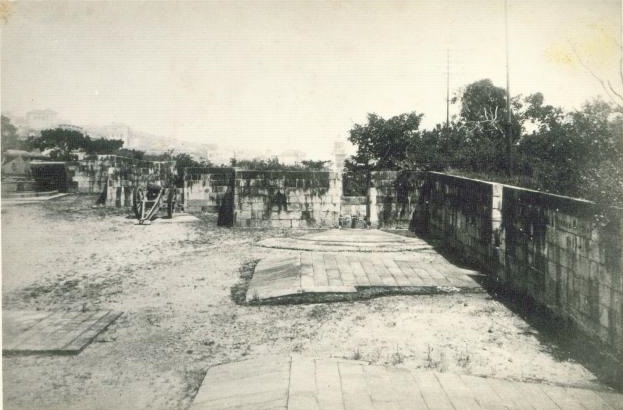
Tung Lung Fort is a classic example of a bastioned fortress, a style that emerged to improve defensive capabilities against artillery attacks. The fort's layout includes thick stone walls arranged in a roughly rectangular plan, reinforced by bastions at the corners to allow defenders to cover all approaches with overlapping fields of fire. These bastions were equipped with cannon emplacements, providing the fort with substantial firepower.

The fortress features a main gate that was heavily fortified, along with internal barracks and storage rooms for ammunition and supplies. The walls are constructed from locally sourced stone, demonstrating the use of durable materials suited to withstand both natural and human threats.

Defensive elements

The fort's design incorporates thick curtain walls and angled bastions to minimize blind spots and maximize defensive coverage. The elevated position on the island also provided a natural advantage, allowing defenders to spot incoming vessels from a distance and prepare accordingly.

Later history and current condition

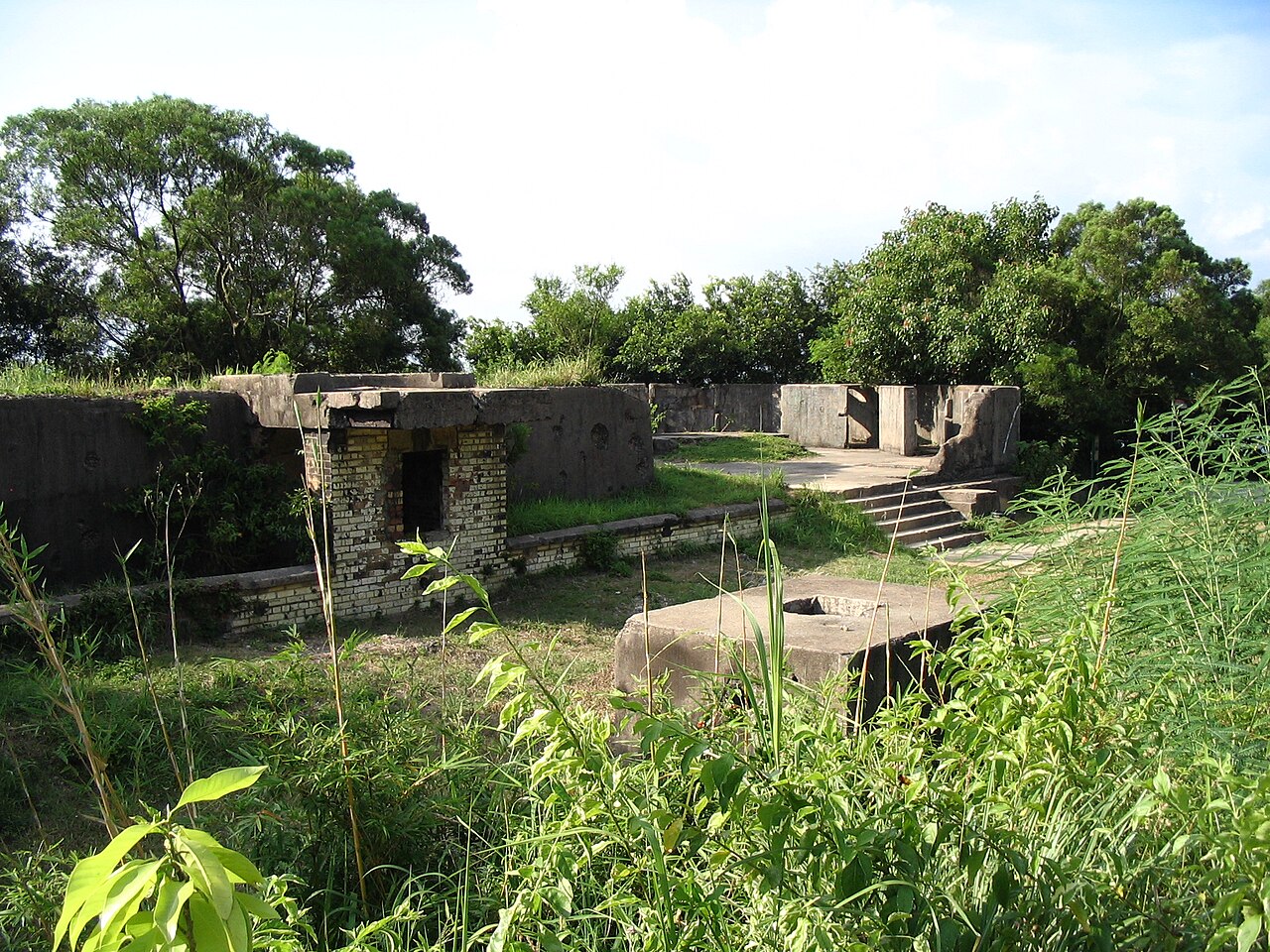
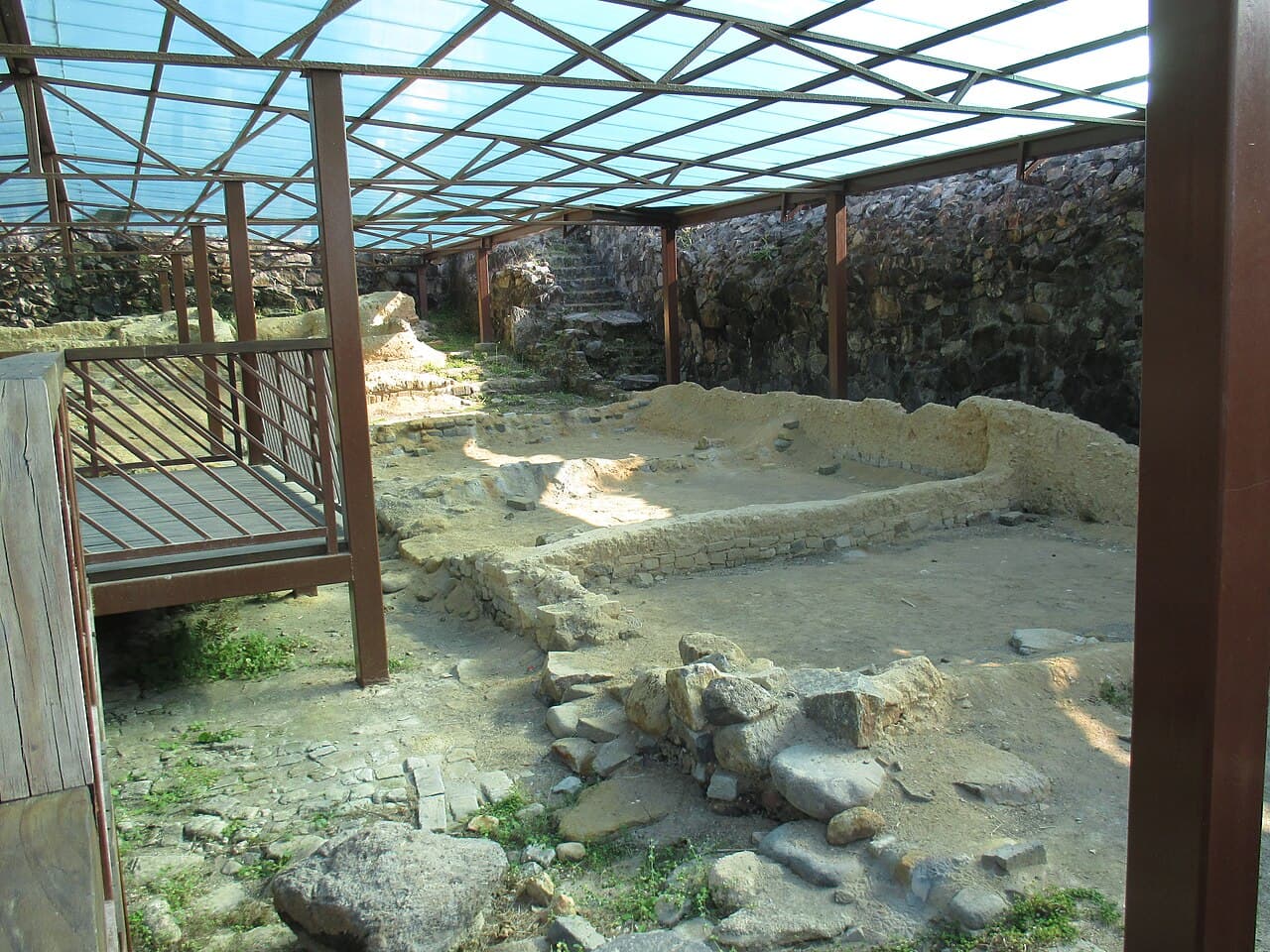
Over time, as piracy declined and military technology evolved, Tung Lung Fort lost its strategic importance. It eventually fell into disuse and became a historical ruin. Today, the fort is recognized as an important cultural heritage site in Hong Kong. The remains of the fort are partially preserved, with some walls and bastions still standing, offering visitors a glimpse into the military architecture of the 18th century.

The site is accessible to the public, often visited by hikers and history enthusiasts who appreciate its scenic location and historical significance. Preservation efforts have been undertaken to maintain the structure and prevent further deterioration, ensuring that Tung Lung Fort remains a valuable link to Hong Kong's coastal defense history.

Visiting Tung Lung Fort

Visitors can reach Tung Lung Fort by boat from various points in Hong Kong. The fort's location on an island means that access requires some planning, but the journey is rewarded with panoramic views of the surrounding sea and the opportunity to explore one of Hong Kong's few remaining historical military sites.

While the fort is largely in ruins, interpretive signs and pathways help guide visitors through the site, highlighting key features and historical context. The natural environment around the fort also offers opportunities for hiking and wildlife observation.

Frequently asked questions (FAQ)

What is Tung Lung Fort known for?
Tung Lung Fort, located in China, is renowned for its historical significance as a military stronghold dating back to the Ming Dynasty. The fort played a crucial role in defending the coastline against invasions and offers stunning views of the surrounding landscape and sea.
When was Tung Lung Fort built?
Tung Lung Fort was constructed in the 17th century during the Ming Dynasty. Its strategic location on Tung Lung Island was chosen to protect the region from pirate attacks and foreign invasions.
How do I get to Tung Lung Fort?
Visitors can reach Tung Lung Fort by taking a ferry from Hong Kong to Tung Lung Island. Once on the island, a short hike will lead you to the fort, making it an accessible adventure for those who enjoy exploring.
What are the opening hours of Tung Lung Fort?
Tung Lung Fort is generally open to visitors throughout the year, but it's advisable to check for specific opening hours as they may vary seasonally. Plan your visit early in the day to enjoy the site with fewer crowds.
Can I take guided tours of Tung Lung Fort?
Yes, guided tours are available for visitors who want to learn more about the fort's history and architecture. These tours provide in-depth insights and can enhance your experience while exploring the site.
Is it possible to hike around Tung Lung Fort?
Absolutely! Tung Lung Fort is surrounded by scenic trails that offer hiking opportunities with picturesque views. The trails vary in difficulty, making it suitable for both casual walkers and more experienced hikers.
What is the best time to visit Tung Lung Fort?
The best time to visit Tung Lung Fort is during the spring and autumn months when the weather is mild and pleasant. These seasons provide ideal conditions for hiking and exploring the fort without the extreme heat of summer.
Are there any nearby attractions to Tung Lung Fort?
Yes, nearby attractions include the beautiful beaches of Tung Lung Island and other historical sites such as the ancient temples. Visitors can also enjoy water activities like snorkeling and swimming in the area.
What are the ticket prices for Tung Lung Fort?
Entry to Tung Lung Fort is generally free, making it an economical choice for visitors. However, some guided tours and activities may have associated fees, so it's best to check in advance for any specific costs.

Photo gallery

Tung Lung Fort
Click to view

Photo by Underwaterbuffalo•CC BY-SA 4.0

1 photo • Click any image to view in full screen

Information

Bastioned Fortress

Loading map...

Visitor reviews

No reviews yet. Been here? Write the first review and help other travelers!

Write the first review

Visited this castle? Share your experience

Your review helps other travelers and adds first-hand knowledge to our encyclopedia.
Write a review

(5/5)

0/2000 characters

Your review will be visible after admin approval

Nearby castles

10.1 km
Stanley Fort — China castle

Stanley Fort

Hong Kong, China

Stanley Fort (Chinese: 赤柱炮台) is a historic bastioned fortress located on the southern end of the Stanley Peninsula on Hong Kong Island. It is situated near the town of Stanley (Chinese: 赤柱, Chek Chue) and lies just south of the Che Pau Teng peak, encompassing the headland of Wong Ma Kok. The fort's strategic position on this peninsula allowed it to serve as a coastal defense point protecting the southern approaches to Hong Kong Island. Historical background and military significance Constructed in the 19th century during the period of British colonial expansion, Stanley Fort was designed as a bastioned fortress to provide robust defense against naval threats. Its architecture reflects military engineering principles of the time, emphasizing strong defensive walls and bastions that allowed artillery to cover multiple angles of approach. The fort played a role in the defense network of Hong Kong, particularly during periods of heightened military tension in the region. Over time, its function evolved from a purely defensive installation to a broader military complex. Architectural features and layout Stanley Fort is characterized by its bastioned design, which includes angled walls and protruding bastions intended to maximize defensive coverage. This design allowed defenders to fire upon attackers from multiple vantage points, minimizing blind spots. The fort's location on a headland gave it natural defensive advantages, with steep slopes on some sides reducing the number of vulnerable approaches. The site also included barracks and support buildings to accommodate troops stationed there. Modern use and current status Today, Stanley Fort is primarily occupied by the Chek Chue Barracks and the Hong Kong Earth Station. The area was redesignated as a military zone in 2000, restricting public access and emphasizing its ongoing strategic importance. The Stanley Fort Gate bus terminus is located just outside the barracks entrance, providing public transport access to the vicinity, although the fort itself remains under military control. Geographical context and surrounding area The fort's position on the Stanley Peninsula places it near several notable natural and urban landmarks. The nearby town of Stanley is a popular tourist destination known for its market and waterfront promenade. The fort overlooks the South China Sea, giving it a commanding view of maritime routes. The surrounding terrain includes the peak of Che Pau Teng and the headland of Wong Ma Kok, both contributing to the fort's defensibility and strategic vantage points. Accessibility and visitor information As a current military installation, Stanley Fort is not generally open to the public. Visitors can view the site from nearby public areas and access the surrounding Stanley region, which offers cultural and recreational attractions.

Modern (19th–20th c.)
Details
14.5 km
Murray Battery — China castle

Murray Battery

Central, China

Murray Battery was a significant artillery battery established in the early 19th century in Central, Hong Kong. Constructed in 1841, shortly after the British took control of Hong Kong during the First Opium War, it was strategically placed on Battery Path beneath Government Hill to defend the colonial government's headquarters and the surrounding area. Historical context and strategic importance The establishment of Murray Battery coincided with the British Empire's efforts to fortify its new possession following the Treaty of Nanking in 1842. The battery was named after Sir George Murray, a British soldier and politician who served as Secretary of State for War and the Colonies. Its primary role was to provide coastal defense against potential naval threats, securing the vital administrative and commercial center of Hong Kong Island. Positioned on Battery Path, the battery overlooked the harbor and was part of a network of fortifications designed to protect the colonial administration and the burgeoning port city. Its guns could cover key approaches to the harbor, deterring enemy ships from attacking the colonial government buildings or disrupting maritime trade. Architectural features and armament As a 19th-century artillery battery, Murray Battery would have featured a series of gun emplacements, protective earthworks, and possibly stone or brick revetments. The design focused on maximizing the field of fire for its cannons while providing defensive cover for the artillery crews. The battery likely included ammunition magazines and support facilities necessary for sustained defense operations. While detailed architectural plans and descriptions of the battery's layout are limited, typical batteries of the period included embrasures for cannons, parapets for protection, and communication lines with nearby military installations. Demolition and legacy Murray Battery was demolished in the 1950s as part of urban redevelopment in Central Hong Kong. Its site was cleared to make way for the Former Central Government Offices, reflecting the changing needs of the city and the diminishing military threat in the post-war period. Although the physical structure no longer exists, Murray Battery remains an important part of Hong Kong's colonial military history. It represents the early defensive efforts of the British Empire in securing its strategic foothold in East Asia and the evolution of Hong Kong from a military outpost to a major international city. Historical significance in hong kong's defense network The battery was part of a broader system of fortifications that included other batteries and forts around Hong Kong Island. This network was essential for maintaining British control over the territory and safeguarding its economic interests during a period of regional instability and imperial competition. Its location beneath Government Hill was particularly strategic, as it protected the center of colonial administration. The battery's presence underscored the military priorities of the early colonial government and its reliance on artillery to deter aggression. Archaeological and heritage considerations Today, Murray Battery is classified as archaeological ruins, with no visible remains above ground. Its historical footprint is preserved through records and the continuing recognition of its role in Hong Kong's colonial past. Efforts to document and interpret such sites contribute to understanding the military architecture and colonial history of the region. The battery's demolition and replacement with government buildings illustrate the dynamic urban development of Central Hong Kong and the shifting functions of the site from military to administrative use.

Modern (19th–20th c.)
Details
16.8 km
Pinewood Battery — China castle

Pinewood Battery

, China

Pinewood Battery is a significant 20th-century bastioned fortress located on Hong Kong Island, within the boundaries of Lung Fu Shan Country Park. Situated at an elevation of 307 metres (1,007 feet) above sea level, it occupies a strategic position in the northwestern part of the island, offering commanding views over the surrounding landscape and the approaches to Victoria Harbour. Historical context and military significance The battery was constructed during the early 20th century as part of the British colonial defense system for Hong Kong. Its primary role was to protect the island and its vital harbor from potential naval threats. The fortification reflects the military engineering principles of its time, designed to mount coastal artillery pieces capable of engaging enemy ships approaching the harbor. During its operational period, Pinewood Battery was an integral component of Hong Kong's layered defense network. It was equipped with heavy guns positioned within fortified bastions that allowed for overlapping fields of fire, enhancing the fortress's ability to repel attacks. The site also included supporting facilities such as ammunition magazines, observation posts, and barracks for the garrison. Architectural features and layout The design of Pinewood Battery exemplifies the bastioned fortress typology, characterized by angular defensive walls projecting outward to cover adjacent walls with gunfire. The battery's layout is adapted to the rugged terrain of the hillside, with terraced platforms accommodating the artillery pieces and allowing for optimal firing arcs. Key architectural elements include the robust concrete gun emplacements, protective parapets, and interconnected underground passages that provided safe movement for personnel and munitions. The site’s construction utilized reinforced concrete, a modern material at the time, reflecting advancements in military fortification techniques. Defensive structures The bastions are reinforced with thick walls designed to withstand bombardment, and the positioning of the guns allowed for both direct and indirect fire. Observation posts were strategically placed to monitor enemy movements and coordinate defensive actions. The battery’s elevated position gave it a tactical advantage, enabling early detection of approaching vessels. Post-military use and preservation Following its decommissioning, Pinewood Battery was incorporated into Lung Fu Shan Country Park, preserving the site as a historical landmark. It is now accessible to the public, serving as a cultural heritage site that offers insight into Hong Kong's military past. Visitors can explore the remains of the gun emplacements, defensive walls, and other structures, which remain in a partially preserved state. The site provides educational opportunities about early 20th-century military architecture and the strategic importance of Hong Kong in regional defense. Efforts have been made to maintain the battery's structural integrity while allowing for safe public access. Visiting Pinewood Battery Visitors to Pinewood Battery can enjoy panoramic views of Hong Kong Island and the surrounding waters. The site is accessible via hiking trails within Lung Fu Shan Country Park, making it a popular destination for history enthusiasts and nature lovers alike. Interpretive signage at the site helps contextualize the battery’s historical and architectural significance. Accessibility and visitor information The battery is open year-round, though access is primarily by foot through the country park’s trail network. Visitors are advised to wear appropriate footwear and bring water, as the terrain can be uneven. There is no entrance fee, making it an accessible historical attraction for both locals and tourists. Significance in Hong Kong’s heritage Pinewood Battery stands as a rare example of early 20th-century coastal defense fortifications in Hong Kong. Its preservation allows for a tangible connection to the military history of the region and the strategic considerations that shaped Hong Kong’s development as a major port city. The battery’s integration into a natural park setting also highlights the balance between heritage conservation and environmental preservation.

Contemporary (20th–21st c.)
Details