Tre Kronor Castle
Tre Kronor Castle, known in Swedish as Tre Kronor ([ˈtreː ˈkrûːnʊr] or [ˈtreː ˈkrûːnɛr]), was a significant medieval fortress situated in Stockholm, Sweden. It stood on the site where the present-day Stockholm Palace now dominates the cityscape. The castle's origins trace back to the 13th century, when it was initially established as a citadel by the influential statesman Birger Jarl. Over time, it evolved into a royal residence and military stronghold, serving as a symbol of royal authority and defense for the emerging Swedish kingdom.
Historical development and significance
The castle's name, Tre Kronor (meaning "Three Crowns"), is believed to have been adopted during the reign of King Magnus Eriksson in the mid-14th century. This emblematic name reflected the castle's role as a royal seat and its association with the Swedish national coat of arms, which features three crowns as a heraldic symbol.
Throughout the high medieval period, Tre Kronor Castle was central to the political and military life of Sweden. It housed the royal family, served as a defensive fortress protecting Stockholm, and functioned as a center for administration and governance. The castle's strategic location on an island in the Stockholm archipelago provided natural defenses, augmented by its fortifications.
Architectural features and layout
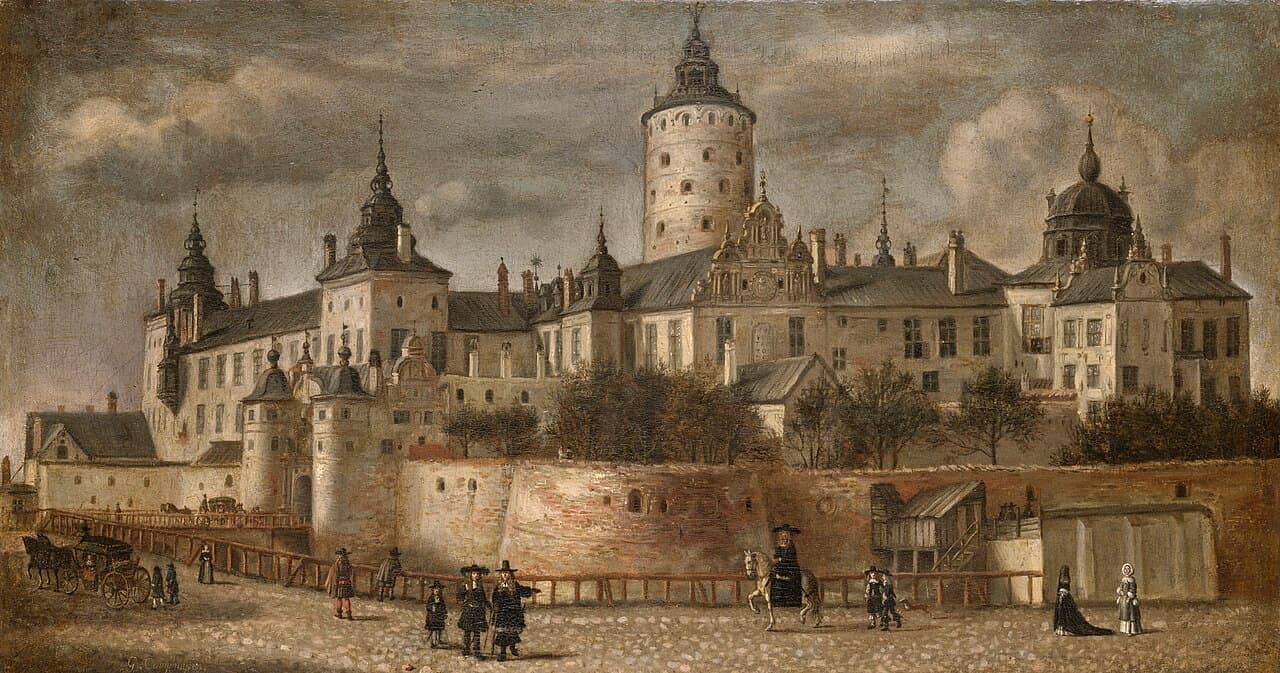
While much of the original structure has been lost, historical records and archaeological research suggest that Tre Kronor Castle featured a combination of stone walls, towers, and gates typical of medieval fortifications. The castle included a keep or donjon serving as the main stronghold, surrounded by curtain walls and defensive towers. The complex likely contained courtyards, residential chambers, and royal halls used for official functions.
The castle's fortifications were adapted over the centuries to meet changing military needs, including the addition of bastions and artillery defenses during the late medieval period. Its position on the island also meant that it was surrounded by water, enhancing its defensive capabilities as a water castle.
The great fire of 1697 and aftermath
On May 7, 1697, a catastrophic fire engulfed Tre Kronor Castle, resulting in the destruction of much of the structure. The blaze consumed the royal archives and a large portion of Sweden's national library, causing a significant loss of historical documents and cultural heritage. This event has left a gap in Sweden's early historical records, making the study of the nation's medieval past more challenging.
Following the fire, the ruins of Tre Kronor Castle were cleared, and the construction of the current Stockholm Palace began on the site. The new palace was designed in the Baroque style and completed in the 18th century, serving as the main royal residence to this day.
Archaeological investigations and legacy
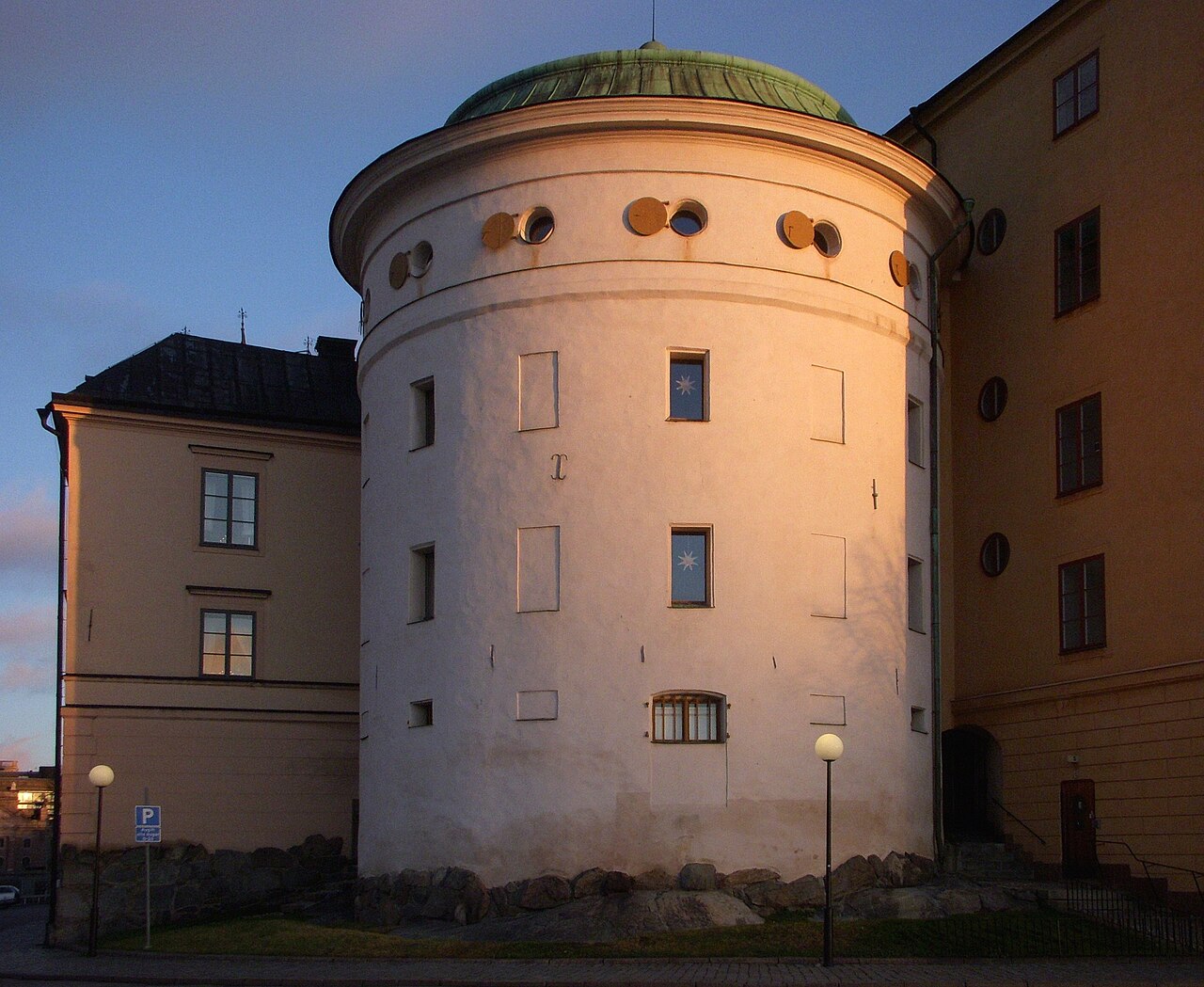
Today, Tre Kronor Castle exists primarily as an archaeological site beneath the foundations of Stockholm Palace. Excavations have revealed remnants of the castle's walls, foundations, and artifacts that offer insights into medieval Swedish architecture and royal life.
The castle remains a significant cultural and historical symbol in Sweden, representing the medieval origins of Stockholm and the Swedish monarchy. It is commemorated through museum exhibits and historical research that highlight its role in shaping Sweden's national identity.
Visiting and educational opportunities
While the original castle no longer stands, visitors to Stockholm Palace can learn about Tre Kronor Castle through guided tours, exhibits, and displays that showcase archaeological finds and historical narratives. These educational resources provide context about the castle's construction, its destruction, and its importance in Swedish history.
The site offers a unique opportunity to explore the medieval heritage of Stockholm and understand the evolution of royal architecture from the high medieval period to the present.
Frequently asked questions (FAQ)
- When was Tre Kronor Castle originally built?
- Tre Kronor Castle was originally built in the 13th century, likely by Birger Jarl, as a citadel that later became a royal castle.
- What caused the destruction of Tre Kronor Castle?
- The castle was destroyed by a major fire on May 7, 1697, which also destroyed much of Sweden's national library and royal archives.
- Can visitors see the remains of Tre Kronor Castle today?
- Yes, the remains of Tre Kronor Castle are preserved as an archaeological site beneath Stockholm Palace, and visitors can learn about it through exhibits and guided tours.
- What was the architectural style of Tre Kronor Castle?
- Tre Kronor Castle featured medieval stone fortifications typical of the high medieval period, with elements of a water castle due to its island location.
- Why is Tre Kronor Castle significant in Swedish history?
- It was a central royal fortress and administrative center during the high medieval period and symbolizes the origins of Stockholm and the Swedish monarchy.
Photo gallery

Photo by Govert Dircksz Camphuysen•Public domain
Information
Current owner
Swedish National Heritage Board
Loading map...
Visitor reviews
No reviews yet. Been here? Write the first review and help other travelers!
Write the first reviewVisited this castle? Share your experience
Your review helps other travelers and adds first-hand knowledge to our encyclopedia.