Tortum Castle
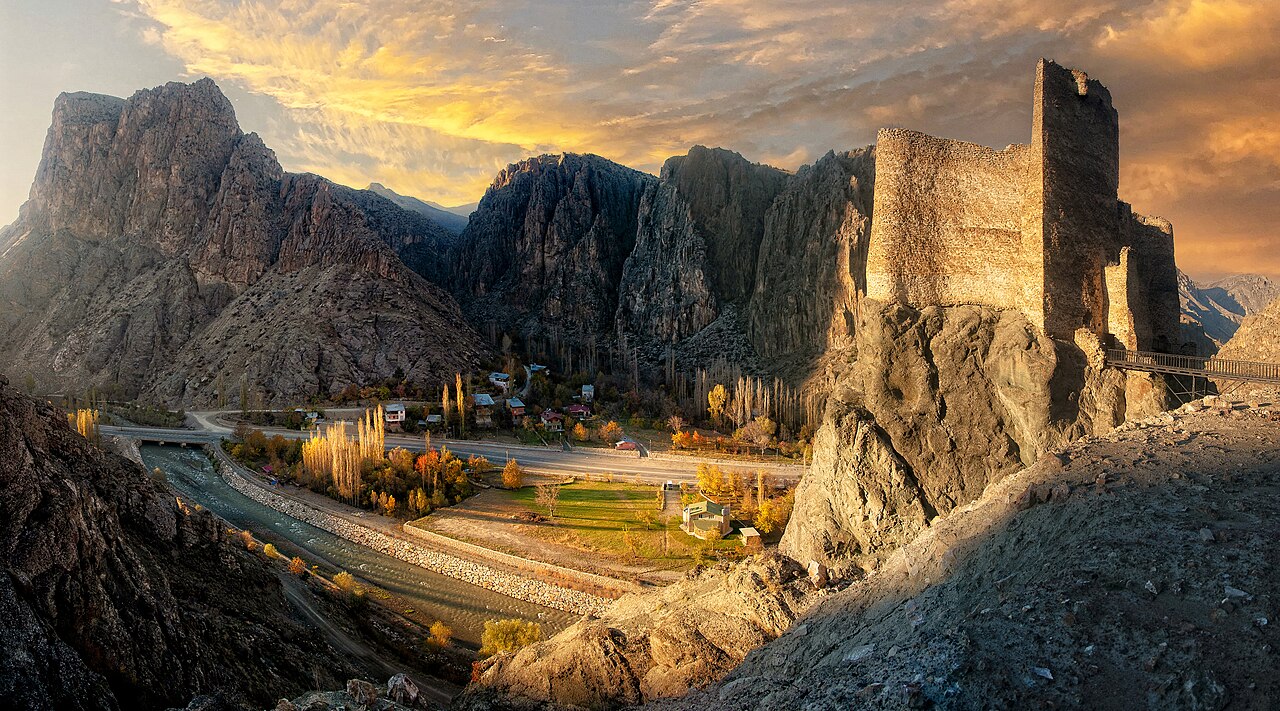
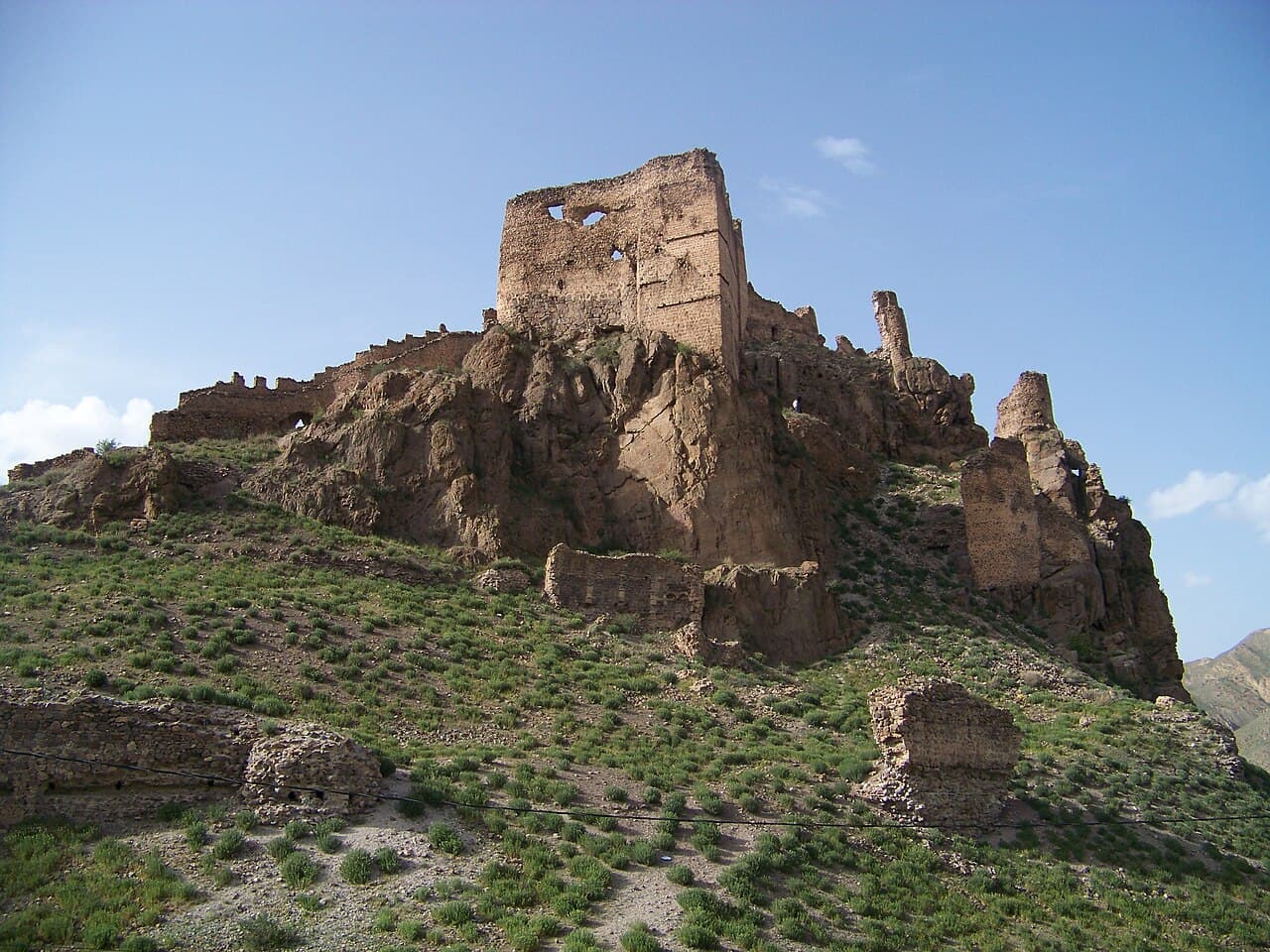
Tortum Castle, locally known as Tortum Kalesi, is a historic fortress situated on a rocky ridge near the village of Tortumkale in the Erzurum province of Turkey. This hill castle commands a strategic position overlooking a valley, which historically provided a natural defense and a vantage point for controlling the surrounding region.
The exact date of the castle's initial construction remains unknown, but it is generally believed that the current structure was established by a Georgian king during the medieval period, possibly incorporating remnants of an earlier fortress. The castle was historically referred to as Mameroz or Mamerol, names that reflect its Georgian heritage and significance in the Caucasus region.
Medieval history and changing rulers
Tortum Castle experienced a complex history of conquest and control, reflecting the turbulent politics of eastern Anatolia and the Caucasus. In 1282, the castle was seized by the Seljuk Turks, a major power in the region during the late medieval period. However, the Georgians managed to recapture it shortly thereafter, demonstrating the ongoing contest for dominance in this borderland.
This Georgian control was brief, lasting only about a week before the Seljuks regained possession. From that point onward, the castle remained under Turkish control, marking a significant shift in regional power.
Over the centuries, the castle was modified and adapted by various rulers, including the Iranians, Byzantines, Georgians, Ilkhanids, Ak Koyunlu, and Ottoman Turks. Each group left architectural and structural marks on the fortress, reflecting evolving military technologies and styles.
Architectural features and layout
The castle is built on a ridge that provides natural defenses, with its northern facade being the best preserved section. This facade includes a prominent western tower notable for its horizontal wooden beams inserted between the stonework. These beams are unusual and their exact function is unclear, but they may have served structural or defensive purposes. Similar construction techniques have been observed at Peterek Castle, suggesting a regional architectural tradition.
Below the main fortress, there are ruins believed to be the remains of baths, indicating the castle’s role as a residential and administrative center, not merely a military outpost. The presence of such facilities points to the castle's importance in local governance and daily life during its occupation.
Access and preservation
Tortum Castle is currently freely accessible to visitors, although reaching the site requires climbing a steep slope covered in loose gravel, which may be challenging for some. Despite this, the castle remains a significant historical site, offering insights into the layered history of the region and the diverse cultural influences that shaped its architecture.
Its condition is best described as partially preserved, with some sections well maintained while others are in ruins. The castle's enduring presence on the landscape serves as a testament to the strategic importance of this location throughout the medieval period and beyond.
Historical significance and cultural context
Tortum Castle’s history encapsulates the dynamic and often contested nature of eastern Anatolia, where empires and kingdoms intersected. Its Georgian origins highlight the cultural and political connections between the Caucasus and Anatolia, while its later Turkish control reflects the expansion of Turkish powers in the late medieval and early modern periods.
The castle’s architectural evolution, influenced by various rulers including the Byzantines and Ilkhanids, illustrates the region’s role as a crossroads of civilizations. Each layer of construction and modification adds to the complex narrative of military strategy, cultural exchange, and regional governance.
Georgian and turkish architectural influences
The blend of Georgian and Turkish architectural elements makes Tortum Castle a valuable site for studying medieval fortification styles in this border region. The use of wooden beams within stone walls, for example, is a distinctive feature that may reflect local adaptations to seismic activity or defensive needs.
Potential for further research
Despite its historical importance, Tortum Castle remains relatively understudied. Archaeological investigations could shed more light on its construction phases, the function of its unique architectural features, and the daily life of its inhabitants. Such research would enhance understanding of the castle’s role within the broader history of Anatolia and the Caucasus.
Visitors to Tortum Castle can appreciate not only its dramatic setting and architectural details but also the rich tapestry of history it represents, spanning several centuries and multiple cultures.
Frequently asked questions (FAQ)
- How do I get to Tortum Castle and what should I expect when visiting?
- Tortum Castle is located near the village of Tortumkale in Erzurum province. Visitors should be prepared for a steep climb over loose gravel to reach the castle, which is freely accessible to the public.
- What is the historical significance of Tortum Castle?
- Tortum Castle reflects the complex history of eastern Anatolia, having been controlled by Georgians, Seljuk Turks, Byzantines, and Ottomans. It illustrates the region's strategic importance and cultural exchanges through medieval times.
- Are there any unique architectural features at Tortum Castle?
- Yes, the castle’s western tower features unusual horizontal wooden beams inserted between stonework, a construction technique also found at nearby Peterek Castle, possibly for structural reinforcement or defense.
- Is Tortum Castle well preserved and safe for visitors?
- The castle is partially preserved with some well-maintained sections and others in ruins. Visitors should exercise caution due to uneven terrain and the steep approach but can explore the site freely.
Photo gallery

Photo by Jaba1977•Attribution
Information
Address
Tortumkale Köyü Yolu, Turkey
Loading map...
Visitor reviews
No reviews yet. Been here? Write the first review and help other travelers!
Write the first reviewVisited this castle? Share your experience
Your review helps other travelers and adds first-hand knowledge to our encyclopedia.