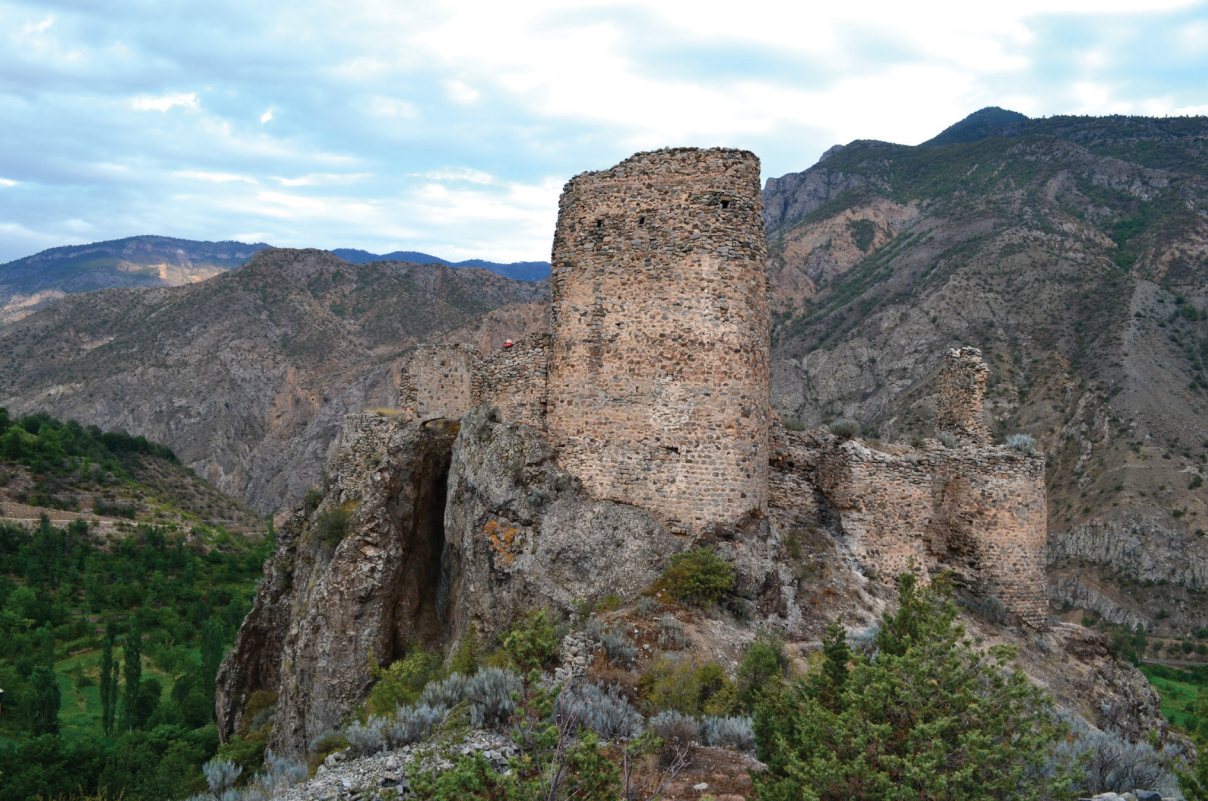
Sapaca Castle

Sapaca Castle near Sapaca Köyü Yolu, Erzurum, Turkey
Near Sapaca Köyü Yolu, Turkey

Sapaca Castle, known locally as Sapaca Kalesi, is situated on a prominent hill overlooking the village of Sapaca in the Erzurum Province of eastern Turkey. This castle occupies a strategic vantage point, typical of many hilltop fortifications constructed in the region to control surrounding routes and settlements.

Despite its imposing location, historical and architectural details about Sapaca Castle remain scarce. The castle has not been extensively studied or documented in academic literature, and no comprehensive archaeological excavations have been reported. As a result, the precise construction period, original builders, and detailed architectural style are currently unknown. Local accounts suggest it may date back to the medieval period, possibly serving as a defensive outpost during various regional conflicts, but this remains speculative without firm evidence.

Location and setting

The castle is perched on a hill above the village of Sapaca, accessible only by footpaths that are not well maintained or clearly marked. The surrounding terrain is rugged and mountainous, characteristic of the Erzurum region, which has historically been a crossroads of civilizations due to its position near the Caucasus and Anatolian highlands.

This elevated position would have provided the castle with commanding views over the valley below, allowing occupants to monitor movement and defend against invaders. The natural topography likely influenced the castle's layout, with defensive walls and towers adapted to the contours of the hill.

Architectural features and condition

Currently, Sapaca Castle exists mainly as ruins, with limited visible remains. The lack of a clear path and the absence of formal archaeological study have left much of its structure obscured by vegetation and time. From what can be observed, the castle likely included typical features such as stone defensive walls, battlements, and possibly watchtowers, consistent with hill castles in the region.

The castle's construction would have utilized local stone materials, shaped to fit the natural rock formations of the hill. The defensive design would have focused on protection from siege and control of the surrounding landscape.

Accessibility and visitor experience

Visitors to Sapaca Castle should be prepared for a challenging approach, as established trails are lacking and the terrain is steep. Local villagers have indicated that a footpath exists, which takes approximately ten minutes to reach the castle from the village. However, this path is not officially maintained, and visitors may need to rely on local guidance.

During visits, travelers often engage with local residents who provide hospitality and share oral histories, although detailed historical knowledge about the castle is limited among the community. The castle's remote and undeveloped nature offers a raw and authentic experience for those interested in exploring lesser-known historical sites.

Historical context and significance

While specific records about Sapaca Castle are lacking, its existence reflects the broader historical pattern of fortification construction in eastern Anatolia. This region has seen numerous empires and peoples, including Byzantine, Seljuk, and Ottoman influences, all of whom built and utilized castles for military and administrative control.

Given Erzurum's strategic importance on trade and military routes, Sapaca Castle likely played a role in local defense networks, although the scale and duration of its use remain unclear. Further research and archaeological investigation could shed light on its origins and role in regional history.

Potential for future research and preservation

Sapaca Castle represents an opportunity for archaeological study to uncover the layers of history embedded in this site. Preservation efforts could help protect the ruins from natural decay and promote sustainable tourism in the area.

Engagement with local communities and authorities would be essential to develop access and interpretive resources, allowing visitors to appreciate the castle's historical and cultural context while respecting its fragile condition.

Frequently asked questions (FAQ)

What is the historical significance of Sapaca Castle?
Sapaca Castle, located near Sapaca Köyü Yolu in Turkey, dates back to the medieval era and played a crucial role in the region's defense against invasions. Its strategic position allowed it to oversee important trade routes, making it a vital fortress during times of conflict.
When was Sapaca Castle built?
The construction of Sapaca Castle is believed to have taken place in the 12th century, showcasing the architectural styles of that period. Over the centuries, it has undergone several restorations, preserving its historical essence while adapting to modern visitors' needs.
What are the opening hours for visiting Sapaca Castle?
Sapaca Castle is open to visitors every day from 9 AM to 6 PM. However, it is advisable to check for any seasonal changes in operating hours before planning your visit.
Can I access Sapaca Castle by public transportation?
Yes, you can reach Sapaca Castle via local buses or taxis from nearby towns. However, be prepared for a short walk from the nearest public transport stop to the castle itself.
Is there an entrance fee to visit Sapaca Castle?
Yes, there is a nominal entrance fee to visit Sapaca Castle, which helps in the maintenance and preservation of this historical site. Ticket prices are affordable, making it accessible for most visitors.
What is the best time to visit Sapaca Castle?
The best time to visit Sapaca Castle is during the spring and autumn months when the weather is mild and pleasant. This allows for a more enjoyable exploration of the castle and its surroundings.
Are there any nearby attractions to visit after Sapaca Castle?
Yes, there are several nearby attractions, including local museums and natural parks that showcase the rich culture and beauty of the region. Exploring the surrounding area can provide a more comprehensive understanding of the history and landscape.
What architectural features can I expect to see at Sapaca Castle?
Sapaca Castle features impressive stone walls, towers, and battlements typical of medieval fortresses. Visitors can appreciate the craftsmanship and defensive structures that have stood the test of time, offering a glimpse into the architectural techniques of the era.

Loading map...

Visitor reviews

No reviews yet. Been here? Write the first review and help other travelers!

Write the first review

Visited this castle? Share your experience

Your review helps other travelers and adds first-hand knowledge to our encyclopedia.
Write a review

(5/5)

0/2000 characters

Your review will be visible after admin approval

Nearby castles

8.5 km
Üngüzek Castle — Turkey castle

Üngüzek Castle

Near D950, Turkey

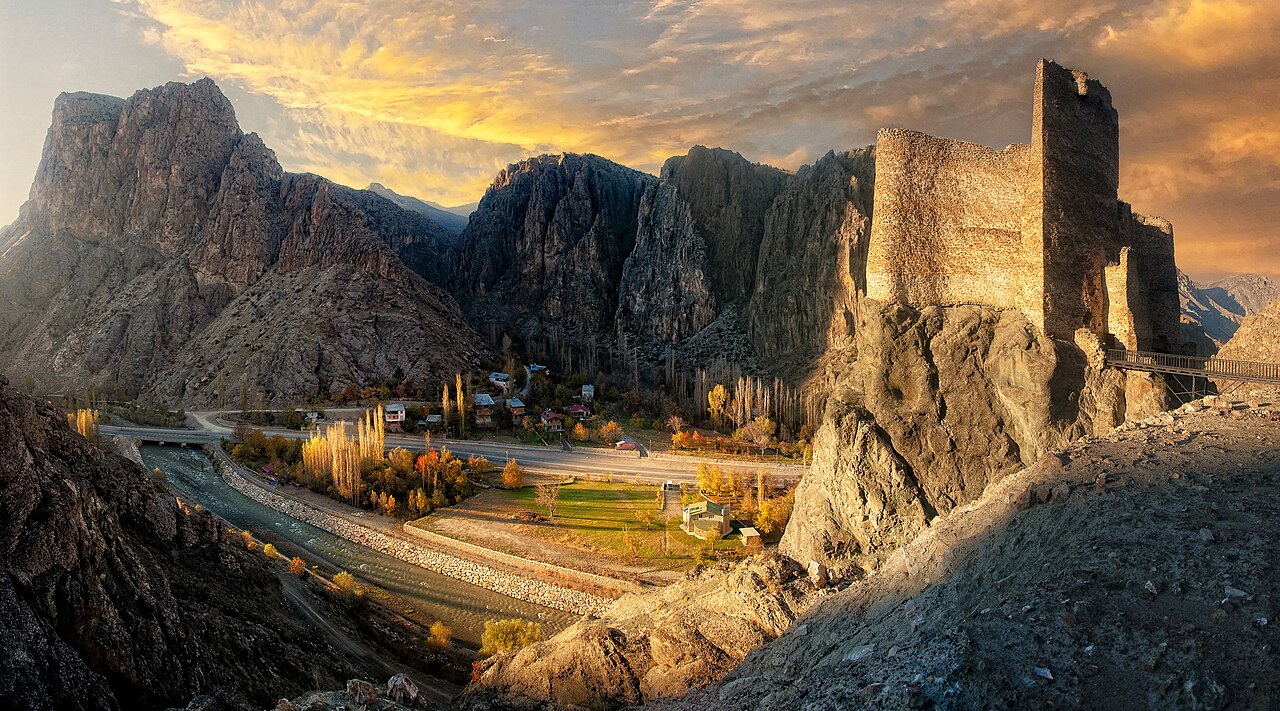
Üngüzek Castle, also known locally as Üngüzek Kalesi, is a striking medieval fortress located near the town of Uzundere in the Erzurum province of Turkey. Perched on a very steep cliff overlooking the Tortum river and the main road connecting Erzurum to Artvin, the castle commands a strategic vantage point that highlights its historical military significance. The castle's dramatic setting on the edge of a cliff offers expansive views of the surrounding landscape, emphasizing its role in defense and surveillance during its active use. The castle is known by several names, including Dikyar Kalesi and Aǧcakale, reflecting its proximity to the nearby Dikyar village and local naming variations. A road sign near the site refers to it as Engüzekkapi Kalesi, although this name is less commonly documented. These multiple names indicate a layered local history and the castle's importance in regional identity. Historical context and uncertain origins The precise origins of Üngüzek Castle remain unclear due to limited historical records. It is generally believed to have been constructed during the Middle Ages, possibly by Turkish beys who controlled the region. However, some theories suggest Byzantine or Genoese involvement in its construction, reflecting the complex political and military dynamics of northeastern Anatolia during the medieval period. This uncertainty highlights the castle's position at a crossroads of cultures and powers. Architectural features and layout Üngüzek Castle is classified as a bastioned fortress, a type of fortification characterized by projecting bastions designed to improve defensive capabilities by allowing enfilading fire along the walls. The fortress structure integrates naturally with the cliff's rugged terrain, enhancing its defensibility. The castle's walls and bastions are built to conform to the cliff face, making it a formidable stronghold against potential attackers. Unique north side structure One of the most distinctive architectural elements of Üngüzek Castle is a peculiar structure on its north side resembling a beehive attached to the cliff wall. This feature is interpreted as a covered staircase descending from the castle's summit nearly halfway down the cliff. Its design suggests it was intended to provide safe and concealed access to a freshwater stream at the cliff's base, essential for the castle's inhabitants during sieges or prolonged occupation. Interior remains and facilities Inside the castle, there are reported remains of a shrine, a bakery, and a bath, indicating that the fortress was not only a military installation but also supported daily life and religious practices. These features reflect the self-sufficiency expected of a medieval fortress designed to withstand sieges. Access to these interior areas is challenging due to the castle's precarious location and the difficult terrain, which has limited detailed archaeological exploration. Access and current condition Üngüzek Castle is situated in a remote and rugged area, requiring visitors to hike approximately 20 minutes uphill over loose gravel and through dense shrubs to reach its base. The steepness of the cliff and the challenging terrain contribute to the castle's excellent preservation by limiting human interference. The fortress is currently in a partially preserved state, with many of its defensive structures still visible but some areas inaccessible due to natural erosion and safety concerns. Significance and cultural heritage While Üngüzek Castle lacks extensive historical documentation, its architectural features and strategic placement underscore its importance in the defense systems of medieval northeastern Anatolia. The fortress represents the complex interactions between various powers, including Turkish beys, Byzantines, and possibly Genoese merchants or military forces. Its preservation offers valuable insights into medieval military architecture adapted to challenging landscapes. Üngüzek Castle remains a fascinating destination for historians, archaeologists, and adventurous visitors interested in medieval fortifications and the rich cultural tapestry of the Erzurum region. Its unique structures and commanding location continue to draw attention despite the limited accessibility and sparse historical records.

Late Medieval (14th–15th c.)
Details
18.8 km

Iğdeli Castle

Near İğdeli Köyü Yolu, Turkey

Iğdeli Castle, locally known as Iğdeli Kalesi, is a historic fortress situated on a mountain northeast of the village of İğdeli in the Erzurum province of Turkey. This castle is notable for its strategic location atop a ridge, providing commanding views of the surrounding landscape, which was essential for defense in its time. The castle's construction primarily uses rubble masonry, a common building technique in the region that involves rough stones set in mortar, indicative of a practical approach to fortification during its era. Architectural layout and structural features The castle is divided into two main parts: an upper castle and a lower castle, which are connected by a defensive wall running over the ridge. The upper castle remains accessible to visitors today, allowing exploration of its defensive walls and remnants of internal structures. However, the lower castle is currently inaccessible, possibly due to deterioration or safety concerns. To the northwest of the castle lies a relatively flat area on the mountain, which is believed to have functioned as an outer bailey. This space includes the ruins of a small chapel and fragments of additional walls, suggesting a complex that supported both military and possibly religious activities. The presence of the chapel ruins points to the castle's role not only as a military stronghold but also as a center of community or religious significance. Historical context and significance Unfortunately, there is a scarcity of detailed historical records or documentation about Iğdeli Castle. Its precise date of construction and the identities of its builders remain unknown, which is not uncommon for many regional fortifications in Eastern Anatolia. The castle's design and materials suggest it could date back to the medieval period, possibly serving as a local defensive site during times of regional conflict or as a watchpoint overseeing important routes. The strategic location in Erzurum province, a historically significant area that has seen various empires and cultures, indicates that Iğdeli Castle may have played a role in local defense networks. Erzurum itself has been a crossroads of civilizations, including Byzantine, Seljuk, and Ottoman influences, which might have affected the castle's use and modifications over time. Access and preservation status Iğdeli Castle is freely accessible to visitors, although there is no clearly marked path leading to the site, which may require some effort to reach. The castle's condition is best described as partially preserved, with significant portions of the walls and structures still standing, especially in the upper castle area. However, the lower castle and some outer structures are in ruins or inaccessible. One notable modern impact on the site is the presence of a cement factory at the foot of the mountain, which affects the surrounding environment and detracts somewhat from the castle's natural setting. Despite this, the castle remains a valuable cultural and historical landmark, offering insight into the region's medieval fortifications and architectural practices. Architectural characteristics and construction techniques The use of rubble masonry in the castle's construction reflects a pragmatic approach to building with locally available materials. This technique involves using irregularly shaped stones bonded with mortar, which was effective for creating thick defensive walls capable of withstanding attacks and the elements. The defensive wall connecting the upper and lower castles follows the natural ridge line, maximizing the defensive advantage provided by the terrain. The layout suggests careful planning to utilize the mountain's topography for protection and surveillance. Religious and auxiliary structures The chapel ruins in the outer bailey area indicate the presence of religious facilities within the castle complex. Such chapels were common in medieval castles, serving the spiritual needs of the garrison and local inhabitants. The small size of the chapel ruins suggests it was likely a modest structure, typical of rural or frontier fortifications. Visiting information and tourism potential Visitors to Iğdeli Castle should be prepared for a somewhat rugged journey, as the lack of a marked path requires navigation skills and physical effort. The castle offers a unique opportunity to explore a less-visited historical site in Erzurum, providing panoramic views and a tangible connection to the area's medieval past. While there are no formal visitor facilities or guided tours currently available, the castle's open access allows for independent exploration. The nearby village and the natural surroundings contribute to the experience, although visitors should be mindful of the industrial activity nearby.

Details
25.2 km
Peterek Castle — Turkey castle

Peterek Castle

Near D050, Turkey

Peterek Castle, also known locally as Peterek Kalesi or Çevreli Kalesi, is a medieval fortress situated on a prominent rocky outcrop above the village of Çevreli in the Artvin province of northeastern Turkey. This hill castle commands a strategic position overlooking the northern shore of the Çoruh River, a vital waterway that historically served as a conduit for trade and military movements in the region. The exact date of Peterek Castle's construction remains uncertain, but it is generally attributed to the medieval period and linked to the Bagratid dynasty, a prominent Georgian royal house that exerted influence over parts of the Caucasus and northeastern Anatolia during the Middle Ages. The castle was originally known as Pert-Egrek, a name that gradually evolved into Peterek, before the adjacent village was renamed Çevreli. Architectural features and construction Built primarily from rubble masonry, Peterek Castle exhibits typical characteristics of medieval fortifications in the region. The use of locally sourced stone rubble bound with mortar provided a robust and economical construction method suited to the rugged terrain. The castle's walls are mostly intact on the western, northern, and southern sides, while the eastern walls have suffered partial collapse or erosion over time. One of the most distinctive architectural details visible on the castle's exterior is a horizontal wooden beam embedded within the stonework of an outer wall. This feature is unusual and not widely documented, though a similar construction element has been noted at Tortum Castle nearby. The purpose of this beam remains unclear but may have served structural or defensive functions, such as reinforcing the masonry or supporting wooden hoardings or scaffolding. Historical significance and strategic location Peterek Castle was historically one of the largest and most important fortresses in the Çoruh valley, a region that has seen numerous cultural and political changes due to its position at the crossroads of Anatolia and the Caucasus. The castle's elevated position provided commanding views of the surrounding landscape, allowing defenders to monitor and control movement along the river and nearby routes. The castle's association with the Bagratid dynasty ties it to a broader historical context of medieval Georgian and Armenian influence in the area. The Bagratids were known for constructing numerous fortresses and churches, contributing to the architectural and cultural heritage of the region. Access and current condition Today, Peterek Castle is freely accessible to visitors, though reaching it can be challenging due to the lack of clearly marked paths. Local villagers have traditionally assisted travelers in finding the route to the castle, which remains a point of interest for history enthusiasts and hikers. The castle's preservation status is generally good, with most exterior walls still standing, except for the eastern side which has deteriorated. Its location on a rocky hill has helped protect it from extensive damage, but concerns exist regarding the impact of modern development projects, particularly the construction of the Yusufeli Dam reservoir. This dam, currently under construction downstream, may affect the surrounding environment and potentially the castle's accessibility and preservation. Peterek Castle in the context of regional heritage As a medieval hill castle in the Artvin region, Peterek Castle contributes to the understanding of the area's historical defensive networks and settlement patterns. It exemplifies the architectural styles and military strategies employed by the Bagratid rulers and their successors in controlling key transit corridors. Despite limited detailed historical records, the castle remains an important cultural landmark. Its rugged construction, strategic siting, and enduring presence offer valuable insights into the medieval history of northeastern Turkey and the broader Caucasus frontier.

Details