Tokaj Castle
Tokaj Castle is a historic hill castle located in the Tokaj region of northeastern Hungary. It is situated on a prominent hill overlooking the town of Tokaj, an area renowned for its world-famous Tokaji wine. The castle's strategic position enabled it to control important trade routes and defend the region during the medieval period.
Medieval origins and architectural features
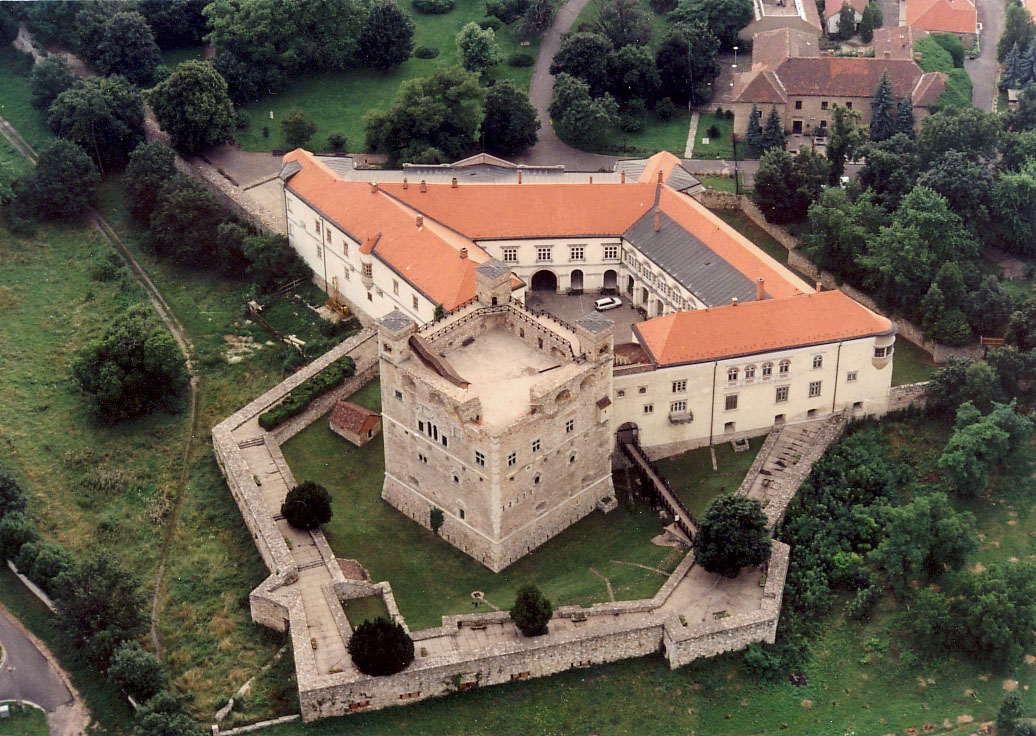
The origins of Tokaj Castle date back to the 13th century, during the high medieval period. It was initially constructed as a fortification to protect the northeastern borderlands of the Kingdom of Hungary from invasions. The castle was built primarily of stone, featuring a keep or donjon as its central stronghold. Surrounding the keep was a defensive wall with battlements and towers designed to provide vantage points for archers and lookouts.
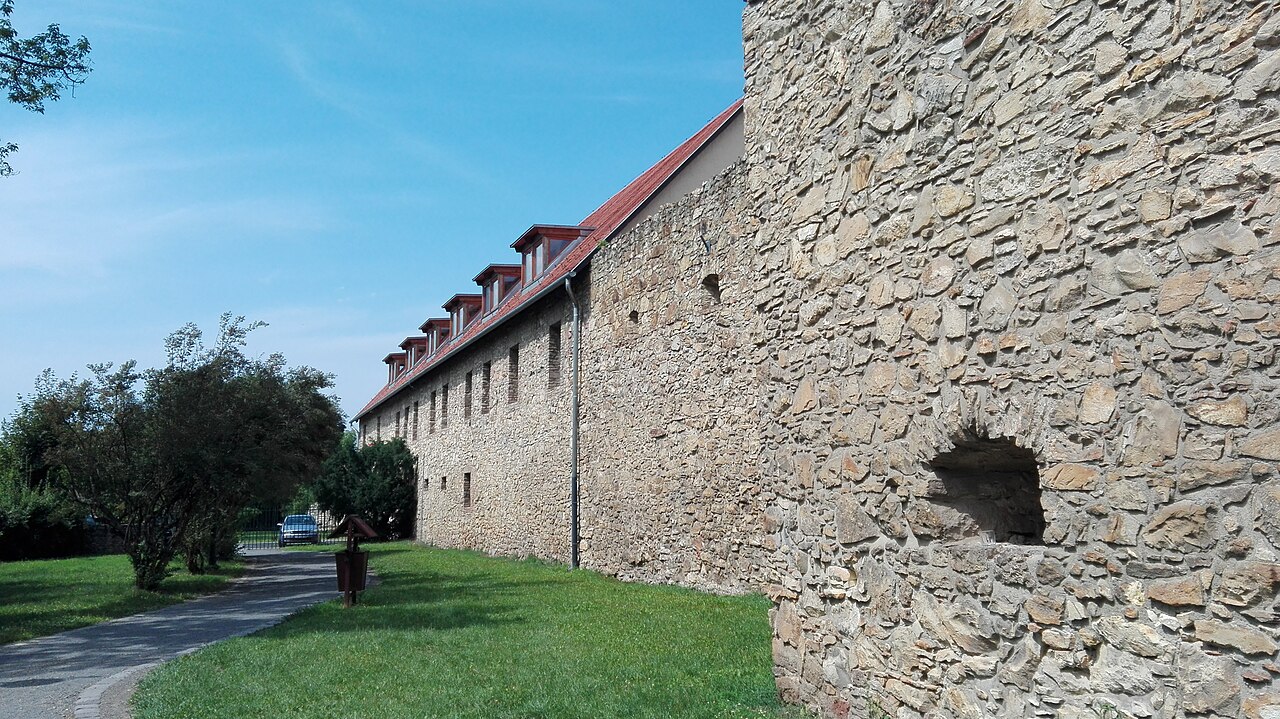
The castle's architecture reflects typical hill castle characteristics, utilizing the natural elevation for defense. Its walls were thick and robust, with narrow arrow slits and a fortified gatehouse controlling access. Over the centuries, the castle underwent several modifications and expansions, adapting to evolving military technologies and regional conflicts.
Historical significance and role in regional defense
Throughout the 14th and 15th centuries, Tokaj Castle played a crucial role in defending the Hungarian kingdom against various threats, including invasions by the Ottoman Empire and raids by neighboring forces. The castle served as a military garrison and administrative center, overseeing the surrounding lands and protecting the local population.
In addition to its military function, the castle was closely linked to the development of the Tokaj wine region. The castle's presence helped secure the safety of trade routes used to transport the prized Tokaji wines, contributing to the area's economic growth.
Later history and current condition
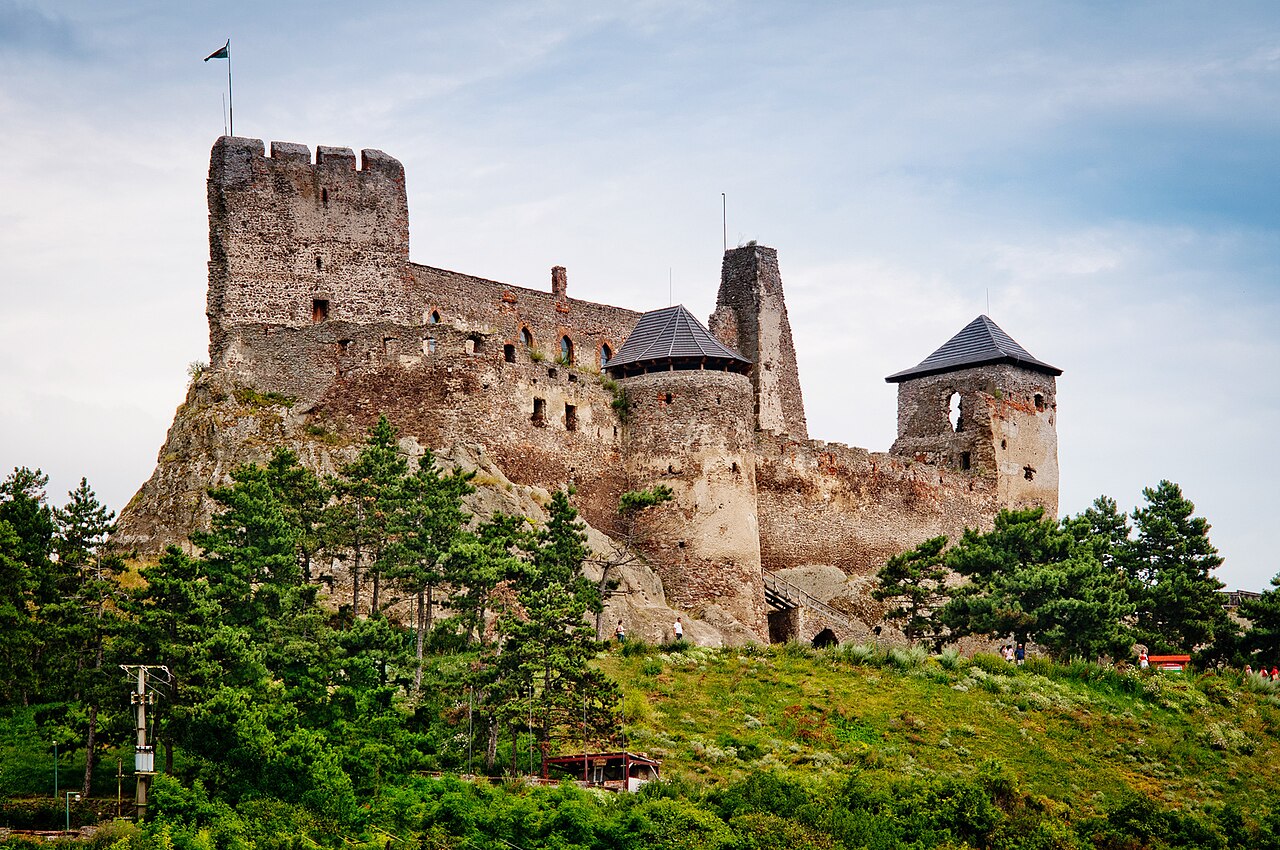
As warfare evolved and the Ottoman threat diminished, Tokaj Castle gradually lost its military importance. By the early modern period, it fell into disuse and partial ruin. Today, the castle remains a significant historical monument, though it exists mostly as ruins with some sections partially preserved.
The site is accessible to visitors interested in medieval architecture and Hungarian history. It offers panoramic views of the Tokaj wine region and serves as a cultural landmark celebrating the area's heritage.
Visitor information and cultural importance
Visitors to Tokaj Castle can explore the remnants of the castle walls, towers, and the central keep. The castle grounds provide insight into medieval fortification techniques and the strategic importance of hill castles in Hungary.
The castle is also a popular destination for tourists visiting the Tokaj wine region, combining historical exploration with wine tasting experiences. Its location atop a hill offers excellent photographic opportunities of the surrounding vineyards and the Bodrog and Tisza rivers.
Efforts to preserve and maintain the castle ruins continue, highlighting its value as a heritage site and a symbol of the region's medieval past.
Frequently asked questions (FAQ)
- When was Tokaj Castle originally built?
- Tokaj Castle was originally constructed in the 13th century during the high medieval period to defend the northeastern borders of the Kingdom of Hungary.
- What architectural features characterize Tokaj Castle?
- Tokaj Castle features a central keep or donjon, thick defensive walls with battlements, arrow slits, and a fortified gatehouse typical of hill castles.
- What role did Tokaj Castle play in the region's history?
- The castle served as a military garrison and administrative center, protecting the region from invasions and securing trade routes important for the Tokaj wine trade.
- Is Tokaj Castle open to visitors?
- Yes, visitors can explore the ruins of Tokaj Castle, enjoy panoramic views of the Tokaj wine region, and learn about medieval fortifications.
- What is the current condition of Tokaj Castle?
- Tokaj Castle exists mostly as ruins with some sections partially preserved, reflecting its decline after the Ottoman threat diminished.
Photo gallery

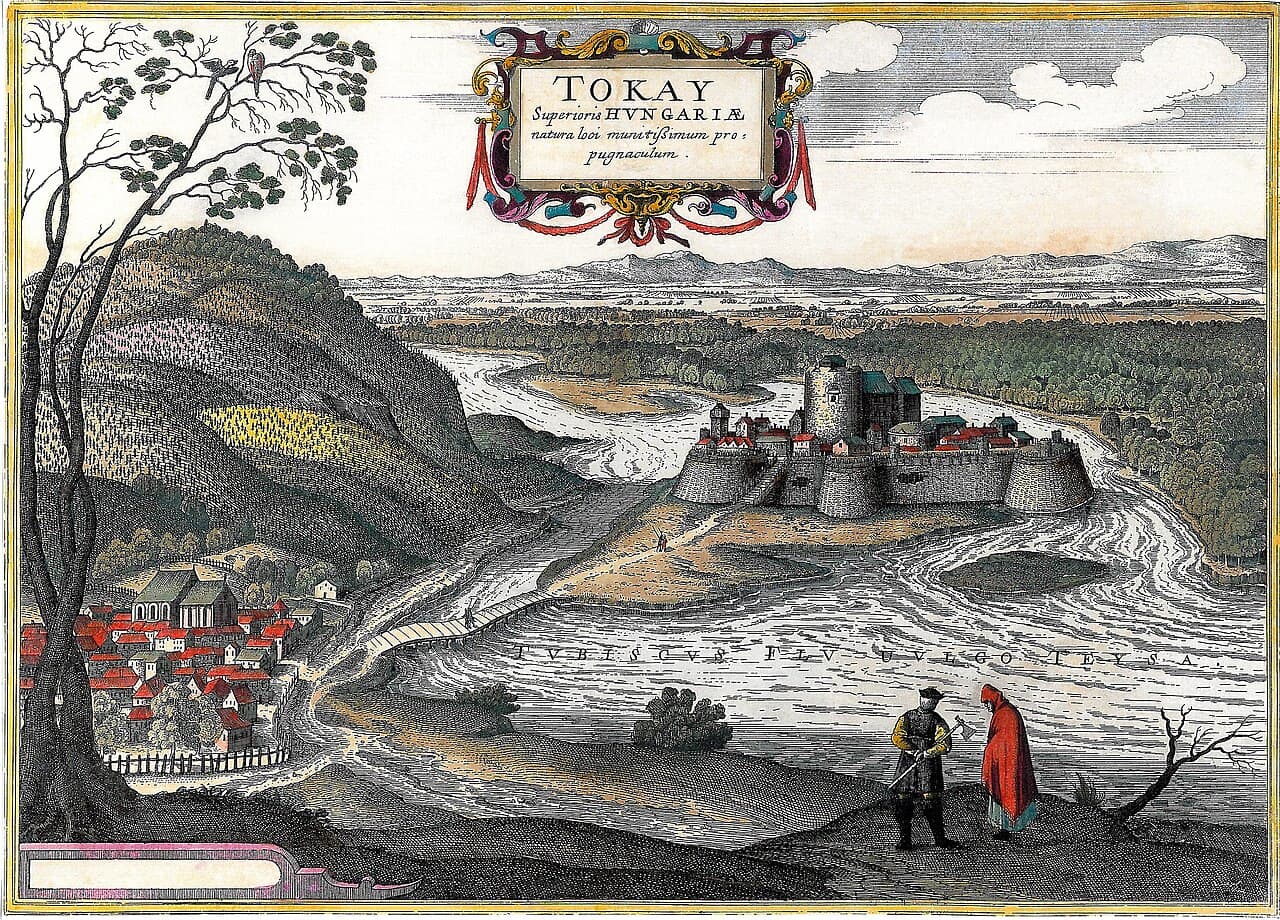
Photo by Joris Hoefnagel•Public domain
Information
Loading map...
Visitor reviews
No reviews yet. Been here? Write the first review and help other travelers!
Write the first reviewVisited this castle? Share your experience
Your review helps other travelers and adds first-hand knowledge to our encyclopedia.