Tickhill Castle
Tickhill Castle is a historically significant hill castle located in the market town of Tickhill, South Yorkshire, England. Constructed in the 12th century, it played a crucial role as a defensive stronghold during the High Medieval period, particularly noted for its association with the reign of King John (1199–1216). The castle's strategic position atop a natural hill provided commanding views over the surrounding landscape, which was essential for defense and control of the region.
Origins and construction
The origins of Tickhill Castle date back to shortly after the Norman Conquest, with initial fortifications likely established in the late 11th or early 12th century. The castle was built as a motte-and-bailey style fortification, a common design during the Norman period, featuring a raised earthwork (motte) topped with a wooden or stone keep, and an enclosed courtyard (bailey) surrounded by protective palisades and ditches. Over time, the wooden structures were replaced with more durable stonework, reflecting advancements in military architecture and the need for stronger defenses.
Medieval significance and royal connections
Tickhill Castle gained prominence during the reign of King John, who used it as a royal fortress to assert control over the north of England. The castle was part of a network of royal castles designed to maintain order and defend against both internal rebellions and external threats. It was garrisoned by royal troops and served as a base for military campaigns in the region.
The castle also played a role during the turbulent period of the First Barons' War (1215–1217), when King John's authority was challenged by rebellious barons and foreign invaders. Its fortifications were tested during this conflict, underscoring its military importance.
Architectural features
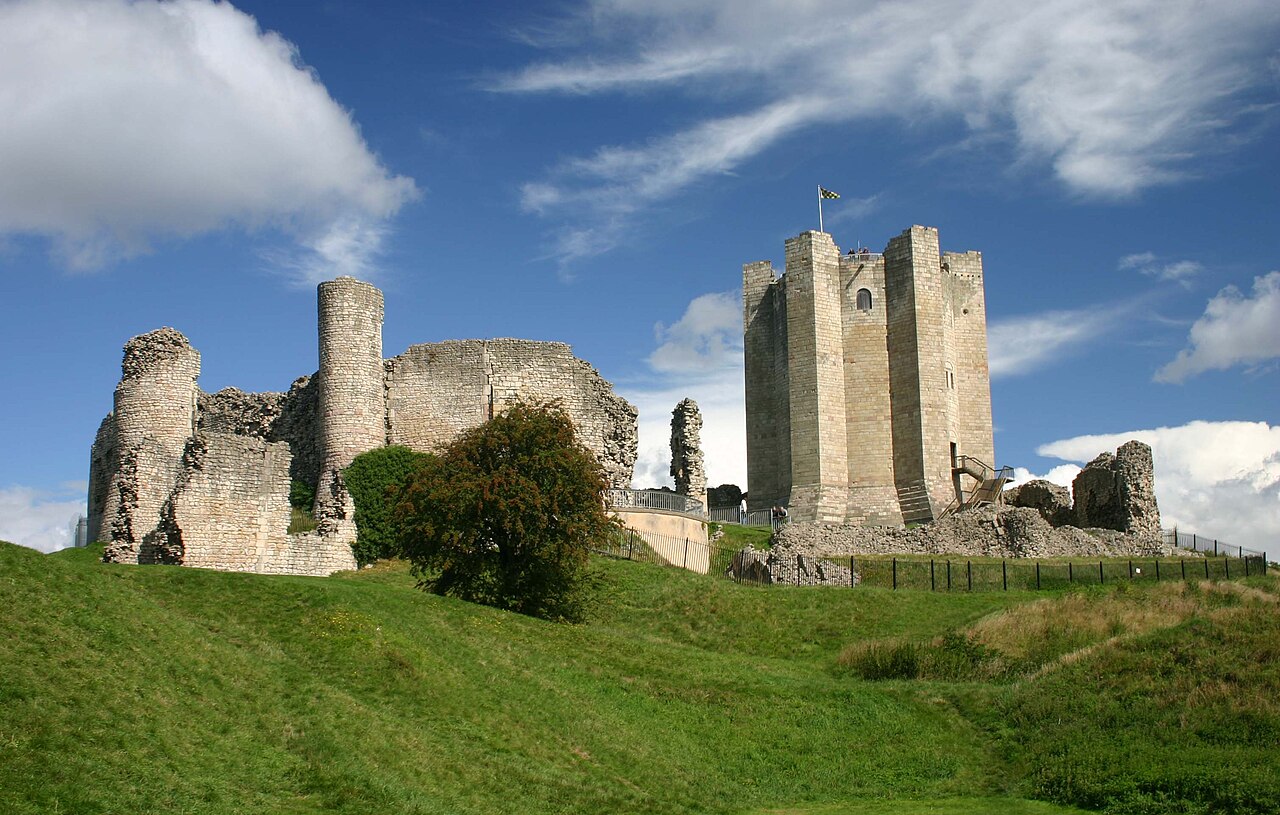
Today, Tickhill Castle retains significant earthworks and stone remains that illustrate its medieval defensive design. The motte remains a prominent feature, with the remnants of the keep visible atop it. Surrounding the motte is the bailey, which would have housed various domestic and military buildings essential for sustaining the castle's garrison.
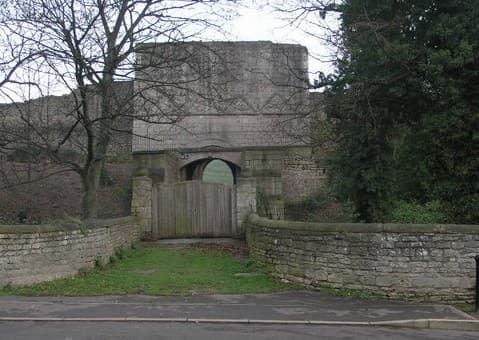
The castle's defensive structures included curtain walls, gatehouses, and ditch systems that enhanced its resilience against siege warfare. The layout reflects typical Norman military architecture, adapted to the site's natural topography.
Later history and preservation
After the medieval period, Tickhill Castle gradually lost its military significance and fell into decline. By the early modern era, much of the stonework had been dismantled or repurposed for local building projects. Despite this, the site remains an important archaeological and historical landmark.
Today, Tickhill Castle is managed as a heritage site, with efforts to preserve its remaining structures and earthworks. It offers valuable insights into Norman and medieval castle construction and the political history of northern England during the Middle Ages.
Visiting Tickhill Castle
The castle site is accessible to the public, providing visitors with the opportunity to explore the surviving earthworks and stone remains. Its elevated position offers panoramic views of the surrounding South Yorkshire countryside, enhancing the visitor experience. Interpretive signage and local guides help contextualize the castle's historical significance and architectural features.
Frequently asked questions (FAQ)
- What is the historical significance of Tickhill Castle?
- Tickhill Castle, dating back to the 11th century, played a crucial role in the defense and governance of the region during medieval times. It was originally built by William the Conqueror and has seen various historical events, including being a stronghold for the de Lovetot family and later as a royal castle.
- When was Tickhill Castle built?
- Tickhill Castle was constructed shortly after the Norman Conquest in the late 11th century, with significant developments occurring throughout the 12th and 13th centuries. Its architecture reflects the transition from a wooden motte-and-bailey structure to a more formidable stone castle over the years.
- Can I visit Tickhill Castle?
- Yes, Tickhill Castle is accessible to visitors, allowing you to explore its historic grounds and enjoy the surrounding scenery. However, it is advisable to check the specific visiting hours and any special events that may be taking place before planning your visit.
- What are the opening hours for Tickhill Castle?
- Tickhill Castle is generally open to visitors from dawn until dusk, but specific hours may vary depending on the season or events. It is best to consult the local tourism website for the most up-to-date information regarding opening times.
- Is it possible to access Tickhill Castle for those with mobility challenges?
- The castle grounds are mostly open, but some areas may present challenges for those with mobility issues due to uneven terrain and stone steps. It is recommended to contact the local visitor center for detailed accessibility information and assistance.
- What is the best time to visit Tickhill Castle?
- The best time to visit Tickhill Castle is during the spring and summer months when the weather is pleasant and the gardens are in full bloom. Additionally, consider visiting during local festivals or events for a richer experience of the castle's history and culture.
- Are there nearby attractions to Tickhill Castle?
- Yes, there are several attractions near Tickhill Castle, including the charming village of Tickhill with its quaint shops and cafes. The nearby town of Doncaster offers further historical sites and activities, making it an excellent addition to your visit.
- What are the ticket prices for visiting Tickhill Castle?
- Currently, Tickhill Castle does not charge an entrance fee as it is primarily an open site. However, donations are appreciated to help preserve the castle and its grounds for future generations.
Photo gallery

Information
Loading map...
Visitor reviews
No reviews yet. Been here? Write the first review and help other travelers!
Write the first reviewVisited this castle? Share your experience
Your review helps other travelers and adds first-hand knowledge to our encyclopedia.