Pusztapalota Castle, located near the town of Várpalota in Hungary, is a site of significant medieval heritage, known today primarily for its archaeological ruins. These remnants offer valuable insights into the region's defensive architecture and feudal history during the High and Late Medieval periods.
The historical background of Pusztapalota Castle
The origins of Pusztapalota Castle trace back to the 13th or 14th century, a time when the Kingdom of Hungary was consolidating its frontier defenses. The castle was strategically situated to oversee and protect important routes and settlements in the Transdanubian region. Though detailed historical records are sparse, it is known that the castle played a role in the turbulent medieval conflicts between local nobility and invading forces.
Throughout its active use, the castle likely served as a fortified residence for regional lords and a military stronghold. Its position in Várpalota suggests it was part of a network of castles designed to secure the western approaches to the Hungarian heartland.
Architectural features and layout
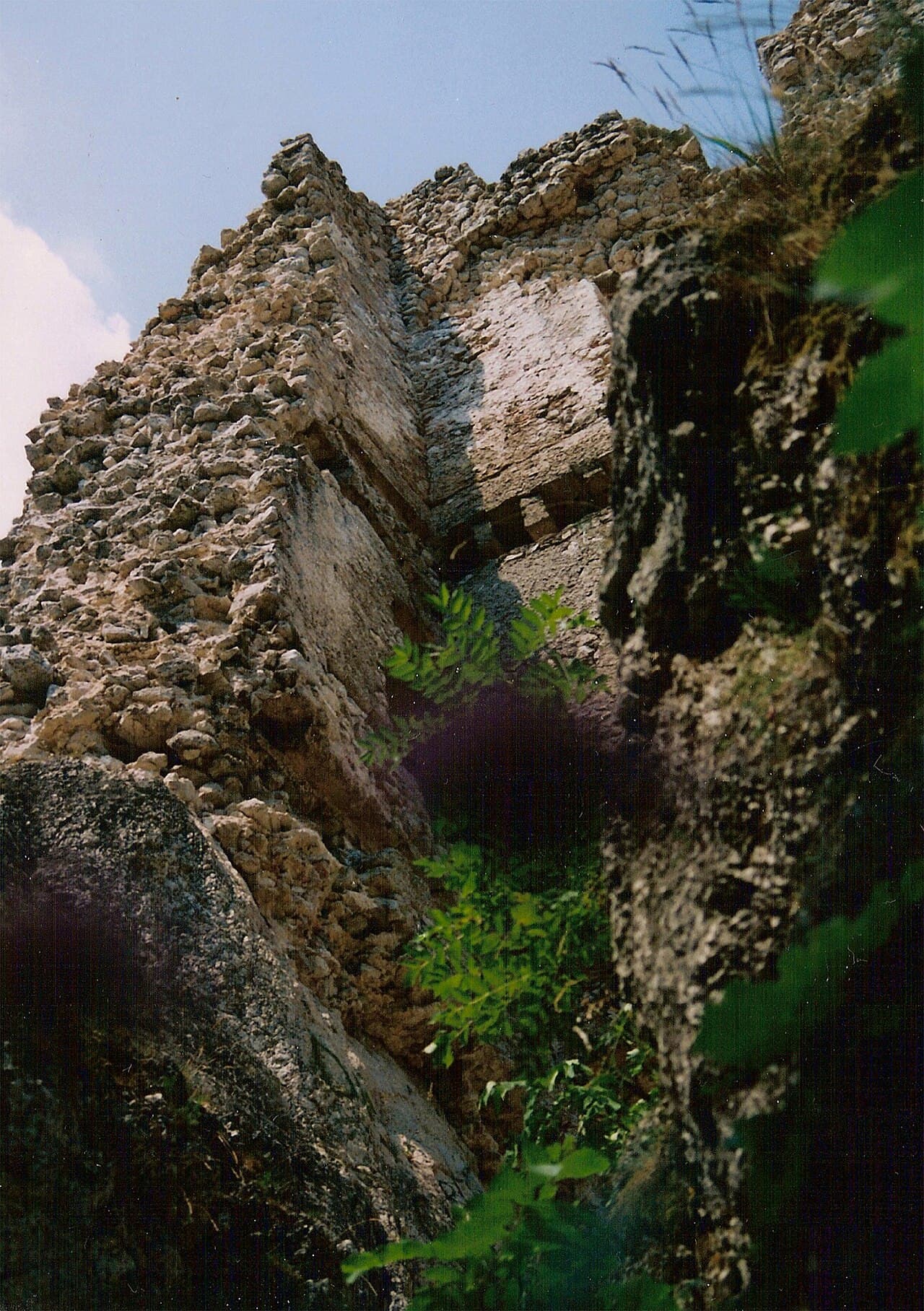
Today, Pusztapalota Castle remains primarily as ruins, but archaeological excavations have revealed key elements of its construction. The castle was built as a hill castle, utilizing natural elevations for defense. Its layout included a stone curtain wall enclosing a central courtyard, with remains of towers that would have provided vantage points for surveillance and defense.
Typical of medieval Hungarian fortifications, the castle likely featured a keep or donjon as the strongest part of the structure, serving both as a last refuge and a residence. The walls were thick and constructed from local stone, designed to resist siege engines and attacks common in the medieval period.
Defensive structures
Archaeological findings indicate the presence of a moat or ditch around parts of the castle, enhancing its defensive capabilities. The castle's entrance was probably fortified with a gatehouse and possibly a drawbridge, typical features to control access and improve security.
The castle's decline and archaeological significance
By the early modern period, Pusztapalota Castle fell into disuse and decay, a fate common to many medieval fortresses rendered obsolete by advances in artillery and changes in military tactics. Over centuries, the structure deteriorated, leaving the ruins that survive today.
Modern archaeological work at the site has been crucial in piecing together the castle's history and architectural form. Excavations have uncovered foundations, wall fragments, and artifacts that provide a glimpse into the daily life and military functions of the castle during its occupation.
Visiting Pusztapalota Castle ruins
The ruins of Pusztapalota Castle are accessible to visitors interested in medieval history and archaeology. While the site lacks extensive tourist infrastructure, it offers a compelling setting for exploration and study. Visitors can observe the remains of the defensive walls and towers and appreciate the strategic location that once made the castle a formidable stronghold.
Due to its condition as archaeological ruins, safety precautions are advised when exploring the site. There are no formal guided tours, but local historical societies occasionally organize educational visits.
Preservation and cultural importance
Pusztapalota Castle is recognized as an important cultural heritage site in Hungary. Efforts to preserve the ruins focus on preventing further decay and promoting awareness of the castle's historical role. The site contributes to understanding medieval fortifications in the Transdanubian region and reflects the architectural and military developments of the period.
Its status as an archaeological site makes it valuable for ongoing research and education, helping to illuminate the complex history of Hungarian castles and their role in regional defense.
Frequently asked questions (FAQ)
- What is the historical significance of Pusztapalota-várrom?
- Pusztapalota-várrom is a medieval castle ruin in Várpalota, Hungary, that dates back to the 13th century. It played a crucial role in the region's defense and witnessed various historical events, making it an important landmark for understanding Hungary's feudal history.
- When was Pusztapalota-várrom built?
- The construction of Pusztapalota-várrom began in the 13th century, primarily serving as a fortification during the medieval period. Over the centuries, it underwent several modifications and expansions, reflecting the architectural styles of different eras.
- Is it possible to visit Pusztapalota-várrom?
- Yes, visitors can explore the ruins of Pusztapalota-várrom. The site is accessible to the public, allowing guests to wander through the remnants of the castle and enjoy the scenic views of the surrounding landscape.
- What are the opening hours for Pusztapalota-várrom?
- Pusztapalota-várrom is generally open to visitors year-round, but it’s advisable to check local resources for specific opening hours, especially during the off-peak season. Guided tours may also be available at designated times.
- Can I take photographs at Pusztapalota-várrom?
- Absolutely! Visitors are encouraged to take photographs of the castle and its picturesque surroundings. The ruins provide a stunning backdrop for photography enthusiasts, especially during sunrise and sunset.
- What is the best time to visit Pusztapalota-várrom?
- The best time to visit Pusztapalota-várrom is during the spring and autumn months when the weather is mild and the natural scenery is particularly beautiful. Summer can also be a great time, but be prepared for warmer temperatures.
- Are there any nearby attractions to visit?
- Yes, Várpalota is rich in history and culture, with several nearby attractions including the Palota Castle and the local museums. Exploring the town can provide a more comprehensive understanding of the region's heritage.
- What are the ticket prices for visiting Pusztapalota-várrom?
- Entry to Pusztapalota-várrom is typically free, but some guided tours or special events may have a fee. It's best to check ahead for any potential costs associated with specific activities or guided experiences.
- How do I get to Pusztapalota-várrom?
- Pusztapalota-várrom is easily accessible by car and is located near major roads in Várpalota. Public transportation options may also be available, with local bus services providing connections to the area.
Photo gallery

Information
Loading map...
Visitor reviews
No reviews yet. Been here? Write the first review and help other travelers!
Write the first reviewVisited this castle? Share your experience
Your review helps other travelers and adds first-hand knowledge to our encyclopedia.