The Castle Event Center

The castle event center in lubbock texas

The Castle Event Center in Lubbock, Texas is a distinctive venue designed to resemble a castle, offering a unique setting for a variety of events. This venue stands out for combining traditional castle-like architectural elements with modern amenities, creating an atmosphere that is both elegant and functional.

At the heart of the venue is the Great Hall, a spacious area capable of accommodating up to 125 guests. This hall is ideal for dining, dancing, or other large gatherings, making it a versatile space for weddings, receptions, corporate events, and celebrations. The design emphasizes open floor space, which enhances the experience for guests and event planners alike.

Innovative architectural features

One of the most remarkable features of the Castle Event Center is its retractable floor within the Great Hall. This innovative element allows the floor to be lifted, revealing a large swimming pool underneath. This dual-purpose design is highly unusual in castle-themed venues, offering guests the option to enjoy a pool event or a traditional hall gathering. The pool adds an element of luxury and novelty, setting this venue apart from typical event centers.

Venue layout and outdoor space

Beyond the Great Hall, the Castle Event Center boasts extensive grounds that can accommodate much larger groups. These outdoor spaces are perfect for ceremonies, receptions, or social events that benefit from open-air settings. The grounds complement the castle-like structure, enhancing the overall aesthetic and providing a scenic backdrop for photographs and outdoor activities.

Location and accessibility

Located at 6417 County Road 7620, Lubbock, Texas 79424, the Castle Event Center is easily accessible from the city and surrounding areas. The venue's location in Lubbock makes it a convenient choice for residents and visitors seeking a distinctive event space with castle-inspired charm.

Contact and booking information

For inquiries and reservations, the Castle Event Center can be contacted via telephone at 806-224-3927 or by email at [email protected]. The staff is available to assist with event planning and to provide details about the facilities and services offered.

Unique appeal and event possibilities

The Castle Event Center's combination of castle-like architecture, a spacious great hall, and the unique retractable pool floor makes it an exceptional venue choice. Whether hosting a formal banquet, a wedding reception, a corporate event, or a poolside party, this venue offers flexibility and a memorable atmosphere. Its distinctive features attract clients looking for something beyond the ordinary event space.

Frequently asked questions (FAQ)

How do I contact the Castle Event Center for bookings?
You can contact the Castle Event Center by phone at 806-224-3927 or email at [email protected] for booking inquiries and event information.
What is the capacity of the Great Hall at the Castle Event Center?
The Great Hall can accommodate up to 125 guests, making it suitable for medium-sized events such as weddings and corporate functions.
Does the Castle Event Center have any unique features?
Yes, the venue features a retractable floor in the Great Hall that reveals a large swimming pool, offering a distinctive option for poolside events or traditional gatherings.
Can larger groups be accommodated at the Castle Event Center?
Yes, the outdoor grounds of the Castle Event Center can host much larger groups, ideal for outdoor ceremonies and receptions.
Where is the Castle Event Center located?
The Castle Event Center is located at 6417 County Road 7620, Lubbock, Texas 79424, providing easy access for guests from Lubbock and surrounding areas.

Information

Address

6417 County Road 7620, Lubbock, Texas 79424

Loading map...

Visitor reviews

No reviews yet. Been here? Write the first review and help other travelers!

Write the first review

Visited this castle? Share your experience

Your review helps other travelers and adds first-hand knowledge to our encyclopedia.
Write a review

(5/5)

0/2000 characters

Your review will be visible after admin approval

Nearby castles

232.5 km
Fort Sumner — United States of America castle

Fort Sumner

, United States of America

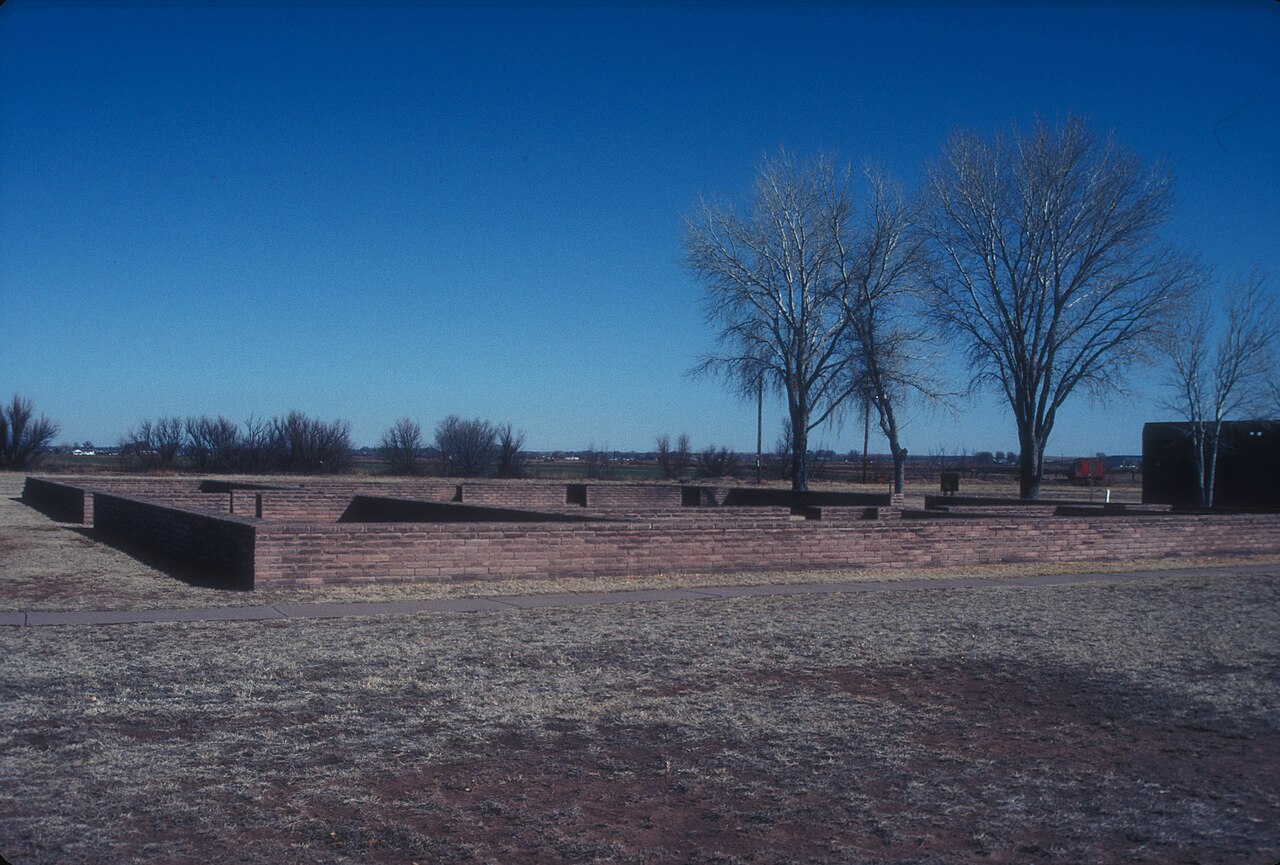
Fort Sumner was established in the New Mexico Territory during the turbulent years of the mid-19th century as a bastioned fortress designed primarily for military purposes. Constructed in 1862 by the United States Army, it played a significant role in the forced relocation and internment of the Navajo and Mescalero Apache peoples. This fort is historically notable for its association with the Bosque Redondo Reservation, an area designated for the internment of these Native American groups from 1863 to 1868.Historical context and purposeFort Sumner was built as part of the U.S. government's efforts to control and manage Native American populations during the period following the American Civil War. The fort served as a military base to enforce the controversial policy known as the Long Walk, which involved the forced march of thousands of Navajo people from their homelands in present-day Arizona and New Mexico to the Bosque Redondo Reservation near Fort Sumner. This relocation was intended to confine and assimilate the Navajo and Mescalero Apache populations, but it resulted in significant hardship and suffering due to poor living conditions, inadequate supplies, and disease.Architectural features and fortificationsAs a bastioned fortress, Fort Sumner was designed with defensive features typical of mid-19th century military architecture. The fort included earthwork bastions at its corners, which allowed defenders to cover the walls with overlapping fields of fire. These bastions were constructed to protect the fort against potential attacks and to control the surrounding territory. The fort's layout included barracks, officers' quarters, storehouses, and other support buildings arranged within a fortified perimeter. The use of earthworks rather than stone or brick reflected the practical considerations of rapid construction and the availability of materials in the region.Life at Fort Sumner and Bosque RedondoThe fort was closely linked to the Bosque Redondo Reservation, where the interned Navajo and Mescalero Apache populations were confined. Conditions at Bosque Redondo were harsh, with inadequate water supply, poor soil for agriculture, and insufficient food and medical care. The fort's military personnel oversaw the reservation, enforcing restrictions and maintaining order. The experience of internment at Bosque Redondo is remembered as a tragic chapter in Native American history, marked by suffering and loss.The long walk and its aftermathThe Long Walk was a forced march covering over 300 miles, during which many Navajo died from exhaustion, exposure, and starvation. Those who survived were confined to Bosque Redondo under difficult conditions. After several years, the U.S. government acknowledged the failure of the reservation experiment and negotiated the 1868 Treaty of Bosque Redondo, which allowed the Navajo to return to a portion of their original homeland. Fort Sumner's role diminished after the treaty, and the fort was eventually abandoned.Current status and preservationToday, Fort Sumner exists primarily as an archaeological site with some remnants of the original earthworks and fort structures visible. The site is managed to preserve its historical significance and educate the public about this difficult period in American and Native American history. Interpretive markers and exhibits provide context for visitors, highlighting the fort's military architecture and its role in the internment of indigenous peoples.Cultural significanceFort Sumner stands as a reminder of the complex and often painful history of U.S. expansion and Native American relations. Its preservation offers insights into 19th-century military fortifications and the consequences of federal policies on indigenous populations. The site is important for understanding the resilience of the Navajo and Mescalero Apache peoples and their eventual return to their homelands.

Post-Renaissance (17th–18th c.)
Details
325.8 km

Lake Brownwood Castle

Texas, United States of America

Lake Brownwood Castle, also known as The Mansion at Lake Brownwood, is a striking private residence overlooking the scenic Lake Brownwood in Texas. Covering approximately 25,000 square feet, this grand estate is distinguished by its expansive size and its distinctive architectural features that evoke the grandeur and romanticism of traditional castles. The castle's exterior is clad in a light stone facade that conveys both elegance and solidity, standing out against the natural landscape. Architecturally, the residence incorporates numerous towers and turrets, key elements inspired by medieval castle design. Four prominent towers surround the outdoor swimming pool, creating a unique and visually striking centerpiece that blends luxury living with castle aesthetics. Architectural features and design elements The design of Lake Brownwood Castle draws heavily on castle-style architecture, emphasizing verticality and a fortified appearance. The towers and turrets serve decorative purposes while also enhancing the silhouette of the building and providing panoramic views of Lake Brownwood and the surrounding Texas countryside. The choice of a light stone exterior is significant, as it not only offers durability but also evokes the look and feel of traditional stone castles. This stone contrasts beautifully with the lush greenery and water features nearby, creating a harmonious blend of natural and built environments. The outdoor swimming pool area is particularly distinctive, framed by four towers that provide a sense of enclosure and privacy. This innovative interpretation of castle motifs adapts historic forms for modern leisure and lifestyle needs. Historical and cultural context While Lake Brownwood Castle is not a historic castle in the traditional sense, it reflects the enduring fascination with castle architecture in the United States, especially in private residential design. Its construction is a modern homage to the romantic ideals of medieval fortresses and noble estates. The castle contributes to the cultural landscape of Texas by embodying a blend of historic architectural inspiration and contemporary luxury. It exemplifies how castle design can be reinterpreted beyond defensive purposes, serving aesthetic and residential functions in a modern context. Privacy and ownership As a private residence, Lake Brownwood Castle is not open to the public. Visitors and locals are encouraged to respect the privacy of the owners and admire the castle from a distance. The estate remains a symbol of exclusivity and personal architectural expression. Location and setting Lake Brownwood Castle is situated in a lowland area near Lake Brownwood, which adds to its scenic appeal. The surrounding landscape of Texas features rolling hills and water bodies, complementing the castle’s stone facade and towers. The setting enhances the visual impact of the castle, making it a notable landmark in the region. Modern adaptations and amenities The castle seamlessly integrates modern amenities with its historic-inspired architecture. The outdoor swimming pool, enclosed by the four towers, is a centerpiece of leisure and design innovation. Inside, the residence likely includes contemporary comforts and spacious living areas consistent with its large footprint, although specific interior details remain private due to its status as a private home. Architectural influences and style The style of Lake Brownwood Castle can be described as a castle-style mansion with elements reminiscent of medieval European castles. While not adhering strictly to any historical architectural style, its use of towers, turrets, and stonework recalls the romanticized castle imagery popular in revival architecture. This approach blends historic motifs with modern residential design principles.

Details
331 km
Fort Stanton — United States of America castle

Fort Stanton

Lincoln, United States of America

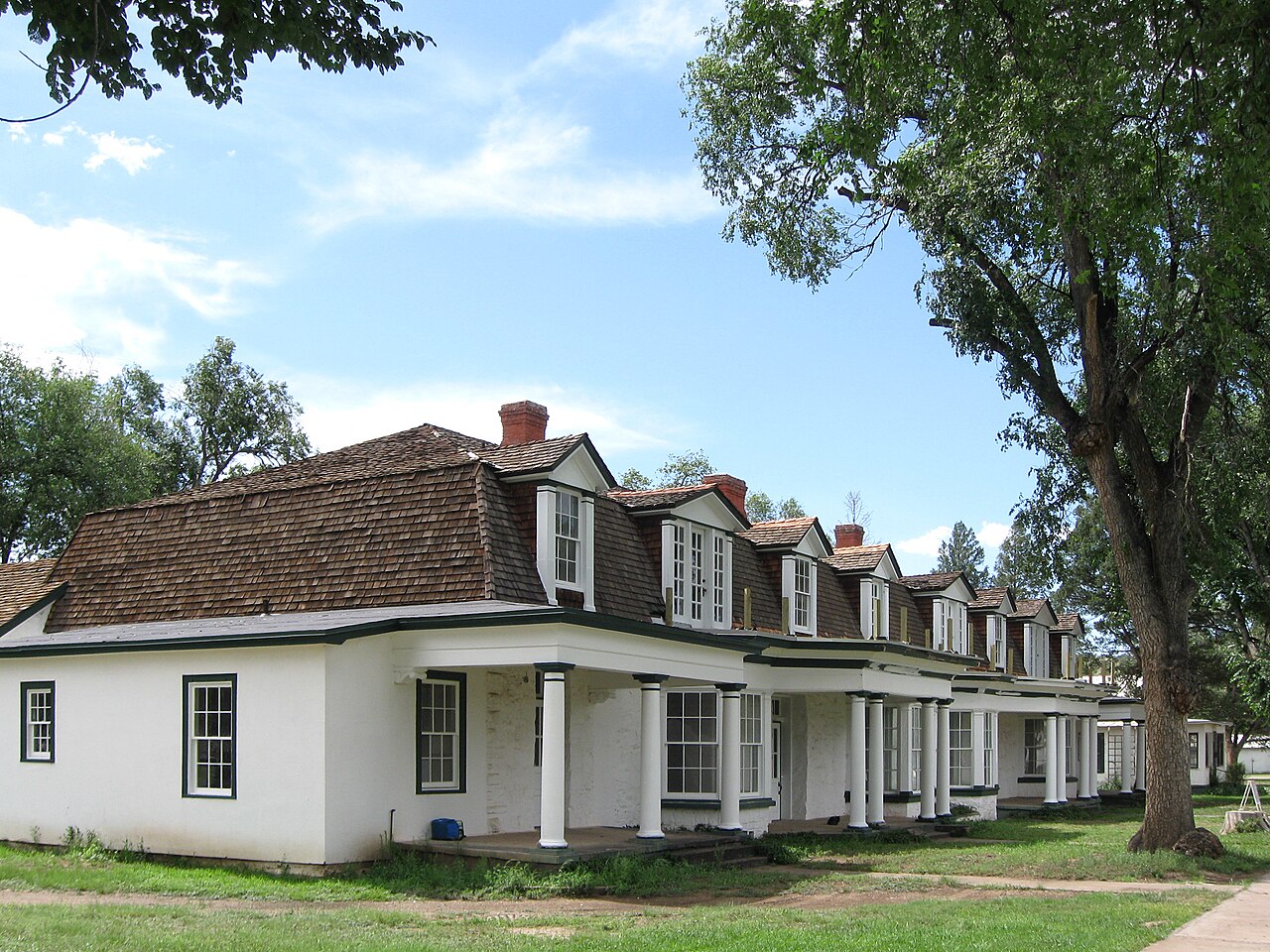
Fort Stanton is a historic bastioned fortress located near Lincoln, New Mexico, constructed in the 19th century during the period of American westward expansion. Established by the United States Army, the fort served as a strategic military post designed to secure the frontier and protect settlers during a time of frequent conflicts with Native American tribes. Construction and architectural features The fort was built following military architectural principles common to the modern period, emphasizing defense and functionality. As a bastioned fortress, Fort Stanton's design included angled bastions projecting from the main walls, allowing defenders to cover adjacent walls with overlapping fields of fire. This design was intended to eliminate blind spots and provide effective protection against potential attackers. The fortress comprised multiple structures including barracks, officers' quarters, stables, a hospital, and storage facilities, arranged around a central parade ground. The walls were constructed primarily from adobe and stone, materials readily available in the region, which provided durability and insulation against the harsh New Mexico climate. Historical significance and military role Fort Stanton played a key role in the military operations of the United States Army throughout the latter half of the 19th century. It was part of a network of forts established to maintain peace and order on the frontier during the turbulent times of the Apache Wars and other conflicts involving Native American tribes resisting encroachment on their lands. Beyond its military function, the fort also served as a base for scientific and medical research later in its history, including use as a tuberculosis sanatorium in the early 20th century. This transition reflects the adaptive reuse of military installations in response to changing national needs. Preservation and current condition Today, Fort Stanton remains well preserved and is recognized for its historical and architectural significance. It is managed as a historic site, open to visitors interested in exploring its military heritage and the broader history of the American Southwest frontier. The fort's preservation allows for educational programs and cultural events that highlight its multifaceted past. Visitor information and accessibility Visitors to Fort Stanton can explore the extensive grounds, including the original bastions, barracks, and hospital buildings. Interpretive signage and guided tours provide insight into the fort's construction, military history, and later uses. The site is accessible year-round, with facilities supporting educational visits and public events. Fort stanton in the context of american frontier forts Fort Stanton is an example of the 19th-century bastioned fortresses that were instrumental in the United States' efforts to secure its expanding western territories. Its design reflects the evolution of military architecture adapting European concepts to the unique challenges of the American frontier. The fort's history encapsulates themes of conflict, adaptation, and preservation that are central to understanding the military and cultural development of the region.

Modern (19th–20th c.)
Details