Fort Sumner
Fort Sumner was established in the New Mexico Territory during the turbulent years of the mid-19th century as a bastioned fortress designed primarily for military purposes. Constructed in 1862 by the United States Army, it played a significant role in the forced relocation and internment of the Navajo and Mescalero Apache peoples. This fort is historically notable for its association with the Bosque Redondo Reservation, an area designated for the internment of these Native American groups from 1863 to 1868.
Historical context and purpose
Fort Sumner was built as part of the U.S. government's efforts to control and manage Native American populations during the period following the American Civil War. The fort served as a military base to enforce the controversial policy known as the Long Walk, which involved the forced march of thousands of Navajo people from their homelands in present-day Arizona and New Mexico to the Bosque Redondo Reservation near Fort Sumner. This relocation was intended to confine and assimilate the Navajo and Mescalero Apache populations, but it resulted in significant hardship and suffering due to poor living conditions, inadequate supplies, and disease.
Architectural features and fortifications
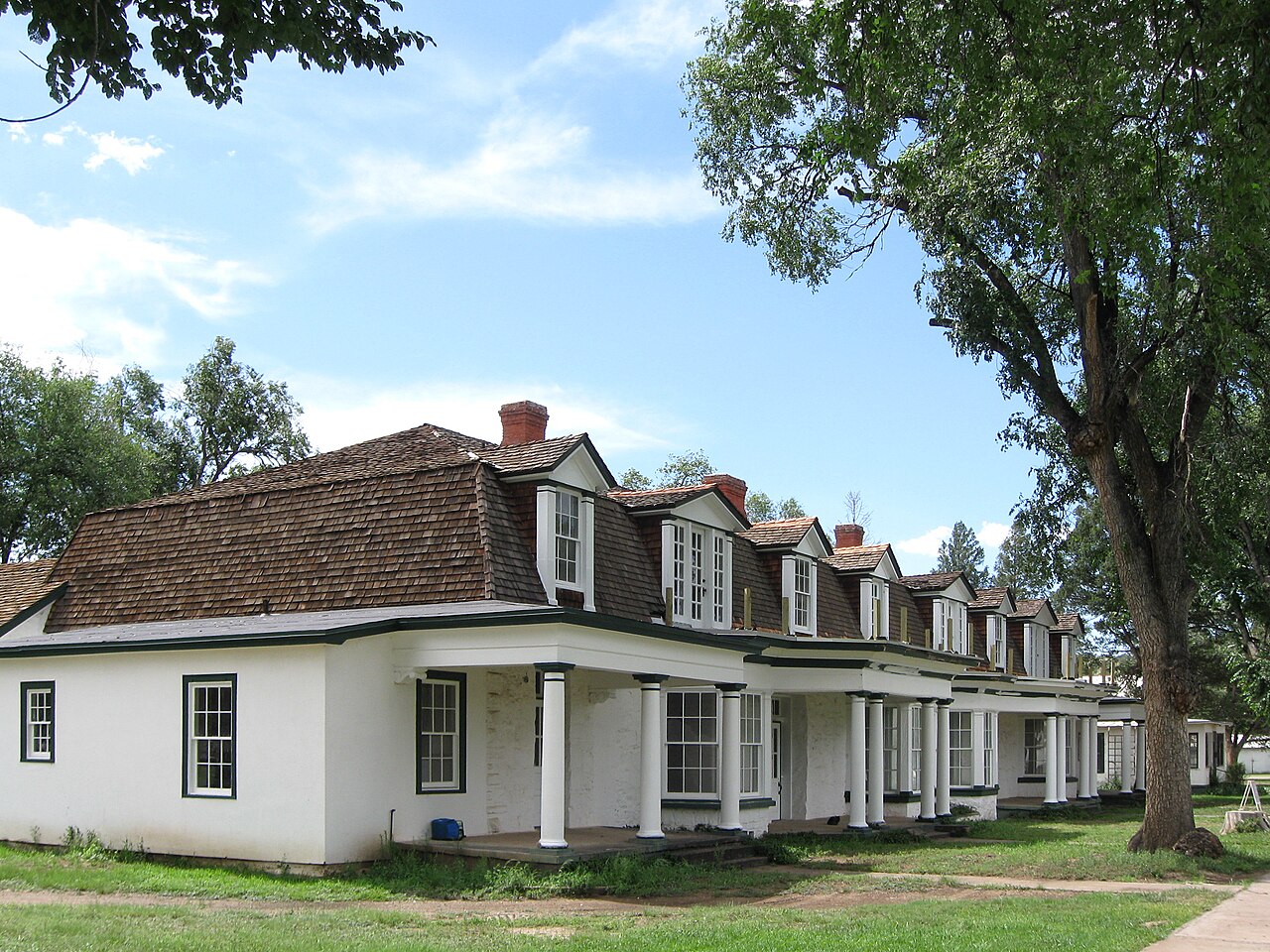
As a bastioned fortress, Fort Sumner was designed with defensive features typical of mid-19th century military architecture. The fort included earthwork bastions at its corners, which allowed defenders to cover the walls with overlapping fields of fire. These bastions were constructed to protect the fort against potential attacks and to control the surrounding territory. The fort's layout included barracks, officers' quarters, storehouses, and other support buildings arranged within a fortified perimeter. The use of earthworks rather than stone or brick reflected the practical considerations of rapid construction and the availability of materials in the region.
Life at Fort Sumner and Bosque Redondo
The fort was closely linked to the Bosque Redondo Reservation, where the interned Navajo and Mescalero Apache populations were confined. Conditions at Bosque Redondo were harsh, with inadequate water supply, poor soil for agriculture, and insufficient food and medical care. The fort's military personnel oversaw the reservation, enforcing restrictions and maintaining order. The experience of internment at Bosque Redondo is remembered as a tragic chapter in Native American history, marked by suffering and loss.
The long walk and its aftermath
The Long Walk was a forced march covering over 300 miles, during which many Navajo died from exhaustion, exposure, and starvation. Those who survived were confined to Bosque Redondo under difficult conditions. After several years, the U.S. government acknowledged the failure of the reservation experiment and negotiated the 1868 Treaty of Bosque Redondo, which allowed the Navajo to return to a portion of their original homeland. Fort Sumner's role diminished after the treaty, and the fort was eventually abandoned.
Current status and preservation
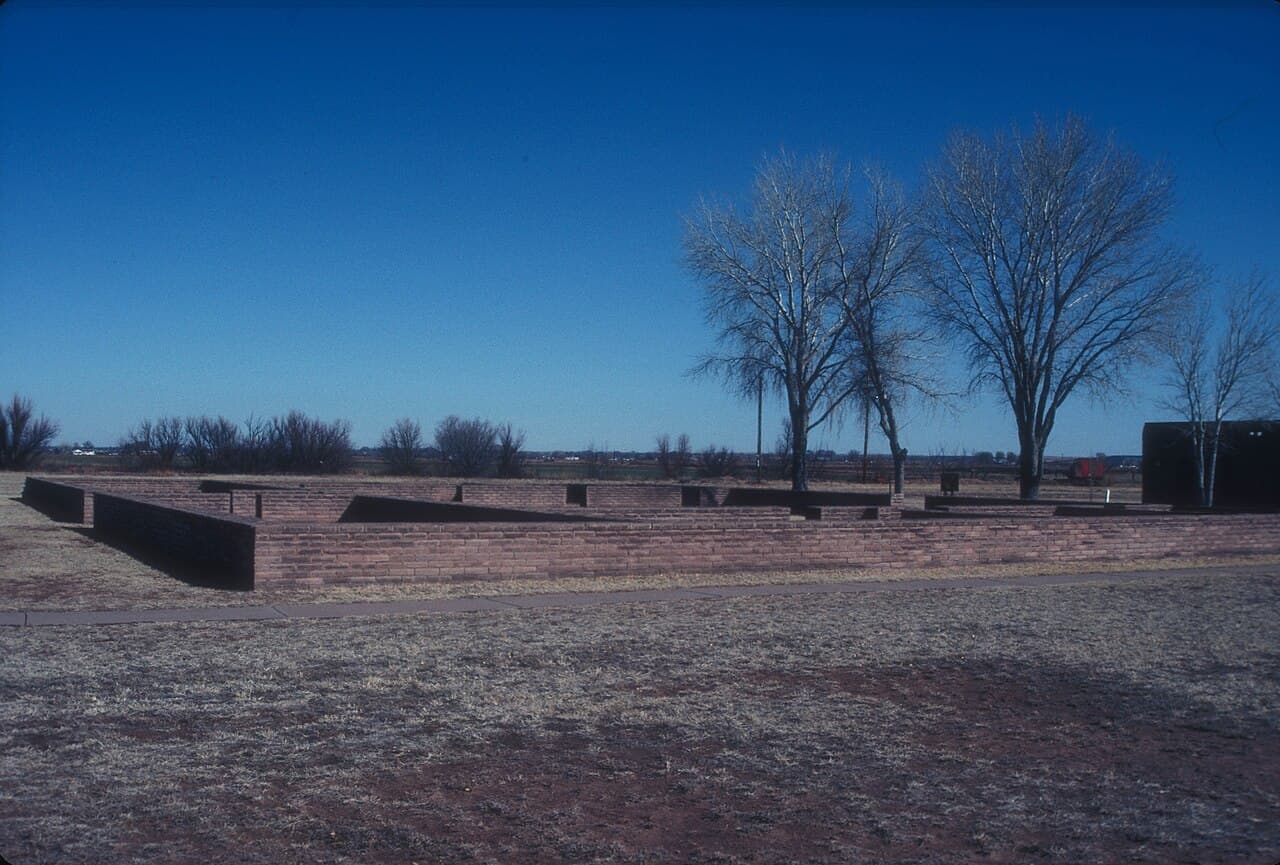
Today, Fort Sumner exists primarily as an archaeological site with some remnants of the original earthworks and fort structures visible. The site is managed to preserve its historical significance and educate the public about this difficult period in American and Native American history. Interpretive markers and exhibits provide context for visitors, highlighting the fort's military architecture and its role in the internment of indigenous peoples.
Cultural significance
Fort Sumner stands as a reminder of the complex and often painful history of U.S. expansion and Native American relations. Its preservation offers insights into 19th-century military fortifications and the consequences of federal policies on indigenous populations. The site is important for understanding the resilience of the Navajo and Mescalero Apache peoples and their eventual return to their homelands.
Frequently asked questions (FAQ)
- What is the historical significance of Fort Sumner?
- Fort Sumner was a military fort in New Mexico Territory used from 1863 to 1868 to intern Navajo and Mescalero Apache peoples during the Bosque Redondo Reservation period.
- Can I visit the Fort Sumner site today?
- Yes, Fort Sumner is preserved as an archaeological site with visible earthworks and interpretive markers explaining its history.
- When was Fort Sumner built?
- Fort Sumner was constructed in 1862 by the United States Army during the American Civil War era.
- What architectural features does Fort Sumner have?
- Fort Sumner features earthwork bastions typical of mid-19th century bastioned fortresses, designed for defense and control of the surrounding area.
- Why was Fort Sumner important to the Navajo and Mescalero Apache?
- Fort Sumner was central to the forced relocation and internment of the Navajo and Mescalero Apache peoples at Bosque Redondo, a tragic chapter in their history.
Photo gallery

Information
Loading map...
Visitor reviews
No reviews yet. Been here? Write the first review and help other travelers!
Write the first reviewVisited this castle? Share your experience
Your review helps other travelers and adds first-hand knowledge to our encyclopedia.