The Castle at Maryvale

The castle at Maryvale in Lutherville, Maryland
Lutherville, Maryland, United States of America

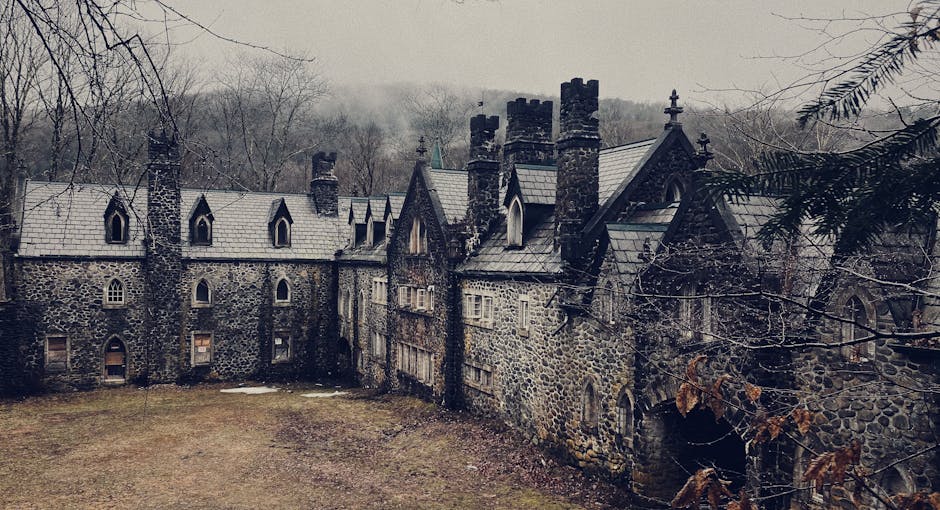
The Castle at Maryvale, also known as Wickcliffe Castle, is a distinctive and elegant property located in Lutherville, Maryland. This impressive estate serves primarily as a wedding and events venue and forms an integral part of the Maryvale School campus. The castle is renowned for its striking architectural resemblance to Warwick Castle in England, a fact that highlights its design inspiration from classic English medieval fortifications.

Architectural design and style

The exterior of the Castle at Maryvale exhibits pronounced gothic influences, characterized by its grand stone manor house appearance. The castle's design incorporates elements typical of gothic revival architecture, which was popular in the 19th and early 20th centuries, especially in residences seeking to evoke the romanticism of medieval castles. The stonework, pointed arches, and overall silhouette contribute to a dramatic and historically evocative presence.

Interior features and the great hall

Inside, the castle features an elegant and refined interior that is well-suited to hosting formal events. The centerpiece is the Great Hall, which is notable for its European oak-paneled walls adorned with Tudor-style carvings. This hall also includes diamond-paneled, beveled glass doors that open onto a magnificent terrace, providing a seamless connection between the interior grandeur and the surrounding natural landscape. The interior design reflects a blend of historical styles, emphasizing craftsmanship and attention to detail.

Historical context and significance

While the Castle at Maryvale was inspired by historic English castles, it is a modern construction that serves contemporary functions rather than a medieval fortress. Its role as part of the Maryvale School campus situates it within an educational and community context, providing a unique venue for social gatherings, weddings, and other special events. The castle's design pays homage to the grandeur and romanticism of English medieval architecture, making it a cultural landmark in Lutherville.

Location and grounds

The castle is set on an expansive 100 wooded acres, offering a picturesque and serene setting that enhances its appeal as an event venue. The natural surroundings complement the castle's gothic aesthetic and provide ample space for outdoor activities and photography. Located at 11300 Falls Road, Lutherville, Maryland, the property is accessible yet secluded, making it a favored destination for weddings and celebrations.

Current use and visitor experience

Today, the Castle at Maryvale functions primarily as a venue for weddings and special events. Its combination of historic architectural styling with modern amenities makes it an attractive location for those seeking a romantic and elegant atmosphere. Visitors and guests can enjoy the castle's grand interiors, scenic terraces, and extensive grounds, all designed to create memorable experiences.

Though not a public historic site in the traditional sense, the castle's architectural beauty and cultural significance contribute to its status as a notable landmark in the region. It represents a successful adaptation of historic castle motifs to contemporary uses, blending heritage and hospitality.

Frequently asked questions (FAQ)

What is the Castle at Maryvale used for today?
The Castle at Maryvale primarily serves as a venue for weddings and special events, offering elegant interiors and scenic grounds.
Where is the Castle at Maryvale located?
The castle is located at 11300 Falls Road in Lutherville, Maryland, within the Maryvale School campus.
What architectural style characterizes the Castle at Maryvale?
The castle exhibits gothic revival architecture, inspired by medieval English castles like Warwick Castle.
Can visitors tour the Castle at Maryvale?
The castle is not generally open for public tours, as it functions mainly as a private event venue within the Maryvale School.
What are some notable features of the castle's interior?
Notable interior features include the Great Hall with European oak-paneled walls, Tudor-style carvings, and diamond-paneled beveled glass doors leading to a terrace.

Information

Palace Castle

Current owner

Maryvale School

Address

11300 Falls Road, Lutherville, Maryland

Loading map...

Visitor reviews

No reviews yet. Been here? Write the first review and help other travelers!

Write the first review

Visited this castle? Share your experience

Your review helps other travelers and adds first-hand knowledge to our encyclopedia.
Write a review

(5/5)

0/2000 characters

Your review will be visible after admin approval

Nearby castles

2.5 km
The Cloisters Castle — United States of America castle

The Cloisters Castle

Lutherville, United States of America

The Cloisters Castle, located in Lutherville, Maryland, is a unique historic home renowned for its enchanting medieval-inspired architecture and its role as a premier events venue. Nestled atop a hill amid 60 acres of secluded woodland, this castle-like structure offers a captivating blend of artistic craftsmanship and historic charm that transports visitors to the grandeur of medieval Europe. Architectural inspiration and design The Cloisters was designed by Sumner and Dudrea Parker with the intention of showcasing their extensive collection of medieval artwork and artifacts. The castle is a remarkable example of romantic medieval revival architecture, featuring intricately carved woodwork, detailed stained glass windows, and ornately wrought iron elements that evoke the aesthetic of European castles from the Middle Ages. The design emphasizes authenticity and artistry, with each architectural feature carefully crafted to reflect the grandeur and mystique of medieval times. The castle’s interiors are adorned with delicately carved beams, paneling, and decorative motifs that highlight the Parker collection, creating an immersive historic atmosphere. Historic and cultural significance While not a medieval fortress, The Cloisters serves as a cultural monument celebrating medieval art and architecture through its detailed design and curated collections. It provides a tangible connection to medieval European heritage within the American landscape, making it a valuable site for education and appreciation of historical art forms. Its role as a venue for weddings, social gatherings, and cultural events further enhances its significance, allowing contemporary audiences to experience the ambiance of a castle setting enriched with historical artistry. Features and facilities The castle offers a variety of spaces suitable for events of all sizes, from intimate gatherings to grand celebrations. The grounds include beautifully maintained gardens and wooded areas that complement the castle’s medieval aesthetic. Key architectural features include stained glass windows that cast colorful light throughout the halls, ornate wrought iron fixtures, and wood-carved interiors that provide a warm and inviting atmosphere. The castle’s elevated position on a hill enhances its picturesque quality and offers scenic views of the surrounding landscape. Location and accessibility Situated at 10440 Falls Road, Lutherville, Maryland 21093, The Cloisters Castle is easily accessible from Baltimore and surrounding areas. The venue provides ample parking and is equipped to accommodate a wide range of events, making it a popular choice for weddings, corporate receptions, and cultural celebrations. Visiting and event information The Cloisters is primarily a private event venue, but it welcomes visitors who wish to experience its unique architectural beauty and historic ambiance. Interested parties can contact the management for tours, event bookings, and detailed information about the castle’s facilities. Contact details include phone numbers and email addresses for direct communication with the venue’s coordinators, ensuring personalized service and assistance for event planning.

Post-Renaissance (17th–18th c.)
Details
20.7 km
Fort McHenry — United States of America castle

Fort McHenry

Baltimore, United States of America

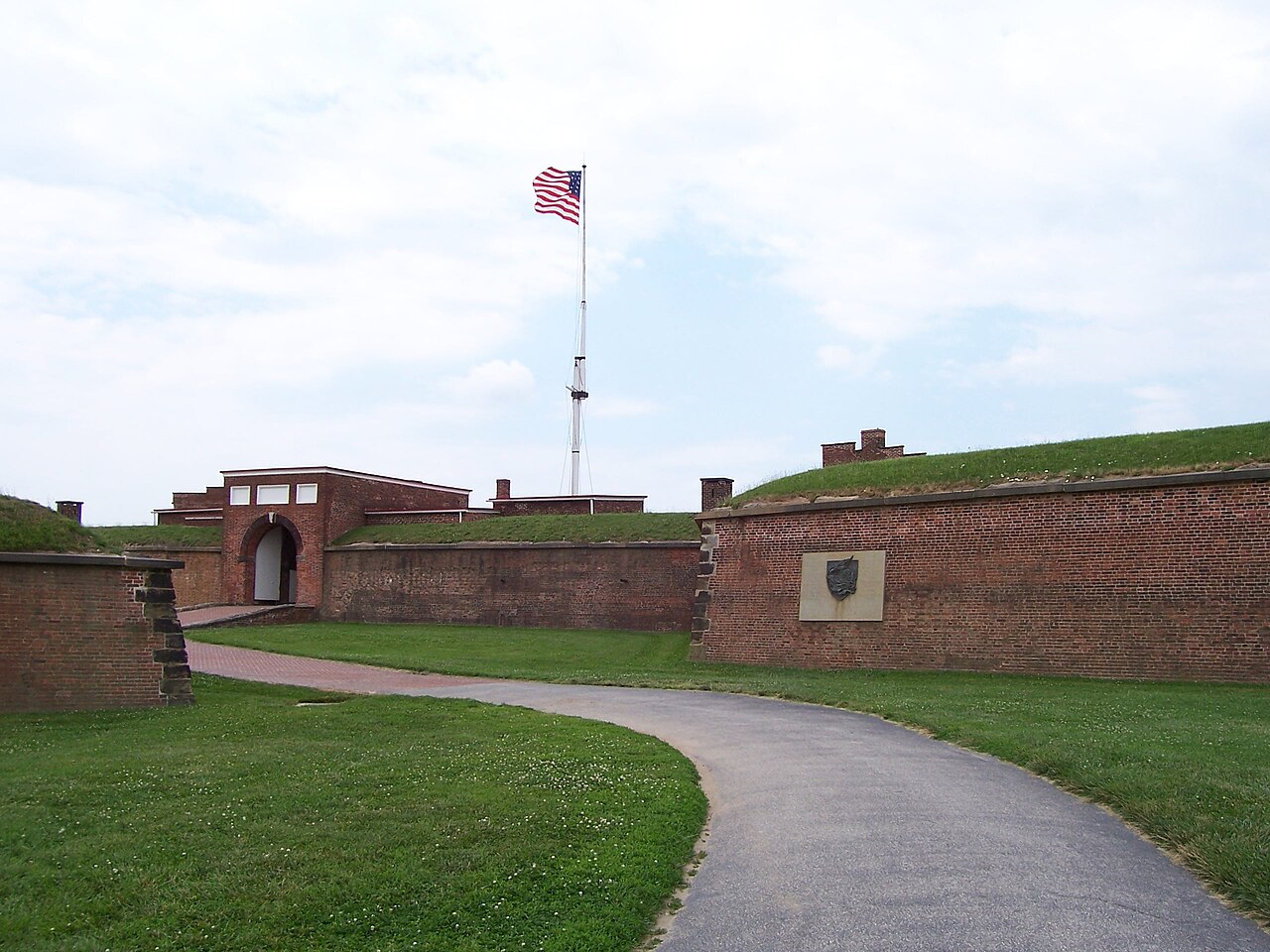
Fort McHenry is a significant bastioned fortress located on Locust Point in Baltimore, Maryland. Constructed in the late 18th century beginning in 1798, it was designed as a coastal defense fortification to protect the vital Baltimore Harbor from naval attacks. The fort's pentagonal shape and star-shaped bastions are characteristic of the post-Renaissance military architecture that emphasized angled walls to deflect cannon fire and provide overlapping fields of defensive fire.Architectural design and constructionThe design of Fort McHenry reflects the principles of Vauban-style fortifications, a European military engineering approach that influenced American coastal forts of the era. Its earthen walls reinforced with brick and stone formed a robust barrier against bombardment. The fort features ramparts equipped with numerous cannon embrasures, allowing defenders to fire on approaching enemy ships effectively. The moat surrounding the fort added an additional layer of defense, making direct assaults difficult.Inside, the fort contains barracks, powder magazines, and officers' quarters, arranged around a central parade ground. The layout was practical for the garrison's needs, balancing defensive capabilities with living and operational spaces.Historical significance and the war of 1812Fort McHenry is most renowned for its crucial role in the War of 1812, particularly during the Battle of Baltimore on September 13–14, 1814. British forces launched a heavy naval bombardment intending to capture Baltimore, a strategic American port city. Despite sustained shelling, the fort's defenses held firm, preventing the British fleet from advancing into the harbor.A pivotal moment was the flying of the American flags over the fort during the bombardment. Initially, a storm flag measuring 17 by 25 feet was raised, signaling American resilience. Early on September 14, this was replaced by a larger garrison flag, 30 by 42 feet, visible from miles away. The sight of the flag still flying at dawn inspired Francis Scott Key, who was witnessing the battle from a nearby ship, to compose the poem "Defence of Fort M'Henry." This poem was later set to music and became known as "The Star-Spangled Banner," adopted as the national anthem of the United States.Use and preservation through the centuriesAfter the War of 1812, Fort McHenry continued to serve as an active military installation. It was garrisoned and updated through the 19th century, including during the American Civil War, when it was used as a prison for Confederate prisoners. The fort remained in military use through World War I and was utilized by the United States Coast Guard during World War II.Recognizing its historic importance, the fort was designated a national park in 1925 and later a U.S. National Monument in 1939. Today, Fort McHenry is preserved as a well-preserved historic site and museum, offering visitors insight into early American military architecture and the nation's struggle for independence and defense.Cultural legacy and visitor experienceFort McHenry's enduring legacy is closely tied to its symbolic importance in American history. The fort is a popular destination for tourists and history enthusiasts, featuring exhibits on its military history, the War of 1812, and the story behind "The Star-Spangled Banner." Visitors can explore the bastions, ramparts, and historic buildings, and participate in reenactments and educational programs.The site also hosts ceremonies and events commemorating American heritage. Its location on the waterfront provides scenic views of the Chesapeake Bay and Baltimore Harbor, enhancing the visitor experience.

Post-Renaissance (17th–18th c.)
Details
66.2 km

Castle Gatehouse

Washington, United States of America

Castle Gatehouse, located on MacArthur Boulevard NW in Washington D.C., is a distinctive architectural landmark that combines functional utility with historic castle design. Built in 1901 as a pumping station for the Georgetown Reservoir, this structure is notable for its deliberate imitation of a medieval castle, standing out in the urban setting of the U.S. capital. Its design reflects early 20th-century civic architectural trends that sought to beautify public infrastructure with historic and romantic motifs. Architectural design and features Though primarily a utility building, the Castle Gatehouse was crafted with a strong emphasis on the aesthetics of castle architecture. The building features a symmetrical layout with a tower at each of its four corners, evoking the defensive towers typical of medieval fortifications. The crenellated battlements crowning the perimeter walls reinforce the fortress-like appearance, reminiscent of structures designed for defense in the Middle Ages. The windows are narrow and vertical, designed to mimic arrow slits or loopholes used by archers in medieval castles. This detail adds to the convincing castle silhouette despite the building's modern purpose. Constructed mainly of stone and brick, the materials emphasize solidity and permanence, further enhancing the fortress imagery. The waterside location on the Georgetown Reservoir complements the castle motif, as many historic castles were strategically built near water for defense and resource access. The setting also provides a scenic backdrop that highlights the building's architectural character. Historical context and significance Built during the post-Renaissance period in the early 20th century, the Castle Gatehouse reflects the romantic revival interest in medieval architecture that was popular in the United States at the time. Unlike true medieval castles, it does not adhere strictly to a single historic architectural style but rather blends elements to create an evocative and picturesque appearance. The building's primary function as a pumping station did not preclude an emphasis on architectural grandeur, a common trend in municipal projects of the era intended to inspire civic pride and beautify urban environments. Today, the Castle Gatehouse is recognized as an important cultural and historic landmark, listed on the National Register of Historic Places for its unique design and contribution to Washington D.C.'s architectural heritage. Current status and public access The Castle Gatehouse remains operational as a pumping station, playing a key role in the local water supply system. Due to its functional nature, the interior is not open to the public. However, visitors can view and photograph the building from MacArthur Boulevard NW, where it continues to attract photographers and history enthusiasts. The building's well-preserved exterior and distinctive medieval-inspired design make it a notable example of how infrastructure can also serve as a piece of architectural heritage. Architectural legacy and cultural impact The Castle Gatehouse exemplifies an innovative fusion of utility and historic architectural motifs, reflecting a broader early 20th-century trend to infuse municipal buildings with artistic and historic character. This approach transformed a simple pumping station into a landmark that fosters community identity and pride. Its listing on the National Register of Historic Places ensures ongoing recognition and preservation as a symbol of early 20th-century civic architecture and the American fascination with medieval revival styles in public works. Location and surroundings Situated on the edge of the Georgetown Reservoir, the Castle Gatehouse enjoys a scenic waterside setting. The nearby parkland and walking paths along the reservoir provide a pleasant environment for visitors to view the castle-like structure from a distance while enjoying the natural beauty of Washington D.C.

Post-Renaissance (17th–18th c.)
Details