The Berkeley Castle

Berkeley Castle in Berkeley Springs, West Virginia
Berkeley Springs, United States of America
Post-Renaissance (17th–18th c.)
Well Preserved

Berkeley Castle stands as a remarkable example of European-inspired architecture nestled in the scenic hilltops of Berkeley Springs, West Virginia. This striking edifice, listed on the National Register of Historic Places, draws direct inspiration from the historic Berkeley Castle of Gloucestershire, England. It embodies the spirit of the Gilded Age with its meticulous construction and rich architectural details that echo medieval European fortresses.

Historical context and construction

Constructed over a period of six years by a skilled team of 100 German masons, the castle’s building process was a feat of dedication and craftsmanship. Utilizing local silica sandstone, the materials were transported by horse and carriage to the hilltop site, highlighting the logistical challenges faced during the late 19th century. The castle’s footprint spans approximately 9,300 square feet, making it a substantial structure that commands its elevated position.

Architectural features and design

Exterior and defensive elements

The castle’s design incorporates classic medieval defensive elements, including a turreted rooftop with battlements that provide a commanding view of the surrounding landscape. The site’s steep topography enhances its natural defenses, reminiscent of traditional hill castles in Europe. Stone gargoyles adorn the exterior, serving both decorative and symbolic protective functions.

Interior highlights

Inside, the castle boasts a lavish ballroom featuring two intricately crafted stone fireplaces and a grand staircase that serves as a focal point for the interior space. A secret passageway leads to a hidden dungeon, adding an element of intrigue and historical authenticity. These features combine to create an atmosphere that is both elegant and evocative of medieval castles.

Preservation and modern use

While the castle has been modernized to accommodate contemporary needs, it retains its classic charm and architectural integrity. The Berkeley Castle Foundation, Inc. manages the property, which is now available for hosting special events, blending historic ambiance with modern functionality. Since summer 2020, the castle has welcomed event reservations, offering a unique venue for weddings, corporate gatherings, and cultural celebrations.

Location and visitor information

Located at 276 Cacapon Rd, Berkeley Springs, WV 25411, the castle is accessible to visitors and event planners alike. The site’s picturesque setting and historic significance make it a notable destination within West Virginia’s architectural heritage.

Frequently asked questions

  • What is the historical significance of Berkeley Castle? Berkeley Castle is a notable example of European medieval-inspired architecture in West Virginia, reflecting the Gilded Age’s fascination with historic styles and craftsmanship.
  • Can I host events at Berkeley Castle? Yes, the castle is available for special event reservations, including weddings and corporate functions, providing a unique and historic setting.
  • When was Berkeley Castle built? The castle was constructed over six years during the Gilded Age by 100 German masons using local sandstone.
  • What architectural style does Berkeley Castle represent? The castle draws inspiration from medieval European castles, featuring elements such as battlements, turrets, gargoyles, and a dungeon, characteristic of Gothic revival influences.
  • Is Berkeley Castle open to the public for tours? While primarily an event venue, the castle may offer tours or visits by appointment; contacting the Berkeley Castle Foundation is recommended for details.
  • Where is Berkeley Castle located? It is situated in Berkeley Springs, West Virginia, at 276 Cacapon Road, a scenic hilltop location enhancing its historic ambiance.

Frequently asked questions (FAQ)

What is the historical significance of Berkeley Castle?
Berkeley Castle is a notable example of European medieval-inspired architecture in West Virginia, reflecting the Gilded Age’s fascination with historic styles and craftsmanship.
Can I host events at Berkeley Castle?
Yes, the castle is available for special event reservations, including weddings and corporate functions, providing a unique and historic setting.
When was Berkeley Castle built?
The castle was constructed over six years during the Gilded Age by 100 German masons using local sandstone.
What architectural style does Berkeley Castle represent?
The castle draws inspiration from medieval European castles, featuring elements such as battlements, turrets, gargoyles, and a dungeon, characteristic of Gothic revival influences.
Is Berkeley Castle open to the public for tours?
While primarily an event venue, the castle may offer tours or visits by appointment; contacting the Berkeley Castle Foundation is recommended for details.
Where is Berkeley Castle located?
It is situated in Berkeley Springs, West Virginia, at 276 Cacapon Road, a scenic hilltop location enhancing its historic ambiance.

Information

Hill Castle

Current owner

Berkeley Castle Foundation, Inc.

Address

276 Cacapon Rd, Berkeley Springs, WV 25411

Loading map...

Visitor reviews

No reviews yet. Been here? Write the first review and help other travelers!

Write the first review

Visited this castle? Share your experience

Your review helps other travelers and adds first-hand knowledge to our encyclopedia.
Write a review

(5/5)

0/2000 characters

Your review will be visible after admin approval

Nearby castles

42.1 km
Fort Loudoun — United States of America castle

Fort Loudoun

, United States of America

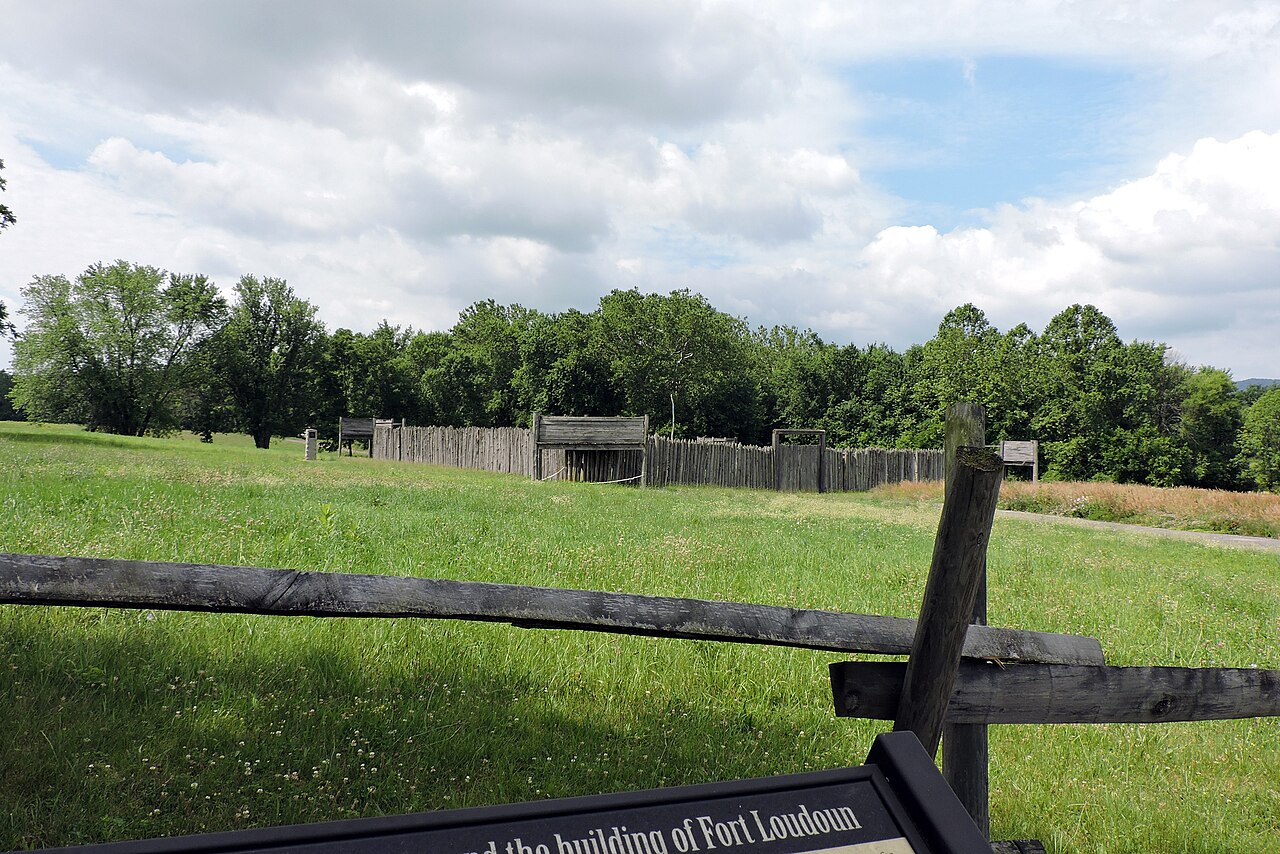
Fort Loudoun (also spelled Fort Loudon in reference to the modern town) was a significant bastioned fortress constructed in colonial Pennsylvania during the 18th century. Named after John Campbell, 4th Earl of Loudoun, the fort played a crucial role in the military campaigns of the mid-1700s, particularly during the French and Indian War. The strategic role of Fort Loudoun in colonial America Built in 1756 by the Second Battalion of the Pennsylvania Regiment under the command of Colonel John Armstrong, Fort Loudoun was established as a defensive post on the Forbes Road. This road was a vital supply and troop route during the Forbes expedition, which aimed to capture the French-held Fort Duquesne at the strategic confluence of the Allegheny and Monongahela Rivers, present-day Pittsburgh. The fort's location allowed it to serve as a staging ground and logistical base for British colonial forces. Its bastioned design provided enhanced defensive capabilities against both French forces and their Native American allies, reflecting military architectural trends of the post-Renaissance period where angled bastions allowed for better coverage of defensive fire. Architectural features and military design Fort Loudoun was constructed following the principles of a bastioned fortress, a style that emerged in Europe during the Renaissance and was adapted in colonial America for frontier defense. The fort featured angular bastions at its corners, designed to eliminate blind spots and allow defenders to cover the walls with intersecting fields of fire. The fort's walls were likely made of earthworks reinforced with timber palisades, a common construction method for frontier forts in the American colonies. This combination provided both resilience against artillery and expedient construction using available materials. Inside the fort, there would have been barracks, storage buildings, and defensive ditches or moats to slow attackers. Military campaigns and historical significance Fort Loudoun remained occupied through several key conflicts. After the successful Forbes expedition drove the French from Fort Duquesne in 1758, the fort continued to serve as a military base during Pontiac's War (1763-1766), a widespread Native American uprising against British postwar policies and expansion. In 1764, the fort was a base for Colonel Henry Bouquet's campaign, which was aimed at suppressing Native American resistance in the Ohio Country. Bouquet's forces used Fort Loudoun as a supply and coordination point for their operations. During the 1765 Black Boys Rebellion, Fort Loudoun became a flashpoint when local settlers, angered by British policies that restricted their access to firearms and supplies intended for Native Americans, attacked the fort. The garrison was forced to retreat to Fort Bedford, and Fort Loudoun was subsequently abandoned. Legacy and current status Today, Fort Loudoun no longer stands as a preserved structure, but it remains an important historical site reflecting colonial military strategy and frontier defense. The fort's role in the French and Indian War and subsequent conflicts illustrates the complex interactions between European powers, Native American tribes, and colonial settlers in 18th-century North America. Archaeological investigations and historical records continue to shed light on the fort's layout, construction, and operational history, contributing to a greater understanding of colonial military architecture and frontier warfare.

Post-Renaissance (17th–18th c.)
Details
118.5 km

Dane Castle

Strongstown, United States of America

Dane Castle, also known as Great Dane Castle, stands as a unique example of contemporary castle architecture in Strongstown, Pennsylvania. Constructed in 2001-2002, this private residence was the realization of a lifelong dream by former professional wrestler Mike Mahalko and his wife. The castle was designed to emulate the grandeur and defensive features of medieval fortifications, blending modern construction techniques with authentic architectural details inspired by the medieval period. Architectural features and design inspiration The castle incorporates several hallmark elements of medieval castle architecture, such as a dry moat that encircles the structure, a drawbridge providing controlled access, and crenellations along the parapets that evoke the defensive battlements of historic castles. Upon entering, visitors would find themselves in a great hall, a central space traditionally used for gatherings and ceremonies in medieval castles. These features reflect a careful attention to the aesthetics and functional symbolism of medieval fortifications, despite the castle's modern origins. Construction and materials Built as a private home rather than a fortress, Dane Castle combines modern building materials with design elements that suggest solidity and permanence. The walls, towers, and other structural components were constructed to evoke the appearance of stone masonry typical of high medieval castles, though using contemporary techniques to ensure comfort and safety. The castle's layout and architectural details were chosen to create an immersive medieval atmosphere while serving the needs of a modern household. Historical context and personal significance Mike Mahalko and his wife, inspired by their passion for the Great Dane dog breed, named the castle in honor of their beloved pets. The castle was not only their private residence but also a symbol of their shared interests and lifestyle. While primarily a home, Dane Castle was occasionally opened to fellow enthusiasts of medieval architecture and history, who appreciated the authentic details and the owner's dedication to recreating a castle experience. Community engagement and visitor access Although Dane Castle once welcomed visitors for tours and events, it currently functions strictly as a private residence. There is no official website or social media presence for the castle, and public tours are no longer offered. Visitors are kindly asked to respect the privacy of the owners and refrain from attempting to access the property without permission. Architectural classification and preservation status Dane Castle is best classified as a contemporary hill castle style private residence, reflecting its modern construction date and location. Its preservation status is well preserved, maintained as a lived-in home with careful attention to the upkeep of its distinctive medieval-inspired features. While not a historic castle in the traditional sense, Dane Castle exemplifies the enduring appeal of castle architecture and the ways in which it continues to inspire modern design. Significance in modern castle architecture As a privately built castle, Dane Castle contributes to the niche category of modern residences inspired by medieval fortifications. It demonstrates how historical architectural forms can be adapted for contemporary living, blending romanticized medieval aesthetics with practical modern amenities. This makes Dane Castle a notable example of the ongoing cultural fascination with castles and their symbolism.

Contemporary (20th–21st c.)
Details
123.4 km

Castle Gatehouse

Washington, United States of America

Castle Gatehouse, located on MacArthur Boulevard NW in Washington D.C., is a distinctive architectural landmark that combines functional utility with historic castle design. Built in 1901 as a pumping station for the Georgetown Reservoir, this structure is notable for its deliberate imitation of a medieval castle, standing out in the urban setting of the U.S. capital. Its design reflects early 20th-century civic architectural trends that sought to beautify public infrastructure with historic and romantic motifs. Architectural design and features Though primarily a utility building, the Castle Gatehouse was crafted with a strong emphasis on the aesthetics of castle architecture. The building features a symmetrical layout with a tower at each of its four corners, evoking the defensive towers typical of medieval fortifications. The crenellated battlements crowning the perimeter walls reinforce the fortress-like appearance, reminiscent of structures designed for defense in the Middle Ages. The windows are narrow and vertical, designed to mimic arrow slits or loopholes used by archers in medieval castles. This detail adds to the convincing castle silhouette despite the building's modern purpose. Constructed mainly of stone and brick, the materials emphasize solidity and permanence, further enhancing the fortress imagery. The waterside location on the Georgetown Reservoir complements the castle motif, as many historic castles were strategically built near water for defense and resource access. The setting also provides a scenic backdrop that highlights the building's architectural character. Historical context and significance Built during the post-Renaissance period in the early 20th century, the Castle Gatehouse reflects the romantic revival interest in medieval architecture that was popular in the United States at the time. Unlike true medieval castles, it does not adhere strictly to a single historic architectural style but rather blends elements to create an evocative and picturesque appearance. The building's primary function as a pumping station did not preclude an emphasis on architectural grandeur, a common trend in municipal projects of the era intended to inspire civic pride and beautify urban environments. Today, the Castle Gatehouse is recognized as an important cultural and historic landmark, listed on the National Register of Historic Places for its unique design and contribution to Washington D.C.'s architectural heritage. Current status and public access The Castle Gatehouse remains operational as a pumping station, playing a key role in the local water supply system. Due to its functional nature, the interior is not open to the public. However, visitors can view and photograph the building from MacArthur Boulevard NW, where it continues to attract photographers and history enthusiasts. The building's well-preserved exterior and distinctive medieval-inspired design make it a notable example of how infrastructure can also serve as a piece of architectural heritage. Architectural legacy and cultural impact The Castle Gatehouse exemplifies an innovative fusion of utility and historic architectural motifs, reflecting a broader early 20th-century trend to infuse municipal buildings with artistic and historic character. This approach transformed a simple pumping station into a landmark that fosters community identity and pride. Its listing on the National Register of Historic Places ensures ongoing recognition and preservation as a symbol of early 20th-century civic architecture and the American fascination with medieval revival styles in public works. Location and surroundings Situated on the edge of the Georgetown Reservoir, the Castle Gatehouse enjoys a scenic waterside setting. The nearby parkland and walking paths along the reservoir provide a pleasant environment for visitors to view the castle-like structure from a distance while enjoying the natural beauty of Washington D.C.

Post-Renaissance (17th–18th c.)
Details

