The architectural style and features
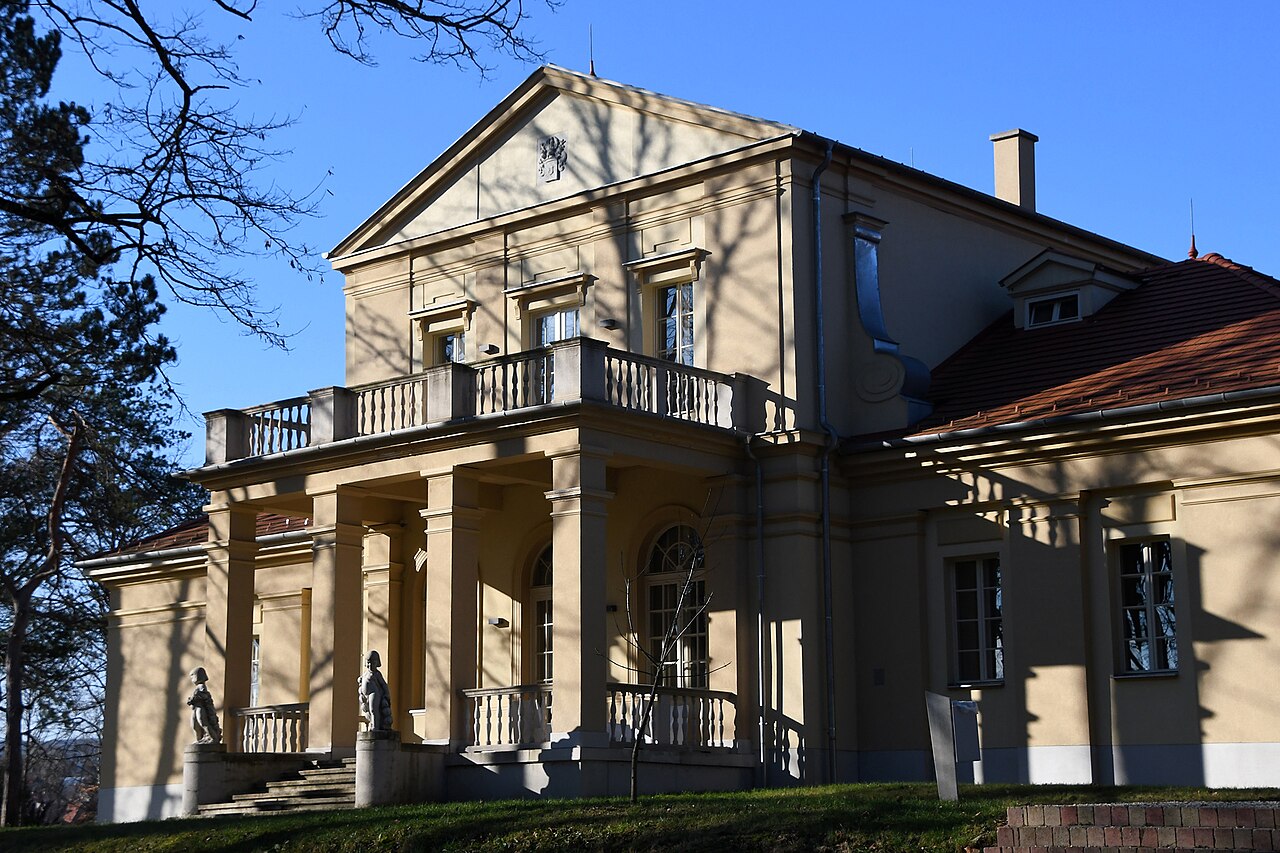
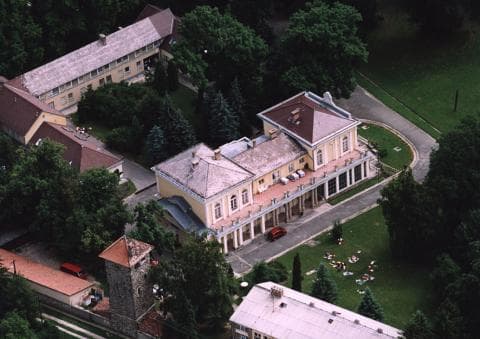
The mansion is characterized by its classic manor house architecture, typical of Hungarian noble estates from the 18th century. Its design likely includes a symmetrical facade, large windows, and a central entrance, reflecting the elegance and functionality desired by the aristocracy of the time. The building would have been surrounded by extensive gardens or parkland, which was common for estates owned by noble families such as the Telekis and Tiszas.
The interiors traditionally feature spacious rooms with high ceilings, ornate stucco work, and period-appropriate furnishings. The layout would accommodate both private family quarters and formal reception areas, emphasizing the social status and cultural refinement of its inhabitants.
Historical significance and ownership
The Teleki family and the Tisza family were influential noble houses in Hungarian history, involved in politics, culture, and landownership. The mansion served as a residence and a symbol of their wealth and power. Throughout its history, the estate may have witnessed various historical events and changes in ownership, reflecting the broader shifts in Hungarian aristocracy and society.
While detailed records of the mansion's specific historical events are limited, the association with these families underscores its importance in Hungary's noble heritage.
Preservation and current condition
The current state of the Teleki–Tisza Mansion varies depending on local preservation efforts. Many such manor houses in Hungary have faced challenges due to changing political and economic circumstances over the centuries. Some have been restored and maintained as cultural monuments, while others have suffered neglect or partial decay.
Efforts to preserve these estates often focus on maintaining architectural integrity and promoting their historical value to the public. The mansion may be accessible to visitors or serve as a cultural site, depending on its ownership and conservation status.
The cultural context of Hungarian manor houses
Manor houses like the Teleki–Tisza Mansion played a central role in the rural aristocratic life of Hungary. They were not only private residences but also centers of local administration, economic management, and social gatherings. The architecture of these estates reflects a blend of functional design and aesthetic considerations, influenced by European trends and Hungarian traditions.
Such mansions contribute to understanding the social hierarchy, land tenure, and cultural practices of Hungary's past. They remain significant for historians, architects, and visitors interested in the country's noble history and architectural heritage.
Frequently asked questions (FAQ)
- What is the Teleki–Tisza Mansion?
- The Teleki–Tisza Mansion is a historic noble residence in Hungary associated with the Teleki and Tisza families, exemplifying 18th-century manor architecture.
- Where is the Teleki–Tisza Mansion located?
- The exact city or town of the Teleki–Tisza Mansion within Hungary is not well documented, but it is part of Hungary's noble estate heritage.
- What architectural style does the mansion represent?
- The mansion features classic manor house architecture typical of Hungarian noble estates from the 18th century, with symmetrical facades and spacious interiors.
- Is the Teleki–Tisza Mansion open to visitors?
- Information about public access or visiting hours for the Teleki–Tisza Mansion is not widely available, so potential visitors should check local sources.
- Why is the Teleki–Tisza Mansion historically significant?
- The mansion symbolizes the wealth and influence of the Teleki and Tisza noble families and reflects the cultural and social history of Hungary's aristocracy.
Photo gallery

Information
Loading map...
Visitor reviews
No reviews yet. Been here? Write the first review and help other travelers!
Write the first reviewVisited this castle? Share your experience
Your review helps other travelers and adds first-hand knowledge to our encyclopedia.