Teleki Castle
Teleki Castle, located in Luna de Jos, Romania, stands as a significant historical monument reflecting the complex history of Transylvanian nobility in the 17th century. Built by the prominent Teleki family, the castle was constructed between 1650 and 1700 under the direction of Pál Teleki, a nobleman known for his philanthropy and political involvement during a turbulent era marked by the Kuruc uprising against Habsburg rule.
The castle exemplified the dual role of aristocratic residences in the 17th century as both defensive strongholds and symbols of social status. Its strategic hill castle location provided natural fortification advantages, typical of the period's military architecture. The castle complex originally included a main residential building, outbuildings, extensive gardens, and robust defensive works designed to protect the estate and its inhabitants.
Historical context and construction
The construction of Teleki Castle began around 1650, a period when Transylvania was a semi-independent principality under Ottoman suzerainty, yet influenced by Habsburg and local noble interests. The Teleki family, influential landowners and politicians, commissioned the castle to serve as their rural seat and hunting lodge.
Pál Teleki, the key figure behind the castle's construction, was an important noble who supported Francis II Rákóczi during the early 18th-century Kuruc uprising. This uprising was a major anti-Habsburg revolt seeking to assert Hungarian autonomy. Following the defeat of the Kuruc forces, the Habsburg imperial army targeted supporters like the Telekis, leading to the castle's destruction shortly after its completion around 1700.
Architectural features and surviving elements
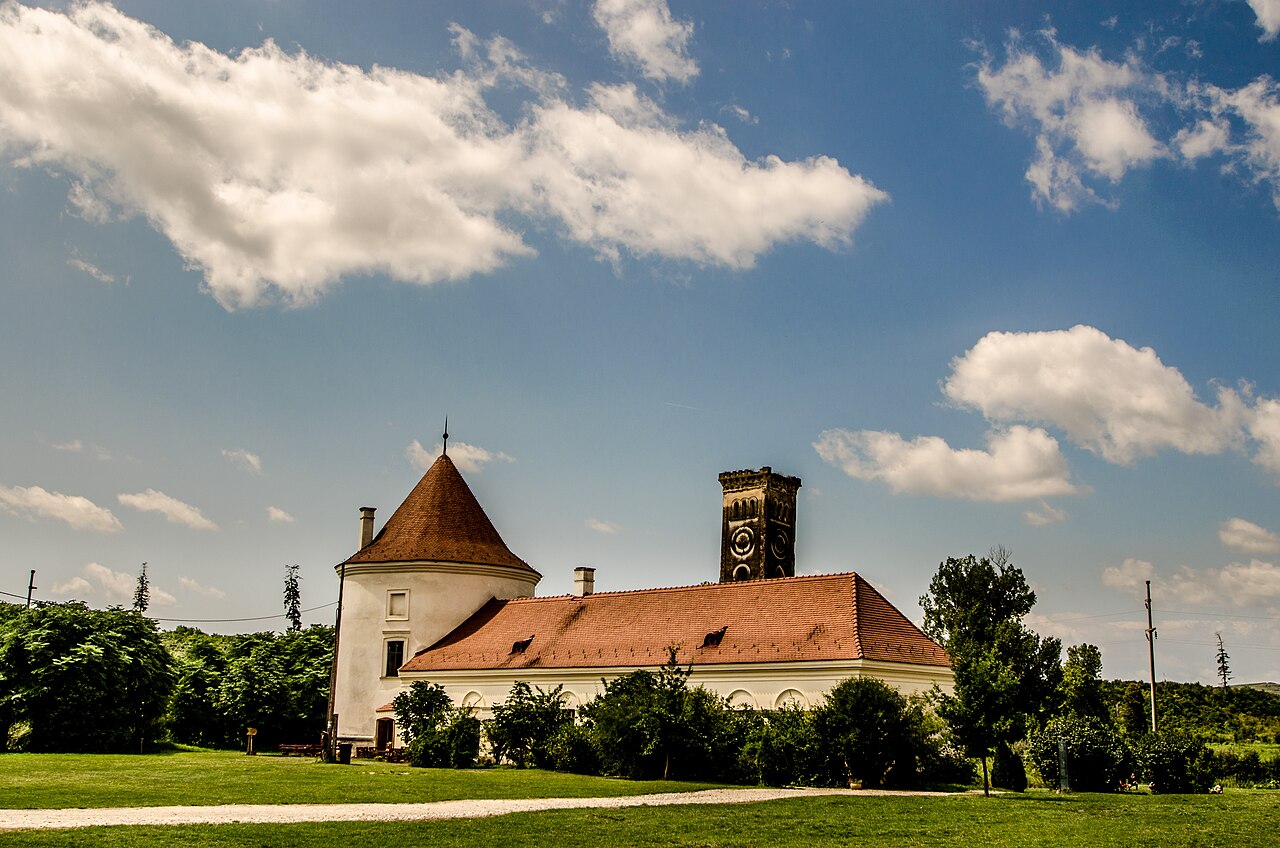
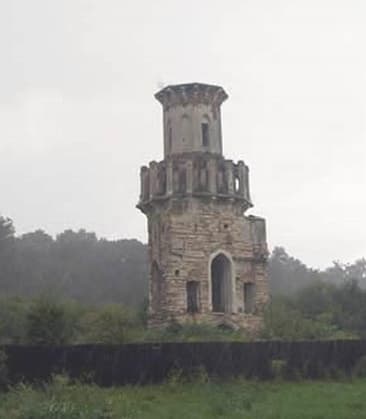
Despite the castle's destruction, several significant elements survive, providing insight into its original design and function. The most prominent remnant is the southern hunting tower, a tall structure approximately 35 meters high. This tower likely served both as a lookout point overseeing the surrounding landscape and as a symbol of the family's status and power. Constructed from local stone, the tower's endurance highlights the quality of materials and craftsmanship.
The castle's defensive components included thick walls and fortified gates, characteristic of hill castles designed to withstand sieges and raids. Although the main buildings were demolished, parts of the defensive perimeter were rebuilt using stones salvaged from the ruins.
The defensive wall and neoclassical pavilion
In the century following the castle's destruction, local inhabitants repurposed its stones to construct a substantial defensive wall approximately 700 meters long, 1 meter thick, and 4 meters high. This wall enclosed parts of the estate, adapting the site’s defensive role to new needs. However, after 1980, nearly 500 meters of this wall were dismantled, leaving about 200 meters still visible near the local hospital.
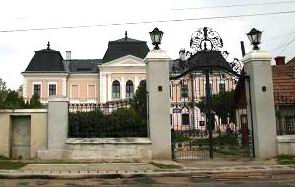
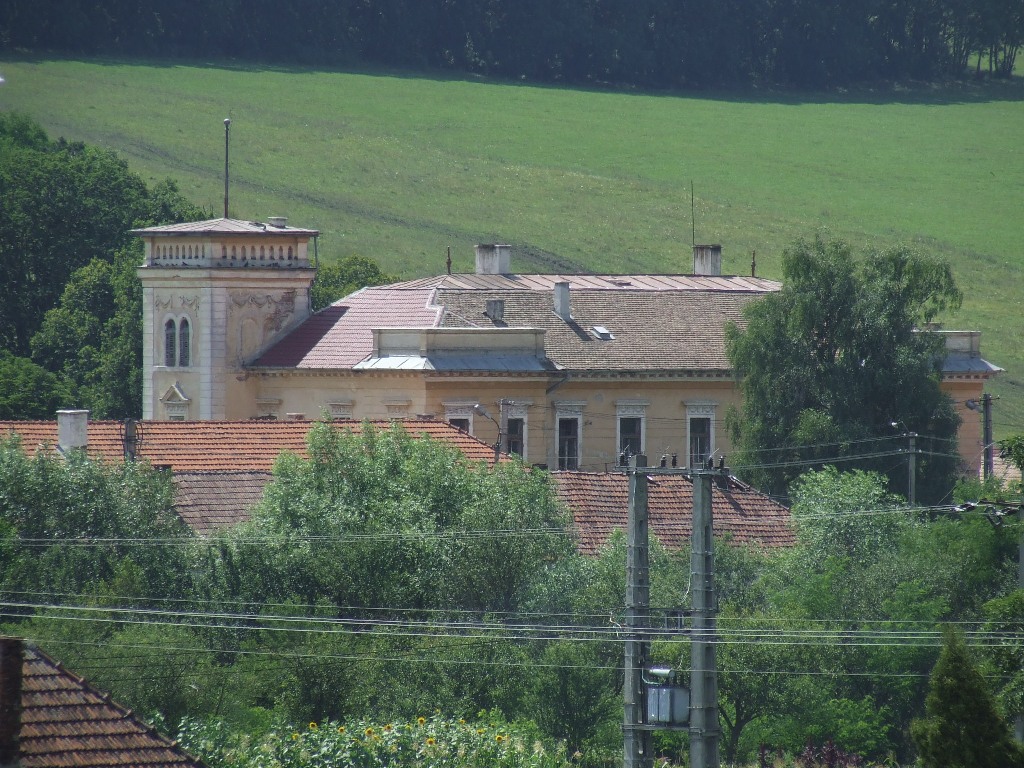
Additionally, a neoclassical pavilion was erected in the 18th century within the castle grounds using the same reclaimed stones. This pavilion features a ground floor, an upper floor, and a pitched roof, exemplifying the elegant architectural transition from military to more refined residential and leisure functions on the estate.
The estate’s transformation and modern usage
Over the centuries, the Teleki estate evolved from a noble defensive residence to a multifunctional property reflecting changing social and political realities. During the communist era in Romania, the neoclassical pavilion served as the headquarters of a collective agricultural unit, illustrating the shift from aristocratic to communal land management.
Today, the pavilion has been adapted for social services, operating as a center for social assistance and child protection. This contemporary use ensures the preservation and continued relevance of the historic site within the local community.
Landscape and natural heritage
The castle grounds include an ancient park that has been preserved remarkably well. The park contains a diverse collection of venerable trees, including oaks, beeches, and chestnuts, some estimated to be over 500 years old. These ancient trees form a living link to the estate's past and contribute to the cultural and natural heritage of the region.
The park’s preservation alongside the architectural remnants offers visitors a unique experience combining history, nature, and heritage conservation.
Archaeological and cultural significance
The remains of Teleki Castle, including the hunting tower, defensive walls, pavilion, and park, collectively narrate the story of Transylvanian aristocracy, military conflicts, and social transformations spanning several centuries. The site is a valuable resource for historians, archaeologists, and visitors interested in the region's complex past.
Its status as a hill castle built in the 17th century reflects architectural trends of the late medieval and early modern periods in Eastern Europe, blending defensive features with residential comfort and status symbolism.
Preservation efforts focus on maintaining the structural integrity of the surviving tower and pavilion, as well as protecting the ancient trees and parkland that enhance the site's historical ambiance.
Frequently asked questions (FAQ)
- When was Teleki Castle built and by whom?
- Teleki Castle was built between 1650 and 1700 by the noble Teleki family, with Pál Teleki playing a key role in its construction.
- What remains of Teleki Castle can visitors see today?
- Visitors can see the southern hunting tower, parts of a defensive wall, a neoclassical pavilion, and an ancient park with centuries-old trees.
- What historical events affected Teleki Castle?
- The castle was destroyed shortly after completion due to the Teleki family's support of Francis II Rákóczi during the Kuruc uprising against Habsburg rule.
- Can I visit the Teleki Castle grounds and park?
- The castle grounds and park are accessible to visitors, offering a unique combination of historical architecture and natural heritage.
- How has the castle site been used in modern times?
- The neoclassical pavilion served as a collective farm headquarters during communism and now functions as a social assistance and child protection center.
Photo gallery

Photo by Utilizator:Roamata•Public domain
Information
Loading map...
Visitor reviews
No reviews yet. Been here? Write the first review and help other travelers!
Write the first reviewVisited this castle? Share your experience
Your review helps other travelers and adds first-hand knowledge to our encyclopedia.