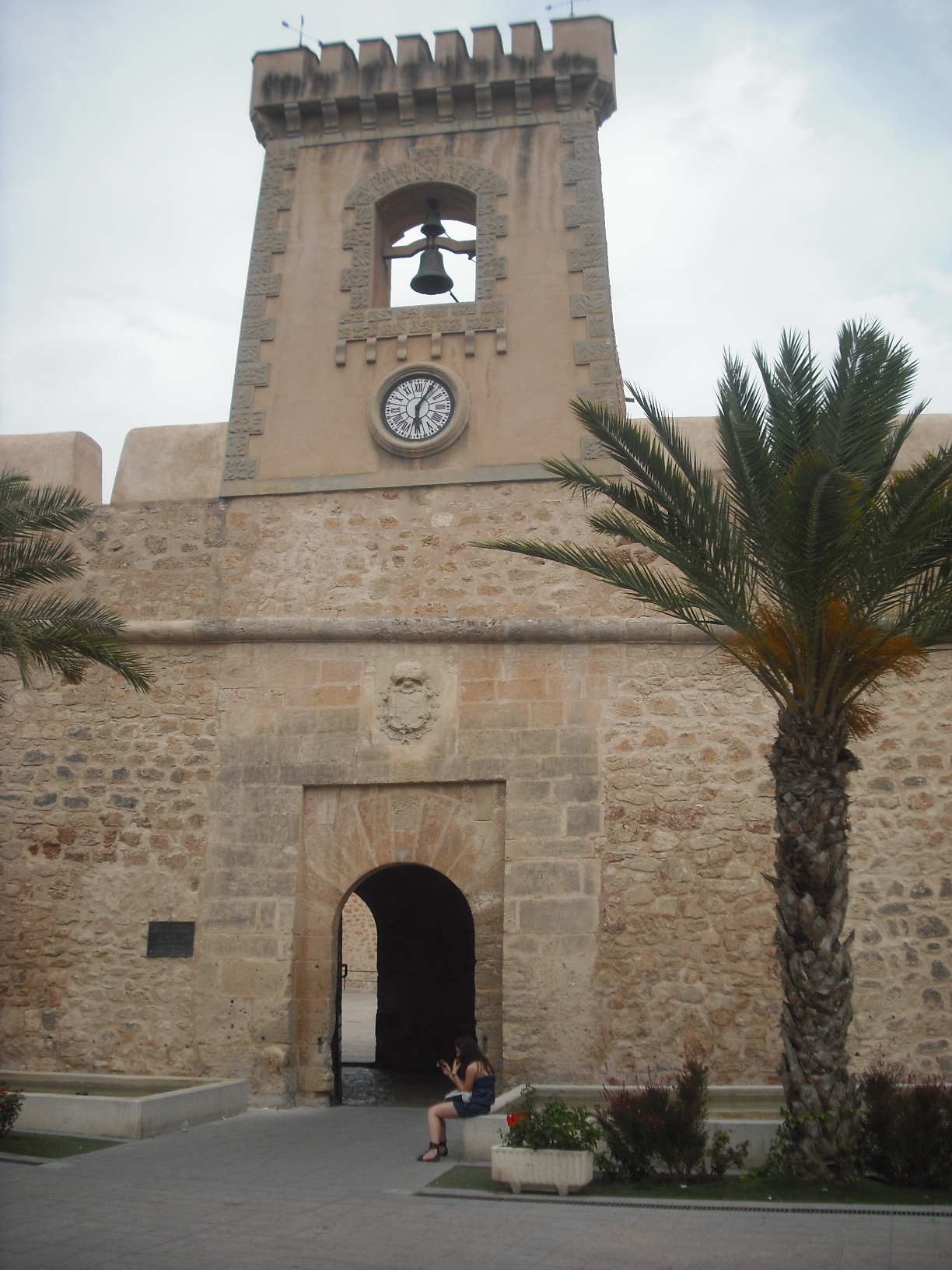
Tamarit Tower
Tamarit Tower, locally known as Torre de Tamarit, is a 16th-century Renaissance watchtower located on a small island within the salt lagoons east of Santa Pola in the province of Alicante, Spain. This tower is part of a network of defensive structures built along the Spanish Mediterranean coast during the 16th century to protect against the frequent raids by Barbary pirates originating from North Africa.
Historical context and strategic purpose
Following the establishment of the Turkish Regency of Algiers in 1516, the Spanish Mediterranean coastline faced increasing threats from Barbary pirate attacks. These pirates conducted raids on coastal towns and rural settlements, plundering resources and capturing inhabitants as slaves. To counter this menace, the Spanish Crown initiated a comprehensive coastal defense system. Starting in 1552, under the reign of Charles V, Holy Roman Emperor, a series of watchtowers were constructed along the coast from Alicante to Cádiz. The majority of these towers were completed or enhanced during the reign of his son, Philip II of Spain, in the latter half of the 16th century.
Tamarit Tower was uniquely positioned not directly on the coastline but on an island in the salt lagoons, which limited its direct observation of the sea. Instead, it served a vital role in the communication network between other fortifications. It relayed signals between Santa Pola Castle and nearby towers such as the Ressemblanc Tower near Elche. Communication was achieved using smoke signals by day and fire signals by night, allowing rapid transmission of warnings about pirate movements along the coast.
Architectural features and construction
The tower exemplifies Renaissance military architecture adapted for coastal defense. It is a compact, robust structure designed to withstand attacks and provide a vantage point for signaling. The tower's construction utilized local stone materials, with thick walls to resist cannon fire and to protect the garrison stationed there. Its location on a small island within the salt lagoons added a natural defensive barrier, complicating direct assault from land-based attackers.
The tower's design includes a main observation platform and internal chambers that would have housed the watchmen and their signaling equipment. Although it did not have extensive artillery emplacements like larger coastal fortresses, its role as a communication relay was crucial for the broader defensive network.
Restoration and current status
By the 20th century, Tamarit Tower had fallen into ruin, reflecting the obsolescence of such watchtowers with the decline of pirate threats and changes in military technology. Around 2010, restoration efforts were undertaken to stabilize and restore the tower to a condition close to its historical appearance. These efforts preserved the tower as a cultural and historical monument, highlighting its significance in the region's maritime defense heritage.
Currently, the tower is not open to public visits, but it remains easily visible from the adjacent N-332 road, which runs directly beside the tower's island. Its picturesque setting amidst the salt lagoons and proximity to Santa Pola make it a notable landmark for travelers and history enthusiasts.
Significance in coastal defense networks
The construction of Tamarit Tower is part of a broader Spanish strategy during the Renaissance to create an integrated system of coastal watchtowers and fortresses. This network allowed for early detection and rapid communication of pirate incursions, significantly enhancing the security of coastal communities. The tower's role as a relay point underscores the importance of visual signaling methods in pre-modern military communication.
Its placement away from the immediate shoreline, on a lagoon island, was strategic for maintaining communication lines while minimizing vulnerability. This reflects the nuanced military planning characteristic of Renaissance fortification efforts in Spain.
Frequently asked questions (FAQ)
- How do I get to Tamarit Tower?
- Tamarit Tower is located in Santa Pola, Spain, and can be easily accessed by car or public transportation from nearby cities. If you are driving, there is parking available near the tower. For public transport, check local bus schedules for routes that service Santa Pola.
- What is the historical significance of Tamarit Tower?
- Tamarit Tower, built in the 16th century, served as a key defense structure against pirate attacks along the Mediterranean coast. It is an impressive example of military architecture from the period and reflects the historical importance of coastal fortifications in Spain. Today, it stands as a monument to the region's rich maritime history.
- When was Tamarit Tower built?
- Tamarit Tower was constructed in the year 1586, during a time when coastal defenses were crucial for protecting against piracy. The tower has withstood the test of time and continues to be a significant historical landmark in the area. Its architecture and design provide insight into the military strategies of the era.
- Can I visit Tamarit Tower?
- Yes, visitors are welcome to explore Tamarit Tower. Guided tours are available, which provide an in-depth look at the tower's history and architecture. It is advisable to check the official website for any special events or group tour options.
- Why is Tamarit Tower popular among tourists?
- Tamarit Tower is popular due to its stunning coastal views and historical significance. The combination of beautiful scenery and rich history attracts both history enthusiasts and casual visitors alike. Additionally, its proximity to Santa Pola makes it an easy stop for tourists exploring the region.
- Is it possible to enter the tower?
- Yes, visitors can enter Tamarit Tower as part of guided tours. Inside, you will find exhibits that detail its history and architectural features. It’s a great opportunity to learn more about the historical context of the tower and enjoy panoramic views from the top.
- What are the opening hours for Tamarit Tower?
- Tamarit Tower typically opens to visitors from 10 AM to 6 PM, but hours may vary depending on the season. It is recommended to check the official website or contact local tourist information for the most accurate and up-to-date hours. Special holiday hours may also apply.
- What are the ticket prices for visiting Tamarit Tower?
- Ticket prices for Tamarit Tower are generally affordable, with discounts available for children and seniors. As prices may vary, it is best to check the official website for the latest information on admission fees. Group rates may also be available for larger parties.
- When is the best time to visit Tamarit Tower?
- The best time to visit Tamarit Tower is during the spring and fall when the weather is mild and pleasant. Summer can be quite hot, making it less comfortable for exploration. Additionally, visiting during the weekday can help avoid larger crowds.
- Are there any nearby attractions to visit after Tamarit Tower?
- Yes, after visiting Tamarit Tower, you can explore the beautiful beaches of Santa Pola or visit the nearby Santa Pola Aquarium. The town also offers a charming harbor area filled with local shops and restaurants, perfect for a leisurely stroll or dining experience. Additionally, the Natural Park of Salinas is a short drive away and worth a visit for nature lovers.
Information
Address
Next to the N-332 road, Santa Pola, Alicante, Spain
Loading map...
Visitor reviews
No reviews yet. Been here? Write the first review and help other travelers!
Write the first reviewVisited this castle? Share your experience
Your review helps other travelers and adds first-hand knowledge to our encyclopedia.