Swords Castle
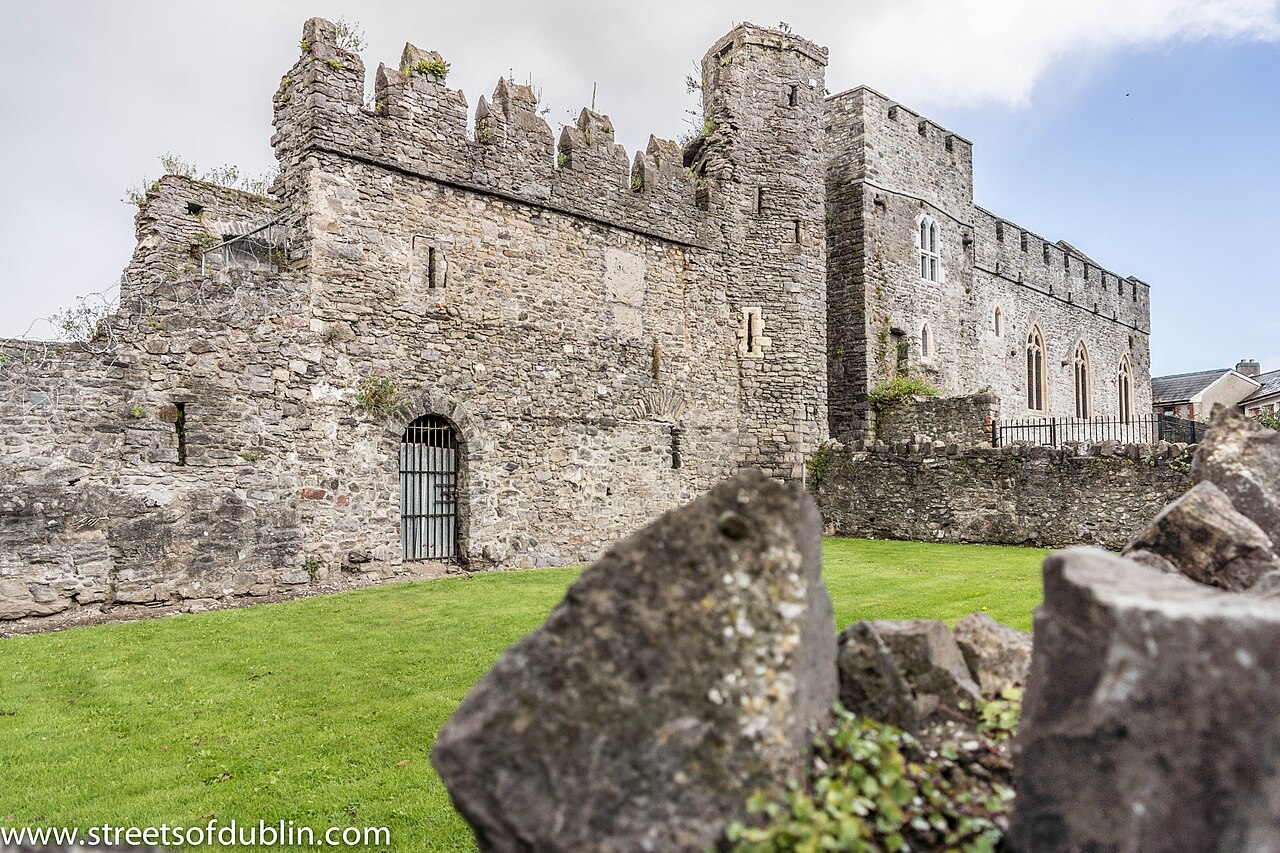
Swords Castle stands as a remarkable example of a High Medieval Anglo-Norman castle located in the town of Swords, Ireland. Constructed around 1200 as the manorial residence of John Comyn, the first Anglo-Norman Archbishop of Dublin, the castle served both as a home and an administrative center for the surrounding lands. While it was never heavily fortified for military defense, its unusually large pentagonal curtain wall enclosing nearly 6,000 square meters distinguishes it from typical Irish castles of the period.
The origins and medieval significance of swords castle
The establishment of Swords Castle shortly after 1200 was closely tied to the consolidation of Anglo-Norman power in Ireland. As the episcopal seat of the Archbishop of Dublin, the castle was central to ecclesiastical governance and local administration. It housed an ecclesiastical court and was managed by a seneschal, who oversaw the estate's operations. This period of prominence lasted until the early 14th century, when Archbishop Alexander de Bicknor shifted the archiepiscopal residence to a new palace at Tallaght.
Despite losing its status as the primary episcopal home, Swords Castle continued to function as a residence for constables and officials through the 14th and early 16th centuries. The appointment of Thomas Fitzsimons as constable in 1547 exemplifies the ongoing administrative role of the castle during this time.
Architectural layout and features
Extensive pentagonal curtain wall and gate complex
The castle is enclosed within a large five-sided curtain wall approximately 305 meters in length, enclosing an area of about 6,000 square meters (roughly 1.5 acres). This unusually expansive perimeter is a defining characteristic of the site, reflecting its dual function as both a residence and administrative center rather than a purely military fortress.
The southern face of the castle features an impressive gateway complex, which served as the main point of access. Adjacent to this entrance are rooms for the warder and janitor, with a priest's chamber positioned above the gateway, indicating a carefully planned functional layout. The castle's stepped battlements suggest some degree of fortification or repair activity during the 15th century but were not designed for heavy military engagement.
Residential and ecclesiastical buildings within the enclosure
Within the walls, the castle housed the archbishop's apartments, living quarters for knights, and a large hall used for banquets and official gatherings. Historical records from 1326 mention a great hall on the eastern side, though this structure no longer survives.
On the northern side stands the Constable's Tower, a prominent structure believed to have served as the residence of the castle's constable. This tower has undergone restoration efforts in recent decades and remains accessible to visitors today.
Nearby, a late 13th-century chapel provided a private place of worship for the archbishop, emphasizing the castle's ecclesiastical significance.
Historical events and changing roles
Swords Castle experienced significant challenges during its history. It suffered damage during the 1317 military campaign led by Edward Bruce, which likely contributed to its decline as the archbishop's primary residence. In 1583, the castle briefly housed Dutch Protestant settlers brought in by the Viceroy of Ireland, Sir Henry Sydney, who repaired parts of the structure to shelter these weavers and promote local industry.
During the 1641 Rebellion, the castle served as a refuge for Anglo-Irish Catholic families living in The Pale. These families were dispersed violently by forces under Sir Charles Coote, with many casualties. Archaeological excavations have uncovered human burials near the castle, likely connected to this turbulent episode.
By the 19th century, the castle had lost much of its former importance and was repurposed for agricultural use. A local shopkeeper, Robert Savage, leased the grounds and transformed the area into gardens and orchards for produce cultivation and sale.
Preservation and modern use
Preservation efforts began in the 20th century, with the Irish Office of Public Works assuming guardianship in the 1930s. Later, Dublin County Council acquired the property in 1985 and initiated restoration programs. Significant work was carried out on the Constable's Tower between 1996 and 1998, restoring it to a condition suitable for public access.
Other parts of the castle remain under restoration, with adaptations for modern uses such as filming locations and hosting weddings in the chapel. The site is open to the public, offering insight into its rich history and architectural heritage.
Archaeological discoveries and significance
Excavations at Swords Castle have revealed medieval tile pavements that once adorned interior floors, highlighting the castle's status and the quality of its construction. The discovery of human burials near the site provides a poignant connection to the violent events of the 1641 Rebellion and underscores the castle's role in regional conflicts.
These findings contribute to understanding the castle's multifaceted history as both a religious center and a site of military and social upheaval in medieval Ireland.
Frequently asked questions (FAQ)
- What is the historical significance of Swords Castle?
- Swords Castle is a 13th-century fortress that played a crucial role in the defense of Dublin and the surrounding areas during medieval times. It was originally built by the Anglo-Normans and is one of the best-preserved examples of their architecture in Ireland.
- When was Swords Castle built?
- Swords Castle was constructed in the late 12th century, around 1200 AD. It was built shortly after the Anglo-Norman invasion of Ireland and has since been an important historical site.
- What are the opening hours for Swords Castle?
- Swords Castle is typically open to visitors from 10 AM to 5 PM, with extended hours during the summer months. However, it's advisable to check the official website for any seasonal changes or special events that may affect access.
- Can I visit Swords Castle year-round?
- Yes, Swords Castle is open to visitors throughout the year, but hours may vary seasonally. It’s recommended to plan your visit in advance, especially during holidays or special events.
- Is Swords Castle accessible for visitors with disabilities?
- Yes, Swords Castle strives to be accessible to all visitors. There are pathways and facilities in place to accommodate guests with mobility challenges, ensuring everyone can enjoy the historical site.
- What is the best time to visit Swords Castle?
- The best time to visit Swords Castle is during the spring and early autumn when the weather is mild and pleasant. Additionally, visiting during weekdays can help you avoid larger crowds.
- Are there any nearby attractions to visit along with Swords Castle?
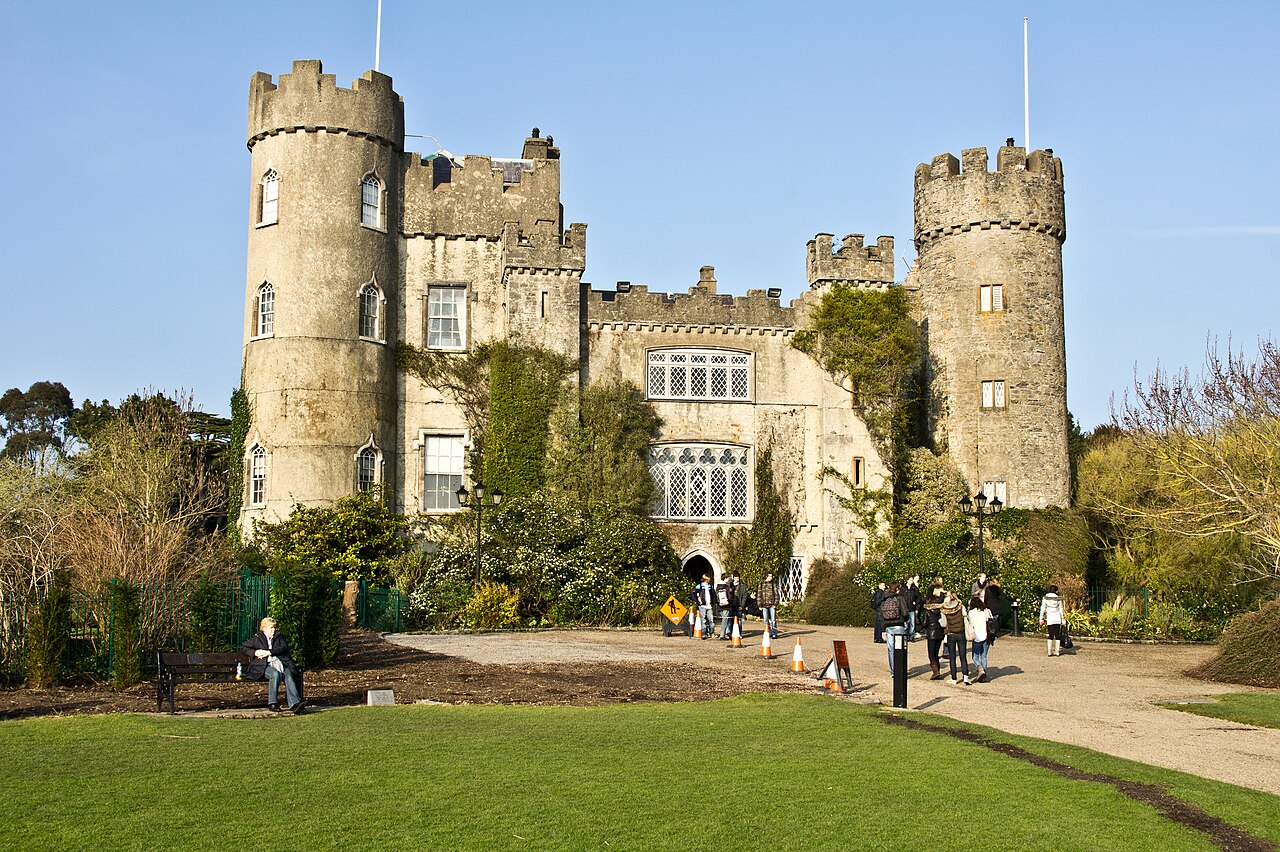
- Yes, nearby attractions include the Swords Historic Town Centre, which offers charming shops and cafes, and the nearby Malahide Castle. These sites provide additional insights into the rich history and culture of the region.
- What are the ticket prices for Swords Castle?
- Ticket prices for Swords Castle are generally affordable, with discounts available for children, seniors, and families. It’s advisable to check the castle's official website for the most current pricing and any available promotions.
Information
Website
Visit websiteSources & official resources
Verify the information above using these authoritative references.
Loading map...
Visitor reviews
No reviews yet. Been here? Write the first review and help other travelers!
Write the first reviewVisited this castle? Share your experience
Your review helps other travelers and adds first-hand knowledge to our encyclopedia.