Sombreffe Castle
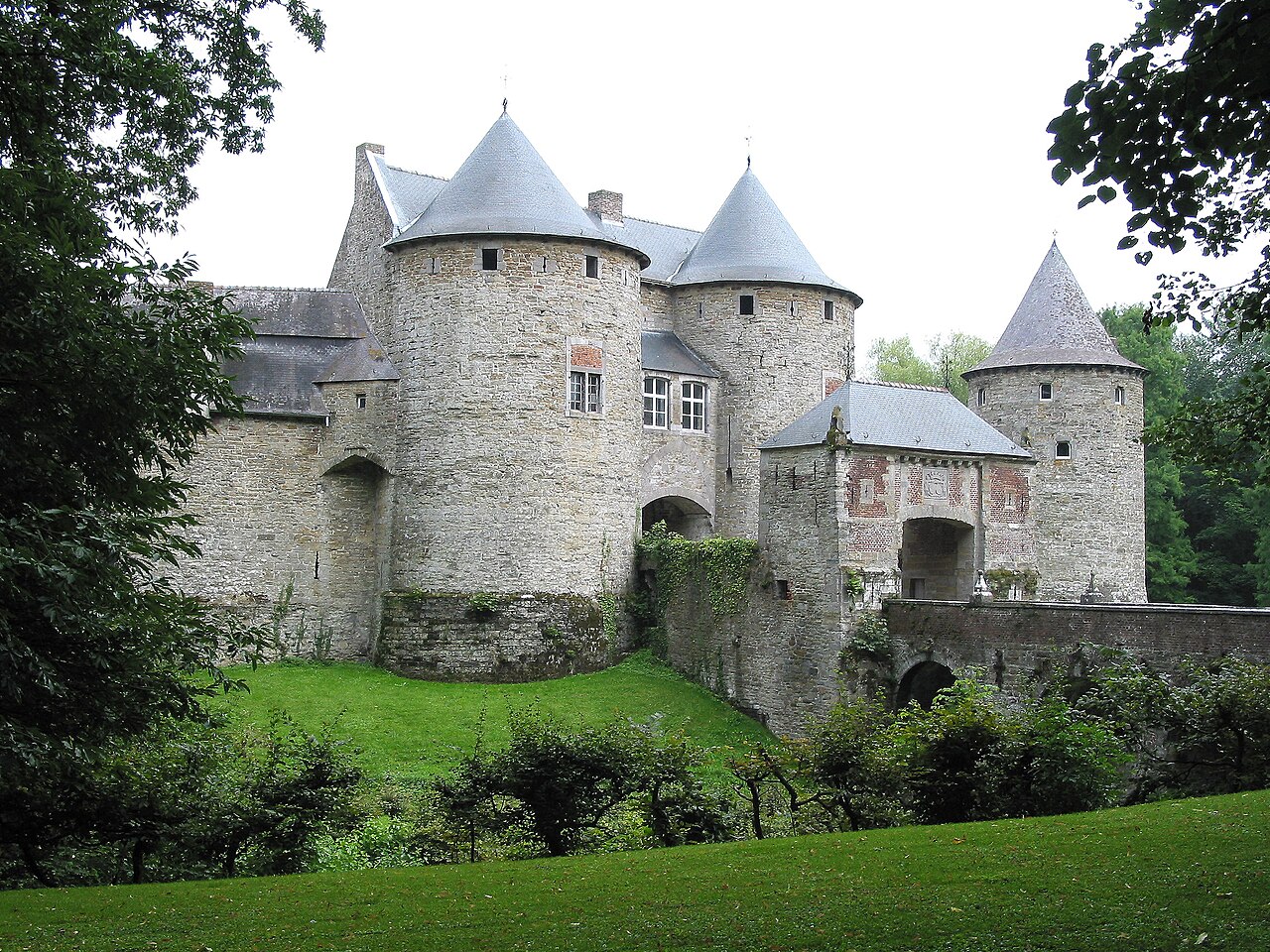
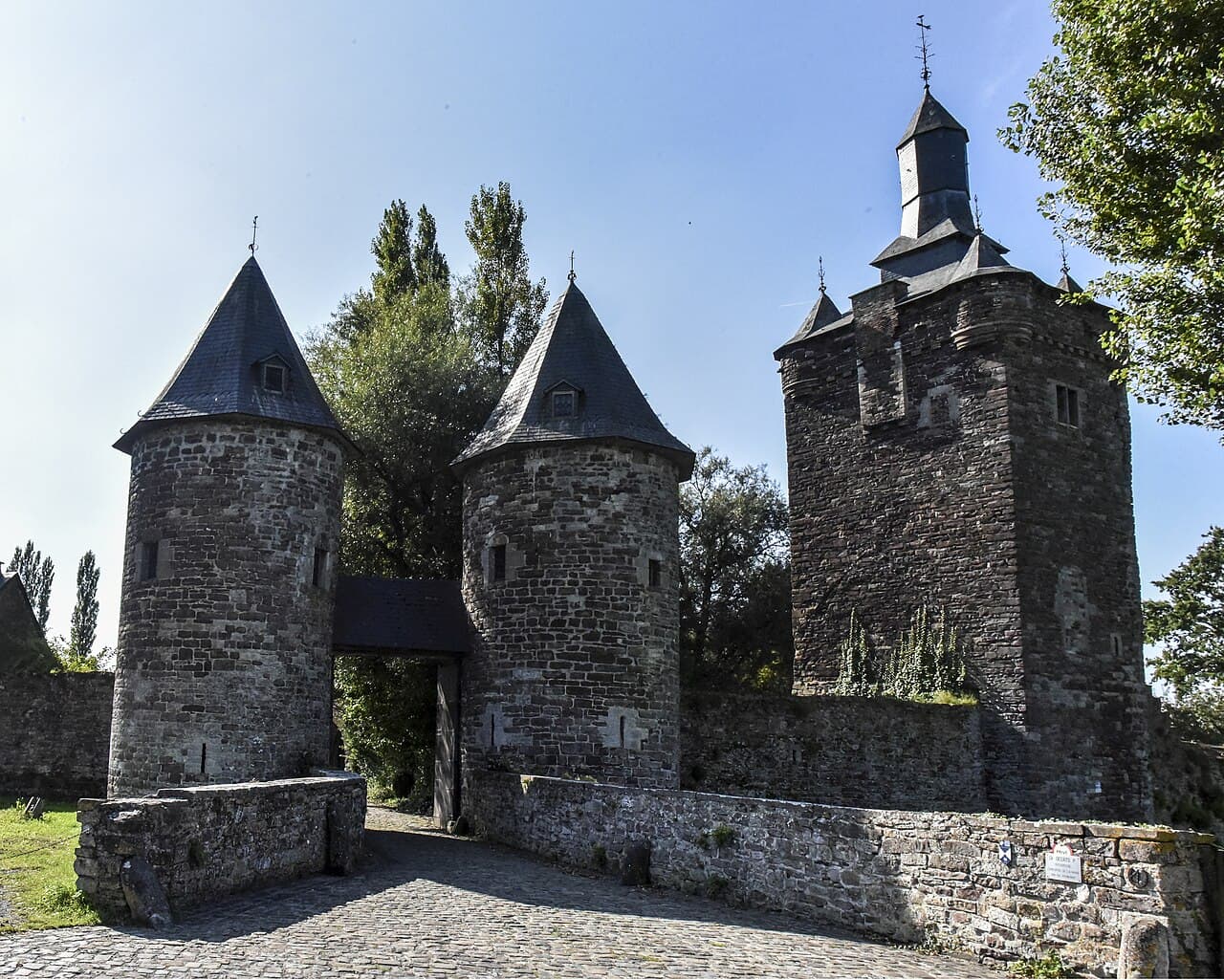
Sombreffe Castle, also known as Château de Sombreffe, is a notable hill castle located in the municipality of Sombreffe in the province of Namur, within the Wallonia region of Belgium. This castle stands as a remarkable example of a medieval fortress that evolved over centuries from a simple defensive keep to a noble residence with agricultural functions. Its strategic location northwest of the town of Sombreffe highlights its historical role as a border fortress of the duchy of Brabant.
The origins of Sombreffe Castle date back to the early 13th century, when it was initially constructed as a simple fortified keep by the Lords of Orbais. This original donjon served as a military stronghold marking the border of the duchy. Early fortifications included a basic enclosure wall made from rough, uncut stones, providing essential protection for the lord and garrison within. As military architecture advanced during the same century, the castle's defenses were enhanced with the addition of a circular curtain wall equipped with several defensive towers, a fortified gate, and a secondary keep, thereby strengthening its defensive capabilities.
Medieval origins and strategic importance
The castle's initial construction reflects typical high medieval military architecture, focusing on robust stone fortifications designed to withstand sieges and control the surrounding territory. As a border fortress, Sombreffe was part of a network of castles including Corroy-le-Chateau, Opprebais, and Walhain, all serving the duchy of Brabant's defensive needs.
Ownership transitions and noble families
In 1446, Sombreffe Castle passed by marriage to the Vernembourg family, who maintained ownership until 1543. Subsequently, the castle changed hands among several prominent noble families such as the Culembourg, Lalaing, Ligne, Oignies, and finally the Lannoy family. These transitions reflect the castle's continued significance as a noble residence and symbol of feudal power in the region.
Architectural evolution and restoration
During the late 16th century, the castle suffered a significant fire that destroyed the upper part of the primary keep, which housed the lord's living quarters. This damage led to a reconstruction phase in the early 17th century, where the damaged upper section was rebuilt using brick, marking a shift in building materials and architectural style from the original stone construction.
In the 18th century, the castle's function evolved further when Count Eugène de Lannoy de la Motterie, then Military Governor of Brussels, commissioned the construction of a new residential wing adjacent to the primary keep. This addition reflected the castle's transition from a purely military fortress to a noble residence with enhanced comfort and status.
19th-century adaptations and modern restoration
By the 19th century, Sombreffe Castle was repurposed for agricultural use, with the addition of farm buildings that supported its new role as an estate rather than a fortress. This continuous use contributed to the castle's preservation, preventing it from falling into complete ruin.
In 1982, the castle was purchased by Dr. Geerts, who undertook restoration efforts to conserve its historical structures. Today, although it was once used for events such as parties and weddings, the castle's primary keep and inner areas remain private, while the courtyard is freely accessible to visitors.
Historical significance and heritage status
Sombreffe Castle holds a significant place in Belgian history, not only for its architectural features but also for its role in key historical events. Notably, on the night before the Battle of Ligny in 1815 during the Napoleonic Wars, the castle served as headquarters for the Prussian General Von Pirch (I), commanding the II Corps under Field Marshal Blücher. This association underscores the castle's strategic importance well beyond the medieval period.
Recognized today as a Major Heritage Site of Wallonia, the castle offers valuable insights into the region's feudal past, military architecture, and noble lineage. Its well-preserved medieval layout, including the central donjon, curtain walls, and towers, combined with later residential and agricultural additions, presents a layered historical narrative visible in its fabric.
Architectural features and layout
The castle complex is centered around the original 13th-century donjon, which formed the core defensive structure. The first phase included a rough stone enclosure wall, later replaced or supplemented by a more refined circular curtain wall with multiple towers, enhancing the fortress's defense. The northern donjon, constructed from finely worked sandstone, was a later addition that further strengthened the castle's fortifications.
The upper part of the main donjon, reconstructed in brick in the early 17th century after the fire, reflects a blend of medieval and early modern architectural techniques. Adjacent to this, the 18th-century residential wing added by Count Eugène de Lannoy de la Motterie offers a contrast in style and function, emphasizing comfort and noble status over military defense.
Surrounding the castle, the 19th-century agricultural buildings illustrate the site's adaptation to changing economic and social needs, contributing to the castle's preservation by maintaining its active use.
Access and current use
Currently, the castle's courtyard is accessible to the public, allowing visitors to appreciate the historic atmosphere and architectural details of the outer defenses. However, the primary keep and the inner areas remain private, limiting full access to the castle's interior spaces.
While the castle was previously used for social events and as a restaurant, these activities appear to have ceased in recent years. Nonetheless, Sombreffe Castle remains a significant cultural landmark and a testament to the region's medieval heritage and architectural evolution.
Frequently asked questions (FAQ)
- How do I get to Sombreffe Castle?
- Sombreffe Castle is located in Sombreffe, Belgium, and can be accessed by car or public transportation. If traveling by car, there is parking available nearby. For those using public transport, check the local bus schedules for routes that stop near the castle.
- What is the historical significance of Sombreffe Castle?
- Sombreffe Castle dates back to the 12th century and has a rich history associated with the noble families of Belgium. It played a strategic role during various conflicts and has undergone several renovations that reflect architectural styles from different eras. The castle is a testament to the region's feudal past and offers insights into medieval life.
- When was Sombreffe Castle built?
- Sombreffe Castle was originally constructed in the 12th century, making it one of the older castles in Belgium. Over the centuries, it has been expanded and modified, with significant renovations occurring in the 17th and 18th centuries. These changes have contributed to its unique architectural blend that visitors see today.
- Can I tour Sombreffe Castle?
- Yes, guided tours of Sombreffe Castle are available for visitors interested in exploring its historical and architectural features. These tours often provide insights into the castle's history and the stories of its past inhabitants. Be sure to check the schedule and book in advance, especially during peak tourist seasons.
- Why is Sombreffe Castle a popular attraction?
- Sombreffe Castle is popular for its stunning architecture, historical significance, and beautiful surroundings. It serves as a great location for history enthusiasts and those looking to enjoy a peaceful day in a picturesque setting. Additionally, the castle hosts various cultural events throughout the year, attracting a diverse range of visitors.
- Is it possible to hold events at Sombreffe Castle?
- Yes, Sombreffe Castle is available for hosting special events such as weddings, corporate gatherings, and private parties. The castle's enchanting atmosphere and historical backdrop make it a unique venue. However, it is advisable to contact the castle management for availability and specific arrangements.
- What are the opening hours for Sombreffe Castle?
- Sombreffe Castle typically opens to visitors from Tuesday to Sunday, but hours may vary by season. It’s best to check the official website or contact the castle directly for the most current information. Planning your visit during the day ensures you can fully enjoy the castle and its grounds.
- What are the ticket prices for Sombreffe Castle?
- Ticket prices for Sombreffe Castle vary depending on age and group size, with discounts often available for children and seniors. General admission usually includes access to the castle and its gardens. For the most accurate pricing, it is recommended to check the castle's official website before your visit.
- What is the best time to visit Sombreffe Castle?
- The best time to visit Sombreffe Castle is during the spring and summer months when the gardens are in full bloom and outdoor activities are available. However, the castle also hosts seasonal events that can enhance the visitor experience. If you prefer fewer crowds, consider visiting during weekdays or off-peak seasons.
- Are there any nearby attractions to Sombreffe Castle?
- Yes, there are several attractions near Sombreffe Castle, including the beautiful parks and historical sites in the surrounding area. Visitors can explore the charming villages and local cuisine as well. Additionally, the nearby city of Namur offers more cultural and historical experiences for those looking to extend their visit.
Photo gallery

Information
Sources & official resources
Verify the information above using these authoritative references.
Loading map...
Visitor reviews
No reviews yet. Been here? Write the first review and help other travelers!
Write the first reviewVisited this castle? Share your experience
Your review helps other travelers and adds first-hand knowledge to our encyclopedia.