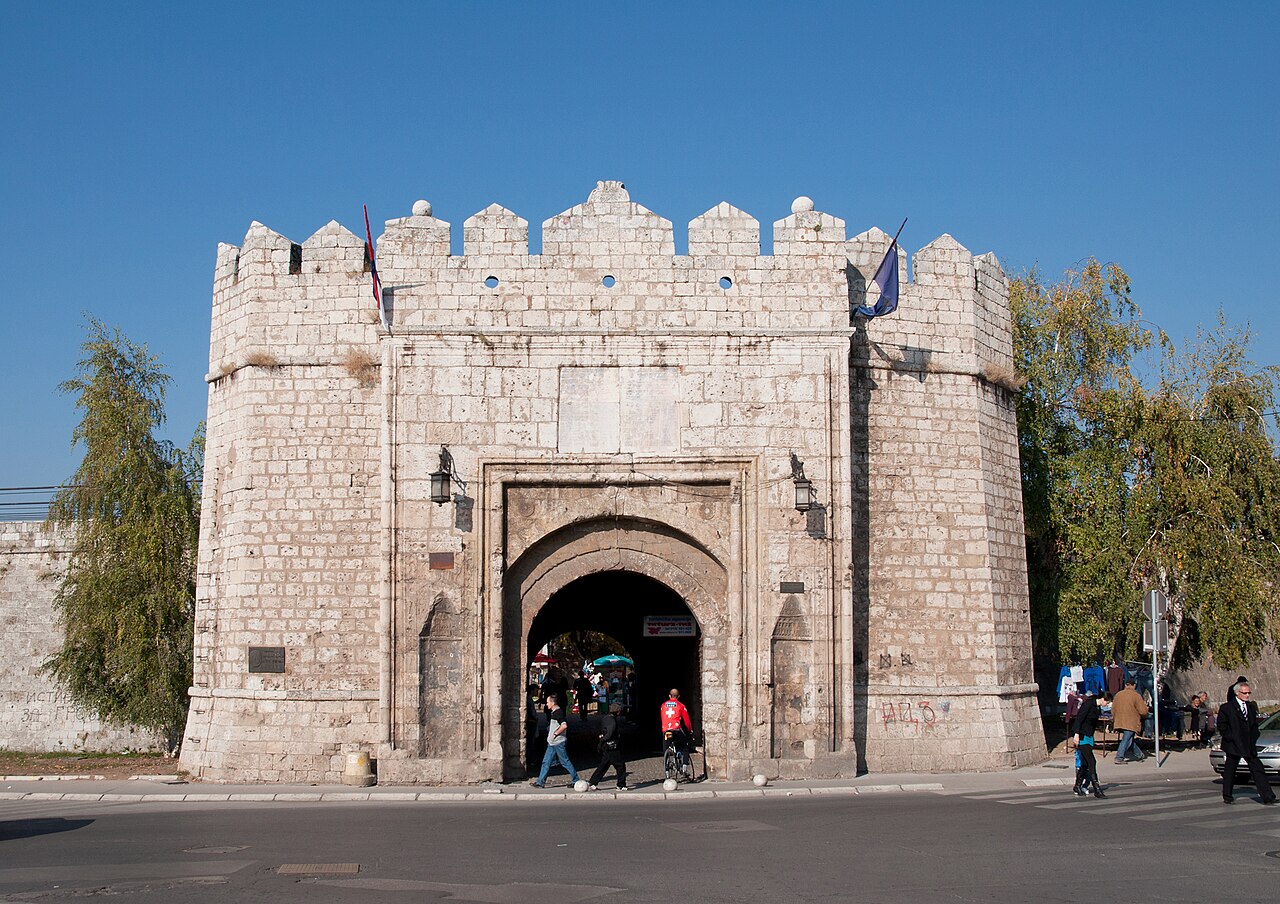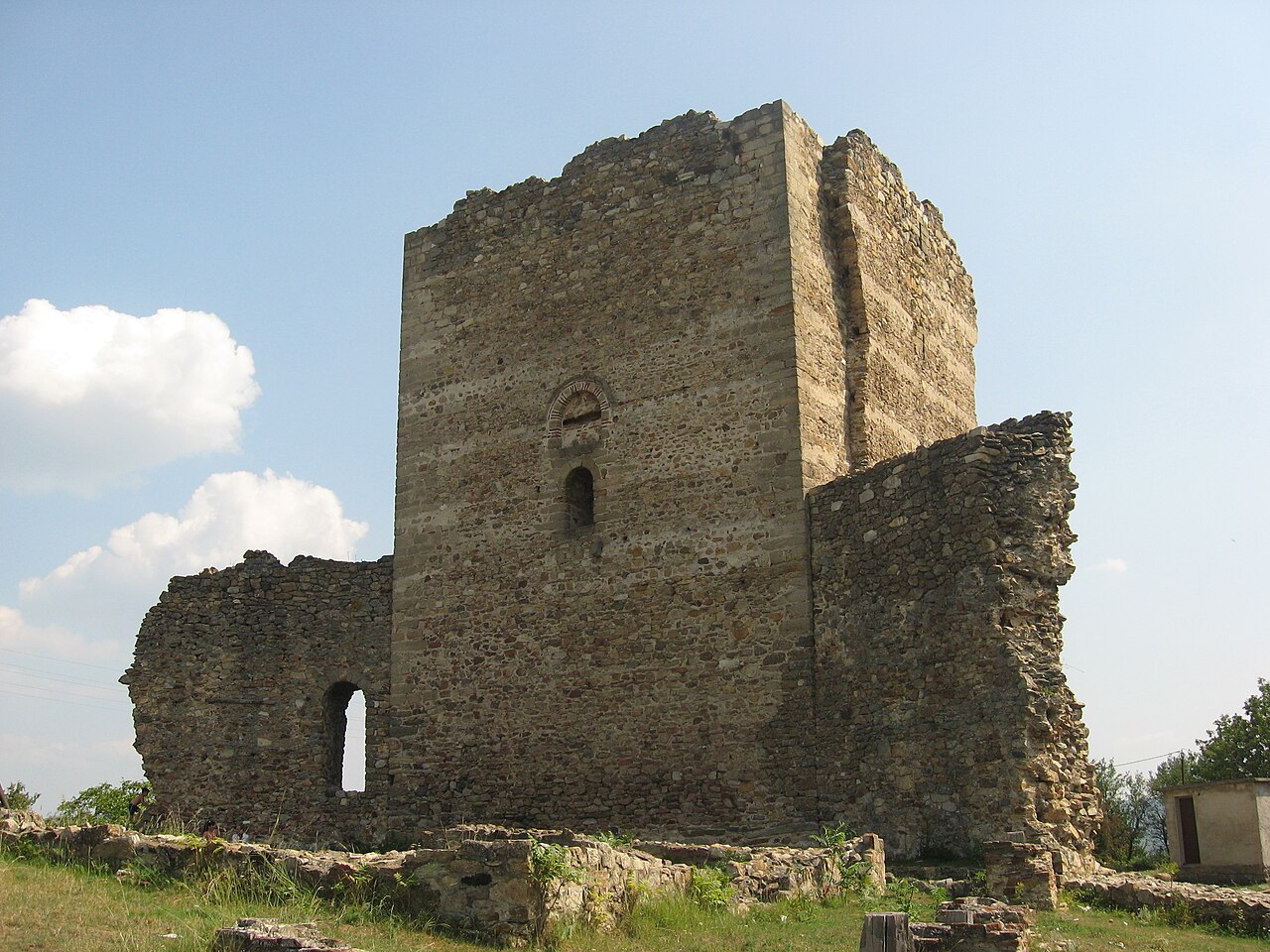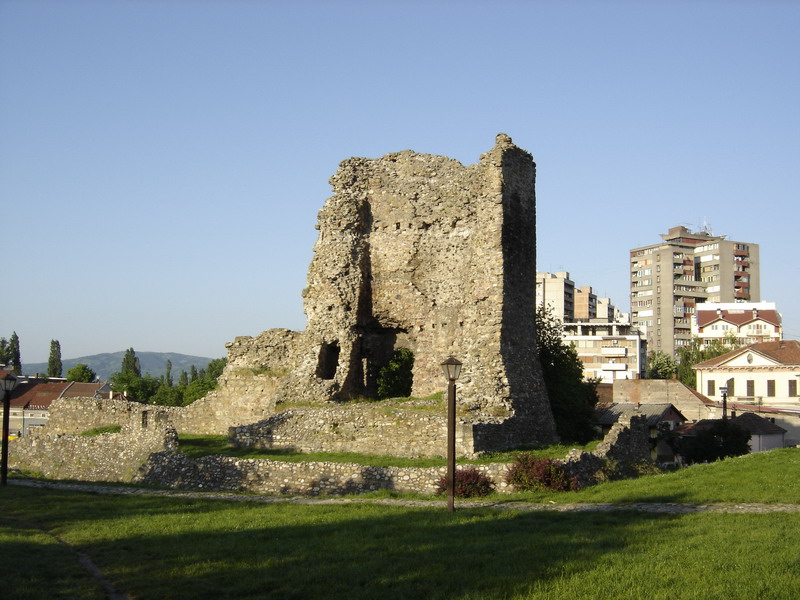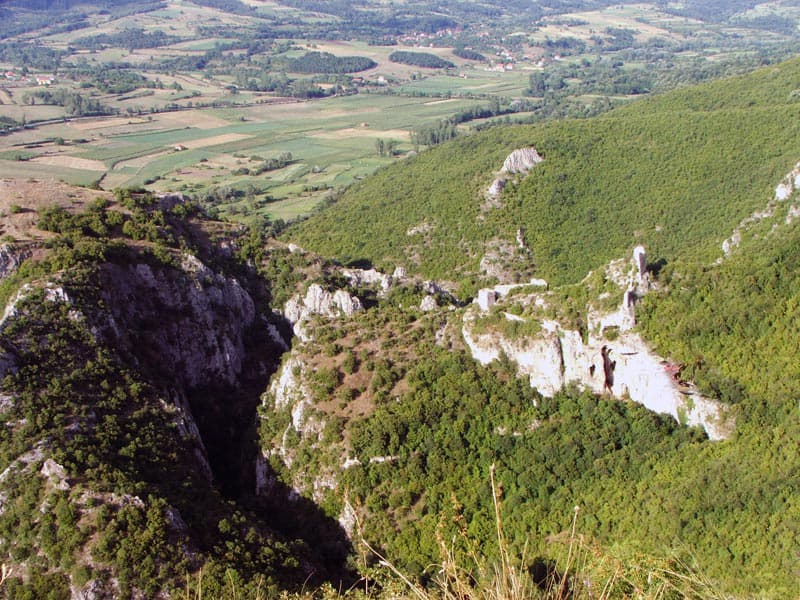
Soko Grad
Soko Grad, also known as Sokolac, is a significant early medieval fortress located approximately 2 kilometers east of the spa town of Sokobanja in Serbia. This bastioned fortress stands as an important cultural and historical monument, reflecting the strategic military architecture of the 6th century. It was officially declared a Monument of Culture of Great Importance in 1982 and remains protected by the Republic of Serbia.
Historical background and strategic importance
The origins of Soko Grad trace back to the 6th century, a period marked by frequent conflicts and territorial defense needs in the Balkans. Constructed during the early medieval period, the fortress was part of the Byzantine Empire's efforts to secure its northern borders against invading forces. Its location near Sokobanja provided a vantage point over the surrounding valleys and routes, making it a critical defensive stronghold.
Throughout the centuries, Soko Grad witnessed various military engagements and changes in control, reflecting the turbulent history of the region. The fortress played a role in defending against invasions by Slavic tribes and later Ottoman expansion, adapting its fortifications to evolving warfare technologies.
Architectural features and layout
Soko Grad exemplifies the characteristics of a bastioned fortress, a design that incorporates projecting bastions allowing defenders to cover adjacent walls with crossfire. The fortress is situated on elevated terrain, enhancing its defensive capabilities with natural barriers.
The complex includes remnants of thick defensive walls, towers, and gatehouses that controlled access to the interior. The walls were constructed using local stone, carefully cut and fitted to withstand sieges. Although much of the structure is in ruins, the layout reveals a well-planned fortification system adapted to the topography.
Inside the walls, there are traces of residential quarters, storage facilities, and possibly a chapel, indicating the fortress was not only a military installation but also a small community center during its peak use.
Cultural significance and preservation
Declared a Monument of Culture of Great Importance in 1982, Soko Grad holds a special place in Serbian heritage. It represents the resilience and strategic ingenuity of early medieval fortifications in the Balkans. The site attracts historians, archaeologists, and tourists interested in medieval military architecture and Balkan history.
The fortress is under the protection of the Republic of Serbia, with ongoing efforts to preserve its remains and prevent further deterioration. Visitors can explore the ruins, which offer panoramic views of the surrounding landscape and insight into the region's medieval past.
Visiting Soko Grad
The fortress is accessible from the nearby town of Sokobanja, known for its spa and natural beauty. Hiking trails lead to the ruins, making it a popular destination for outdoor enthusiasts and history buffs alike. While the site is largely in ruins, informational signage helps visitors understand the historical context and architectural features of the fortress.
Visiting hours and ticket prices may vary, so it is advisable to check locally before planning a trip. The site is generally open to the public, offering a unique opportunity to experience a piece of Serbia's early medieval military heritage.
Frequently asked questions (FAQ)
- What is Soko Grad?
- Soko Grad is a historic castle located in Sokobanja, Serbia, dating back to the 14th century. It was built for defensive purposes and offers visitors a glimpse into the medieval architecture and history of the region.
- When was Soko Grad built?
- Soko Grad was constructed in the 14th century, during a period of significant political and military activity in Serbia. The castle served as an important strategic location and has witnessed various historical events over the centuries.
- Is it possible to visit Soko Grad?
- Yes, Soko Grad is open to visitors who are interested in exploring its historical significance and beautiful architecture. The site provides a unique opportunity to walk through ancient ruins and experience the scenic views of the surrounding landscape.
- What are the opening hours for Soko Grad?
- Soko Grad typically opens to visitors from 9 AM to 5 PM during the weekdays and may have extended hours on weekends. It is advisable to check the local schedule or contact the site for any seasonal variations in operating hours.
- Can I enter the castle grounds without a ticket?
- No, entry to the castle grounds requires a ticket, which helps support the preservation and maintenance of the site. Ticket prices are generally affordable, making it accessible for various visitors.
- When is the best time to visit Soko Grad?
- The best time to visit Soko Grad is during the spring and early fall when the weather is pleasant and ideal for exploring outdoor sites. These seasons also offer beautiful natural scenery, enhancing the overall experience.
- What nearby attractions can I visit while in Sokobanja?
- While visiting Soko Grad, you can also explore the nearby Sokobanja Spa, known for its healing mineral waters and wellness facilities. Additionally, the picturesque surroundings offer hiking trails and natural parks that are perfect for outdoor enthusiasts.
- How accessible is Soko Grad for visitors with disabilities?
- Soko Grad has limited accessibility features for visitors with disabilities, as the terrain can be uneven and steep in parts. It is recommended for those with mobility challenges to check in advance for any assistance or accommodations that may be available.
Photo gallery

Photo by Саша Стојановић•Attribution
Information
Current owner
Republic of Serbia
Loading map...
Visitor reviews
No reviews yet. Been here? Write the first review and help other travelers!
Write the first reviewVisited this castle? Share your experience
Your review helps other travelers and adds first-hand knowledge to our encyclopedia.