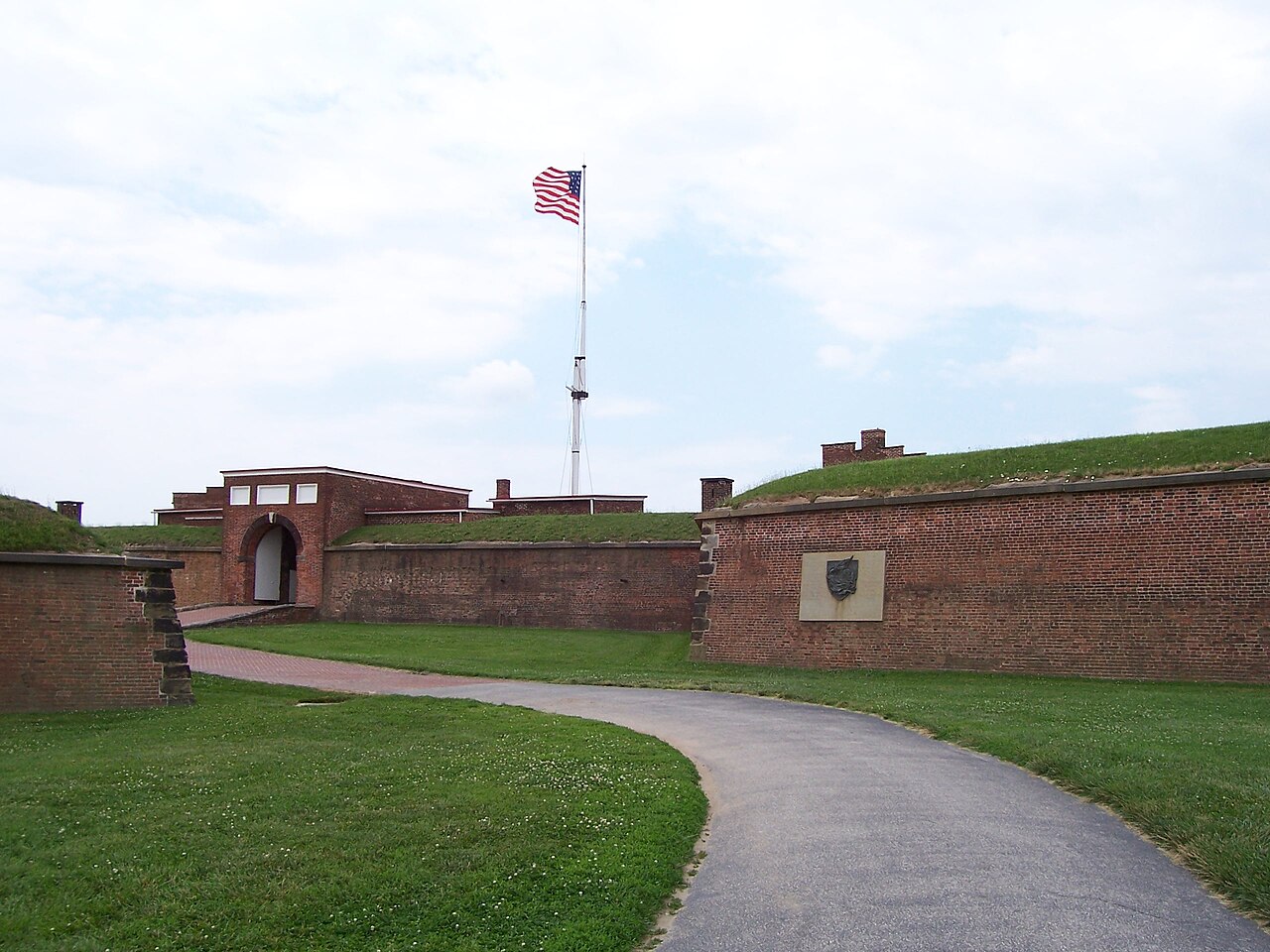
Smithsonian Castle
The Smithsonian Institution Building, widely known as the Smithsonian Castle, stands prominently on the National Mall in Washington D.C. As the symbolic and administrative heart of the Smithsonian Institution, it represents the institution's origins and its ongoing mission as the world's largest museum, education, and research complex. Constructed in the mid-19th century, the castle's distinctive red Seneca sandstone facade and Gothic Revival architectural style make it a unique landmark blending historical symbolism with functional design.
Designed by the notable architect James Renwick Jr., the castle was built between 1847 and 1855. Renwick, celebrated for his work on St. Patrick's Cathedral in New York City, brought his mastery of the Gothic Revival style to this project, incorporating medieval European castle elements with Victorian romanticism. The building's turrets, towers with crenellations, pointed arches, and ornate stonework reflect this style, while its layout includes a central keep flanked by two wings that enclose a spacious courtyard. This design not only evokes the imagery of a fortress but also serves practical purposes such as natural lighting and ventilation.
Architectural design and features
The Smithsonian Castle's architecture is distinguished by its use of locally quarried red Seneca sandstone, which gives the building its characteristic warm hue. The Gothic Revival style is evident in the building's crenellated battlements, pointed arch windows, and intricately carved details that adorn the facade and interior spaces. The castle's central keep rises prominently, creating a commanding silhouette against the Washington skyline.
The castle's floor plan is organized around a central courtyard, which historically functioned as a protected open space within the building complex. The wings contain a variety of rooms and halls that were originally designed to house the Smithsonian's collections and administrative offices. The castle also features turrets and towers that enhance its medieval character, while the ornate windows allow ample daylight to illuminate the interior, a thoughtful design element for a museum and research institution.
Historical context and construction
The Smithsonian Castle was commissioned following the bequest of James Smithson, an English scientist whose legacy established the Smithsonian Institution in 1846. The building was intended to serve as the institution's first home, housing its initial collections, administrative functions, and serving as a public museum.
Construction began in 1847 and was completed by 1855, a period marked by significant architectural ambition and national growth. The castle's design and construction reflected the mid-19th century American interest in European architectural styles, particularly the romanticized Gothic Revival. During the American Civil War, the castle played a role in safeguarding the institution's collections and served various practical functions.
Over the decades, as the Smithsonian Institution expanded, the castle's role shifted primarily to that of a visitor center and administrative headquarters, preserving its historical and architectural significance while adapting to modern needs.
Current use and visitor experience
Today, the Smithsonian Castle functions as the main visitor center for the Smithsonian museums, welcoming millions of visitors annually. It offers information services, ticketing, and access points to the numerous museums spread along the National Mall. Visitors can explore the castle's courtyard, grand halls, and exhibition spaces that detail the history of the Smithsonian Institution and its founder.
The building's red sandstone facade and Gothic Revival architectural details make it a frequent subject for photography and a symbol of American cultural heritage. The castle's interiors include historically preserved rooms that provide insight into 19th-century museum design and administration.
Location and accessibility
Situated at 1000 Jefferson Dr SW, Washington, DC 20560, the Smithsonian Castle is centrally located on the National Mall. It is easily accessible by public transportation, including the Smithsonian Metro station, and is open daily with free admission. The site is equipped to accommodate visitors with disabilities and provides amenities that enhance the visitor experience.
Preservation and architectural legacy
The Smithsonian Institution has prioritized the preservation and restoration of the castle, employing specialized conservation methods to maintain the red Seneca sandstone facade and protect the building from environmental wear. Its designation as a National Historic Landmark underscores its importance in American architectural and cultural history.
The castle exemplifies the enduring appeal of Gothic Revival architecture in the United States and reflects the vision of James Renwick Jr. for a building that embodies knowledge, discovery, and public enrichment. Its continued use as a visitor center and administrative hub connects the past with the present, making the Smithsonian Castle a living monument to American heritage.
Frequently asked questions (FAQ)
- How do I get to Smithsonian Castle?
- Smithsonian Castle is located in the heart of Washington, D.C., easily accessible via public transportation. The closest Metro station is Smithsonian on the Orange, Blue, and Silver lines. There are also several bus routes that stop nearby, and parking options are available for those who prefer to drive.
- What is the historical significance of Smithsonian Castle?
- Smithsonian Castle, completed in 1855, serves as the main hub of the Smithsonian Institution. It was designed to reflect a Gothic architectural style and houses the institution's administrative offices, as well as a visitor center that introduces guests to the various museums and research centers under the Smithsonian umbrella.
- When was Smithsonian Castle built?
- Construction of Smithsonian Castle began in 1847 and was completed in 1855. The castle was built using red sandstone from a nearby quarry, contributing to its distinctive appearance. It has undergone various renovations over the years to preserve its historical integrity.
- Can I visit Smithsonian Castle year-round?
- Yes, Smithsonian Castle is open to visitors year-round, but it's advisable to check for any special events or temporary closures. It is part of the Smithsonian Institution, which offers free admission to all its museums and attractions. However, operating hours may vary seasonally, so it's best to verify before your visit.
- Why is Smithsonian Castle a popular tourist attraction?
- Smithsonian Castle is popular due to its stunning architecture, rich history, and its role as the gateway to the Smithsonian museums. Visitors can enjoy beautiful gardens, informative exhibits, and the opportunity to learn about the Smithsonian's vast collection of art and artifacts. Additionally, its central location makes it an ideal starting point for exploring the National Mall.
- Is it possible to tour the interior of Smithsonian Castle?
- Yes, guests can tour the interior of Smithsonian Castle where they can explore various exhibits and displays about the history of the Smithsonian Institution. Guided tours are also available, providing deeper insights into the architecture and significance of the castle and its collections. Be sure to check the schedule for tour availability during your visit.
- What are the opening hours for Smithsonian Castle?
- Smithsonian Castle typically opens at 8:30 AM and closes at 5:30 PM daily. During peak tourist seasons, extended hours may be in effect, so it's wise to check the official website for the most current information. The castle is closed on December 25th, so plan your visit accordingly.
- What are the nearby attractions to Smithsonian Castle?
- Nearby attractions include the National Museum of Natural History, the National Gallery of Art, and the National Air and Space Museum, all within walking distance. The National Mall is also home to numerous monuments and memorials, making it easy to fill your day with historical exploration. Don’t forget to enjoy the beautiful gardens surrounding the castle as well.
- Are there any ticket prices for visiting Smithsonian Castle?
- Admission to Smithsonian Castle is free, as it is part of the Smithsonian Institution. However, some special exhibits or events may have associated fees, so it’s a good idea to check in advance. This allows visitors to enjoy the rich culture and history without any financial barriers.
Information
Address
1000 Jefferson Dr SW, Washington, DC 20560
Loading map...
Visitor reviews
No reviews yet. Been here? Write the first review and help other travelers!
Write the first reviewVisited this castle? Share your experience
Your review helps other travelers and adds first-hand knowledge to our encyclopedia.