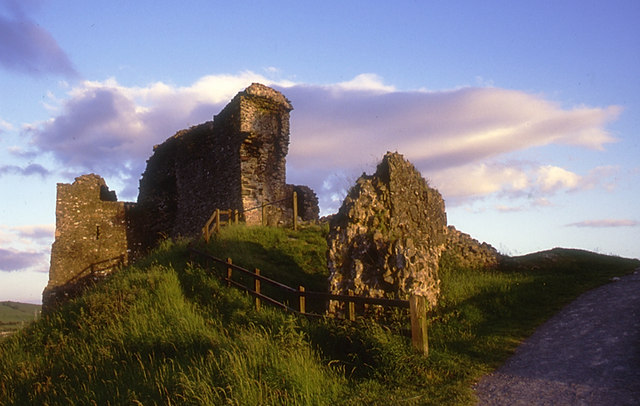
Sizergh Castle
Sizergh Castle is a remarkable example of a late medieval hill castle situated near Kendal in Cumbria, England. This historic estate has been under the stewardship of the Strickland family for over seven centuries, making it one of the longest continuously held family seats in England. The castle and its gardens, now cared for by the National Trust, offer a rich architectural and historical narrative spanning from the 14th century through the Georgian period.
The origins of Sizergh Castle trace back to the early 14th century, with initial construction beginning around 1310. The oldest surviving part is a distinctive four-story tower built circa 1343, notable for its trefoil-shaped windows that exemplify medieval decorative motifs. Over the centuries, the castle evolved architecturally, reflecting the tastes and necessities of its owners through the Tudor, Elizabethan, and Georgian periods. This blend of styles creates a layered visual history that is both unique and evocative of England’s aristocratic heritage.
Historical background and family legacy
The estate originally belonged to the Deincourt family from the late 12th century. The transition to the Strickland family occurred in 1239 when Elizabeth Deincourt married Sir William de Strickland. This union marked the beginning of an unbroken family tenure that has lasted for over 700 years. Throughout this time, the family has played a significant role in regional and national history, including their allegiance to the Royalist cause during the English Civil War.
During the 16th century, Sizergh Castle gained royal connections, notably with Catherine Parr, the sixth wife of King Henry VIII, who is believed to have resided here after 1533. The castle also reflects the family's Jacobite sympathies, evident in their collection of portraits of the Catholic Royal Stuart family, including works by the court painter Alexis Simon Belle.
Architectural evolution and notable features
Medieval tower and defensive elements
The four-story tower built around 1343 is the castle's oldest standing structure. Its trefoil-shaped windows are a distinctive feature from the medieval period, combining both aesthetic and defensive functions. The tower's robust stone construction exemplifies the architectural priorities of the time, focusing on fortification and status.
Tudor and elizabethan expansions
Significant alterations in the late 15th century by Sir Thomas Strickland introduced Tudor elements that expanded the castle’s residential and functional spaces. The castle’s layout was adapted to reflect the changing needs of comfort and style during the Tudor and Elizabethan eras, incorporating larger windows and more elaborate interiors.
Georgian modifications
In the 18th century, the castle underwent Georgian-style renovations, particularly in the great hall and entrance areas. These modifications introduced classical architectural elements and refined the castle’s aesthetic, blending the medieval fortress with more modern tastes.
Interior highlights and collections
The castle’s interiors are renowned for their fine oak wood paneling, especially in the Inlaid Chamber. This room features intricately decorated panels with floral and geometric patterns created by inlaying pale poplar and dark bog-oak, producing a striking three-dimensional effect. Early furnishings dating from the 16th century, including oak armchairs and chests, survive and are documented in historic inventories.
Portraits of the Strickland family and the Catholic Royal Stuart family adorn the walls, including works by notable artists such as Alexis Simon Belle, George Romney, and Harriet Strickland. These collections reflect the family’s cultural interests and political affiliations over several centuries.
Gardens and estate landscape
Surrounding the castle is an extensive estate covering approximately 647 hectares, featuring a Grade II listed garden with a lake, kitchen garden, and the largest limestone rock garden owned by the National Trust. This rock garden, created in the 1920s, is home to part of the National Collection of Ferns, which thrives in the rock garden, orchard, and stump garden areas.
The estate's landscape is historically significant, with a royal grant from Edward III in 1336 allowing Sir Walter Strickland to enclose the grounds as a private park. This early example of landscape management highlights the estate’s longstanding importance and the family’s status.
Preservation and public access
In 1950, Thomas Hornyold-Strickland, 7th Count della Catena, a descendant of the first Baron Strickland, gifted Sizergh Castle and its gardens to the National Trust. This act ensured the preservation of the castle and its estate for future generations. The castle remains well preserved, with many original features intact, offering visitors a comprehensive glimpse into England’s aristocratic past.
The castle and gardens are open to the public, providing educational and cultural experiences that showcase its architectural splendor and historical significance. In 2016, the estate was incorporated into the extended Lake District National Park, further protecting its natural and historic environment within one of England's most treasured landscapes.
Frequently asked questions (FAQ)
- How do I get to Sizergh Castle from Kendal?
- Sizergh Castle is located about 4 miles south of Kendal in Cumbria. It can be reached by car via the A6 and A685 roads, with parking available on site. Local bus services also connect Kendal to Helsington, but check schedules in advance.
- What architectural styles are visible at Sizergh Castle?
- Sizergh Castle features a mix of architectural styles including medieval, Tudor, Elizabethan, and Georgian. Notable elements include the 14th-century tower with trefoil windows and 18th-century Georgian modifications to the great hall.
- When was Sizergh Castle built?
- The earliest parts of Sizergh Castle date back to the early 14th century, around 1310, with major expansions and alterations occurring in the 15th and 18th centuries.
- Can I visit the gardens at Sizergh Castle?
- Yes, the extensive gardens at Sizergh Castle are open to visitors. They include a Grade II listed garden, a lake, kitchen garden, and the largest limestone rock garden owned by the National Trust.
- Is Sizergh Castle wheelchair accessible?
- Sizergh Castle has some accessibility accommodations, but due to the historic nature of the buildings, full wheelchair access may be limited. Visitors are advised to contact the National Trust ahead of their visit for detailed accessibility information.
Information
Sources & official resources
Verify the information above using these authoritative references.
Loading map...
Visitor reviews
No reviews yet. Been here? Write the first review and help other travelers!
Write the first reviewVisited this castle? Share your experience
Your review helps other travelers and adds first-hand knowledge to our encyclopedia.