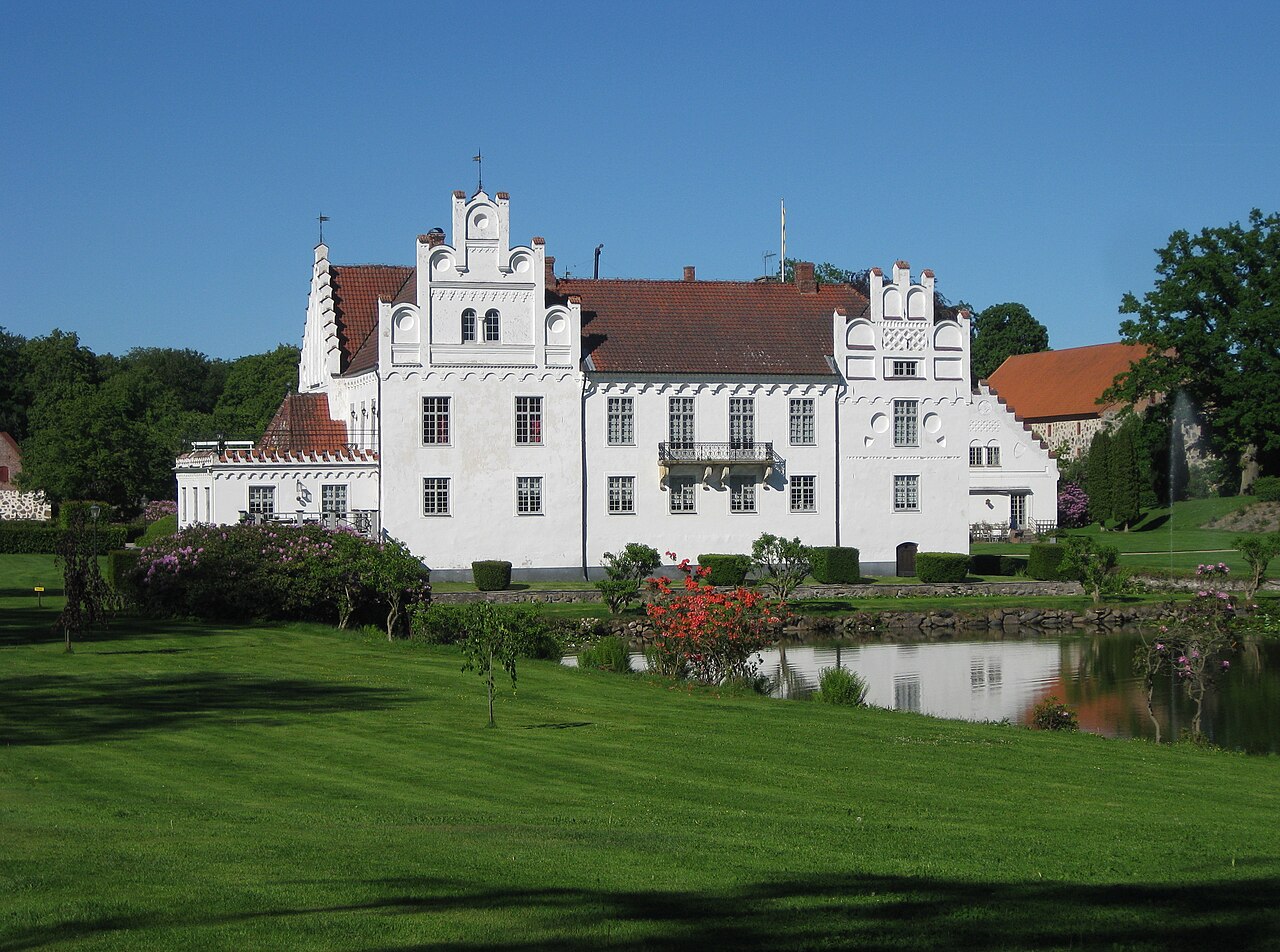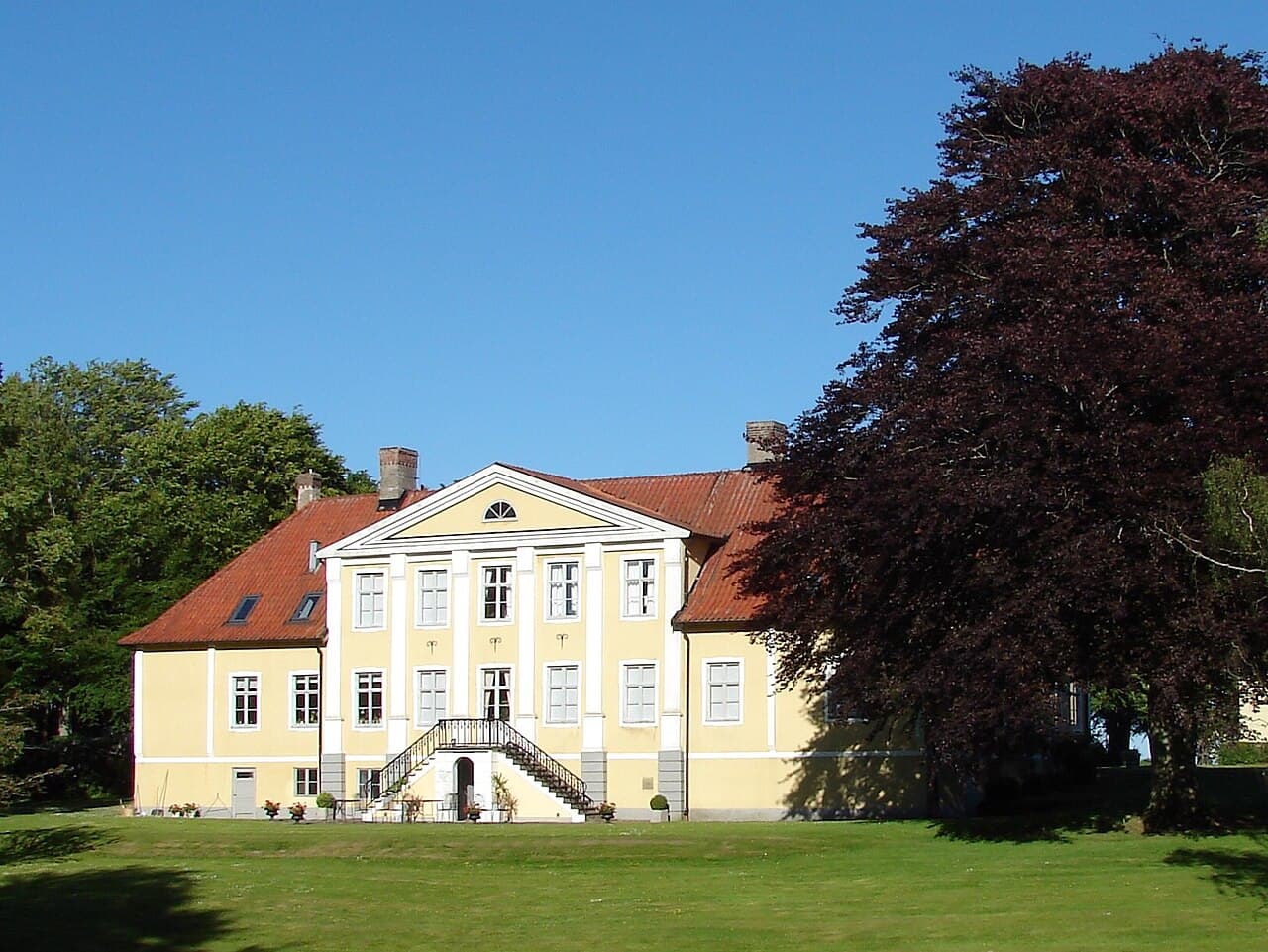
Sinclairsholm Castle
Sinclairsholm Castle, located in Vinslöv, Scania, southern Sweden, is a notable example of a post-Renaissance estate with a history that dates back to the early 17th century. The estate was originally established in 1620 by Anders Sinclair, a member of the distinguished Sinclair family. The castle's origins are closely linked to the Danish nobleman and privy counsellor Andrew Sinclair, who played a significant role in the region during the period when Scania was under Danish rule.
Historical background and foundation
The Sinclair family acquired the land in the early 1600s, establishing the estate as part of their holdings in the region. The original manor house was constructed during this time, serving as a residence and a symbol of the Sinclair family's status. The estate's location in Hässleholm Municipality placed it within a strategic area of southern Sweden, which had historically been contested between Denmark and Sweden.
Throughout the 17th century, the estate remained under Sinclair ownership, witnessing the political changes that saw Scania transition from Danish to Swedish control following the Treaty of Roskilde in 1658. This shift influenced the architectural and cultural development of the estate, blending Danish and Swedish influences.
Architectural evolution and the 1788 reconstruction
The current main building of Sinclairsholm Castle was constructed in 1788 after the previous structure suffered significant damage due to a fire. This reconstruction marked a new chapter in the estate's architectural history, reflecting the styles and building techniques of the late 18th century.
The castle exemplifies post-Renaissance architecture, characterized by a restrained elegance and practical design. The building features a symmetrical facade, balanced proportions, and classical details that were typical of the period. Unlike medieval fortresses, Sinclairsholm was designed primarily as a noble residence rather than a defensive stronghold, emphasizing comfort and aesthetic appeal.
While the estate is classified as a hill castle due to its elevated position, it lacks the heavy fortifications of earlier medieval castles. Instead, the focus was on creating a stately home that harmonized with the surrounding landscape, including carefully planned gardens and parklands.
Estate grounds and current use
The grounds of Sinclairsholm Castle include extensive gardens and park areas that complement the architectural style of the main building. These outdoor spaces have been maintained to preserve the historical ambiance of the estate, offering visitors a glimpse into the lifestyle of Swedish nobility in the 18th and 19th centuries.
Today, Sinclairsholm Castle operates as a venue for various events, including weddings, parties, and cultural gatherings. The estate houses a restaurant that serves guests in an atmospheric setting, blending historical charm with modern hospitality. This adaptive reuse helps sustain the castle's upkeep and keeps it accessible to the public.
Significance and cultural heritage
Sinclairsholm Castle holds cultural importance as a well-preserved example of a Swedish noble estate that bridges the transition from Danish to Swedish rule in Scania. Its architectural features and historical associations offer insights into the region's complex past and the evolution of aristocratic residences in Scandinavia.
The castle's connection to the Sinclair family, particularly Andrew Sinclair, underscores its role in the political and social history of southern Sweden during the 17th and 18th centuries. As a heritage site, it contributes to the understanding of Scandinavian noble estates and their adaptation over time.
Visitor information
Visitors to Sinclairsholm Castle can explore the estate's scenic grounds and enjoy the restaurant facilities. The castle is accessible from the town of Vinslöv and is a point of interest for those interested in Swedish history, architecture, and cultural heritage.
While the castle itself is primarily used for private events, the surrounding park and restaurant provide opportunities for public engagement with the site. The estate's preservation ensures that Sinclairsholm remains a valued landmark in the Hässleholm Municipality.
Frequently asked questions (FAQ)
- When was Sinclairsholm Castle originally established?
- Sinclairsholm estate was originally established in 1620 by Anders Sinclair, marking its beginnings as a noble residence in southern Sweden.
- What architectural style characterizes Sinclairsholm Castle?
- The castle is characterized by post-Renaissance architecture, featuring a symmetrical facade and classical details typical of the late 18th century.
- Is Sinclairsholm Castle open to the public for visits?
- While the castle is mainly used for private events, the estate includes a restaurant and park grounds that are accessible to visitors.
- What historical significance does Sinclairsholm Castle hold?
- The castle reflects the transition of Scania from Danish to Swedish rule and is connected to the Sinclair family, important figures in the region's history.
- Can Sinclairsholm Castle be used for events?
- Yes, the estate hosts various events such as weddings and parties, utilizing its restaurant and scenic grounds for celebrations.
Photo gallery

Photo by Orfeus•Public domain
Information
Website
Visit websiteSources & official resources
Verify the information above using these authoritative references.
Loading map...
Visitor reviews
No reviews yet. Been here? Write the first review and help other travelers!
Write the first reviewVisited this castle? Share your experience
Your review helps other travelers and adds first-hand knowledge to our encyclopedia.