Hanaskog Castle
Hanaskog Castle is a notable historic estate located in Hanaskog, Sweden. The estate's origins trace back to the early 14th century, with the first recorded mention in 1308. Over the centuries, the property has been held by several prominent noble families, including the Walkendorff, Citzwitz, and Rosentvist families, each contributing to its legacy in Swedish aristocratic history.
The construction and architectural style of Hanaskog Castle
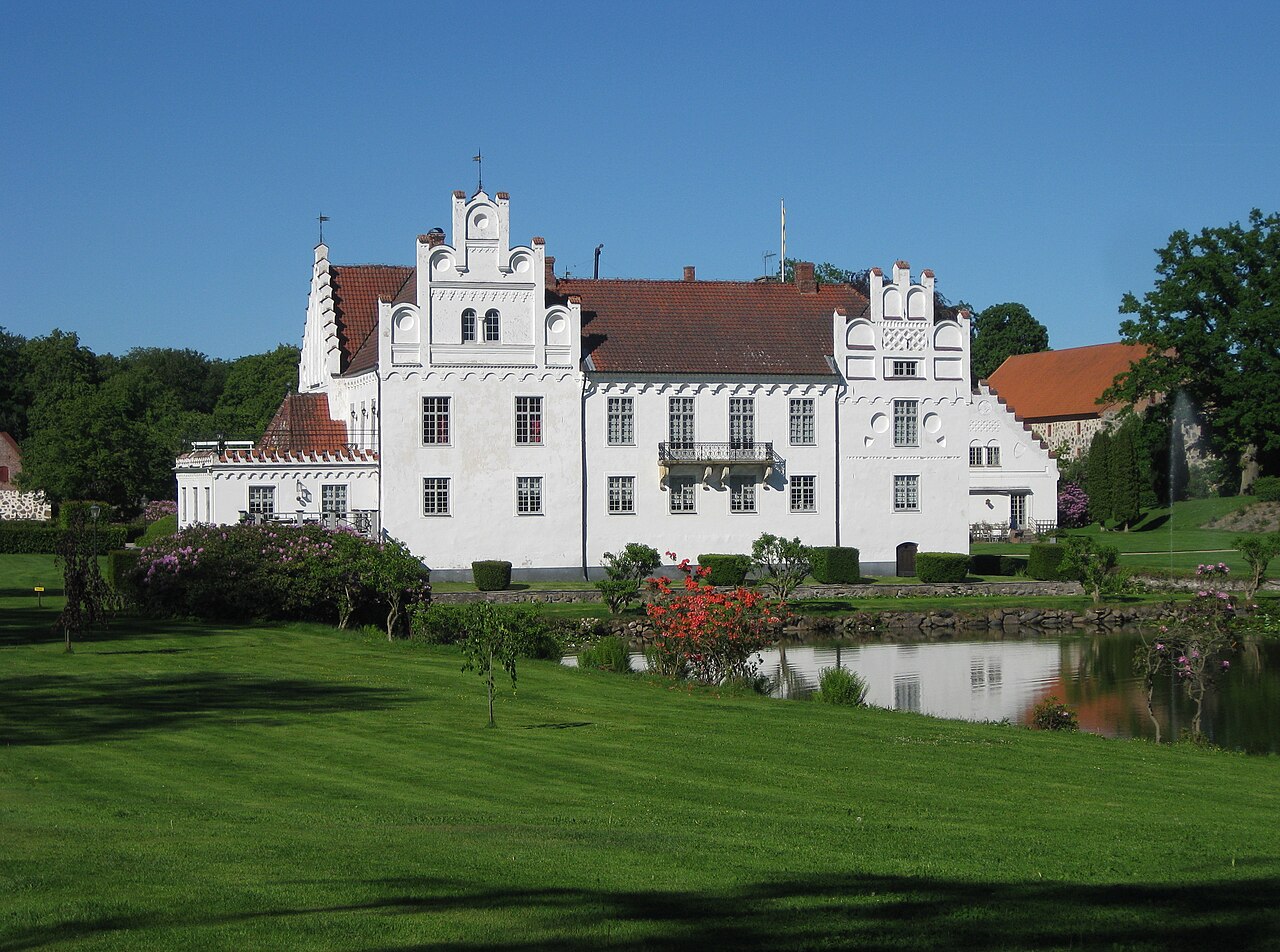
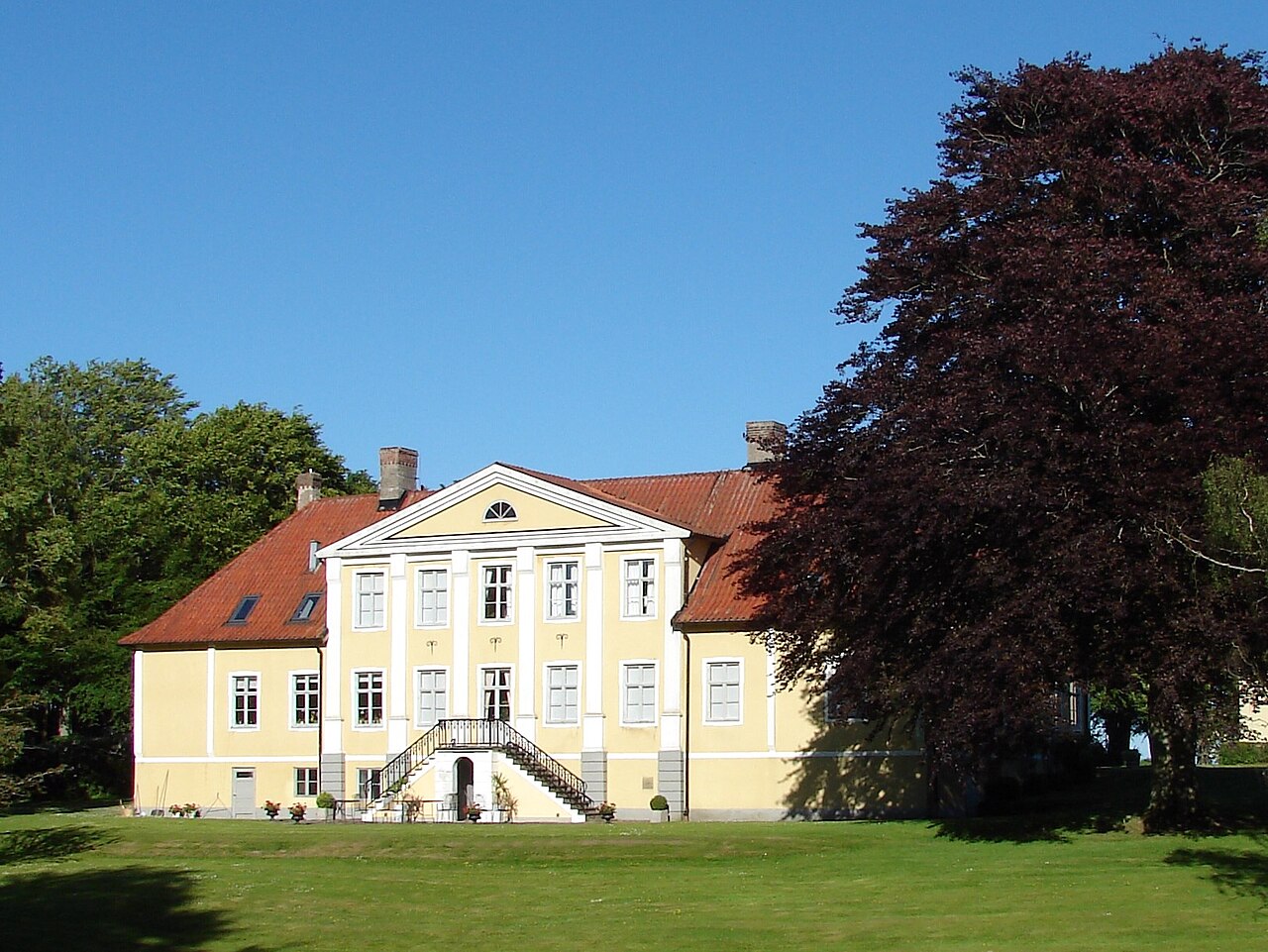
The current castle structure was constructed between 1852 and 1854 under the direction of Carl Axel Wachtmeister. This two-storey building reflects the architectural tendencies of the mid-19th century in Sweden, aligning with the modern period of castle construction. While the castle does not embody medieval defensive architecture, it stands as an example of a 19th-century manor house designed for residential and representational purposes rather than fortification.
The design incorporates elements typical of its era, such as symmetrical layouts, large windows, and a balanced façade, which emphasize comfort and status. The castle's setting within the estate grounds also highlights the integration of natural landscapes with aristocratic residences common in the period.
Ownership and historical significance
After its completion, Carl Axel Wachtmeister maintained ownership until he sold Hanaskog Castle in 1891 to the distinguished De Geer family, a lineage with significant influence in Swedish history. The estate remains under the ownership of Baron Willem De Geer, signifying a continuous noble lineage and stewardship over the property for well over a century.
The De Geer family is known for their contributions to Swedish industry and politics, and their long-term possession of Hanaskog Castle underscores the estate's role as a symbol of noble heritage and social standing in Sweden.
Estate grounds and cultural context
While the castle itself serves as the centerpiece, the Hanaskog estate includes surrounding lands that historically supported agricultural activities and provided a scenic environment for the manor house. The estate's location in southern Sweden situates it within a region known for its rich history of noble estates and castles.
The preservation of Hanaskog Castle and its continued use as a private residence reflect broader trends in maintaining Sweden's aristocratic estates as cultural landmarks and heritage sites.
Visiting and current status
Hanaskog Castle remains a private residence and is not generally open to the public. Its condition is well preserved, maintaining the architectural integrity established in the 19th century. The castle stands as a testament to Sweden's noble estates of the modern period, offering insight into the lifestyle and architectural preferences of the Swedish aristocracy during that era.
Frequently asked questions (FAQ)
- What is the historical significance of Hanaskog Castle?
- Hanaskog Castle has been a noble estate since 1308 and reflects the heritage of prominent Swedish families such as Walkendorff, Citzwitz, Rosentvist, and the De Geer family since 1891.
- Can I visit Hanaskog Castle?
- Hanaskog Castle is a private residence and is generally not open to the public, so visits are limited to exterior views from the estate grounds.
- When was Hanaskog Castle built?
- The current castle structure was built between 1852 and 1854 by Carl Axel Wachtmeister, exemplifying mid-19th century Swedish manor architecture.
- Who currently owns Hanaskog Castle?
- The castle is currently owned by Baron Willem De Geer, continuing the De Geer family's stewardship since 1891.
- What architectural style characterizes Hanaskog Castle?
- Hanaskog Castle reflects 19th-century modern manor house architecture, focusing on residential comfort and aristocratic representation rather than medieval fortification.
Information
Current owner
Baron Willem De Geer
Loading map...
Visitor reviews
No reviews yet. Been here? Write the first review and help other travelers!
Write the first reviewVisited this castle? Share your experience
Your review helps other travelers and adds first-hand knowledge to our encyclopedia.