Sieraków Castle
Sieraków Castle stands as a significant example of late medieval fortification architecture in Poland. Constructed at the end of the 14th century, the castle was initiated by the influential Nałęcz family, with key figures such as Maćko Borkowic, the Poznań voivode, and his daughter Wichna playing pivotal roles in its establishment. The building process continued under the stewardship of Wichna's grandson, Wincenty, marking the castle's early development phase.
Historical development and ownership
In the mid-15th century, the castle came under the ownership of Łukasz Górka, bearing the Łodzia coat of arms, who undertook significant rebuilding efforts. This period saw the enhancement of the castle's defensive and residential structures. By 1571, the castle was controlled by the starost Jakub Rokossowski, and two decades later, in 1591, it was acquired by Jan of Bnin Opaliński, the castellan. Opaliński transformed the castle houses into a Baroque residence, reflecting the evolving architectural tastes of the period.
The castle's fortunes shifted in 1763 when Baron Piotr Mikołaj Neugarten von Gartenberg, adopting the Polish name Sadogórski, purchased the estate. During his ownership, the northern wing was demolished, leaving only the southern wing intact. Further changes occurred in 1829 due to infrastructure developments, specifically the construction of a new road that led to the demolition of much of the remaining castle structures, preserving solely the southern wing.
Architectural features and defensive elements
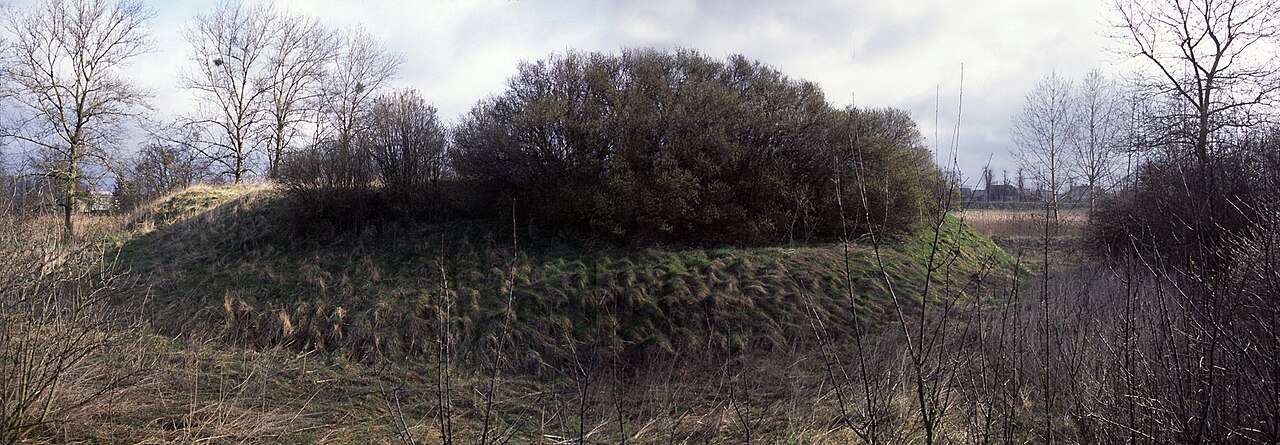
Sieraków Castle was strategically located east of the town of Sieraków, separated by a moat and situated on a regular, artificial mound. Its defenses were naturally enhanced by a river that bordered the castle to the south. The earliest construction phase included brick curtain walls with an eastern gate, forming the primary defensive perimeter.
The southern part of the castle originally featured a residential range, initially constructed with timber or half-timber framing. In the 15th century, a robust brick north range was added, notable for its 8-meter width and characteristic corner buttresses, which reinforced the structure against siege warfare. Around the same time or shortly thereafter, a new southern building of similar dimensions was erected, further expanding the castle's footprint.
Additional modifications included the introduction of partition walls and a shorter west range connector, which helped define internal spaces and improve the castle's functionality as a noble residence and defensive stronghold.
Restoration and current use
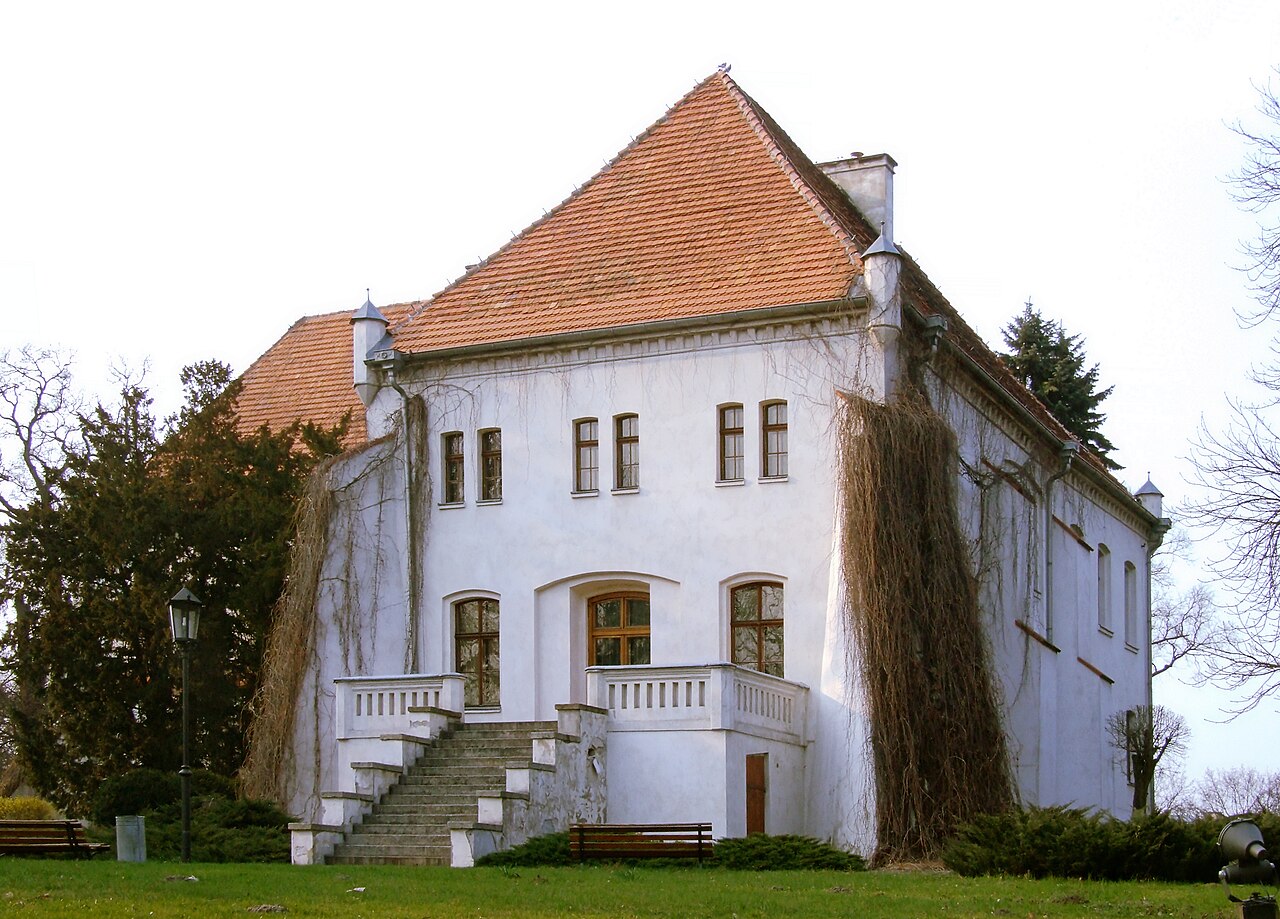
After centuries of decline and partial demolition, a restoration initiative began in 1991 to preserve what remained of Sieraków Castle. Due to the scarcity of detailed historical records, restoration efforts focused on reconstructing only the southern range. This restored wing now houses a museum dedicated to the history of the Sieraków region, showcasing exhibits that span from the earliest periods through to contemporary times.
A particularly notable feature of the museum is the display of the Opaliński family tombs, discovered in the crypt of the nearby church of St. Bernard in 1991. These tombs provide valuable insights into the noble lineage associated with the castle and enrich the cultural heritage presented to visitors.
Castle layout and defensive strategy
The castle's design reflects typical late medieval defensive architecture, incorporating natural and man-made elements to enhance security. The moat and surrounding river created formidable obstacles for potential attackers. The use of brick curtain walls and corner buttresses strengthened the castle's fortifications, while the arrangement of residential and defensive ranges balanced the needs of habitation and protection.
Cultural significance and visitor experience
Today, Sieraków Castle serves as a cultural landmark, linking the town's medieval past with its present. Its museum offers visitors a comprehensive understanding of the region's history through carefully curated exhibits. The preserved southern wing allows guests to appreciate the architectural style and living conditions of the castle's noble inhabitants. The discovery and exhibition of the Opaliński family tombs add a unique historical dimension, attracting scholars and tourists alike.
The castle's location near the river and its moat provide a scenic backdrop, enhancing the visitor experience. The restoration and preservation efforts have ensured that this piece of Poland's medieval heritage remains accessible and informative for future generations.
Frequently asked questions (FAQ)
- What is the historical significance of Sieraków Castle?
- Sieraków Castle, dating back to the 14th century, is a significant example of medieval architecture in Poland. It has served various purposes throughout its history, including as a noble residence and a military stronghold, reflecting the region's rich history.
- When was Sieraków Castle built?
- The construction of Sieraków Castle began in the late 14th century, with significant modifications made in the following centuries. Its architectural style showcases the evolution from medieval fortifications to Renaissance aesthetics.
- Can I visit Sieraków Castle?
- Yes, visitors are welcome to explore Sieraków Castle. Guided tours are available, allowing guests to learn about the castle's history and architecture while enjoying its scenic surroundings.
- What are the opening hours for Sieraków Castle?
- Sieraków Castle is typically open to visitors from April to October, with varying hours depending on the day of the week. It’s advisable to check the official website for the most current opening hours before planning your visit.
- Is it possible to access Sieraków Castle for people with disabilities?
- Sieraków Castle strives to be accessible to all visitors; however, some areas may have limitations due to the castle's historical structure. It is recommended to contact the castle administration ahead of your visit to inquire about specific accessibility options.
- When is the best time to visit Sieraków Castle?
- The best time to visit Sieraków Castle is during the spring and early autumn months when the weather is pleasant, and the gardens are in full bloom. Additionally, visiting during these times often means fewer crowds, allowing for a more enjoyable experience.
- What are some nearby attractions to Sieraków Castle?
- Nearby attractions include the picturesque Sieraków Landscape Park and the charming town of Sieraków itself, which offers a variety of local shops and eateries. Exploring these areas can enhance your visit to the castle and provide a deeper understanding of the region's heritage.
- How much do tickets cost to enter Sieraków Castle?
- Ticket prices for Sieraków Castle are generally affordable, with discounts available for students and seniors. It's best to check the official website or contact the castle directly for the latest pricing information and any special events that may affect entry fees.
Information
Loading map...
Visitor reviews
No reviews yet. Been here? Write the first review and help other travelers!
Write the first reviewVisited this castle? Share your experience
Your review helps other travelers and adds first-hand knowledge to our encyclopedia.