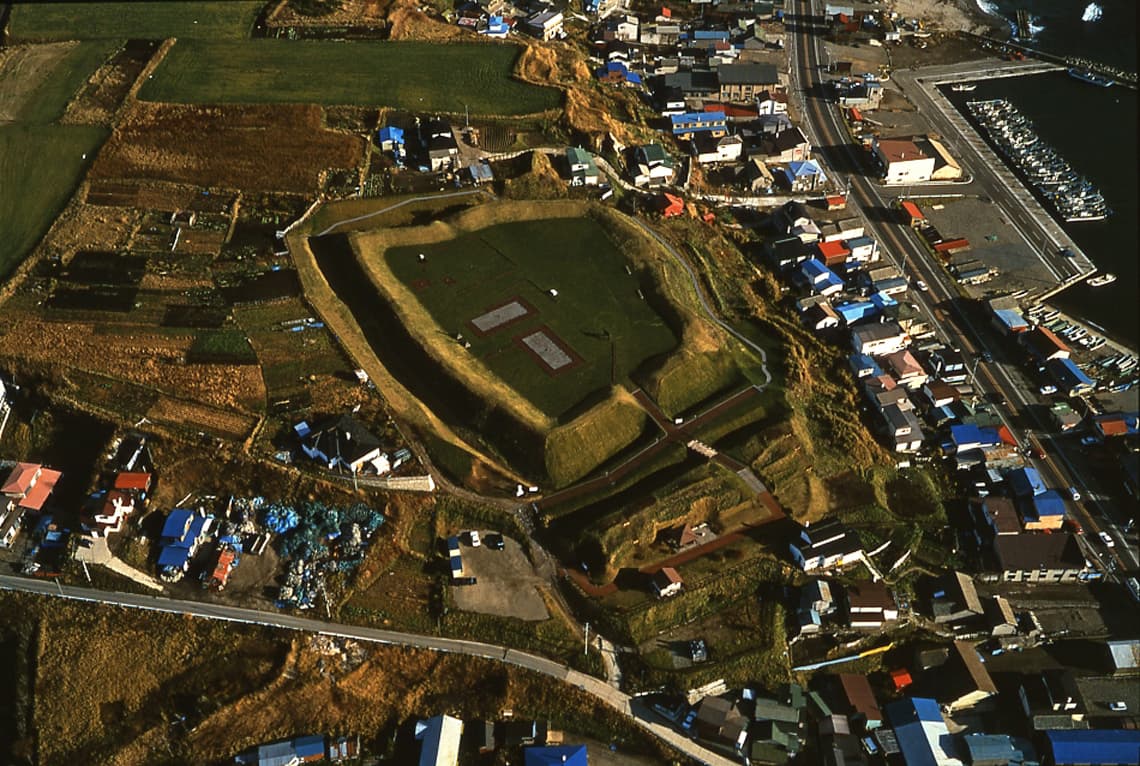
Shinoridate (志苔館跡, Shinoridate ato) is a significant archaeological site located in Hakodate, on the Oshima Peninsula in Hokkaidō, Japan. This site marks the remains of the Shinori Fort, also known as a fortified residence, which was part of the defensive network known as the Twelve Garrisons of Southern Hokkaido. These garrisons were established by the Wajin people during the 14th century to secure their presence and influence in the region. Shinoridate is notable for being the easternmost of these garrisons, reflecting its strategic importance in the defense and control of southern Hokkaido.
Historical context and strategic significance
The Twelve Garrisons were a series of fortified sites constructed by the Wajin, ethnic Japanese settlers, who expanded into Hokkaido during the medieval period. The establishment of these garrisons was part of a broader effort to assert control over the indigenous Ainu population and to secure trade routes and territorial claims. Shinoridate's location on the Oshima Peninsula allowed it to function as a critical outpost, overseeing maritime routes and serving as a defensive barrier against potential incursions from rival groups or hostile forces.
Archaeological features and site layout
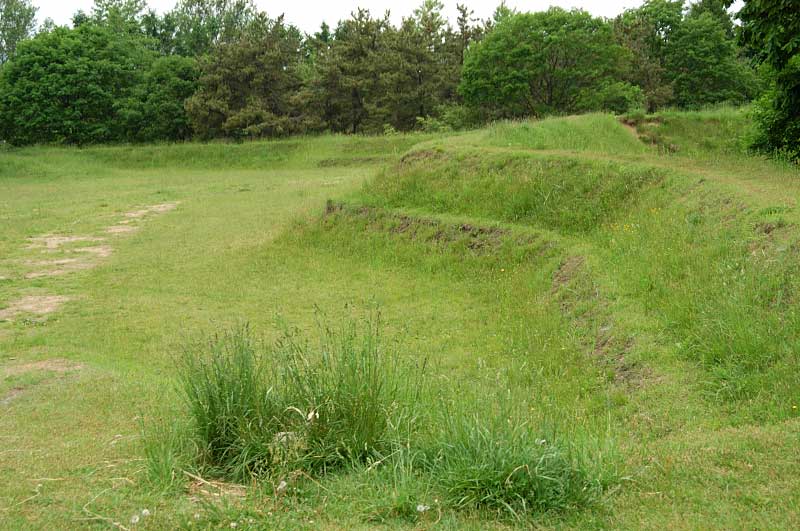
As an archaeological ruin, Shinoridate reveals the remains of fortifications typical of medieval Japanese defensive architecture adapted to the local environment. The site likely included earthen walls, wooden palisades, and watchtowers, although much of the original structures have not survived intact. Excavations have uncovered foundation stones and remnants of defensive ditches, indicating a well-planned fortification system designed to protect its inhabitants and maintain control over the surrounding territory.
Fortified residence characteristics
The term "tate" or "date" in the name signifies a fortified residence rather than a large castle complex. Such sites served both military and administrative functions, housing local leaders and serving as a base for managing the surrounding lands. Shinoridate would have included living quarters, storage facilities, and defensive structures concentrated within a compact area to facilitate rapid defense and control.
Cultural heritage and preservation status
Designated a National Historic Site in 1934, Shinoridate is recognized for its cultural and historical importance in understanding the medieval history of Hokkaido and the interactions between the Wajin and the indigenous Ainu. The site is protected and managed to preserve its archaeological value, although it remains in a state of ruins with visible earthworks and foundational remains rather than standing structures.
Recognition and tourism
Shinoridate is included in the Japan Castle Foundation's Continued Top 100 Japanese Castles, highlighting its significance among Japan's historic fortifications. Visitors to the site can explore the earthworks and learn about the region's medieval history through interpretive signage and local museum exhibits. While the site does not feature reconstructed buildings, its open-air ruins provide valuable insight into the defensive strategies and settlement patterns of the period.
Architectural and historical significance in the context of Hokkaido
Shinoridate exemplifies the frontier nature of medieval Japanese expansion into Hokkaido. Unlike the grand stone castles of Honshu, these garrisons were modest in scale but strategically vital. They demonstrate how the Wajin adapted their fortification techniques to the distinct environment and political realities of northern Japan. The site contributes to a broader understanding of regional power dynamics, cultural exchanges, and the military history of the period.
Comparison with other garrisons
Among the Twelve Garrisons of Southern Hokkaido, Shinoridate's position as the easternmost fortification underscores its role as a first line of defense and a point of contact with indigenous groups. Its archaeological remains offer unique evidence of the construction methods and settlement organization used by the Wajin in this frontier region.
Visiting information and accessibility
While Shinoridate is an archaeological site without extensive visitor facilities, it is accessible to those interested in Japanese medieval history and archaeology. The site is open year-round, though visitors should prepare for outdoor conditions and limited amenities. Nearby museums and cultural centers in Hakodate provide additional context and exhibits related to the garrisons and regional history.
Frequently asked questions (FAQ)
- How do I get to Shinoridate Castle?
- Shinoridate Castle is accessible via public transportation, with the nearest station being Shinoridate Station. From there, it's a short bus ride or a pleasant walk to the castle grounds.
- What is the historical significance of Shinoridate Castle?
- Shinoridate Castle, built during the Edo period, served as a strategic military stronghold and symbolizes the power of local feudal lords. Its history reflects the architectural style and political landscape of Japan during that era.
- When was Shinoridate Castle constructed?
- Shinoridate Castle was originally constructed in the early 17th century, around 1603. It has undergone various renovations since then, preserving its historical architecture and beauty.
- Can I take guided tours of Shinoridate Castle?
- Yes, guided tours are available at Shinoridate Castle, providing visitors with in-depth knowledge about its history and architecture. Tours are conducted in multiple languages, making it accessible for international visitors.
- Why is the architecture of Shinoridate Castle unique?
- The architecture of Shinoridate Castle showcases traditional Japanese castle design, featuring wooden structures and beautiful stone walls. Its unique blend of defensive features and aesthetic appeal makes it a fascinating site for architecture enthusiasts.
- Is it possible to visit Shinoridate Castle year-round?
- Yes, Shinoridate Castle is open to visitors year-round, with varying hours depending on the season. It's advisable to check the official website for any seasonal events or maintenance closures.
- What are the ticket prices for Shinoridate Castle?
- The ticket prices for Shinoridate Castle are quite reasonable, typically ranging from 500 to 1000 yen for adults. Discounts may be available for children, seniors, and groups, making it an affordable cultural experience.
- What is the best time to visit Shinoridate Castle?
- The best time to visit Shinoridate Castle is during the cherry blossom season in spring, usually around late March to early April. Autumn also offers stunning foliage, providing a picturesque backdrop to the castle.
- Are there any nearby attractions to visit?
- Yes, there are several nearby attractions, including beautiful parks, local museums, and traditional tea houses. Exploring the surrounding area can enhance your visit and provide a deeper understanding of Japanese culture.

Information
Loading map...
Visitor reviews
No reviews yet. Been here? Write the first review and help other travelers!
Write the first reviewVisited this castle? Share your experience
Your review helps other travelers and adds first-hand knowledge to our encyclopedia.