Shane's Castle
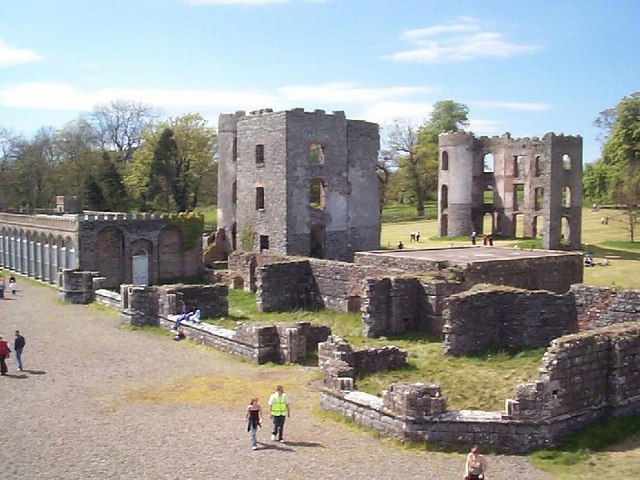
Shane's Castle is a prominent ruined hill castle located near Randalstown in County Antrim, Northern Ireland, on the north-eastern shores of Lough Neagh. This historic site stands as a testament to the power and legacy of the O'Neill dynasty, one of Ireland's most influential Gaelic families. Originally constructed in 1345, the castle was initially known as Edenduffcarrick, meaning "brow of black rock" in Irish, reflecting its commanding position overlooking the surrounding landscape.
The castle's foundation in the late medieval period marked the assertion of control by the Clandeboy branch of the O'Neills over the Lower Clandeboy territory. The fortress served as a strategic stronghold and residence, embodying the martial and political ambitions of the family during a turbulent era in Irish history. In 1722, the castle was renamed Shane's Castle in honor of Shane MacBrien O'Neill, a chieftain who ruled the area from 1595 to 1617 and played a significant role in the region's history.
Architectural evolution and historical significance
Medieval origins and early structure
The original castle, built in the mid-14th century, was a typical late medieval hill castle designed for defense and residence. Its location on elevated ground near Lough Neagh provided natural defensive advantages and control over local waterways and land routes. The fortress likely featured robust stone walls, battlements, and a keep or donjon as the central stronghold, common in Irish castles of the period.
19th-century renovations and architectural ambitions
In the early 19th century, the castle underwent significant changes reflecting shifting tastes and ownership priorities. Around 1800, the terrace was expanded, signaling an interest in enhancing the estate's aesthetic and leisure aspects. In 1812, renowned architect John Nash was commissioned to rebuild the castle in a style evocative of the Plantation era, blending medieval motifs with contemporary Regency elegance. Unfortunately, this ambitious project was cut short when a devastating fire in 1816 destroyed much of the castle, sparing only Nash's Camellia House, which remains a key architectural relic on the estate.
Victorian-gothic mansion and 20th-century decline
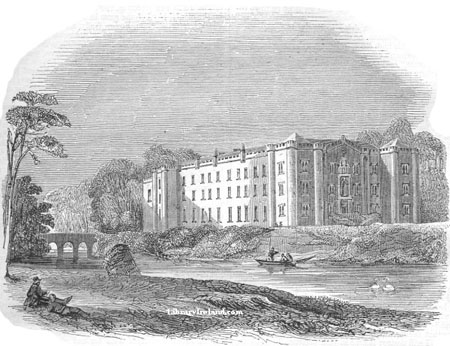
Later in the 19th century, the estate saw the construction of a grand Victorian-Gothic mansion designed by architects Charles Lanyon and William Henry Lynn. Built in the 1860s for the 1st Lord O'Neill, this mansion served as the main residence and exemplified the Gothic Revival style popular in Victorian Britain and Ireland. However, the mansion was destroyed by fire in 1922 during the political upheaval involving the Irish Republican Army (IRA), marking a significant loss to the estate's architectural heritage.
The estate and its unique features
Extensive grounds and lough neagh setting
The 2,600-acre estate surrounding Shane's Castle encompasses a diverse landscape of woodlands, parklands, and shoreline along Lough Neagh, the largest freshwater lake in the British Isles. This setting not only provided strategic defense but also offered scenic beauty that has attracted visitors and filmmakers alike.
Historic railways and military use
During World War II, the British Army constructed a narrow-gauge railway on the estate to facilitate transport to an on-site bomb storage facility. This military railway, built to a gauge of two feet (610 millimeters), operated from 1940 to 1956. Subsequently, from 1971 to 1995, a tourist railway ran along a 2.4-kilometer track with three stations named after local landmarks such as Antrim, Millburn, and Shane's Castle, enhancing visitor access and experience.
Cultural significance and modern legacy
Filming location for popular media
In recent years, Shane's Castle and its estate have gained international recognition as a filming location for the acclaimed television series Game of Thrones. The castle grounds served as the backdrop for multiple iconic scenes, including the Tourney of the Hand honoring Ned Stark, the arrival of King Robert Baratheon at Winterfell, and the depiction of the King's Landing dungeons. This exposure has increased tourism interest and highlighted the site's dramatic landscapes and historic ambiance.
Preservation and visitor experience
Today, Shane's Castle remains largely in ruins following the fires and centuries of change, with the Camellia House standing as a rare intact structure from the early 19th-century renovations. The ruins offer visitors a tangible connection to the layered history of the O'Neill dynasty and the architectural evolution from medieval fortress to Victorian estate. The estate's natural beauty, combined with its rich historical narrative, makes it a significant cultural heritage site in Northern Ireland.
Visitors can explore the extensive grounds, enjoy views over Lough Neagh, and appreciate the castle's role in Irish history and popular culture. The site's combination of medieval architecture, 19th-century garden design, and modern cultural relevance provides a unique experience for history enthusiasts, architecture lovers, and fans of contemporary media alike.
Frequently asked questions (FAQ)
- What is the historical significance of Shane's Castle?
- Shane's Castle, located in Randalstown, is a site of great historical importance, originally built in the late 16th century. It served as the ancestral home of the O'Neill family, one of the most powerful Gaelic families in Ireland. The castle's ruins reflect its rich heritage and its role in the history of Northern Ireland.
- When was Shane's Castle built?
- The original structure of Shane's Castle was constructed in the late 1500s, with significant renovations taking place in the 18th century. The castle has witnessed various historical events and has undergone numerous changes throughout its long existence, making it a fascinating site for history enthusiasts.
- Can I visit Shane's Castle?
- Yes, Shane's Castle is open to visitors, although access may be limited depending on the events taking place. Guided tours are often available, providing insights into the castle's history and architecture. It is advisable to check the official website for the latest visiting information and any special events.
- What are the opening hours for Shane's Castle?
- Shane's Castle typically opens to the public from April to September, with specific opening hours varying by day. Visitors should consult the castle's official website for the most accurate and current information regarding hours of operation, as they may change seasonally or for special events.
- Is it possible to access Shane's Castle with mobility aids?
- While Shane's Castle does have some pathways available for visitors with mobility aids, the terrain can be uneven due to the castle's historical nature. It's best to check in advance for any accessibility options or assistance that may be available during your visit. Planning ahead can help ensure a comfortable experience.
- What is the best time to visit Shane's Castle?
- The best time to visit Shane's Castle is during the late spring and summer months when the weather is typically mild, and the gardens are in full bloom. Additionally, many events and guided tours are scheduled during this time, enhancing the visitor experience. Early mornings or late afternoons can also offer a quieter atmosphere.
- Are there any nearby attractions to explore when visiting Shane's Castle?
- Yes, when visiting Shane's Castle, you can explore several nearby attractions, including the scenic Lough Neagh and the charming village of Randalstown. Additionally, the Antrim Castle Gardens and the historic town of Antrim are just a short drive away, making them great options for a full day of exploration.
- What are the ticket prices for visiting Shane's Castle?
- Ticket prices for Shane's Castle can vary depending on the season and any special events that may be occurring. Typically, there is a nominal fee for adult tickets, with discounts available for children and seniors. It's recommended to check the official website for the most up-to-date pricing information before your visit.
Information
Website
Visit websiteSources & official resources
Verify the information above using these authoritative references.
Loading map...
Visitor reviews
No reviews yet. Been here? Write the first review and help other travelers!
Write the first reviewVisited this castle? Share your experience
Your review helps other travelers and adds first-hand knowledge to our encyclopedia.