Sığacık Castle

Sığacık Castle: Ottoman coastal fortress in Izmir, Turkey
Liman Cd., Turkey

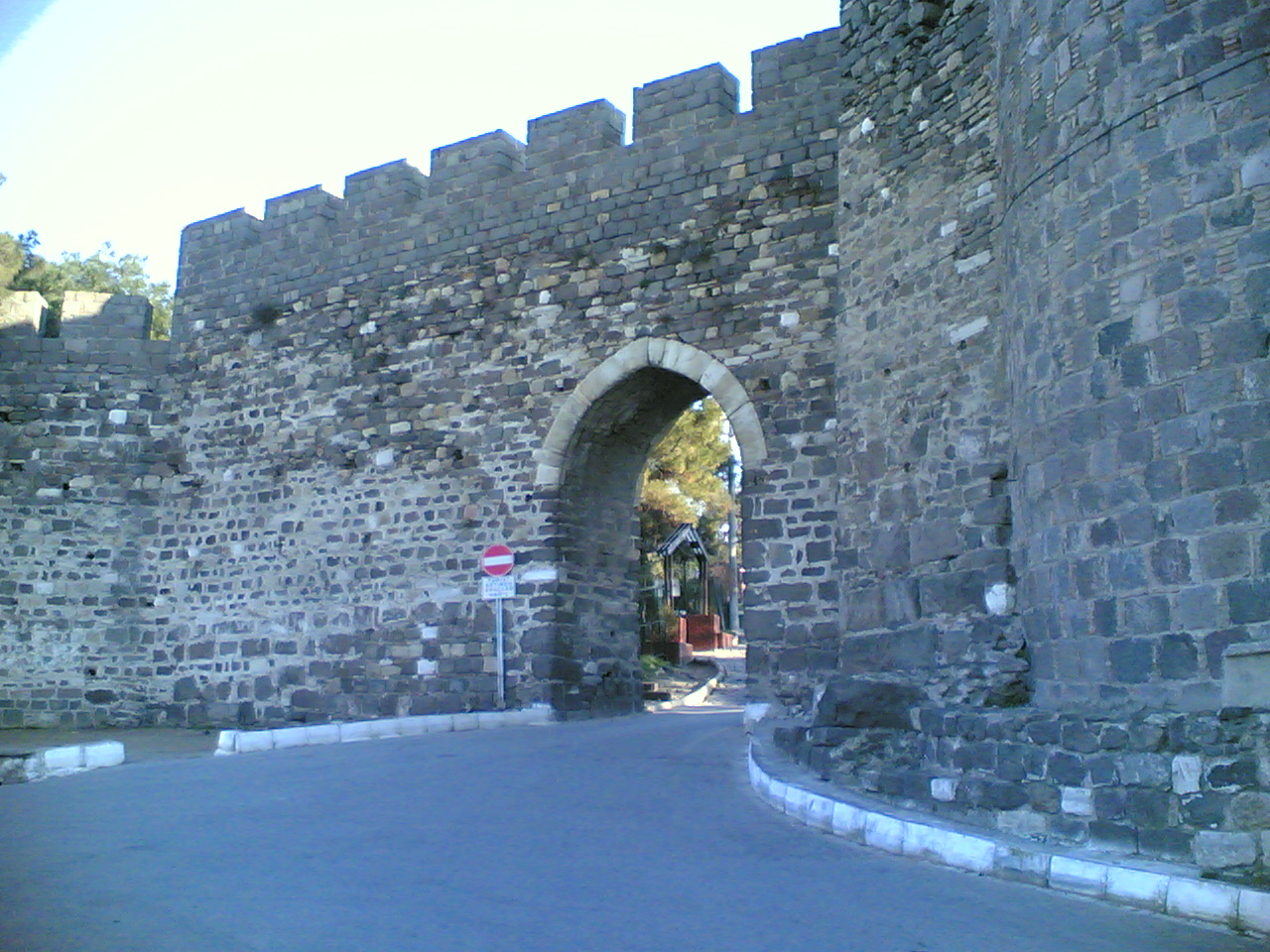
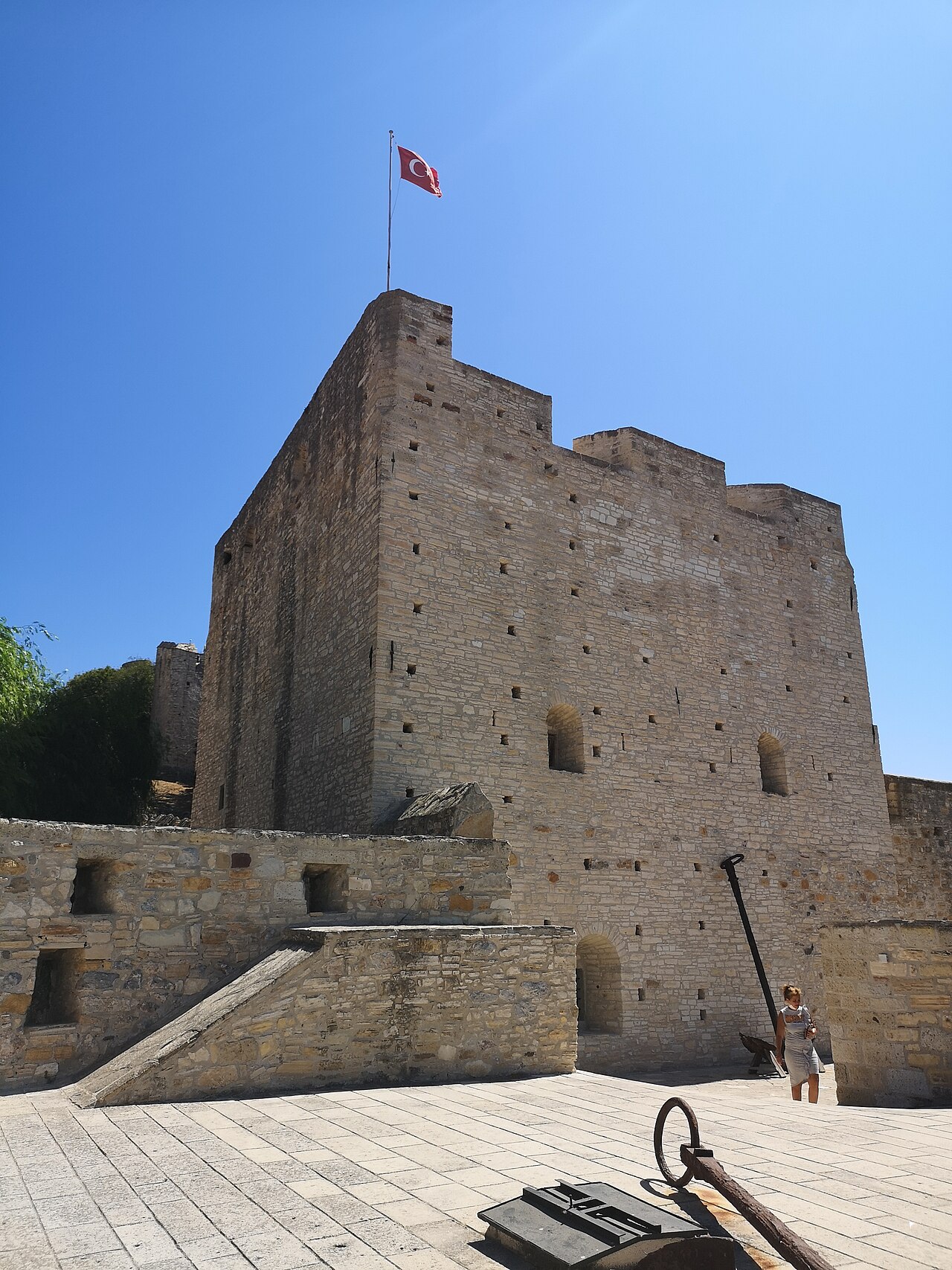
Sığacık Castle, locally known as Sığacık Kalesi, is a historic Ottoman fortress located at the harbor of the village of Sığacık in the Izmir province of Turkey. Constructed between 1521 and 1522, this castle was commissioned by Parlak Mustafa Paşa, a prominent Ottoman naval commander, as part of the preparations for the Siege of Rhodes under the reign of Sultan Suleiman the Magnificent. The idea to build the fortress was proposed by the famed Ottoman admiral and cartographer Piri Reis, reflecting the strategic importance of the site for Ottoman naval operations in the Aegean Sea.

Historical context and strategic significance

The castle's construction took place during a period of intense military activity in the eastern Mediterranean, as the Ottoman Empire sought to expand its influence and secure its maritime borders. The Siege of Rhodes (1522) was a crucial campaign aimed at capturing the island from the Knights Hospitaller, and fortifications like Sığacık Castle played a vital role in securing supply lines and coastal defense. Situated near the ancient Greek city of Teos, Sığacık Castle was strategically positioned to control the harbor and protect Ottoman naval assets.

Architectural features and layout

Sığacık Castle is characterized by its distinctive triangular ground plan, which is somewhat unusual for Ottoman coastal fortresses of the period. The castle's design includes two towers located at two of its corners, providing vantage points for surveillance and defense against naval threats. The walls of the castle are constructed using stone likely sourced from the nearby ruins of Teos, which served both as a convenient quarry and a source of durable building material.

The fortress walls are robust but relatively modest in height, reflecting its role as a defensive outpost rather than a large military stronghold. The castle's location at the harbor entrance allowed it to control maritime access effectively, while its compact size facilitated rapid defense by a small garrison.

Materials and construction techniques

The use of repurposed stone from the ancient city of Teos illustrates a common practice in Ottoman military architecture, where local materials were integrated into new constructions. This reuse not only expedited building but also connected the castle to the region's long history of settlement and defense.

The castle and the village of Sığacık

Beyond its military function, Sığacık Castle influenced the development of the surrounding village, which retains large sections of its contemporary town walls. These walls, built around the same time as the castle, helped protect the local population and contributed to the village's historic character.

Today, the village of Sığacık is noted for its picturesque setting and well-preserved architectural heritage. The castle itself, now a ruin, is freely accessible to visitors and often serves as a cultural landmark within the community. It is common to find local markets and events in the vicinity, enhancing the castle's role as a focal point for both tourism and local life.

Preservation and current condition

The castle has suffered from centuries of neglect and natural decay, leading to its current state as a ruin. Despite this, the remaining structures provide valuable insight into 16th-century Ottoman military architecture and coastal defense strategies. The site is open to the public without an entrance fee, allowing visitors to explore the historic walls, towers, and surrounding areas at their leisure.

Efforts to preserve and study the castle have been limited, but its significance as part of the Ottoman maritime heritage and its connection to important historical figures like Parlak Mustafa Paşa and Piri Reis make it an important cultural asset in the Izmir region.

Frequently asked questions (FAQ)

What is the historical significance of Sığacık Castle?
Sığacık Castle, built in the 16th century, played a crucial role in defending the Aegean coast from potential invasions. Its strategic location provided protection for the nearby harbor and served as a vital military outpost during various historical periods.
When was Sığacık Castle constructed?
Sığacık Castle was constructed in 1508 by the famous architect Mimar Sinan under the orders of the Ottoman Sultan Selim I. It was part of a series of fortifications built to secure the coastline against maritime threats.
What are the opening hours for Sığacık Castle?
Sığacık Castle is open to visitors every day from 9 AM to 7 PM. However, hours may vary during public holidays, so it's advisable to check in advance before planning your visit.
Can I enter Sığacık Castle without a ticket?
No, visitors are required to purchase a ticket for entry into Sığacık Castle. The ticket prices are quite affordable, making it accessible for everyone interested in exploring this historical site.
Is it possible to take guided tours at Sığacık Castle?
Yes, guided tours are available at Sığacık Castle, providing visitors with in-depth knowledge about its history and architecture. These tours enhance the experience, allowing you to fully appreciate the castle's significance and stories.
What is the best time to visit Sığacık Castle?
The best time to visit Sığacık Castle is during the spring and fall months when the weather is mild and pleasant. These seasons also see fewer tourists, allowing for a more enjoyable exploration of the castle and its surroundings.
How accessible is Sığacık Castle for visitors with disabilities?
Sığacık Castle has limited accessibility for visitors with mobility challenges due to its historical structures and terrain. However, efforts are made to assist visitors where possible, and it’s recommended to contact the castle management for specific inquiries.
Are there any nearby attractions to visit after Sığacık Castle?
Yes, after visiting Sığacık Castle, you can explore the charming village of Sığacık itself, known for its quaint streets and local markets. Additionally, the beautiful Teos Ancient City and the stunning beaches along the coast are just a short drive away, making for an enriching day trip.

Loading map...

Visitor reviews

No reviews yet. Been here? Write the first review and help other travelers!

Write the first review

Visited this castle? Share your experience

Your review helps other travelers and adds first-hand knowledge to our encyclopedia.
Write a review

(5/5)

0/2000 characters

Your review will be visible after admin approval

Nearby castles

39.6 km
İzmir Port Castle — Turkey castle

İzmir Port Castle

, Turkey

İzmir Port Castle is a notable example of a high medieval hill castle located in the region surrounding the modern city of İzmir, Turkey. Constructed in the 12th century, this fortress played a crucial role in controlling and defending the coastal approaches to the Aegean Sea, serving as a strategic military and trade stronghold during the medieval period. Historical context and strategic significance During the high medieval period, the Aegean coastline was a contested region among various powers, including the Byzantine Empire, Seljuk Turks, and later the Ottoman Empire. The İzmir Port Castle was built to oversee and protect the vital maritime routes and the port facilities of the area, which were essential for commerce and military movements. The castle's location on elevated terrain provided commanding views over the surrounding sea and land, enabling early warning of approaching naval forces. This made it a key defensive installation in the region, contributing to the security and control of trade and military logistics. Architectural features and construction The castle exemplifies typical hill castle design principles of the 12th century, with a focus on natural topography to enhance defense. It was constructed primarily from local stone, featuring robust curtain walls that follow the contours of the hill, enclosing a central keep or donjon which served as the last line of defense and the lord's residence. Key architectural elements include towers positioned at strategic points along the walls for surveillance and defense, gatehouses fortified with portcullises and murder holes, and a moat or ditch where terrain permitted. The castle's design reflects the military engineering knowledge of the time, emphasizing defensive strength and controlled access. Defensive structures The walls are punctuated with battlements and crenellations, allowing defenders to repel attackers while minimizing exposure. Arrow slits and embrasures are integrated into the walls and towers, enabling archers to cover all approaches. The keep itself is a multi-storied structure with thick walls, designed to withstand prolonged sieges. Living quarters and internal layout Within the castle walls, there would have been various chambers including a great hall, storage rooms, and living quarters for the garrison and the commanding lord. The internal courtyard likely accommodated stables, workshops, and cisterns for water storage, essential for enduring sieges. Historical developments and later use Over the centuries, İzmir Port Castle experienced modifications reflecting changing military technologies and political shifts. As gunpowder weapons emerged, some walls and towers may have been reinforced or adapted to accommodate artillery. The castle's strategic importance continued under Ottoman rule, although its military role diminished with the advent of modern fortifications and changes in naval warfare. Today, the castle remains a significant historical monument, representing medieval military architecture in the Aegean region. While much of the structure may be in ruins or partially preserved, it offers valuable insights into the defensive strategies and architectural styles of the high medieval period. Visiting İzmir port castle Visitors to the site can explore the remains of the castle walls, towers, and the central keep, gaining a sense of the fortress's scale and defensive capabilities. The elevated position provides panoramic views of the surrounding landscape and the Aegean coastline, enhancing the visitor experience. Interpretive signage and guided tours, where available, help contextualize the castle's history and architectural features. The site is a point of interest for those fascinated by medieval fortifications, Turkish history, and coastal defense systems.

High Medieval (11th–13th c.)
Details
39.8 km
Kadifekale Castle — Turkey castle

Kadifekale Castle

Izmir, Turkey

Kadifekale Castle, prominently situated on Pagos Hill in the city of Izmir, Turkey, stands as a monumental testament to the region's rich and complex history. Known locally simply as Kadifekale, this hill castle overlooks the modern city and the Gulf of İzmir, embodying layers of architectural and cultural heritage that span from ancient Greek origins through Byzantine, Seljuk, and Ottoman periods. The castle's history is deeply intertwined with the ancient city of Smyrna, originally established on the slopes of Pagos Hill around the 3rd century BC. Smyrna's relocation to this defensible height is traditionally attributed to Lysimachus, a successor of Alexander the Great, who fortified the acropolis as part of a strategic urban shift. Ancient sources like Pausanias and Strabo recount the divine inspiration and practical considerations behind this move, although the majority of Smyrna's population remained near the harbor. The fortifications on Pagos Hill formed the city's acropolis and were integral to its defense. Ancient foundations and hellenistic origins The earliest fortifications on Pagos Hill date back to the late 4th or early 3rd century BCE. These initial walls and structures were constructed primarily from stone and brick, serving as the acropolis for Smyrna. This period marks the castle's foundation as a military and civic stronghold. The Hellenistic masonry, though largely obscured by later medieval additions, is believed to survive in fragments beneath the current walls, indicating the site’s long-standing strategic importance. The role of lysimachus and alexander the great Lysimachus, one of Alexander the Great's generals and successors, is credited with establishing the fortified settlement atop Pagos Hill. According to tradition, Alexander the Great received a prophetic vision from the oracle at Klaros, directing the relocation of Smyrna to this elevated site for better defense and prosperity. This move was significant in shaping the city's urban and military landscape, although the harbor area remained the center of commercial and daily life. Roman and byzantine transformations In 197 BC, Smyrna came under the control of the Kingdom of Pergamon, and later, following the death of King Attalos II, it fell to the Roman Empire. The city suffered a catastrophic earthquake in 178 AD, prompting extensive rebuilding under the orders of Emperor Marcus Aurelius. This reconstruction included restoration of the castle's fortifications and urban infrastructure. With the division of the Roman Empire in 395 AD, Smyrna became part of the Byzantine Empire. The Byzantines undertook further restoration of Kadifekale, maintaining its role as a defensive bastion. The castle's walls and cisterns were repaired and expanded during this era, reflecting the ongoing military and civic significance of the site. Medieval conflicts and changing rulers Throughout the medieval period, Smyrna and Kadifekale experienced a turbulent history marked by multiple conquests. The castle was controlled by Byzantines, Arabs, Seljuks, Crusaders, and Genoese at various times. In 1317, the castle, then known as Yukari Kale, was captured by Aydınoğlu Mehmet Bey, though the lower city remained out of reach until his son, Ghazi Umur Bey, took it in 1329. The Crusaders briefly seized the lower city in 1344, and in 1402, the warlord Timur (Tamerlane) united the upper and lower fortifications under his control. Ottoman restoration and later history The Ottoman Sultan Murat II conquered Smyrna in 1422, and the castle underwent significant restoration during the reign of Mehmed II the Conqueror in the 1440s. The majority of the surviving walls and towers visible today date from this Ottoman restoration phase, highlighting the castle's continued military importance into the early modern period. By the 17th century, as recorded by the Ottoman traveler Evliya Çelebi in 1671, Kadifekale had declined in prominence. Only a few houses, vineyards, and gardens remained within its walls, inhabited by a small number of Janissaries and their families. The once vibrant inns, baths, bazaars, and mosque had fallen into ruin. Architectural features and archaeological remains Kadifekale's layout is characteristic of a fortified acropolis, with robust stone and brick walls encompassing the summit of Pagos Hill. The most prominent surviving structures include the western and southern walls, which feature five towers rising between 20 and 35 meters in height. These defensive constructions exhibit medieval techniques, but some incorporate fragments of earlier Hellenistic masonry. Roman cisterns and water management One of Kadifekale's most remarkable features is its extensive system of Roman-era cisterns, carved directly into the andesite bedrock beneath the castle. The largest cistern covers approximately 2,650 square meters and is supported by forty columns beneath a roof of rectangular arches resting on massive pillars. This underground reservoir had a capacity of nearly 750 cubic meters and played a vital role in supplying water to ancient Smyrna. These cisterns were maintained and restored through Byzantine and Ottoman periods, underscoring their enduring importance. Aqueducts and pipelines connected the cisterns to the city's agora and other urban centers, ensuring a reliable water supply even during sieges or droughts. Other notable ruins and features Within the castle grounds lie the ruins of a 14th-century mosque and parts of a Byzantine cistern, reflecting the site's layered history. The ancient stadium once located west of the fortress is now fully built over, but its long depression remains a subtle reminder of Smyrna's civic life. East of the main gate, remnants of an ancient theater survive, primarily from rebuilding efforts following the earthquake of 178 AD. Modern significance and conservation efforts In the 19th and 20th centuries, Kadifekale became part of a ring of hills surrounding Izmir's predominantly Turkish neighborhoods. The area was historically inhabited by Kurdish migrants and regarded as a slum, undergoing significant urban renewal in recent decades. Restoration projects began in 2007, focusing on preserving the castle walls, historic cisterns, and the mosque. Lighting installations along the walls have enhanced the site's visibility and appeal. Since 2019, Kadifekale has hosted a weekly producers' market, fostering community engagement and cultural tourism. In 2020, Kadifekale was included on UNESCO's tentative list as part of the "Historic Port City of İzmir" nomination, recognizing its outstanding cultural and historical value. Kadifekale Castle remains freely accessible to visitors, offering panoramic views of Izmir and a tangible connection to the city's ancient and medieval past. Despite its mostly ruined state, the castle's enduring walls, cisterns, and scattered architectural remnants continue to tell the story of a site that has witnessed millennia of history and transformation.

Early Medieval (5th–10th c.)
Details
44.4 km
Çeşme Castle — Turkey castle

Çeşme Castle

Çeşme, Turkey

Çeşme Castle, locally known as Çeşme Kalesi, is a prominent Ottoman fortress located at the harbor of the town of Çeşme in the Izmir province of Turkey. This late medieval castle was constructed in the early 16th century to defend the strategically vital Aegean coastline from naval threats, particularly from the Venetians and later the Russians. Its commanding position overlooking the harbor made it a key military and maritime stronghold for centuries. Historical background and strategic importance The exact origins of fortifications at Çeşme are somewhat unclear, but historical records confirm that the current castle was built in 1508 under the orders of Ottoman Sultan Bayezid II. This construction followed two significant Venetian raids in 1472 and 1501, which exposed the vulnerability of the coastline and the harbor. The fortress was designed to protect the important harbor of Çeşme, which was a crucial naval and commercial port for the Ottoman Empire in the Aegean Sea. The first known commander of the castle was Mir Haydar, who also governed the surrounding Aydın province. The castle thus became a central element in the Ottoman defensive network along the Aegean coast, safeguarding maritime routes and local settlements from foreign incursions. In 1770, during the Russo-Turkish War of 1768-1774, Çeşme Castle was the site of the Battle of Çeşme, a major naval engagement between the Ottoman and Russian fleets in the bay before the fortress. The castle itself endured bombardment by Russian ships and was subsequently repaired to restore its defensive capabilities. This battle marked a significant moment in the military history of the region, highlighting the castle's ongoing strategic role well into the 18th century. Architectural features and layout Çeşme Castle is built on sloping ground with a rectangular ground plan oriented towards the harbor. The fortress comprises three baileys, each protected by defensive walls, creating multiple layers of fortification. The castle's design reflects typical Ottoman military architecture of the period, emphasizing robust stone construction capable of withstanding artillery and naval bombardment. The castle features six bastions positioned along three sides, enhancing its defensive coverage against both land and sea attacks. Surrounding the fortress on three sides are moats, which provided an additional barrier to invading forces. Two prominent twin towers closest to the sea exhibit architectural similarities to the northwestern tower of the Genoese castle on Chios Island, indicating shared influences or tactical design principles among Aegean coastal fortifications. Originally, the castle stood directly on the shoreline, serving as the first line of defense for the harbor. However, natural geological changes and human land reclamation have caused the sea to retreat, leaving the castle further inland than at its inception. Construction materials and techniques The fortress was constructed using sturdy stone masonry, typical of Ottoman military structures designed to resist cannon fire and naval bombardment. The walls and bastions are thick and reinforced, with embrasures and battlements allowing defenders to mount artillery and small arms fire effectively. The castle's layout maximizes visibility and firing angles over the harbor and surrounding land approaches. Later history and cultural significance Following its military use through the 19th century, Çeşme Castle gradually lost its strategic importance and was largely abandoned as a fortress. However, in the 20th century, it was repurposed as a cultural and historical site, reflecting Turkey's growing interest in preserving its Ottoman heritage. In 1965, the castle opened as a weapons museum, displaying arms on loan from the Topkapı Palace Museum in Istanbul. Later, in 1984, it was converted into the Çeşme Archaeological Museum, showcasing artifacts excavated from nearby ancient sites such as Bağcılar and the ancient city of Çeşme-Erythrai. The museum's collection includes amphorae, trade-related objects, and items related to the castle's military history, including relics from the Russo-Turkish War. In 2020, Çeşme Castle was nominated for inclusion on Turkey’s UNESCO World Heritage Tentative List, emphasizing its cultural and historical value. Today, the castle remains a significant landmark and tourist attraction, with a monument dedicated to Gazi Hasan Pasha, a notable Ottoman naval commander, prominently displayed in front of the fortress. Visitor experience and museum exhibits Visitors to Çeşme Castle can explore its well-preserved walls, bastions, and towers, gaining insight into Ottoman military architecture and coastal defense strategies. The castle houses the Çeşme Museum, where archaeological finds and historical artifacts provide a comprehensive narrative of the region's maritime and military past. The museum's exhibits include ancient amphorae used for transporting goods like wine and oil, reflecting the area's long history as a trading hub. Weapons and military items on display illustrate the castle's role in various conflicts, including the Battle of Çeşme. The site offers an educational and engaging experience for history enthusiasts and tourists alike. Accessibility and visitor information Çeşme Castle is accessible to the public for a small entrance fee. Its location at the harbor makes it an easy destination for visitors exploring the town of Çeşme and the surrounding Aegean coast. The castle's preservation and museum facilities contribute to its status as a key cultural attraction in the Izmir region.

Late Medieval (14th–15th c.)
Details