Schwerinsburg
Schwerinsburg castle stands as a prominent historic landmark in Windhoek, Namibia, embodying a unique blend of European castle architecture transplanted into the African landscape. Constructed between 1890 and 1913, this hill castle was originally built during the period of German colonial rule in Namibia, serving as a fortified residence and symbol of power for German colonial administrators.
Historical background and colonial context
The castle’s construction began in the late 19th century, a time when Germany was establishing its colonial presence in South West Africa (now Namibia). Schwerinsburg was named after Count Schwerin, a German military officer, reflecting its origins tied to German imperial ambitions. The castle served as the residence of the German governor, making it a center of colonial administration and military oversight.
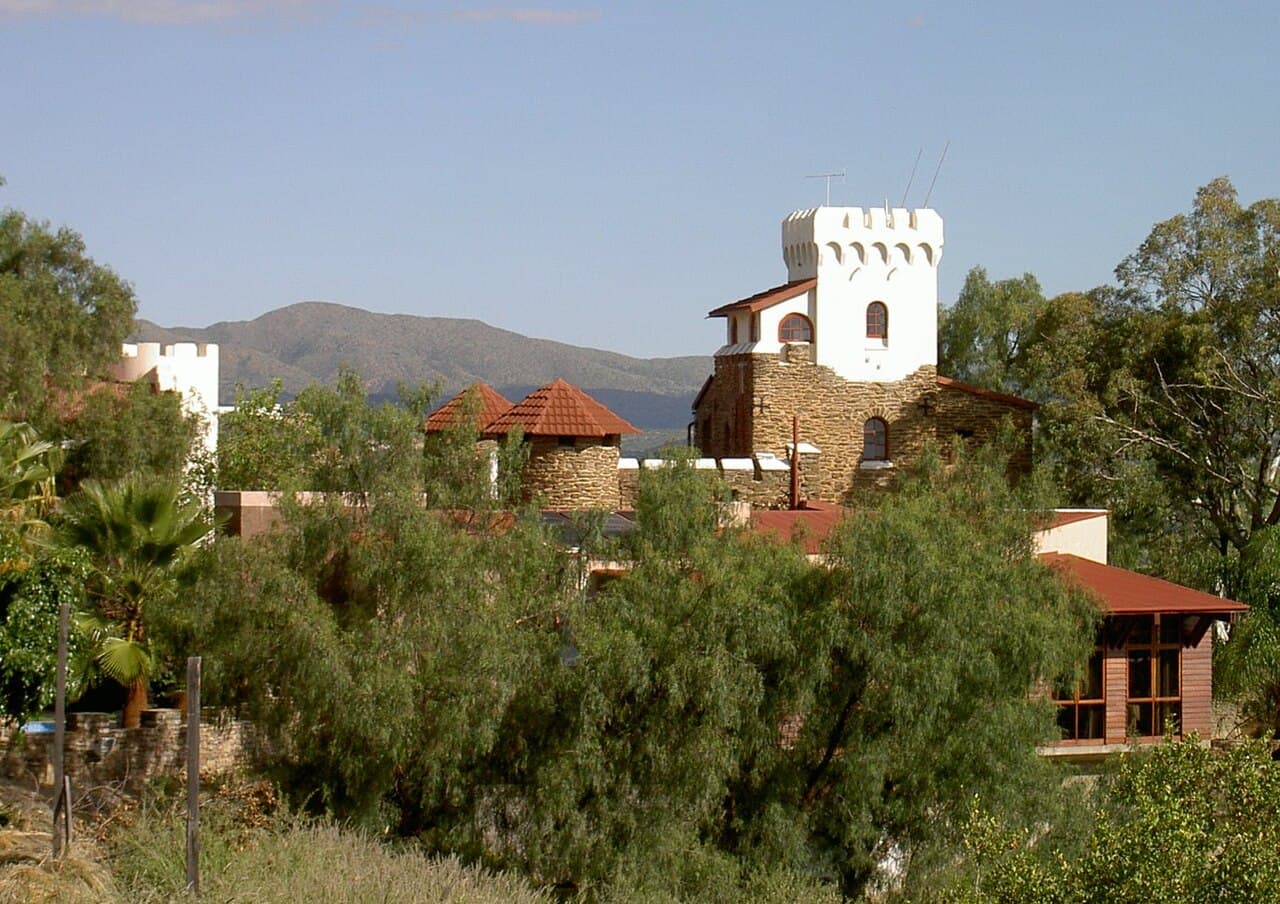
Its strategic location atop a hill overlooking Windhoek provided both a commanding view of the surrounding area and a defensive advantage. This positioning was typical of hill castles designed to assert control over key territories and monitor potential threats.
Architectural features and style
Schwerinsburg castle exhibits architectural elements characteristic of European castles, adapted to the local environment and materials available. The castle’s design reflects a mixture of styles but is predominantly influenced by late 19th and early 20th-century European military and residential architecture.
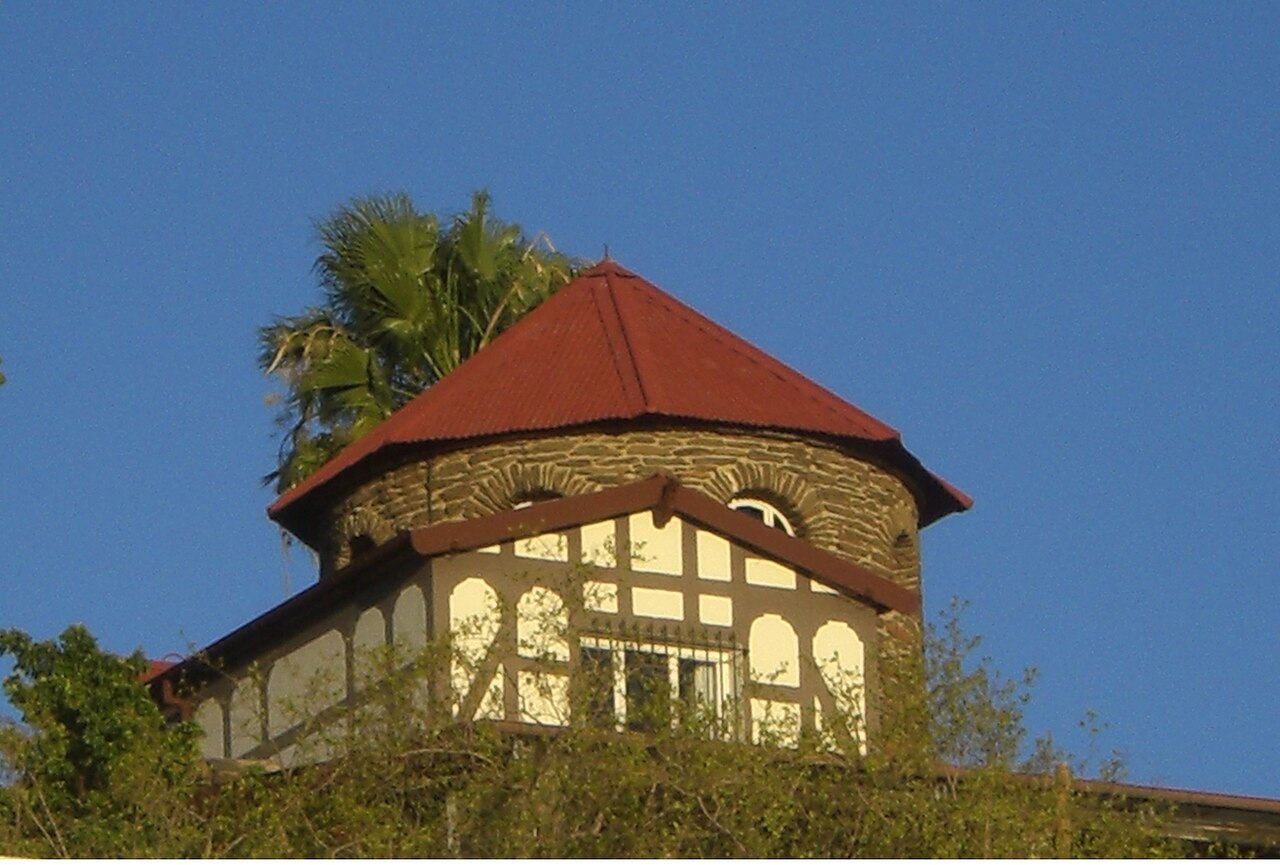
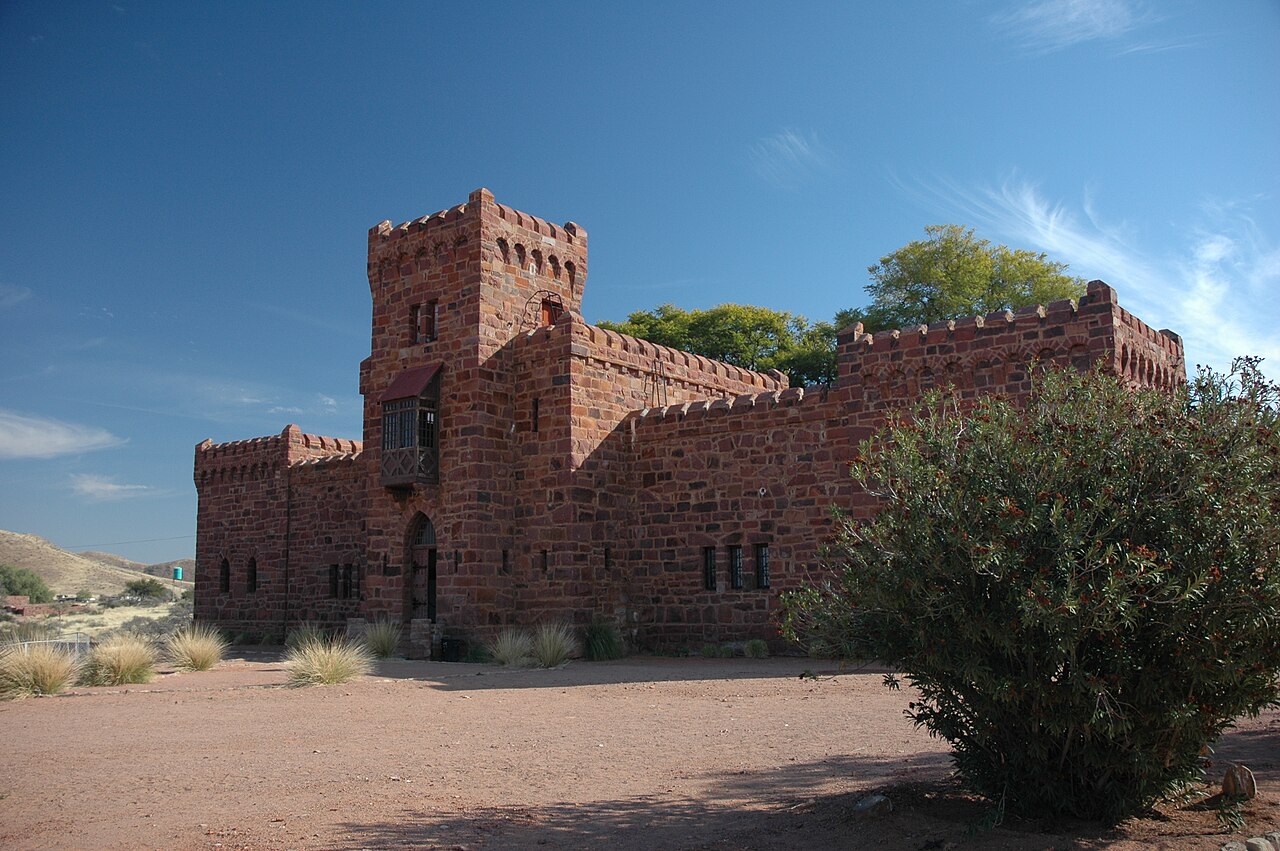
The castle features robust stone walls, crenellated battlements, and a prominent tower that emphasizes its defensive purpose. The use of local stone and construction techniques combined with European design principles creates a distinctive aesthetic. Inside, the castle includes formal reception rooms, private chambers, and functional spaces suited for both governance and residence.
Defensive structures
The castle’s fortifications include thick walls and limited entry points, designed to withstand attacks and control access. The battlements and towers allowed guards to survey the surrounding landscape and defend against potential uprisings or external threats. Although primarily symbolic of colonial power, these features had practical defensive functions.
Restoration and current status
After Namibia gained independence, Schwerinsburg castle underwent restoration to preserve its historical and architectural significance. Today, it is recognized as a restored heritage site and serves as a museum and cultural venue, attracting visitors interested in Namibia’s colonial history and architectural heritage.
The castle’s preservation allows for educational opportunities and tourism, highlighting the complexities of Namibia’s past and the legacy of European colonial architecture in Africa. Its location continues to offer panoramic views of Windhoek, making it a popular destination for both locals and tourists.
Significance in Namibian heritage
Schwerinsburg castle is one of the few remaining examples of German colonial architecture in Namibia, representing a tangible link to the country’s colonial era. It provides insight into the political and military strategies of the time, as well as the lifestyle of colonial administrators.
As a cultural monument, the castle contributes to the understanding of Namibia’s diverse history, reflecting the intersection of European and African narratives. Its continued maintenance and use underscore the importance of preserving historical sites that foster dialogue about the past.
Frequently asked questions (FAQ)
- What is the historical significance of Schwerinsburg?
- Schwerinsburg, built in the late 19th century, is an iconic symbol of German colonial architecture in Namibia. It served as the residence of the Governor of German South West Africa and represents the rich history of colonial influence in the region.
- When was Schwerinsburg constructed?
- Schwerinsburg was constructed between 1893 and 1895. The castle's design reflects the architectural style of the era, showcasing intricate details and a blend of local materials.
- Can I visit Schwerinsburg?
- Yes, visitors are welcome to explore Schwerinsburg. Guided tours are typically available, allowing guests to learn about its history and architecture while enjoying the stunning views of Windhoek.
- What are the opening hours for Schwerinsburg?
- Schwerinsburg is usually open from 9 AM to 5 PM, Monday to Friday, and may have limited hours on weekends. It is advisable to check the official website for any changes or special events that may affect visiting hours.
- Is it possible to access Schwerinsburg with a wheelchair?
- While Schwerinsburg is a historical site, it does have some accessibility options for visitors with mobility challenges. However, due to its architectural features, some areas may be difficult to navigate, so it's recommended to inquire ahead of your visit.
- What is the best time to visit Schwerinsburg?
- The best time to visit Schwerinsburg is during the cooler months from May to September. This period offers pleasant weather, making it ideal for exploring the castle and enjoying the surrounding gardens.
- Are there any nearby attractions to visit while at Schwerinsburg?
- Yes, while visiting Schwerinsburg, you can also explore the nearby National Museum of Namibia and the Christ Church, both of which offer insights into the country's history and cultural heritage. These attractions are conveniently located in Windhoek.
- How much do tickets to Schwerinsburg cost?
- Ticket prices for Schwerinsburg vary, but they are generally affordable for both local and international visitors. Children and students often receive discounts, so it's beneficial to check for any available promotions before your visit.
Photo gallery

Information
Loading map...
Visitor reviews
No reviews yet. Been here? Write the first review and help other travelers!
Write the first reviewVisited this castle? Share your experience
Your review helps other travelers and adds first-hand knowledge to our encyclopedia.