Schneeburg — Germany castle

Schneeburg

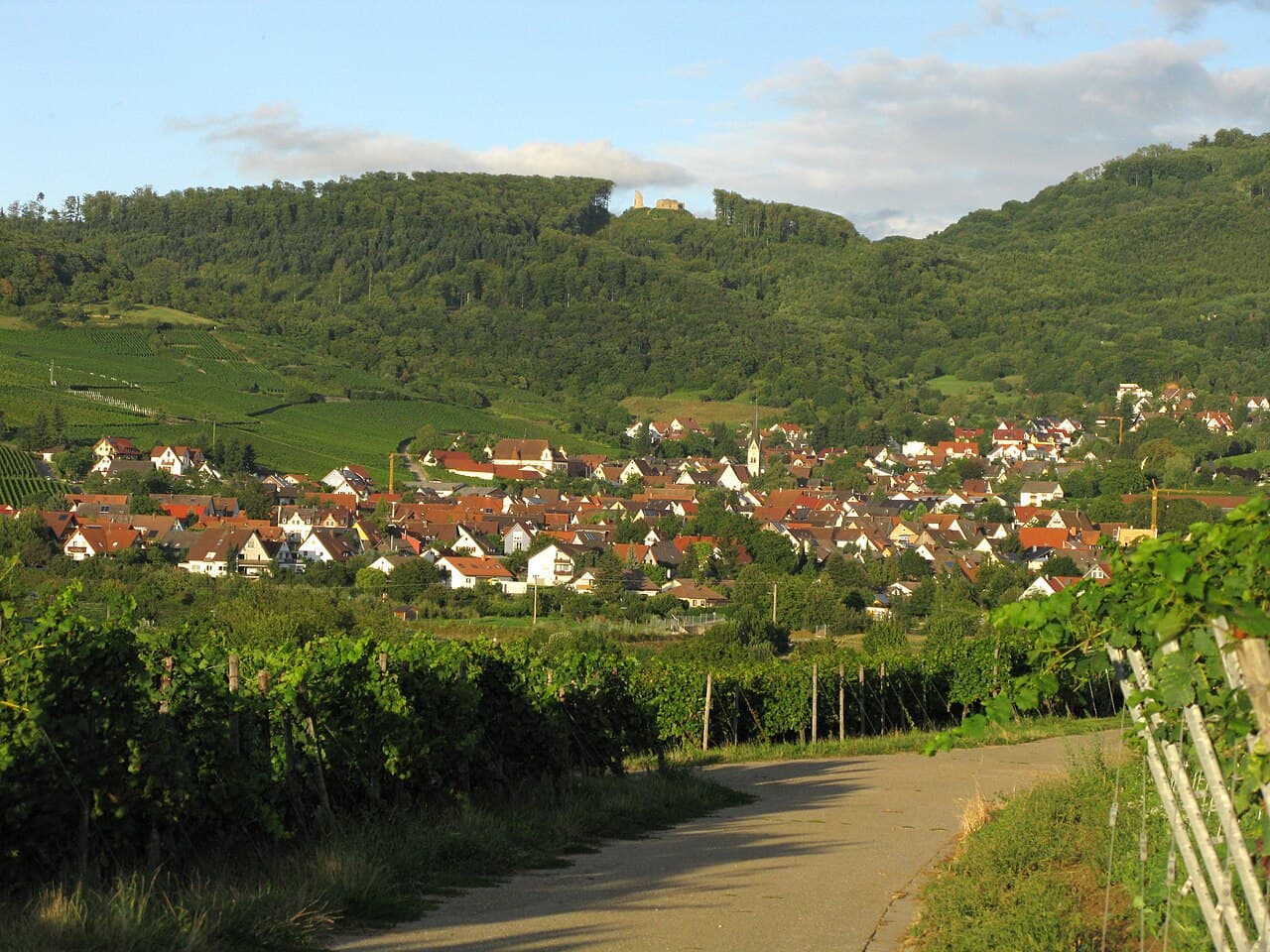
Schneeburg castle ruins near Freiburg, Germany
Late Medieval (14th–15th c.)
Ruins

Schneeburg castle is a notable late medieval fortress ruin situated between the towns of Ebringen and Freiburg in southwestern Germany. Perched at an elevation of 516 metres (1693 feet) on the western summit of Schönberg, the castle occupies a strategic vantage point overlooking the surrounding landscape. This elevated position was typical of many hill castles constructed during the 14th century, designed to provide defensive advantages and control over nearby territories.

Historical background and significance

The Schneeburg castle ruins date back to the 14th century, placing their origin firmly within the late medieval period. During this era, the region saw numerous fortifications built as centers of local power and defense amidst the fragmented political landscape of the Holy Roman Empire. While specific historical records about Schneeburg are limited, its location near Freiburg—a significant medieval city—suggests it played a role in regional defense and administration.

The castle likely served as a stronghold for local nobility or knights who managed the surrounding lands and protected trade routes. Its proximity to Freiburg indicates it may have been part of a network of fortifications designed to secure the area against rival factions or external threats.

Architectural features and layout

As a hill castle typical of the late medieval period, Schneeburg was constructed to maximize natural defensive features. The ruins today reveal remnants of defensive walls and foundations that once formed the core of the castle complex. The elevated site on Schönberg's western summit provided commanding views, allowing defenders to spot approaching enemies from a distance.

While much of the original structure has not survived, archaeological studies have identified traces of curtain walls and possible residential buildings within the castle's perimeter. The construction techniques and materials are consistent with other regional castles from the 14th century, featuring stone masonry designed to withstand sieges and harsh weather conditions.

Defensive structures

The castle's defensive design would have included thick stone walls, battlements, and possibly a gatehouse controlling access to the inner courtyard. The natural steep slopes of the hill acted as additional barriers, reducing the need for extensive artificial fortifications on certain sides. Although no intact towers remain, the layout suggests the presence of lookout points or small towers integrated into the walls.

Current condition and preservation

Today, Schneeburg is classified as archaeological ruins, with only partial remnants of the original castle visible. The site is accessible to visitors interested in medieval history and castle architecture, offering a glimpse into the defensive strategies and living conditions of the period.

The ruins have been subject to archaeological investigation, which has helped to document and preserve the remaining structures. Efforts focus on stabilizing the ruins to prevent further deterioration while maintaining the site's historical integrity. Visitors can explore the area and appreciate the scenic views from the elevated position on Schönberg.

Visiting Schneeburg castle ruins

Schneeburg is an attractive destination for hikers and history enthusiasts due to its location on the Schönberg hill, which is accessible via several walking trails from Ebringen and Freiburg. The site offers panoramic views of the surrounding Black Forest region and the city of Freiburg below.

As an open-air ruin, there are no formal visitor facilities or guided tours on site. Visitors should prepare for uneven terrain and bring appropriate footwear. The best time to visit is during the warmer months when the trails are clear and the weather is favorable.

Nearby attractions

Visitors to Schneeburg can also explore the nearby city of Freiburg im Breisgau, known for its medieval old town, Gothic cathedral, and vibrant cultural scene. The Black Forest region surrounding the castle offers numerous opportunities for outdoor activities such as hiking, cycling, and nature observation.

Frequently asked questions

  • What is the historical period of Schneeburg castle? Schneeburg dates back to the 14th century, placing it in the late medieval period.
  • Can I visit Schneeburg castle ruins? Yes, the ruins are open to the public and accessible via hiking trails from nearby towns.
  • What remains of the castle today? Only partial stone walls and foundations remain, classified as archaeological ruins.
  • Is there an entrance fee? There is no fee to visit the ruins as the site is open-air and publicly accessible.
  • What is the best time to visit? The best time is during spring to early autumn when trails are clear and weather is mild.
  • Are there guided tours available? Currently, there are no official guided tours at Schneeburg, but local hiking groups may offer informal visits.
  • How difficult is the hike to Schneeburg? The hike involves moderate elevation gain and uneven terrain; suitable footwear and some physical fitness are recommended.
  • What nearby attractions can I visit? The city of Freiburg and the Black Forest region offer rich cultural and natural experiences nearby.

Frequently asked questions (FAQ)

How do I get to Schneeburg Castle?
Schneeburg Castle is located in the picturesque region of Germany, easily accessible by car or public transport. If you're traveling by train, the nearest station is a short bus ride away. For the best experience, consider using a local map or navigation app to find the most scenic routes.
What is the historical significance of Schneeburg Castle?
Schneeburg Castle dates back to the 12th century and played a crucial role in the region's defense during various conflicts. It has witnessed numerous historical events, making it a site of great cultural and historical value. Today, it stands as a reminder of the medieval era and attracts history enthusiasts from around the world.
When was Schneeburg Castle built?
Schneeburg Castle was originally constructed in the early 1100s, showcasing the architectural style of the time. Over the centuries, it has undergone several renovations and expansions, reflecting changing architectural trends. The castle’s rich history is evident in its well-preserved structures.
Can I take guided tours of Schneeburg Castle?
Yes, guided tours of Schneeburg Castle are available and provide an in-depth look at its history and architecture. These tours are led by knowledgeable guides who share fascinating stories and insights about the castle. Be sure to check the castle's official website for tour schedules and booking information.
Why is Schneeburg Castle a popular tourist destination?
Schneeburg Castle is popular due to its stunning architecture, fascinating history, and beautiful surroundings. Visitors are often captivated by the panoramic views from its towers and the serene landscapes that frame the castle. Additionally, the various events and festivals held at the castle throughout the year enhance its appeal.
Is it possible to visit Schneeburg Castle year-round?
Yes, Schneeburg Castle is open to visitors year-round, although specific areas may have seasonal closures. The best time to visit is during the spring and summer months when the gardens are in bloom and outdoor activities are plentiful. Always check the castle's website for the latest updates on opening hours and seasonal events.
What are the ticket prices for Schneeburg Castle?
Ticket prices for Schneeburg Castle vary depending on the type of tour and any special events. Generally, adult tickets are reasonably priced, and discounts are often available for students and seniors. It's a good idea to purchase tickets in advance, especially during peak tourist seasons.
What are the opening hours for Schneeburg Castle?
Schneeburg Castle typically opens to visitors from 9 AM to 6 PM, but hours may vary based on the season and special events. It is advisable to check the official website for the most current information on opening hours before planning your visit. Arriving early can help you avoid crowds and make the most of your experience.
Are there any nearby attractions to visit while at Schneeburg Castle?
Yes, the area surrounding Schneeburg Castle is rich in attractions, including charming villages, hiking trails, and local museums. Nearby parks and nature reserves offer opportunities for outdoor activities, while local markets provide a taste of regional culture. Exploring these nearby sites can enhance your visit to the castle.

Photo gallery

Schneeburg
Click to view

Photo by Andreas Schwarzkopf•CC BY-SA 3.0

1 photo • Click any image to view in full screen

Information

Archaeological Site / Ruins

Loading map...

Visitor reviews

No reviews yet. Been here? Write the first review and help other travelers!

Write the first review

Visited this castle? Share your experience

Your review helps other travelers and adds first-hand knowledge to our encyclopedia.

Write a review

(5/5)

0/2000 characters

Your review will be visible after admin approval

Nearby castles

2.4 km

Merzhausen Castle

Merzhausen, Germany

Merzhausen Castle is a notable example of Renaissance architecture located in the town of Merzhausen, Germany. Constructed around 1593 on the site of an older fortification, the castle reflects the architectural transition of the late 16th century in this region. Its enduring stone structure is complemented by distinctive stepped gables and an adjoining half-timbered building, which together illustrate a blend of masonry and traditional timber construction techniques prevalent during the Renaissance period.Historical background and ownershipThe site of Merzhausen Castle has a history that predates the current building, originally hosting an older castle whose remains influenced the placement and design of the Renaissance structure. The castle gained prominence under the ownership of the Jesuits, a Catholic religious order, who held the property until their suppression in 1773. During their stewardship, the castle served various functions aligned with the Jesuits' educational and religious missions, although detailed records of specific uses remain limited.Architectural features and layoutThe castle's architecture is characterized by its robust stone masonry and the striking presence of two stepped gables that define its roofline, a typical feature of Renaissance design in Germanic regions. The half-timbered building attached to the main stone structure adds a contrasting texture and showcases traditional construction methods that were common in the area during the late 16th century.Inside, the castle likely contained a series of halls and chambers arranged to support both residential and administrative functions, typical of castles rebuilt or constructed in the Renaissance era. While specific interior details are scarce, the combination of stone and timber elements suggests a balance between fortification and domestic comfort.Cultural and regional significanceMerzhausen Castle holds cultural importance as a preserved example of Renaissance architecture within the Baden-Württemberg region. Its association with the Jesuits adds a layer of historical significance, highlighting the role of religious orders in shaping the architectural and social landscape of early modern Germany. The castle contributes to the understanding of regional development, architectural trends, and the interplay between secular and ecclesiastical powers during the Renaissance.Current status and preservationToday, Merzhausen Castle remains a well-preserved structure, retaining much of its original Renaissance character. The combination of stone and half-timbered construction has been maintained, allowing visitors and scholars to appreciate the architectural techniques of the period. Although not widely known internationally, the castle is an important heritage site locally, reflecting the historical narrative of Merzhausen and its surroundings.

Renaissance (15th–17th c.)
Details
5.6 km

Freiburg Minster

Freiburg im Breisgau, Germany

Freiburg Minster stands as the iconic cathedral of Freiburg, Germany, renowned for its unique architectural history and remarkable preservation. Construction began around 1200 under the patronage of the last Duke of Zähringen, initially embracing the Romanesque style. By 1230, the building transitioned into the Gothic style, reflecting the evolving architectural trends of the High medieval period. The cathedral was partly erected on the foundations of an earlier church dating back to the founding of Freiburg in 1120, marking it as a site of longstanding religious significance. Architectural evolution and style The structure of Freiburg Minster exemplifies a blend of Romanesque and Gothic architectural elements. The early phases featured robust, rounded arches and massive walls typical of Romanesque design. As construction progressed into the Gothic era, pointed arches, ribbed vaults, and flying buttresses were incorporated, allowing for taller, more light-filled interiors. The cathedral’s most celebrated feature is its Gothic church tower, completed in 1330. This tower is notable as the only Gothic church tower in Germany to have been finished during the Middle Ages and has survived intact to the present day. The gothic tower and wartime survival The tower of Freiburg Minster is a masterpiece of medieval engineering and artistry. Rising prominently above the city skyline, it was constructed with meticulous attention to structural stability. During the devastating bombing raids of November 1944, which destroyed much of the surrounding area, the tower remarkably withstood severe vibrations and potential collapse. Its survival is attributed to the innovative use of lead anchors connecting the spire sections, which absorbed the shockwaves. Additionally, the stained glass windows had been carefully removed beforehand by church staff, led by Monsignor Max Fauler, preserving them from damage. Interior features and artistic treasures Inside the cathedral, visitors can explore significant artistic and religious artifacts. Two altars stand out for their historical and artistic value: the high altar by Hans Baldung and a side chapel altar painted by Hans Holbein the Younger. These works highlight the cathedral’s role as a repository of Renaissance and late medieval art. The nave’s stained glass windows were donated by various guilds, each window featuring the distinctive symbols of the sponsoring guilds. Notably, some windows contain a deep red color created not by dye but by a suspension of solid gold nanoparticles, demonstrating the advanced craftsmanship of medieval artisans. Historical and religious significance Originally part of the Diocese of Konstanz during the Middle Ages, Freiburg Minster’s status evolved significantly over time. In 1827, it became the seat of the newly established Catholic Archdiocese of Freiburg, elevating its ecclesiastical importance as a cathedral. The building has continuously served as a center of worship, community gathering, and cultural identity for the city of Freiburg and the wider region. Structural and artistic details The cathedral’s layout follows the traditional cruciform plan with a long nave, transepts, and choir. The exterior is adorned with intricate stone carvings, statues, and decorative elements typical of Gothic cathedrals. The use of flying buttresses allowed for the inclusion of large stained glass windows, which flood the interior with colored light. The spire itself is richly decorated with sculptural details, pinnacles, and finials, contributing to its status as a landmark of Gothic architecture in Germany. Preservation and current status Today, Freiburg Minster is well preserved and remains a vital historical monument. Its survival through centuries of political change, war, and urban development underscores its resilience. The cathedral continues to attract scholars, tourists, and worshippers alike, offering insight into medieval construction techniques, religious art, and the history of Freiburg. Restoration efforts have maintained its structural integrity and artistic heritage, ensuring its legacy for future generations.

High Medieval (11th–13th c.)
Details
6.5 km

Burgstelle Kybfelsen

Freiburg im Breisgau, Germany

Burgstelle Kybfelsen is a significant medieval castle site located within the city of Freiburg im Breisgau, Germany. Nestled atop two prominent rocky outcrops connected by a narrow ridge, this hill castle exemplifies the strategic use of natural terrain combined with medieval defensive architecture. Though now in ruins, the site offers valuable insights into the fortification methods and regional politics of southwestern Germany during the late 11th and early 12th centuries. The castle's origins are closely tied to the period of Zähringer rule in the Breisgau region, a time when the Zähringer family exerted considerable influence over southwestern Germany. Archaeological evidence places the castle's active occupation primarily in the High Medieval period, with ceramic finds indicating continued use through the 12th century and into the early 13th century. Although the name "Kyburg" appears in later legal records, no direct connection to the Swiss Counts of Kyburg has been established, and such a link is regarded as unlikely. Historical context and significance During the High Medieval era, the Breisgau region was a contested area of strategic importance. The Zähringer dynasty played a crucial role in consolidating power through the construction of castles like Burgstelle Kybfelsen. These fortifications served both military and administrative functions, controlling trade routes and asserting territorial dominance. References to the castle appear in a mid-14th-century chronicle by Matthias von Neuenburg, indicating its recognized status in regional history. The castle was likely abandoned in the first half of the 13th century, a period marked by shifting political landscapes and the decline of certain feudal holdings. Architectural features and defensive design Site layout and natural fortifications Burgstelle Kybfelsen is uniquely positioned on two rocky summits connected by a narrow ridge approximately 70 meters long. The southern rock, about 30 meters wide, formed the main area of the castle complex. The builders skillfully incorporated the natural rock formations into the defensive scheme, minimizing the need for extensive masonry while maximizing natural barriers. Masonry walls and fortifications The southern approach was once secured by a broad defensive wall, now largely reduced to small remnants. At the southern tip of the southern rock, archaeological excavations uncovered an artificially leveled platform, interpreted as the base of a south tower. This tower would have provided a commanding view of the surrounding landscape and served as a strongpoint against attackers. The eastern side of the castle was bounded by a structure referred to as the "East building," though no above-ground remains survive. To the southwest, the site is naturally protected by a steep rock face, eliminating the need for man-made defenses on that side. Northern summit and neck ditch The northern summit preserves the most substantial ruins, including the base of a large tower approximately eight meters in diameter. The walls here are up to two meters thick, indicating a robust defensive construction designed to withstand siege warfare. Just before the tower base lies a deep, roughly twelve-meter-long fissure in the rock, artificially smoothed to create a neck ditch (Halsgraben). This defensive trench separated the two rocky summits and enhanced the castle's protection by preventing direct access along the connecting ridge. Archaeological findings and site usage In addition to medieval artifacts, surface finds suggest that the site was occupied during the Bronze Age, pointing to a long history of human presence prior to the castle's construction. The ceramic and structural remains primarily date to the High Medieval period, confirming the castle's role during the zenith of Zähringer influence. Excavations conducted in the early 20th century revealed important structural details, including the layout of the defensive walls and the tower foundations. Although much of the masonry has collapsed or eroded, the integration of natural rock and human-made fortifications remains evident. Current condition and preservation Today, Burgstelle Kybfelsen exists as ruins, with many original structures reduced to foundations and low wall fragments. The natural rock formations continue to dominate the site, providing visitors with a tangible sense of the castle's original defensive advantages. Preservation efforts focus on maintaining the visible ruins and preventing further deterioration. The site is accessible to the public and offers a unique glimpse into medieval castle construction adapted to challenging terrain. Its historical significance and archaeological value make it an important cultural heritage site within the Freiburg region. Visiting burgstelle kybfelsen Visitors to Burgstelle Kybfelsen can explore the rugged terrain and observe the remains of the castle's defensive features. The site provides educational opportunities related to medieval fortifications and the history of the Zähringer dynasty in southwestern Germany. While no formal visitor center exists on site, informational signage may be available nearby. Due to the natural rocky environment, caution is advised when navigating the ruins, especially along the narrow ridge connecting the two summits. How do I get to Burgstelle Kybfelsen? The castle site is located within Freiburg im Breisgau and can be reached by local hiking trails. It is advisable to consult local maps or tourist information centers for the best access routes. What is the historical significance of Burgstelle Kybfelsen? The castle is an important example of a High Medieval hill castle associated with the Zähringer dynasty, illustrating medieval defensive architecture and regional power dynamics. Is the castle suitable for families and children? Due to the rocky terrain and ruins, caution is recommended for families with young children. The site is best suited for visitors comfortable with uneven ground and some climbing. When is the best time to visit? Spring through early autumn offers the most favorable weather for exploring the ruins and surrounding natural landscape. Are there guided tours available? No formal guided tours are typically offered at the site, but local historical societies or visitor centers in Freiburg may provide additional information or organized excursions.

High Medieval (11th–13th c.)
Details

