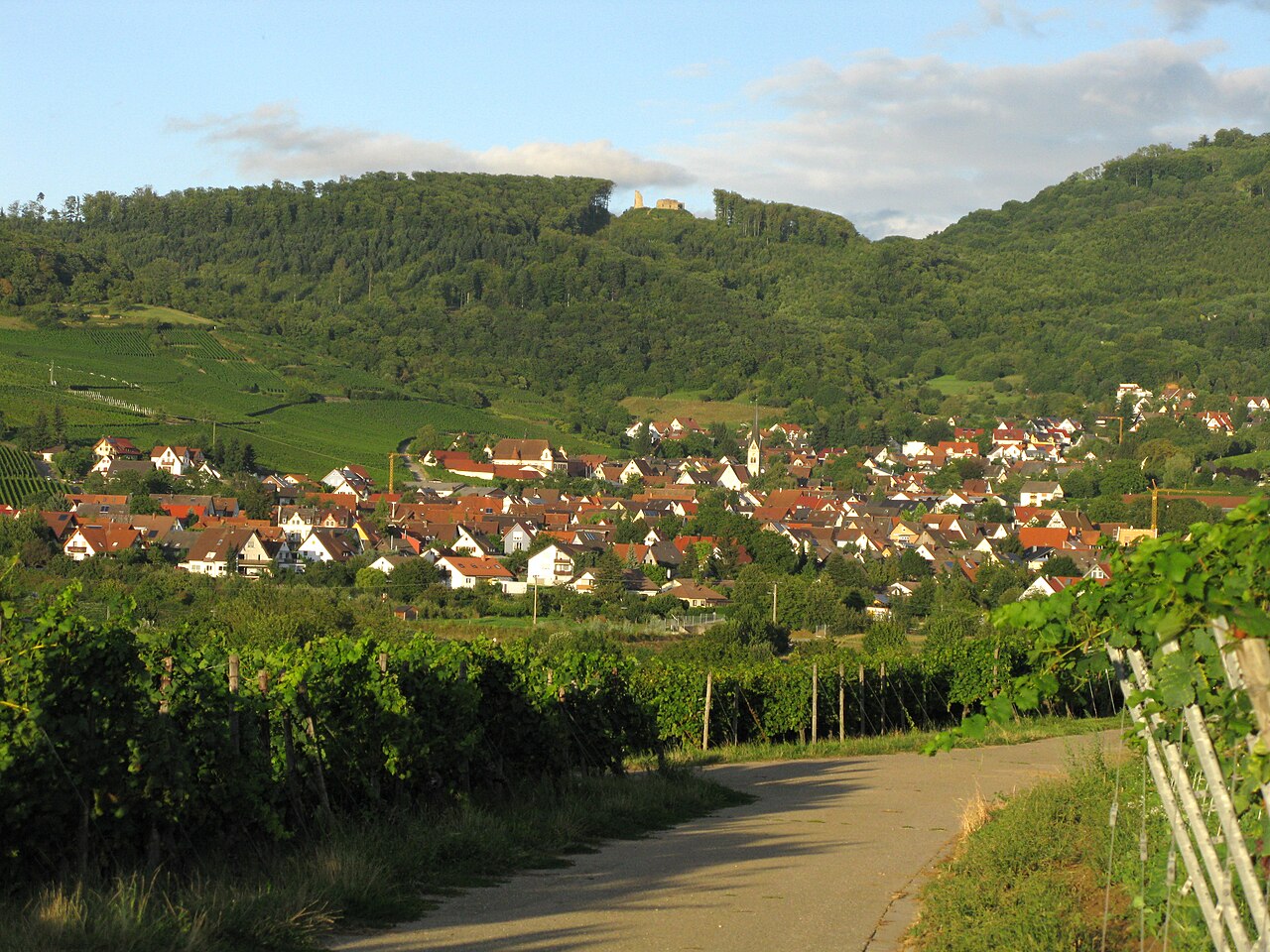
Merzhausen Castle
Merzhausen Castle is a notable example of Renaissance architecture located in the town of Merzhausen, Germany. Constructed around 1593 on the site of an older fortification, the castle reflects the architectural transition of the late 16th century in this region. Its enduring stone structure is complemented by distinctive stepped gables and an adjoining half-timbered building, which together illustrate a blend of masonry and traditional timber construction techniques prevalent during the Renaissance period.
Historical background and ownership
The site of Merzhausen Castle has a history that predates the current building, originally hosting an older castle whose remains influenced the placement and design of the Renaissance structure. The castle gained prominence under the ownership of the Jesuits, a Catholic religious order, who held the property until their suppression in 1773. During their stewardship, the castle served various functions aligned with the Jesuits' educational and religious missions, although detailed records of specific uses remain limited.
Architectural features and layout
The castle's architecture is characterized by its robust stone masonry and the striking presence of two stepped gables that define its roofline, a typical feature of Renaissance design in Germanic regions. The half-timbered building attached to the main stone structure adds a contrasting texture and showcases traditional construction methods that were common in the area during the late 16th century.
Inside, the castle likely contained a series of halls and chambers arranged to support both residential and administrative functions, typical of castles rebuilt or constructed in the Renaissance era. While specific interior details are scarce, the combination of stone and timber elements suggests a balance between fortification and domestic comfort.
Cultural and regional significance
Merzhausen Castle holds cultural importance as a preserved example of Renaissance architecture within the Baden-Württemberg region. Its association with the Jesuits adds a layer of historical significance, highlighting the role of religious orders in shaping the architectural and social landscape of early modern Germany. The castle contributes to the understanding of regional development, architectural trends, and the interplay between secular and ecclesiastical powers during the Renaissance.
Current status and preservation
Today, Merzhausen Castle remains a well-preserved structure, retaining much of its original Renaissance character. The combination of stone and half-timbered construction has been maintained, allowing visitors and scholars to appreciate the architectural techniques of the period. Although not widely known internationally, the castle is an important heritage site locally, reflecting the historical narrative of Merzhausen and its surroundings.
Frequently asked questions (FAQ)
- When was Merzhausen Castle built?
- Merzhausen Castle was built around 1593 on the site of an older castle, reflecting Renaissance architectural styles.
- What architectural features define Merzhausen Castle?
- The castle features robust stone masonry, two distinctive stepped gables, and an adjoining half-timbered building typical of Renaissance design.
- Who owned Merzhausen Castle historically?
- The Jesuits owned Merzhausen Castle until 1773, using it for purposes aligned with their religious and educational missions.
- Is Merzhausen Castle open to visitors?
- Information on public visiting hours is limited; potential visitors should check locally for access details and any guided tours.
- What is the significance of Merzhausen Castle in the region?
- Merzhausen Castle is an important Renaissance heritage site in Baden-Württemberg, illustrating the architectural and cultural influences of the Jesuits in the area.
Information
Loading map...
Visitor reviews
No reviews yet. Been here? Write the first review and help other travelers!
Write the first reviewVisited this castle? Share your experience
Your review helps other travelers and adds first-hand knowledge to our encyclopedia.