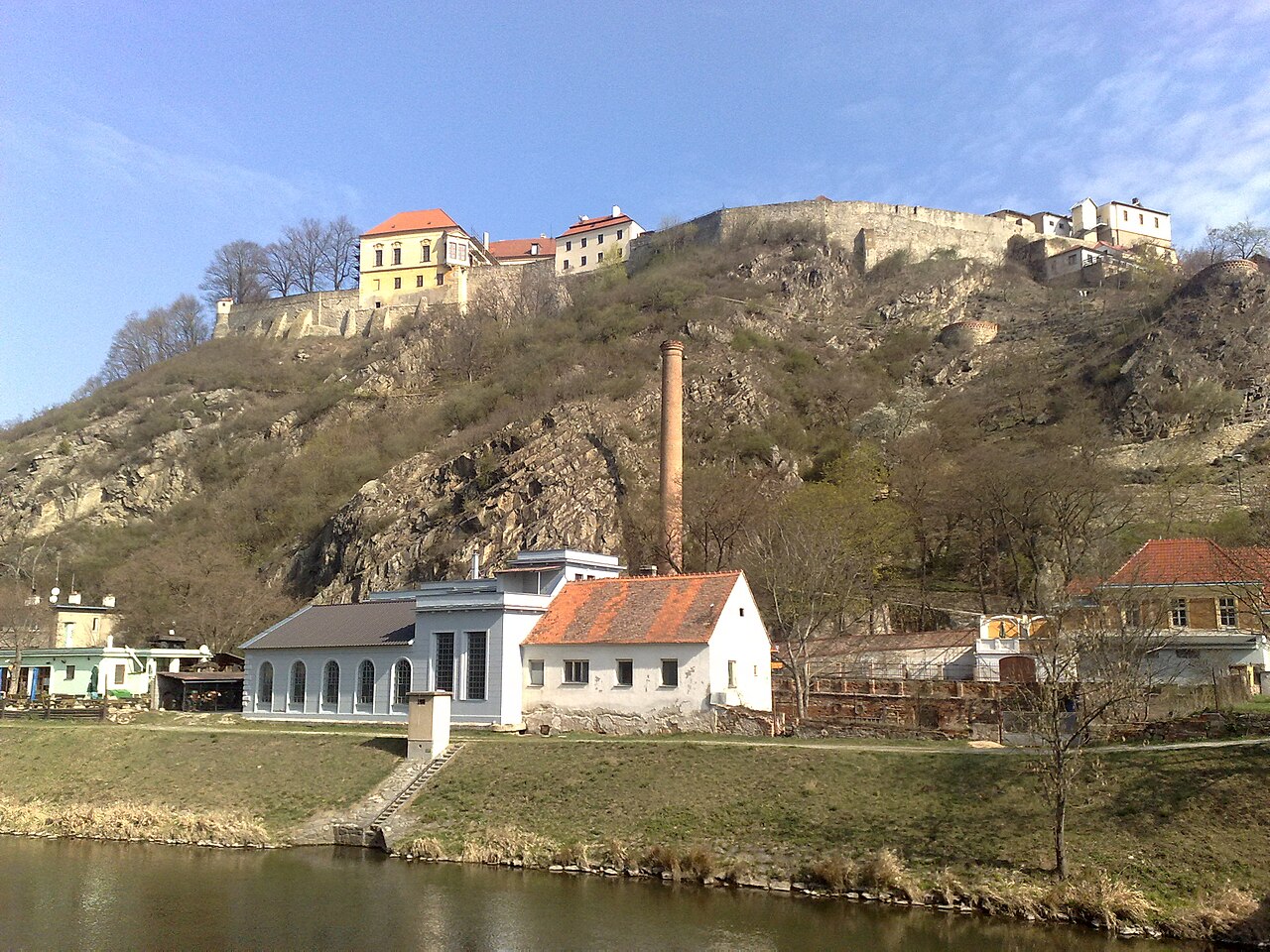
Schloss Guntersdorf
Schloss Guntersdorf stands as a remarkable example of a water castle or Wasserschloss in Austria, embodying centuries of architectural evolution and noble lineage. Located in the municipality of Guntersdorf, this castle's origins are deeply intertwined with the Melk Abbey, reflecting its early ecclesiastical ownership during the medieval period. Over time, Schloss Guntersdorf transitioned through various noble families, each contributing to its architectural and historical significance.
Medieval origins and noble ownership
The earliest documented association of Schloss Guntersdorf is with the Melk Abbey, a powerful religious institution that held considerable lands in the region. By the late 13th century, the estate had come under the control of the Ruckendorffer family. In 1295, Ulrich von Ruckendorff pledged part of the property to Eberhard IV von Walsee, who formally acquired the lordship in 1317. The Walseer family maintained possession for over a century, until 1476, when the estate passed to the Rogendorfer family.
From 1538, the property was recognized as free property of the Rogendorfers, marking a period of relative stability. However, in 1546, Christoph von Rogendorf sold Schloss Guntersdorf to Johann Freiherr von Weißpriach. The castle then entered the hands of the Protestant Teuffel family through marriage, when Johann's daughter married Christoph Freiherr von Teufel. The 17th century brought political and religious upheaval, forcing the Teuffels to relinquish the estate.
In 1684, the castle was sold to Johann Karl von Serenyi. His son, Karl Anton Graf Serenyi, managed the lordship until 1717, when it was sold for 236,000 Gulden to Johann Rudolf Freiherr von Ludwigsdorf. The Ludwigstorff family has retained ownership since then, overseeing the estate through centuries of change.
Architectural transformation and water defenses
During the second half of the 16th century, Schloss Guntersdorf underwent significant expansion, transforming from its original medieval form into a larger fortified complex. This development included the construction of a water moat system, a defining characteristic of a Wasserschloss. The moat not only served defensive purposes but also enhanced the castle's aesthetic and status.
The architectural style of the castle reflects a blend of late medieval and Renaissance influences. The expansion incorporated fortified walls, gatehouses, and residential buildings arranged around the water defenses, creating a harmonious complex that balanced military utility with noble residence.
The layout typically features a continuous water moat surrounding the main buildings, which include living quarters, service buildings, and defensive structures. This design was common among Austrian water castles of the period, emphasizing protection against siege and flood defenses.
Economic foundation and estate lands
Schloss Guntersdorf's estate encompasses approximately 280 hectares of farmland and an additional 20 hectares of woodland. These lands formed the economic backbone of the estate, providing agricultural produce and timber resources essential for sustaining the castle's inhabitants and maintaining the property.
The extensive grounds also reflect the status and wealth of the owning families, who managed the estate as a significant landed property within the region. The agricultural activities likely included crop cultivation and livestock farming, typical of noble estates in Austria.
Modern history and preservation
The castle endured considerable damage and plundering during World War II, a turbulent period that affected many historic properties across Europe. Despite this, Schloss Guntersdorf remained a central estate and has been preserved as a protected historic monument.
In the late 20th century, ownership passed to Carl Hugo Ludwigstorff, with management taken over in 1990 by his grandson, Dominik Ludwigstorff. The castle's current condition is well preserved, with its water defenses and architectural layout clearly visible, offering valuable insights into its historical design and function.
While specific decorative elements or inscriptions have not been prominently recorded, the castle's preservation allows visitors and scholars to appreciate the integration of defensive and residential architecture typical of Austrian water castles. The site remains a testament to the region's noble heritage and architectural evolution from the medieval through the Renaissance periods.
Architectural features and significance
The defining feature of Schloss Guntersdorf is its water moat, which encircles the castle complex, serving as both a defensive barrier and a status symbol. The moat system is complemented by fortified walls and gatehouses that controlled access to the estate.
The castle buildings themselves exhibit characteristics of late medieval fortifications enhanced by Renaissance architectural elements, such as symmetrical layouts and refined masonry work. The integration of these styles reflects the transitional period in European castle construction when fortifications began to accommodate more comfortable living spaces without sacrificing defensive capabilities.
The estate's layout includes a central courtyard, surrounded by residential wings and service buildings, all encompassed within the water defenses. This arrangement allowed for efficient management of the estate and provided a secure environment for its inhabitants.
Visiting Schloss Guntersdorf
Although primarily a private estate, Schloss Guntersdorf's historical and architectural significance makes it a point of interest for enthusiasts of Austrian castles and Renaissance architecture. The preservation of its water moat and overall complex offers a unique glimpse into the defensive strategies and noble lifestyles of the period.
Visitors should verify access permissions and opening hours in advance, as the castle remains under private ownership by the Ludwigstorff family. The surrounding landscape and estate lands contribute to the castle's picturesque setting, enhancing its appeal as a heritage site.
Frequently asked questions (FAQ)
- What is the best time of year to visit Schloss Guntersdorf?
- The best time to visit Schloss Guntersdorf is during the late spring and early autumn months when the weather is mild, and the surrounding landscape is particularly scenic. These seasons offer optimal conditions for exploring the castle grounds and appreciating the water moat and estate lands.
- Can I tour the interior of Schloss Guntersdorf?
- Schloss Guntersdorf is primarily a private estate and not regularly open to the public for interior tours. Visitors interested in viewing the castle should check for any special open days or events that may allow limited access.
- How did the water moat contribute to the castle's defense?
- The water moat surrounding Schloss Guntersdorf served as a formidable defensive barrier, making direct assaults on the walls more difficult. It also helped prevent tunneling and delayed attackers, giving defenders a strategic advantage during sieges.
- What architectural styles are visible at Schloss Guntersdorf?
- Schloss Guntersdorf exhibits a blend of late medieval fortification features combined with Renaissance architectural elements, reflecting its expansion and modernization during the 16th century. This mix includes fortified walls, symmetrical layouts, and refined masonry.
- Is Schloss Guntersdorf accessible for visitors with mobility issues?
- Due to its historic nature and water moat defenses, accessibility may be limited for visitors with mobility challenges. It is advisable to contact the estate management in advance to inquire about accommodations or guided assistance.
Information
Sources & official resources
Verify the information above using these authoritative references.
Loading map...
Visitor reviews
No reviews yet. Been here? Write the first review and help other travelers!
Write the first reviewVisited this castle? Share your experience
Your review helps other travelers and adds first-hand knowledge to our encyclopedia.