Saris Castle Ruins
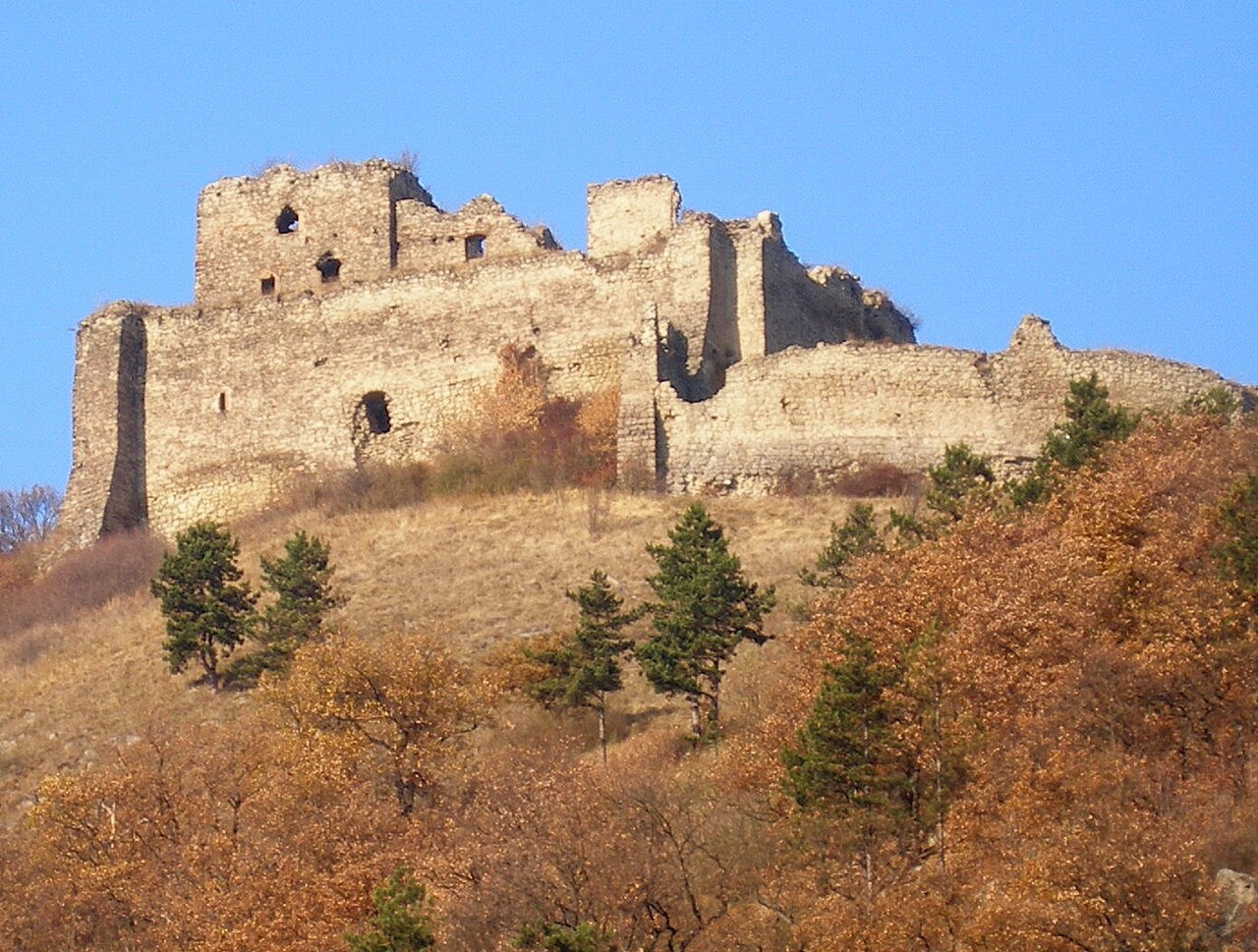
Saris Castle, located above the village of Veľký Šariš in Slovakia, is one of the oldest and largest medieval fortresses in the country. This hill castle was originally constructed in the 13th century by the Kingdom of Hungary to oversee and protect vital trade routes along the Torysa River valley. Its strategic position atop the Šarišský vrch hill, a 570-meter-high andesite rock formation, allowed it to control the surrounding landscape and served as a royal residence during the Middle Ages.
The site of Saris Castle has a rich history of human settlement dating back to the Neolithic period. Archaeological evidence shows continuous habitation from the Neolithic through the Late Bronze Age (13th–11th centuries BCE), then again from the turn of the era until the 4th century CE, and later from the 10th to the 12th centuries. This long-term occupation underscores the hill's importance as a cultural and strategic location long before the medieval fortress was built.
Historical significance and ownership
Documented as "castrum Sarus" in 1245, Saris Castle quickly became the administrative center of the newly established Šariš County in the 1340s. It housed the county officials, known as župans or comes, and was a key royal stronghold. Throughout its history, the castle changed hands among notable noble families and military leaders, reflecting the turbulent political landscape of the Kingdom of Hungary.
Early conflicts and royal control
In the early 14th century, the castle was seized by the Amade family, opponents of King Charles Robert. They fortified the castle further, but after the Battle of Rozhanovce in 1312, royal authority was restored. Later, King Sigismund pledged the castle to Peter Perényi in 1405, marking the beginning of the Perényi family's long association with Saris.
15th and 16th centuries: military stronghold
Between 1441 and 1460, the castle was held by John Jiskra, a military commander involved in succession disputes. King Matthias Corvinus eventually returned the castle to the Perényi family, who expanded and reinforced its fortifications in the late 15th century. After the Battle of Mohács in 1526, the castle became a focal point in the conflict between John Zápolya and the Habsburgs. Imperial forces captured the fortress in 1537, and it evolved into a major military hub under Habsburg rule, hosting a garrison of about 200 infantry soldiers and an extensive arsenal.
Later ownership and decline
In 1642, the Rákóczi family acquired the castle but preferred living in a nearby manor house. A catastrophic gunpowder explosion in 1660 severely damaged the fortress, relegating it to troop housing rather than an active defense site. The castle was ultimately destroyed by fire in 1687 and was never rebuilt. Subsequent owners included the Aspremont and Szirmay families, with the last known proprietor being Gejza Puľský, a royal chamberlain.
Architectural features and fortifications
The castle complex covers over 2.7 hectares on the hilltop, featuring a robust defensive system characteristic of high medieval fortifications. The core of the castle was a massive square donjon tower, measuring 13.2 by 13.2 meters, with walls 4.5 meters thick. Constructed primarily from locally quarried andesite stone with sandstone reinforcements at the corners, the donjon was accessed via its northwest face.
Curtain walls and bastions
Surrounding the donjon was a formidable curtain wall integrated with fourteen bastions. Each bastion was equipped with narrow firing slits, allowing defenders to repel attackers while remaining protected. These fortifications reflect architectural influences from the post-Mongol invasion period initiated by King Béla IV in the mid-13th century, emphasizing layered defense and resilience.
Gatehouse and barbican
The castle's entrance was heavily fortified with a barbican—a fortified outpost guarding the main gate—featuring a double gate system and a drawbridge over a moat. Although the moat is no longer filled with water, its outline remains visible, highlighting the castle's sophisticated defensive design. In the 16th century, additional curtain walls were constructed atop earlier Slavic earthworks, enhancing the castle's layered defenses.
Current condition and archaeological significance
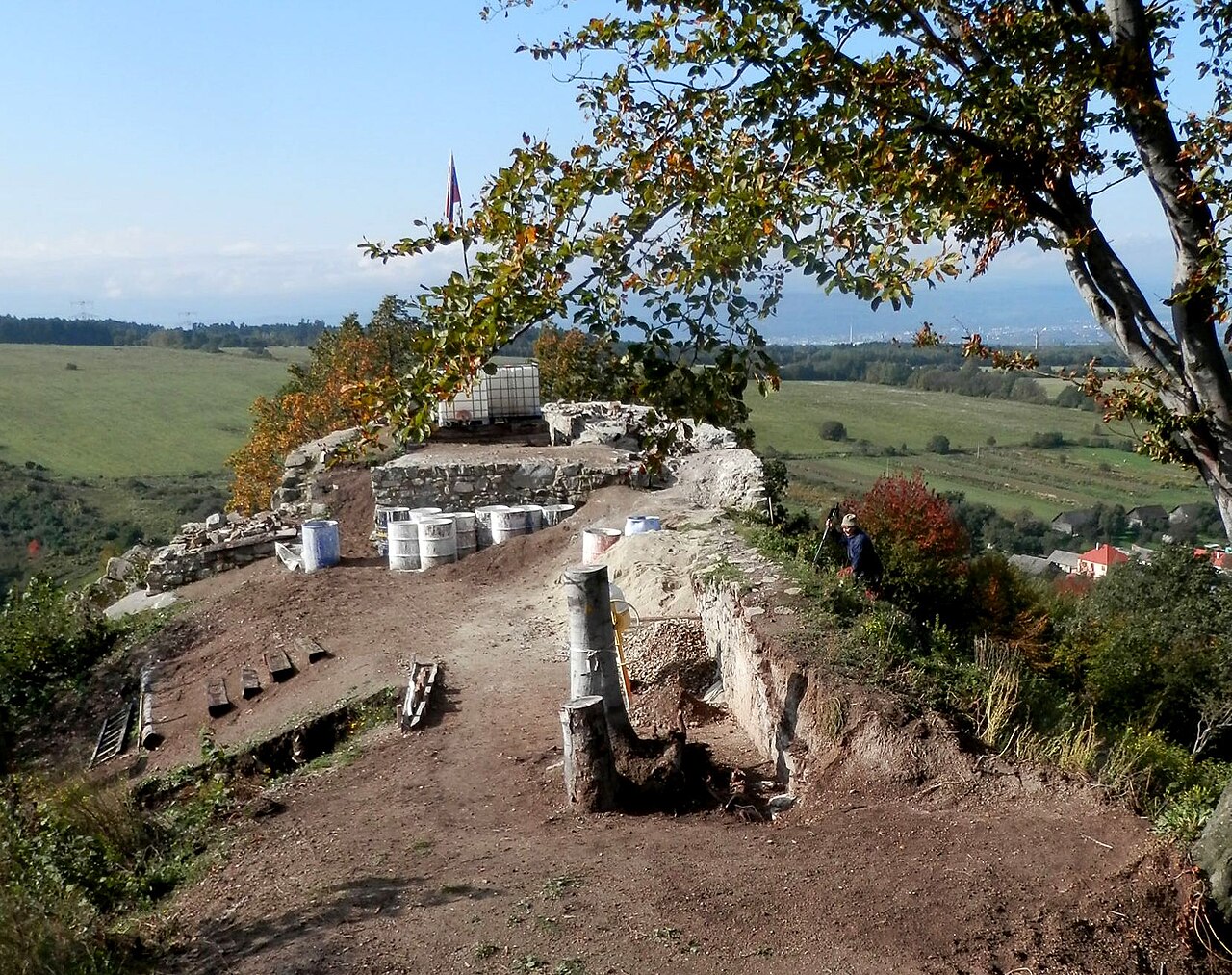
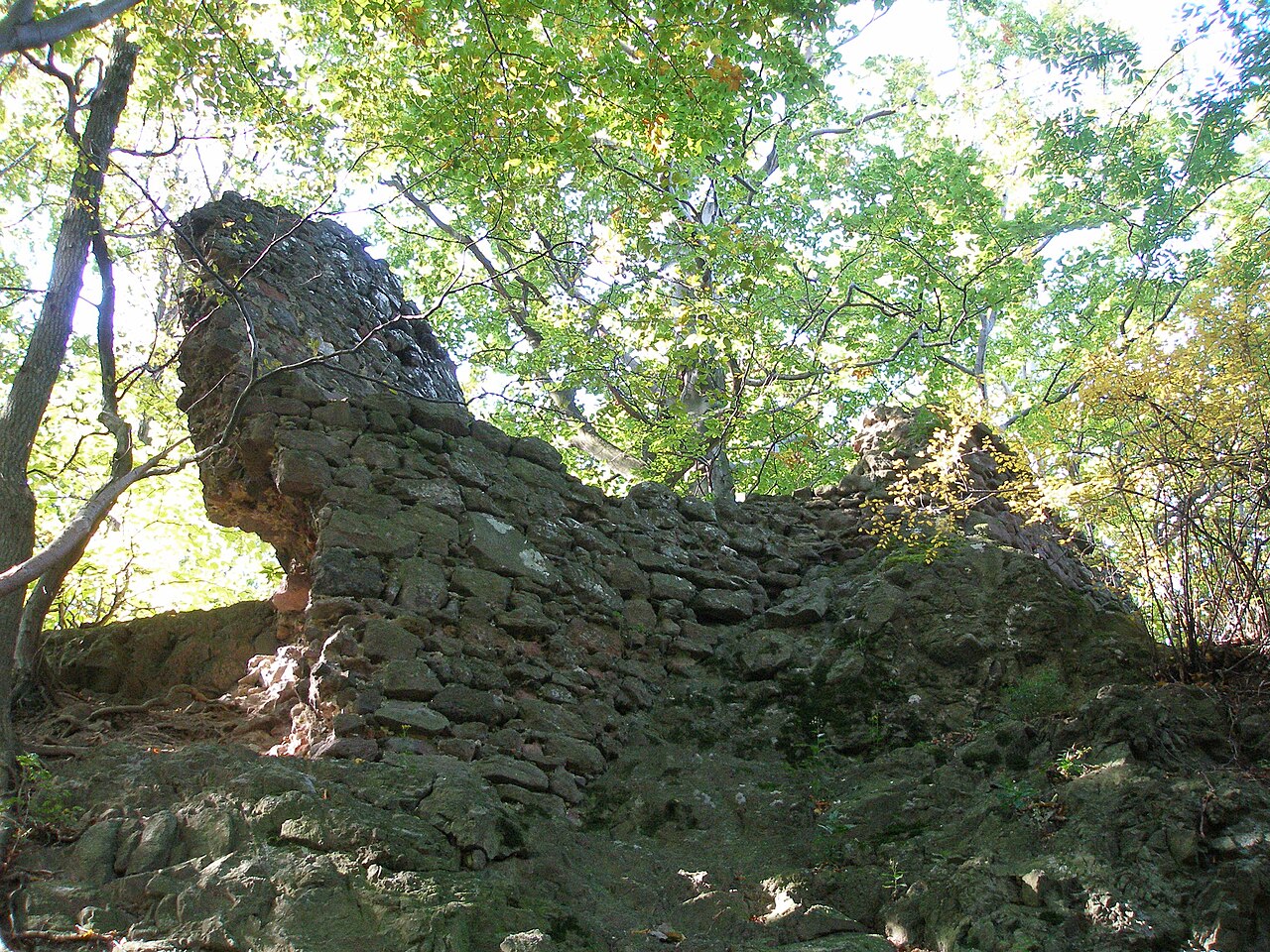
Today, parts of Saris Castle's fortifications and bastions remain preserved, while the donjon tower has undergone partial reconstruction. Visitors can enjoy panoramic views of the surrounding countryside, including the distant peaks of the High Tatras and nearby medieval ruins. The castle hill is protected as a national natural reserve, with ongoing efforts to clear vegetation and preserve the ruins.
Archaeological excavations have yielded a wealth of artifacts spanning multiple eras. Finds include Neolithic pottery and stone tools, Late La Tène ceramics made with graphite techniques, and cast bronze brooches indicative of sophisticated metalworking traditions. These discoveries attest to the site's longstanding cultural and strategic importance through successive historical periods.
Visitor experience and preservation efforts
While Saris Castle is in ruins, its extensive remains offer a tangible connection to Slovakia's medieval past. Preservation initiatives focus on maintaining structural stability and enhancing visitor access. Interpretive signage and guided tours provide historical context, making it a valuable destination for those interested in medieval architecture, military history, and archaeology.
Frequently asked questions (FAQ)
- How do I get to Saris Castle ruins?
- Saris Castle ruins are located on Šarišský vrch hill near Veľký Šariš, Slovakia. The site is accessible by local roads and hiking trails from the village. Parking is available nearby, and the walk to the ruins offers scenic views.
- What is the best time to visit Saris Castle?
- The best time to visit Saris Castle is during late spring to early autumn when the weather is favorable and the surrounding natural reserve is most accessible. Summer months offer the clearest views of the High Tatras from the castle hill.
- Is Saris Castle suitable for families and children?
- Yes, Saris Castle ruins can be visited by families and children. The site features open areas for exploration, but visitors should be cautious on uneven terrain and steep sections. Appropriate footwear is recommended for safety.
- Can I learn about the castle's history on-site?
- Yes, the castle site includes interpretive signage detailing its history, architecture, and archaeological findings. Guided tours may be available seasonally to enhance the visitor experience.
- Are there any facilities at Saris Castle ruins?
- Facilities at Saris Castle ruins are limited. Visitors should plan accordingly, as there are no on-site restrooms or food services. Nearby Veľký Šariš offers amenities including restaurants and shops.
Photo gallery

Information
Sources & official resources
Verify the information above using these authoritative references.
Loading map...
Visitor reviews
No reviews yet. Been here? Write the first review and help other travelers!
Write the first reviewVisited this castle? Share your experience
Your review helps other travelers and adds first-hand knowledge to our encyclopedia.