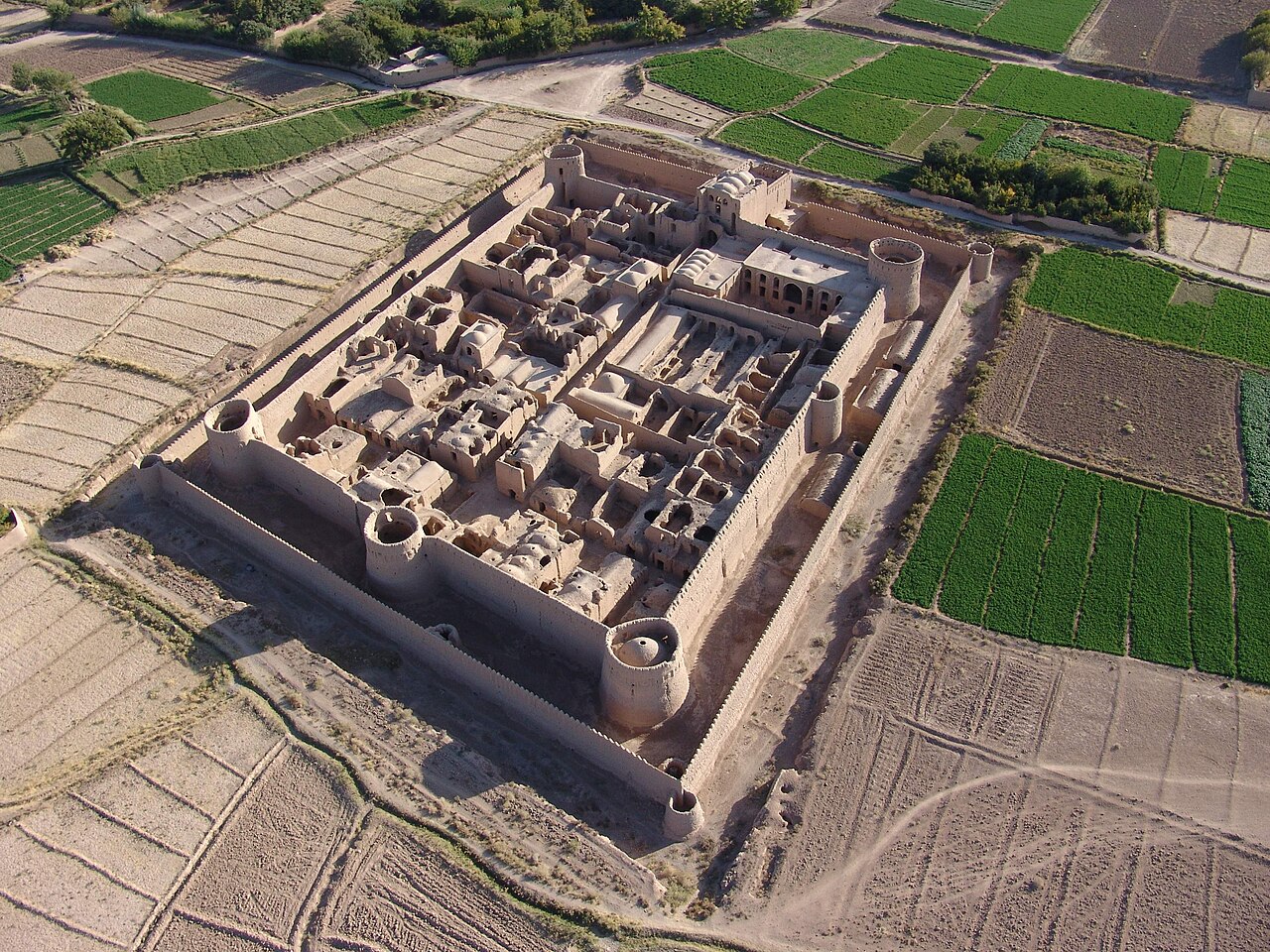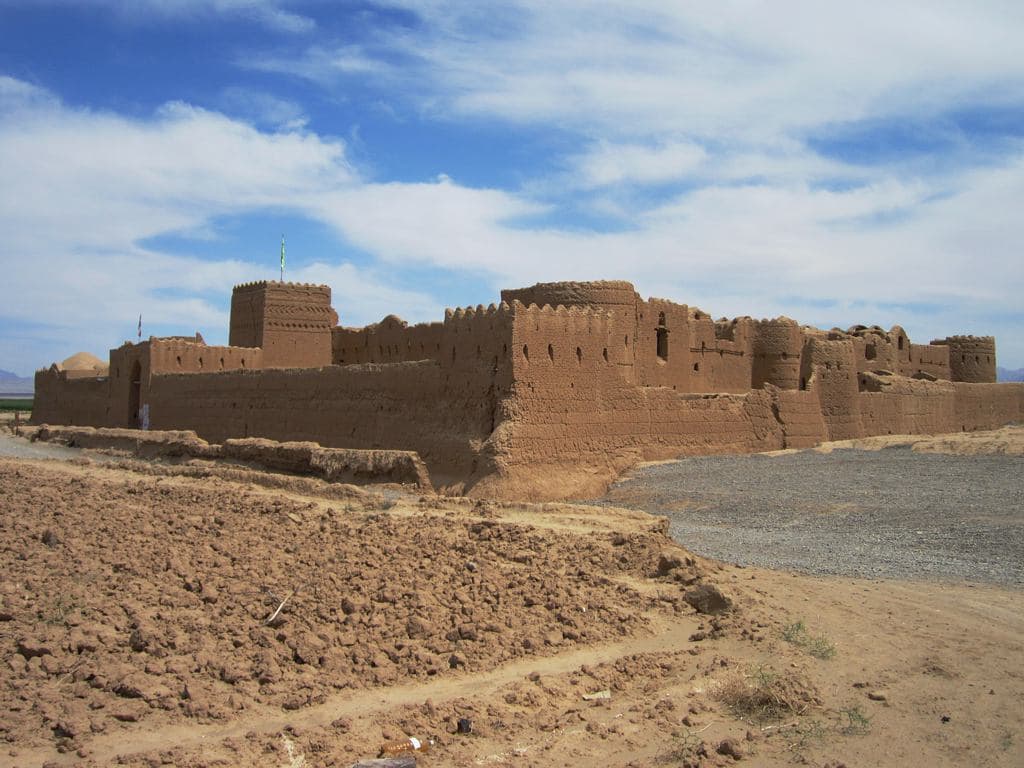
Sar Yazd Castle stands as a remarkable example of ancient Iranian desert fortification, located about 30 miles outside the city of Yazd in the arid landscape of central Iran. Constructed during the Sassanid Dynasty in the 7th century, this fortress was primarily designed to safeguard valuable resources such as grain, gold, and jewels during times of threat. Its imposing silhouette rises from the desert sands like a monumental sandcastle, reflecting the ingenuity of ancient Persian defensive architecture.
The fortress's strategic placement near Yazd, a city historically significant for its role in Zoroastrian religious practice and commerce, underscores its importance as a secure storage and refuge site. Sar Yazd Castle's primary function was not as a military stronghold for warfare but as a protected vault for the local community's wealth and provisions during raids and invasions. The castle’s robust construction and complex internal layout made it a vital sanctuary for villagers seeking safety.
Architectural design and defensive features
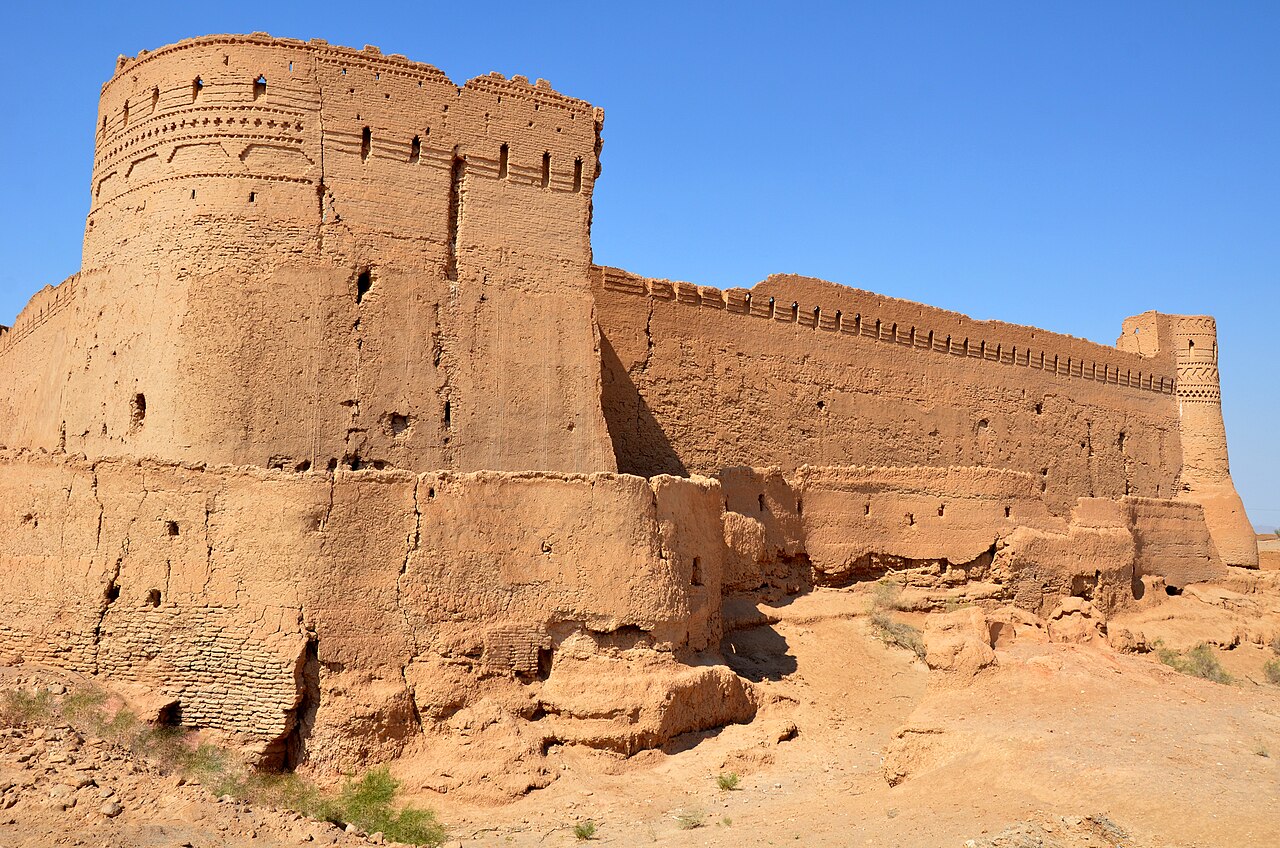
The castle exemplifies a bastioned fortress typology with a sophisticated defensive system tailored to the challenges of desert warfare and protection of valuables. It is built mainly from adobe materials, including sun-dried mud bricks and raw bricks, traditional to Iranian desert architecture, which provide insulation against the harsh climate.
The fortress is enclosed by two concentric walls, a distinctive feature enhancing its defense. The outer wall rises approximately six meters high, while the inner wall reaches about nine meters, creating a formidable double barrier. Surrounding these walls is a moat roughly six meters wide and three to four meters deep, serving as a first line of defense to deter attackers and complicate siege efforts.
The castle's walls are punctuated by towers and bastions, reinforcing vulnerable points and providing elevated vantage points for defenders. The main entrance gate was ingeniously designed to be movable, operated by ropes and pulleys to raise or lower it vertically. This mechanism allowed defenders to control access swiftly and securely. Should the main gate be compromised, a secondary smaller gate could be closed to halt enemy advance further, illustrating a layered and thoughtful defensive strategy.
Interior layout and chambers
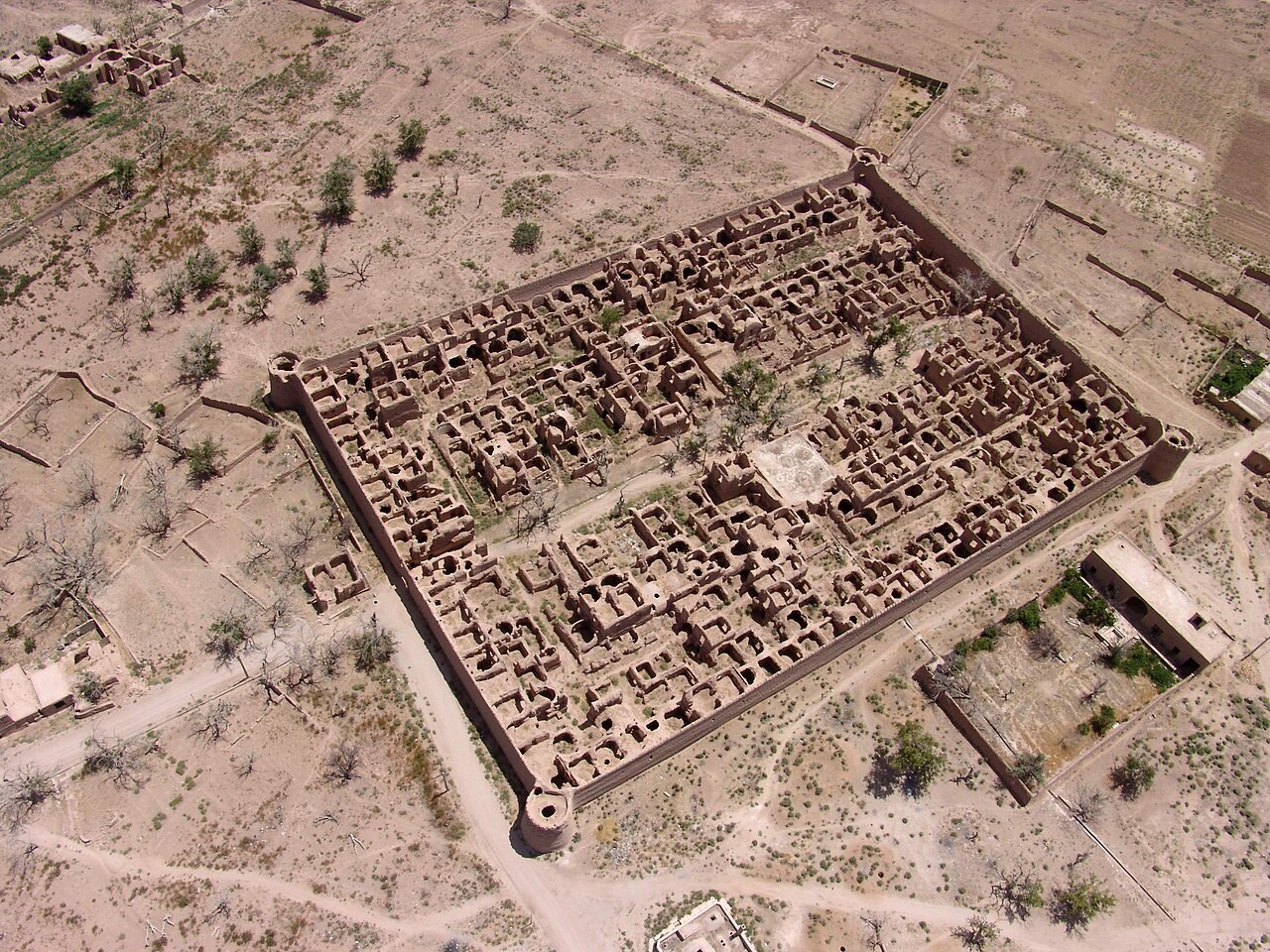
Inside, Sar Yazd Castle contains approximately 480 individual chambers spread over three floors. Each chamber was equipped with its own door and key, emphasizing the fortress's role as a secure storage facility. These rooms were used to store grain, valuables, and other essential supplies, reflecting the community's reliance on the castle for protection of their wealth.
The interior is maze-like, with narrow corridors and small openings designed to restrict movement and make navigation difficult for intruders. This layout also served to protect inhabitants during attacks, allowing only one person to pass at a time through certain passages, thereby controlling the flow of potential enemies.
Within the central thoroughfare lies a well, an essential feature providing water for daily use and serving as a safe refuge for women and children during sieges. This well highlights the castle's dual function as both a storage fortress and a community refuge.
Historical context and significance
Sar Yazd Castle was constructed during the Sassanid period (3rd to 7th century AD), a time when the Sassanid Empire was one of the most powerful states in the world, dominating much of present-day Iran. The region around Yazd was a significant center for Zoroastrianism, and the castle likely played a role in protecting this cultural and religious heritage.
Throughout its history, the castle served the local population as a secure repository for valuables and provisions, especially during periods of unrest or invasion. Its design reflects a community-oriented approach to defense, prioritizing the safeguarding of people and possessions over purely military functions.
The castle's importance was formally recognized in modern times when it was registered as a national heritage site of Iran in 1975. This designation acknowledges Sar Yazd Castle as a significant example of Sassanid architecture and a testament to the social and defensive strategies of ancient Iranian communities.
Preservation and architectural influences
Despite being constructed primarily from adobe, a material vulnerable to erosion, Sar Yazd Castle remains partially preserved with many of its walls, towers, and chambers intact. The preservation of its main exterior walls and moat allows visitors to appreciate the scale and design of this ancient fortress.
The castle exhibits architectural influences spanning several Iranian historical periods, including the Sassanid, Samanid, Ilkhanid, and Safavid eras. This blend suggests that the fortress underwent modifications and restorations over centuries, adapting to changing defensive needs and aesthetic preferences.
The fortress's robust construction and layered defenses have allowed it to withstand the test of time, making it a valuable site for studying ancient Iranian military architecture and community defense mechanisms.
Exploring sar yazd castle today
Today, visitors to Sar Yazd Castle can explore its labyrinthine interior, which offers a glimpse into the ingenuity of ancient Persian fortress design. The narrow passages and multiple chambers require some agility and fitness to navigate, but the experience is rewarding for those interested in history and architecture.
Guided tours are recommended to fully appreciate the complex layout, including the hidden entrances and secret chambers that were designed to confuse and deter invaders. Climbing to the top of the tallest tower rewards visitors with stunning panoramic views of the surrounding desert landscape and the nearby Shirkuh mountain, the highest peak in central Iran.
The castle's location near Yazd makes it accessible for day trips, offering a unique opportunity to explore a fortress that played a crucial role in the region's history and cultural heritage.
Frequently asked questions (FAQ)
- How do I get to Sar Yazd Castle?
- Sar Yazd Castle is located in Saryazd, Iran, which is easily accessible by car or public transportation from Yazd. If you are traveling from Yazd, it’s about a 30-minute drive, and local taxis are available to take you directly to the castle.
- What is the historical significance of Sar Yazd Castle?
- Sar Yazd Castle dates back to the Sassanian era and served as a crucial defensive fortification against invasions. Its strategic location allowed it to protect the surrounding areas and trade routes, making it an important site in Iranian history.
- When was Sar Yazd Castle built?
- The construction of Sar Yazd Castle is believed to have started in the 5th century AD during the Sassanian period. Over the centuries, it has undergone various renovations and restorations, preserving its historical architecture.
- Can I take photographs inside Sar Yazd Castle?
- Yes, visitors are allowed to take photographs inside Sar Yazd Castle, but it is recommended to be respectful of the site's historical significance. Capturing the stunning architecture and panoramic views from the castle is a popular activity among tourists.
- Why is Sar Yazd Castle an architectural marvel?
- Sar Yazd Castle is renowned for its robust defensive architecture, featuring thick walls and strategic towers. The design reflects the ingenuity of ancient Persian engineering, combining functionality with aesthetic appeal, making it a fascinating site for architecture enthusiasts.
- Is it possible to visit Sar Yazd Castle year-round?
- Yes, Sar Yazd Castle is open to visitors year-round, but the best time to visit is during the spring and autumn months when the weather is mild. Summer can be quite hot in the region, which may affect your experience.
- What are the ticket prices for Sar Yazd Castle?
- As of now, the ticket price for visiting Sar Yazd Castle is quite affordable, usually around 100,000 IRR for adults. Discounts may be available for students or groups, so it’s worth inquiring at the entrance.
- What are the opening hours of Sar Yazd Castle?
- Sar Yazd Castle typically opens at 9:00 AM and closes at 7:00 PM during the peak tourist season. However, it’s advisable to check for any seasonal changes in hours or special closures before planning your visit.
- Are there any nearby attractions to visit after Sar Yazd Castle?
- Yes, after visiting Sar Yazd Castle, you can explore other nearby attractions such as the historic city of Yazd, the Zoroastrian Fire Temple, and the Towers of Silence. These sites offer rich cultural insights and enhance your overall experience of the region.
Photo gallery

Information
Website
Visit websiteSources & official resources
Verify the information above using these authoritative references.
Loading map...
Visitor reviews
No reviews yet. Been here? Write the first review and help other travelers!
Write the first reviewVisited this castle? Share your experience
Your review helps other travelers and adds first-hand knowledge to our encyclopedia.