Salah Ed-Din Castle
Salah Ed-Din Castle, also known as Saladin's Castle or Saône Castle, locally called Qalaat Salah Ed-Din or Qalaat Sahyun, is a remarkable medieval fortress located northeast of the city of Latakia in the Syrian Arab Republic. Perched on a ridge between two deep ravines and surrounded by lush forest, the castle commands a strategic position overlooking key routes between the Mediterranean coast and inland regions.
The site's earliest fortifications possibly date back to the Phoenician period, with historical accounts suggesting it was surrendered to Alexander the Great around 334 BC. However, little is known about the castle's status from antiquity until the 10th century, when it guarded an important route from Latakia to Aleppo.
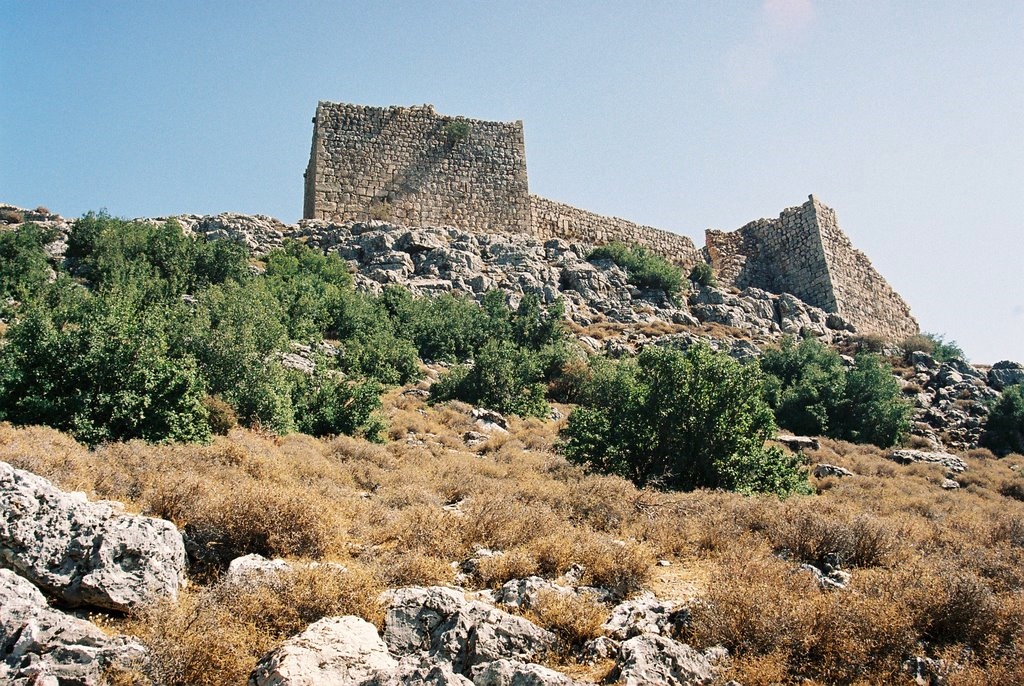
In 975 AD, the fortress was captured from the Hamdanids of Aleppo by the Byzantine Emperor John I Tzimiskes. The Byzantines significantly reinforced the site, constructing a square fortress atop the hill, which forms the foundation of the castle's core defensive structures today.
The castle under Crusader control
By the early 12th century, the castle had fallen into the hands of Crusader forces following their capture of Latakia in 1108. It became part of the Principality of Antioch. In 1119, the castle was granted as a fief to Robert of Saône by Roger of Salerno, Prince of Antioch. After Robert's death, his son William of Saône inherited the lordship and undertook extensive rebuilding and enlargement of the castle.
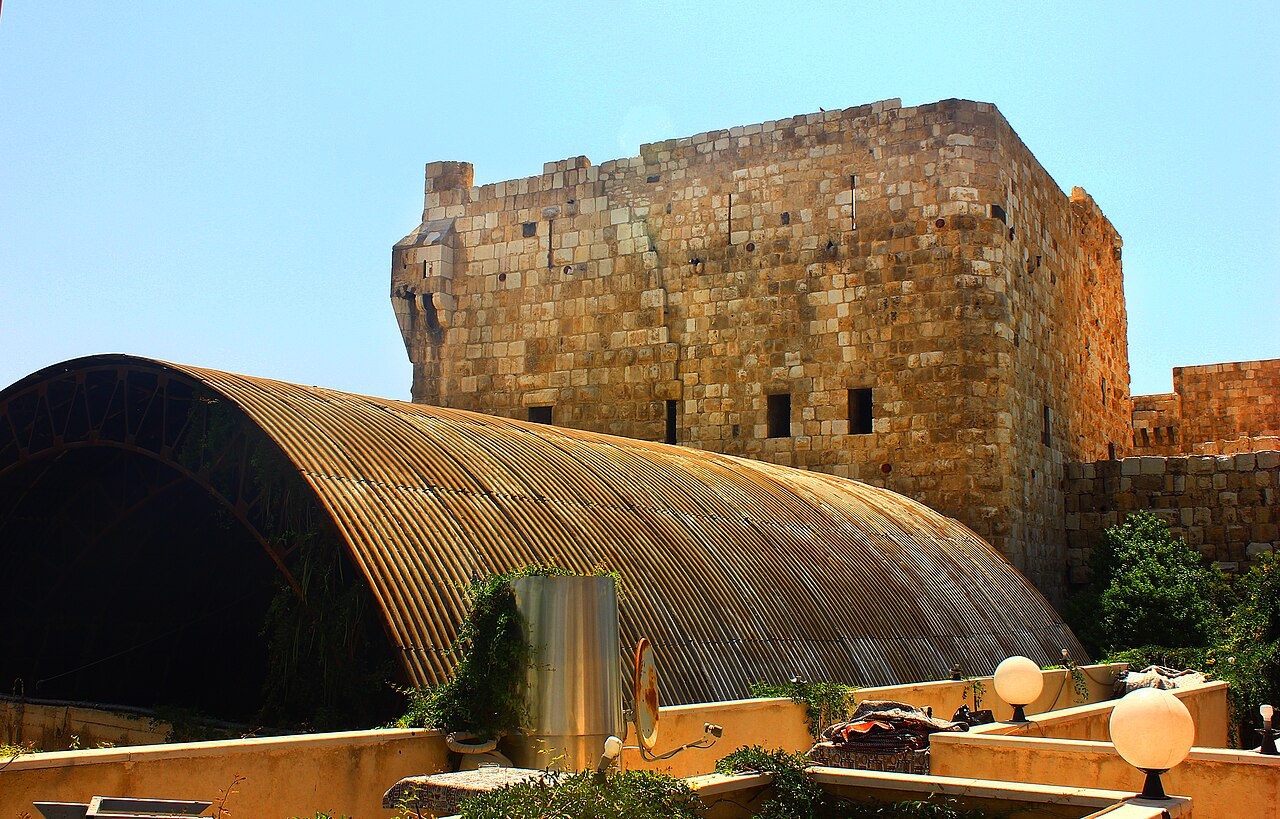
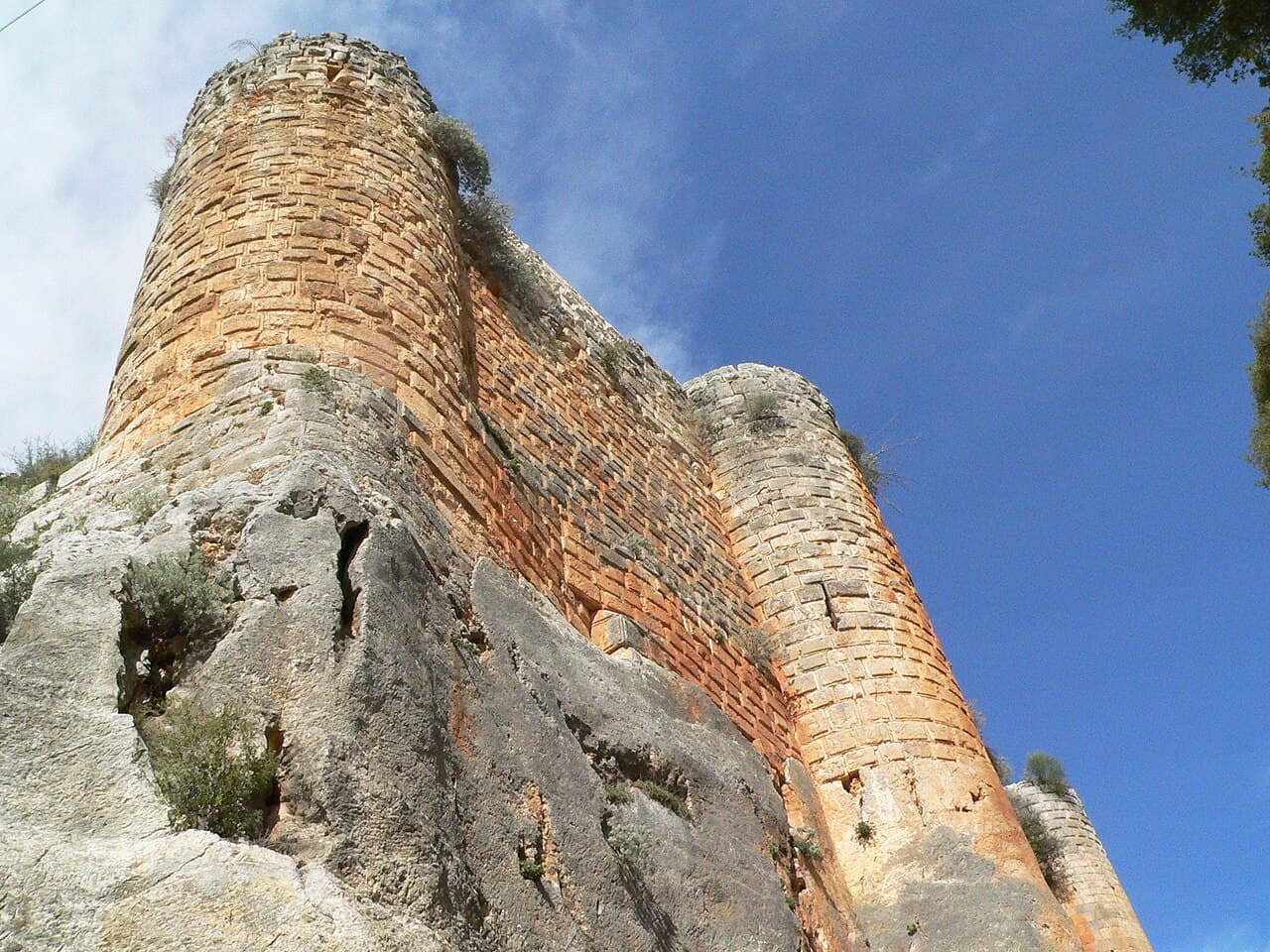
Most of the visible architecture today, including the massive keep with walls up to 5 meters thick, the curtain walls, and the defensive towers, dates from William's Crusader-era renovations. The castle's dry moat is a particularly notable feature. Carved into living rock over 100 meters long and 14 to 20 meters wide, it was likely begun by the Byzantines and completed by William. A solitary 28-meter-high rock pillar once supported the drawbridge to one of the gates, demonstrating advanced medieval military engineering.
Unlike many Crusader fortresses, Salah Ed-Din Castle was not entrusted to the major military orders such as the Knights Hospitaller or the Templars, but remained under direct noble lordship.
Siege and capture by Saladin
In 1188, the castle was besieged by Saladin, the Ayyubid Sultan, who brought six large trebuchets to bear against the walls. After a brief but intense bombardment lasting two days, the walls were breached, and the Frankish defenders surrendered. This victory is the source of the castle's modern name, Salah Ed-Din Castle.
Following the siege, Saladin granted the castle to the Nasr al-Din Manguwiri family, local emirs loyal to the Ayyubids, who restored and maintained the fortress. In 1272, the castle was ceded to the Mamluk Sultan Baibars. Later, from 1280 to 1287, it was held by Sonqor al-Ashqar, governor of Damascus, before being taken by the Mamluk Sultan Al Mansur Qalawun in 1287.
Later history and preservation
During the Ottoman period, the castle gradually fell into disuse and suffered damage from military actions in the 19th century, including bombardment by Turkish troops in 1840 and occupation by the forces of Ibrahim Pasha, Egyptian governor of Syria.
Modern restoration efforts began in the 20th century, with significant work on the gate and other structures from the 1930s onward. The castle is now well preserved and benefits from ongoing maintenance by Syrian authorities. In 2006, it was inscribed as a UNESCO World Heritage Site alongside Krak des Chevaliers, recognizing its outstanding cultural and architectural significance.
Architectural features and layout
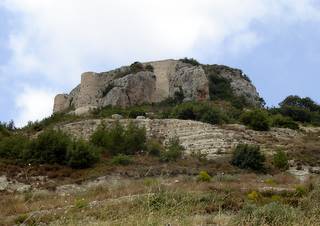
The fortress occupies a rocky ridge approximately 700 to 740 meters long and covers about five hectares at an elevation of 410 meters above sea level. Its roughly triangular shape is defined by two deep valleys carved by streams, providing natural defensive barriers.
The castle is divided into two main sections: a higher eastern plateau containing the main fortifications, and a lower western area that historically served as a residential quarter. These sections are connected by a moat carved directly into the bedrock.
The eastern side features a striking deep water-filled moat about 28 meters deep, 156 meters long, and 14 to 20 meters wide. This moat likely originated in the Byzantine era and was completed during the Crusader period. The solitary rock pillar rising 28 meters high supported a drawbridge, a testament to the fortress's sophisticated medieval defensive design.
The main gate on the southern side is flanked by Crusader-era bastions and defensive towers. A large watchtower with walls up to 5 meters thick and covering an area of roughly 24 square meters stands nearby. Adjacent to the entrance are stables and a water reservoir near a vaulted chamber overlooking the moat, highlighting the practical considerations of castle life.
Within the citadel, Byzantine fortifications coexist with Crusader additions. A large Byzantine cistern provided water storage, while Crusader pavilions and a church built beside older Byzantine chapels reflect the site's continuous religious and military use.
The defensive walls, primarily Crusader in origin, feature up to five concentric layers designed to repel attackers effectively. Later Arab period contributions include a mosque built during Sultan Qalawun's reign and a palace complex with baths, courtyard spaces, and iwans (vaulted halls open on one side), some of which have been restored.
The castle's masonry is notable for its high-quality stonework, employing construction techniques characteristic of the 12th-century Crusader style. The fortress remains a well-preserved example of medieval military architecture, illustrating the complex history of the Levant region through Byzantine, Crusader, Ayyubid, and Mamluk periods.
Significance and cultural heritage
Salah Ed-Din Castle is not only a military stronghold but also a symbol of the region's turbulent history and cultural interactions. Its layers of construction and restoration reflect the succession of powers that controlled the Levant, from the Byzantines and Crusaders to the Muslim empires of the Ayyubids and Mamluks.
The castle's strategic location and formidable defenses made it a key site in controlling inland routes and coastal access, influencing the political and military landscape of medieval Syria. Today, it stands as a testament to the ingenuity and resilience of medieval fortification design and remains a significant attraction for historians, archaeologists, and visitors alike.
Visiting Salah Ed-Din Castle
The castle is accessible to visitors for a small fee and offers a scenic setting amid green surroundings. Its well-preserved structures provide a fascinating glimpse into medieval military architecture and the complex history of the Crusader and Muslim periods in Syria.
Visitors can explore the impressive defensive walls, towers, and moat, as well as the remains of religious and residential buildings within the citadel. The site is ideal for those interested in history, architecture, and the cultural heritage of the Levant.
Frequently asked questions (FAQ)
- How do I get to Salah Ed-Din Castle from Latakia?
- Salah Ed-Din Castle is located northeast of Latakia and can be reached by car or taxi via local roads leading to the castle's hillside location. It is advisable to check local transport options and road conditions before visiting.
- What is the historical significance of Salah Ed-Din Castle?
- Salah Ed-Din Castle is historically significant as a fortress that witnessed Byzantine, Crusader, Ayyubid, and Mamluk control, reflecting the complex medieval history of Syria and the Levant region.
- Is Salah Ed-Din Castle accessible to visitors year-round?
- The castle is generally accessible to visitors throughout the year, though it is recommended to check local conditions and opening hours in advance, as they may vary seasonally or due to regional circumstances.
- What architectural styles are visible at Salah Ed-Din Castle?
- The castle features a mix of architectural styles including Byzantine fortifications, Crusader military architecture, and later Ayyubid and Mamluk additions such as mosques and palatial structures.
- Are there guided tours available at Salah Ed-Din Castle?
- Guided tours may be available through local tour operators or cultural heritage organizations, providing detailed insights into the castle's history, architecture, and significance. Visitors should inquire locally for current offerings.
Photo gallery

Photo by No machine-readable author provided. Disdero assumed (based on copyright claims).•CC BY 2.5
Information
Loading map...
Visitor reviews
No reviews yet. Been here? Write the first review and help other travelers!
Write the first reviewVisited this castle? Share your experience
Your review helps other travelers and adds first-hand knowledge to our encyclopedia.