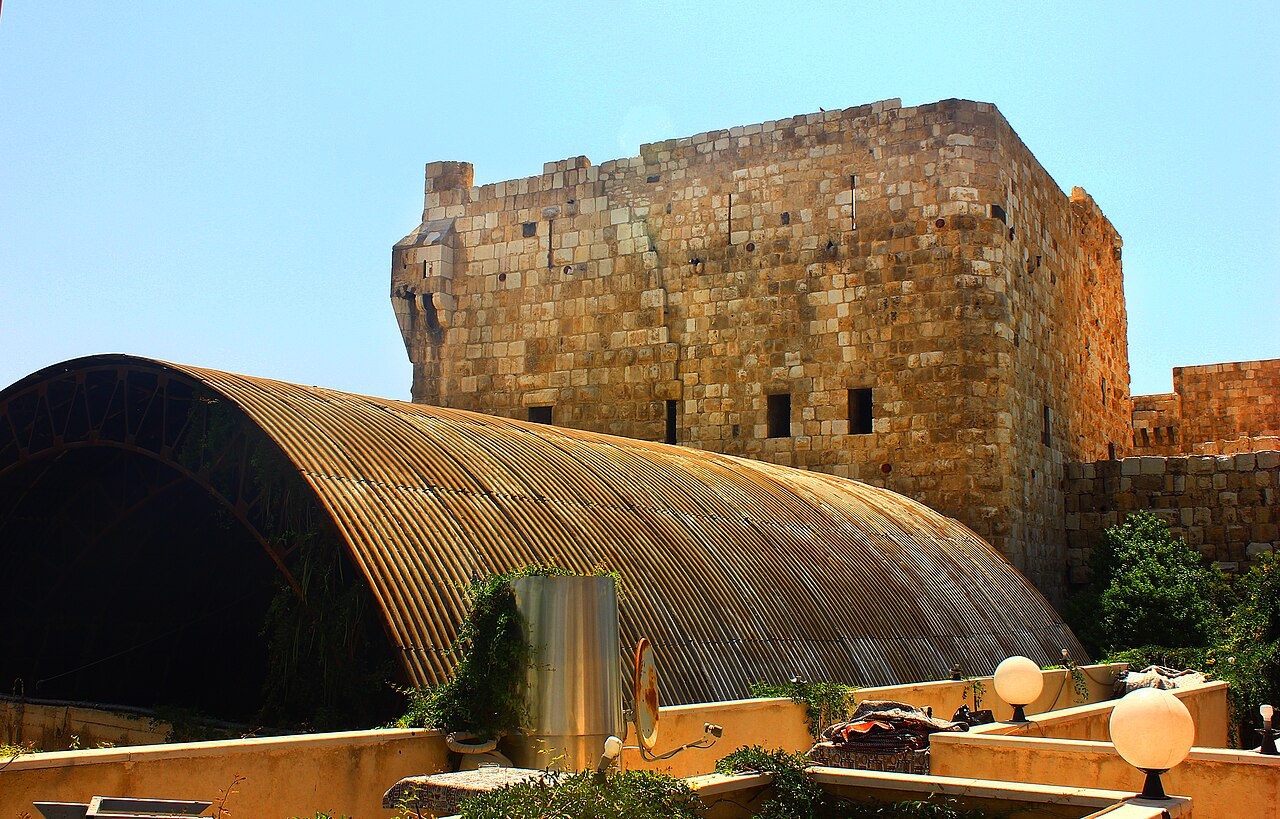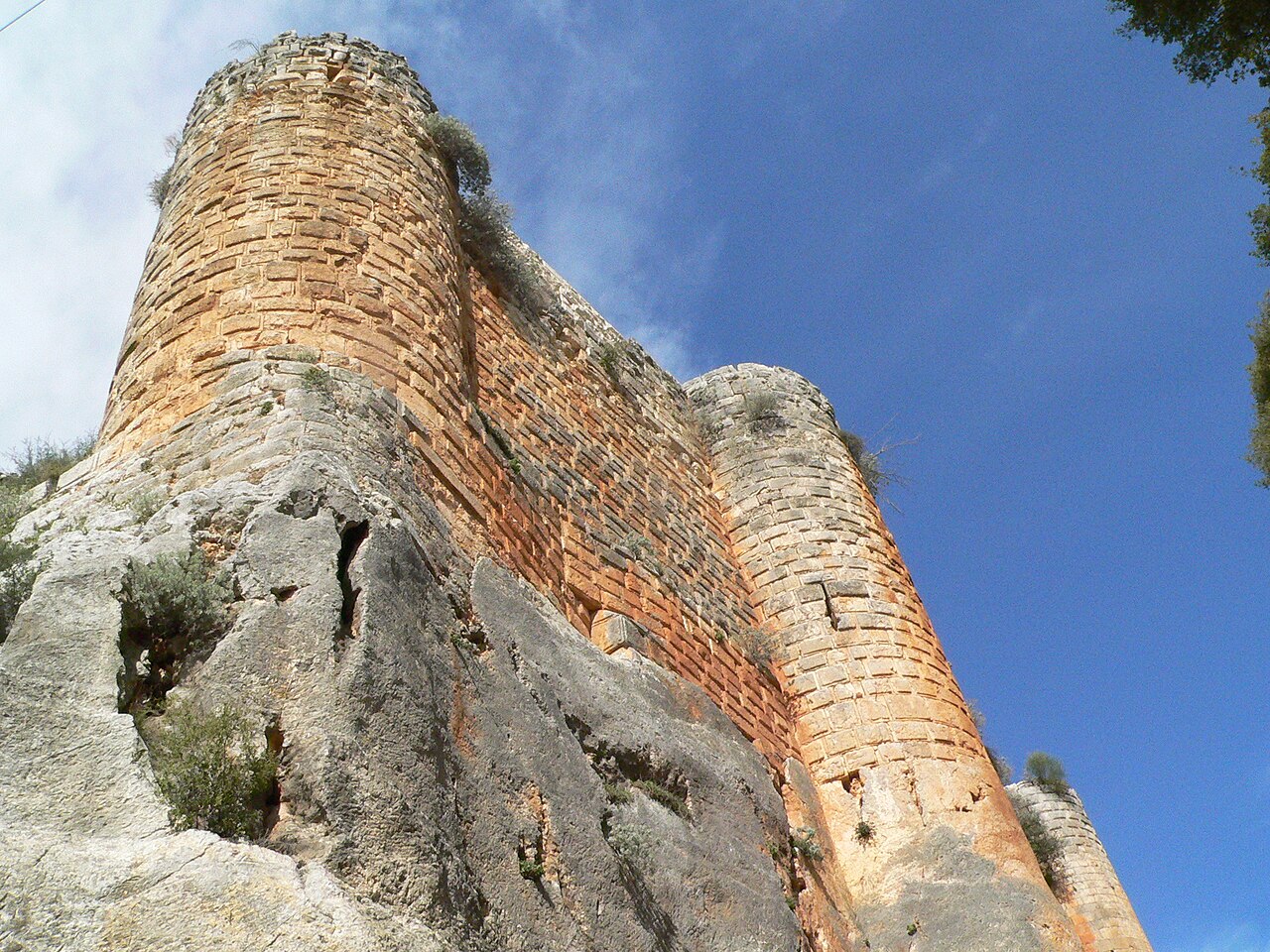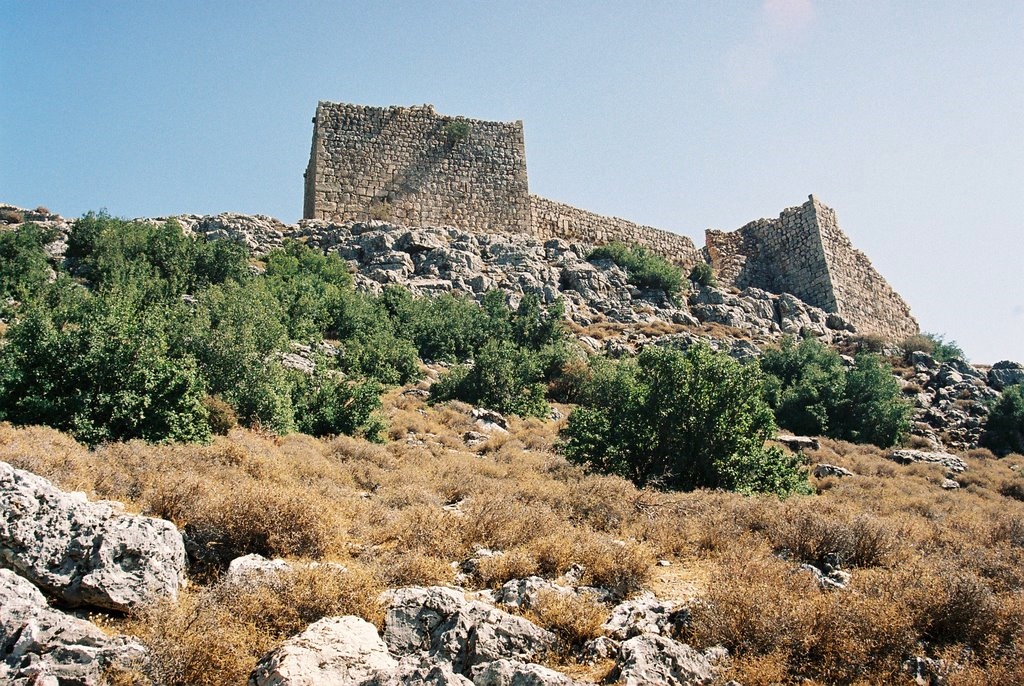
Mahalibeh Castle (Arabic: قلعة المهالبة), historically known as Balatanos or Balatunus, names derived from the Latin word Platanus, stands prominently on a high mountain summit near the city of Lattakia, approximately 40 kilometers inland from the Syrian coast. This hill castle occupies a strategic position overseeing the surrounding landscape, a characteristic feature of many medieval fortifications designed for defense and surveillance.
The castle is situated within the administrative boundaries of the Jawbat Burghal subdistrict in the Qardaha District of the Latakia Governorate. The area around Mahalibeh Castle is not only historically significant but also currently inhabited, with a recorded population of 772 people according to the 2004 census by the Syria Central Bureau of Statistics.
Historical context and naming origins
The name Mahalibeh Castle reflects a rich historical layering, with its former names Balatanos or Balatunus likely linked to the Latin term Platanus, which refers to the plane tree. This suggests a possible Roman or Byzantine influence in the region, as Latin was used in official and military contexts during those periods. The castle’s location near Lattakia, a city with a long history dating back to antiquity, places it in a region that was historically contested and strategically important.
Architectural features and site layout
As a hill castle, Mahalibeh Castle is characterized by its elevated position, which would have provided natural defensive advantages such as commanding views of the surrounding valleys and approaches. Although detailed architectural studies are limited, typical features of hill castles in this region include robust stone walls, towers for lookout and defense, and possibly a keep or donjon serving as the last line of defense and residence for the garrison.
The castle’s construction likely incorporates local building materials, such as limestone or basalt, common in Syrian fortifications. Its design would have been influenced by the need to withstand sieges and control the surrounding territory, including trade routes and agricultural lands.
Strategic significance
Mahalibeh Castle’s location near Lattakia and its elevation made it a key military and administrative site. Control of this castle would have allowed monitoring of inland routes from the coast and served as a defensive bastion against incursions. The castle’s presence reflects the broader historical context of fortifications in the Levant, where various empires and local powers vied for control.
Cultural and modern relevance
Today, Mahalibeh Castle remains a notable landmark within the Latakia Governorate. Its dual role as both a historic site and an inhabited place highlights the continuity of settlement in the area. While the castle itself may not be extensively restored or developed as a tourist destination, it contributes to the cultural heritage of Syria and offers potential for archaeological and historical research.
The surrounding region, with its rich history and diverse landscapes, continues to attract interest from scholars and visitors interested in the medieval and ancient history of the Syrian coast and hinterland.
Access and preservation status
Information on the current physical condition of Mahalibeh Castle is limited, but as a hill castle in a region affected by modern conflicts, it may face challenges related to preservation. The castle is partially inhabited, which may have influenced its conservation state. Efforts to document and protect such sites are important for maintaining Syria’s cultural heritage.
Frequently asked questions (FAQ)
- How do I get to Mahalibeh Castle from Lattakia?
- Mahalibeh Castle is located about 40 km inland from Lattakia. Visitors can reach the castle by car or local transport heading towards the Jawbat Burghal area in Qardaha District. Due to limited tourist infrastructure, it is advisable to plan the trip in advance and possibly hire a local guide.
- What is the historical significance of Mahalibeh Castle?
- Mahalibeh Castle served as a strategic hilltop fortress overseeing inland routes near the Syrian coast. Its historical names suggest Roman or Byzantine influences, reflecting the region's importance in medieval and ancient times.
- Can I visit Mahalibeh Castle today?
- Access to Mahalibeh Castle may be limited due to its location and regional conditions. Visitors should check local travel advisories and permissions. The castle is partially inhabited, which may affect public access.
- What architectural features are typical of Mahalibeh Castle?
- As a hill castle, Mahalibeh Castle likely features strong stone walls, lookout towers, and a central keep or donjon. These elements were typical for defensive structures in the region to control territory and withstand sieges.
- Is Mahalibeh Castle involved in local cultural events?
- While specific events at Mahalibeh Castle are not widely documented, the site contributes to the cultural heritage of Latakia Governorate and may be part of local traditions and historical awareness.
Photo gallery

Information
Loading map...
Visitor reviews
No reviews yet. Been here? Write the first review and help other travelers!
Write the first reviewVisited this castle? Share your experience
Your review helps other travelers and adds first-hand knowledge to our encyclopedia.