Rybnik
Rybnik Castle, located in Rybnik, Poland, is a fascinating example of architectural evolution spanning from the medieval period through the late 18th century. Originally a defensive stronghold, the castle's origins trace back to at least the 13th century, with archaeological evidence suggesting the site may have hosted a wooden fortification as early as the late 12th century. This early structure likely formed part of the southern defensive line of the early Piast state, reflecting the strategic importance of the location in medieval Poland.
The earliest fortification was probably a wooden stronghold surrounded by an earthen rampart. By the early 13th century, the site served as the temporary seat of a Norbertine convent before the nuns relocated to Czarnowąsy near Opole. During the period of regional fragmentation, Rybnik fell under the jurisdiction of the Duchy of Opole and later the Duchy of Racibórz. The castle itself consisted of a stone and brick rectangular residential building measuring approximately 9.4 by 22.8 meters, fortified at the corners for defense. This building was surrounded by earthen walls and protected by extensive moats formed by flooded ponds, emphasizing its role as a purely military fortress rather than a noble residence.
Architectural development in the medieval era
Significant expansion occurred in the 14th century, when the main building was extended eastward by about three meters. The entire complex was then enclosed within a stone curtain wall for enhanced defense. The eastern curtain featured a fortified gate with a quadrangular gate tower, providing controlled access to the stronghold. This defensive layout typifies the late medieval military architecture of the region, prioritizing protection and control over comfort or aesthetics.
In the 15th century, Rybnik and nearby Pszczyna briefly formed an independent duchy, with the castle serving as the residence of Duke Wacław. However, after Wacław lost control of Rybnik in 1473, the town became a pledged territory. The castle then functioned as the seat for officials administering the area on behalf of the owners. Because these officials often resided elsewhere, the castle gradually fell into disrepair, losing its status as a noble residence.
Transformation in the early modern period
In the 17th century, ownership passed to Jan Bernard Prażma, who initiated the demolition of the aging fortress around 1650. He began constructing a palatial residence on the site, marking the transition from a medieval fortress to a more comfortable and representative dwelling. By 1652, a new castle chapel was completed, as documented in the visitation records of the Wrocław bishops.
The subsequent owners, the Oppersdorf family, continued this transformation. Their new castle was a massive two-story building with a shingled roof, narrower than the present-day courthouse structure. It featured a rear tower that was dismantled around 1758. In 1682, the Counts of Węgierski acquired the property and between 1776 and 1778 added two side wings directly adjoining the main building, incorporating baroque architectural elements.
Prussian era and modern adaptation
In 1788, the Rybnik estate was purchased by King Frederick William II of Prussia. The castle was repurposed as a home for war invalids. The main building was demolished and replaced by a new structure built on the foundations of the old gothic castle. This new building's wings extended beyond the former moat area, integrating the baroque wings constructed by the Węgierski family through connecting passages. The renovation, led by architect Fryderyk Ilgner in 1789, gave the castle its present-day appearance.
Architectural features and current use
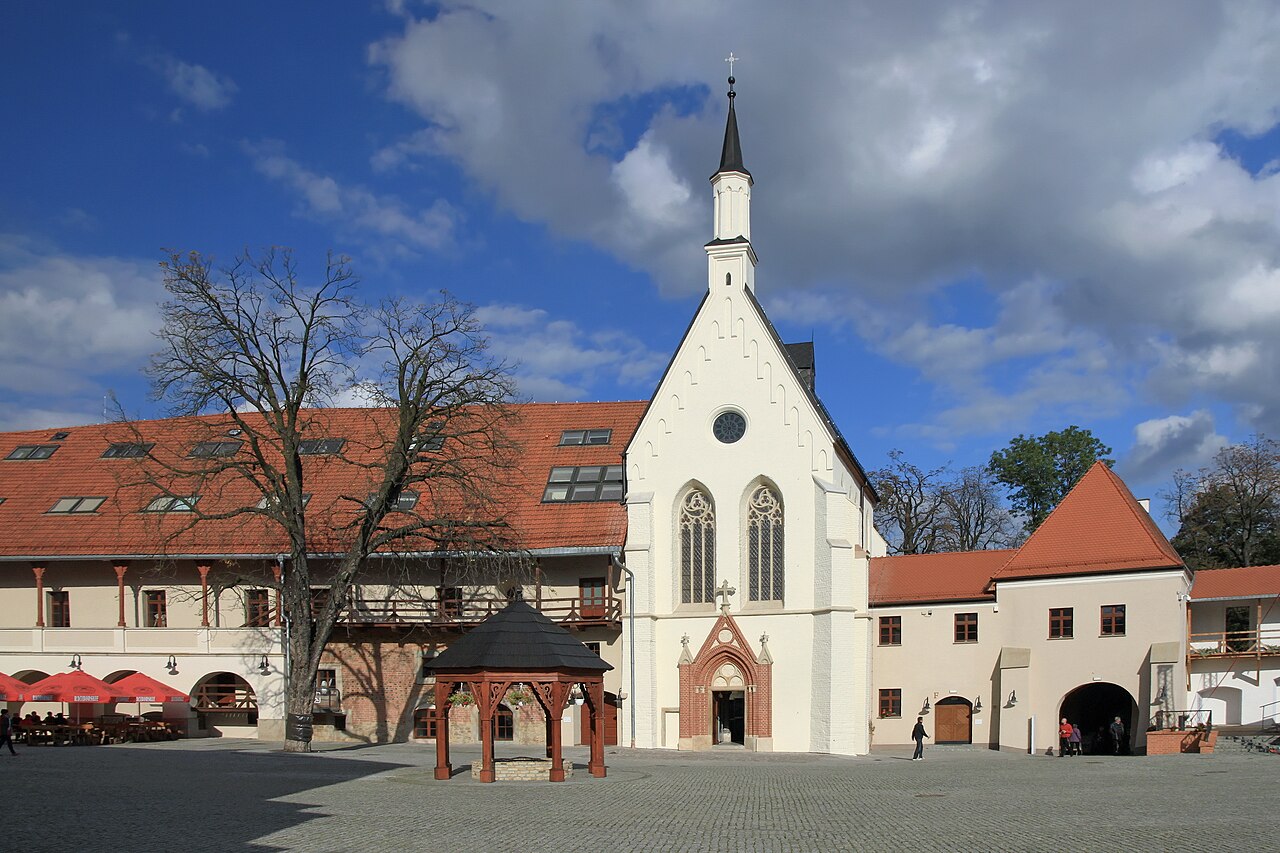
Today, the castle is a plastered masonry building oriented with its main facade facing east. It is laid out on a horseshoe-shaped plan, consisting of a two-story main building with two perpendicular two-story wings. The castle no longer serves a residential or military function but currently houses the local court, preserving its historical significance within the urban fabric of Rybnik.
The castle's layers of architectural styles reflect its complex history—from its origins as a medieval defensive fortress through its baroque transformation and eventual adaptation for civic use in the late 18th century. Despite its partial ruinous state, the site remains an important cultural landmark, illustrating the evolution of regional fortifications and noble residences over several centuries.
Frequently asked questions (FAQ)
- How do I get to Rybnik Castle?
- Rybnik Castle is centrally located in Rybnik, Poland, making it easily accessible by public transport. You can take a train or bus to Rybnik and then walk to the castle, which is just a short distance from the city center.
- What is the historical significance of Rybnik Castle?
- Rybnik Castle dates back to the 14th century and has served various purposes throughout its history, including as a defensive structure and a residence for nobility. Its rich history reflects the cultural and political changes in the region over the centuries.
- When was Rybnik Castle built?
- Construction of Rybnik Castle began in the 14th century, with significant modifications made in subsequent centuries. The castle's architecture showcases elements from different periods, highlighting its long-standing historical importance.
- Can I visit Rybnik Castle year-round?
- Yes, Rybnik Castle is open to visitors year-round, although opening hours may vary depending on the season. It's recommended to check the official website for the most current visiting hours before planning your trip.
- Why is Rybnik Castle popular among tourists?
- Rybnik Castle attracts tourists for its stunning architecture, rich history, and beautiful surroundings. Visitors enjoy exploring the castle's grounds, learning about its past, and taking in the scenic views of Rybnik.
- Is it possible to take guided tours of Rybnik Castle?
- Yes, guided tours of Rybnik Castle are available and provide an in-depth look at its history and architecture. These tours are led by knowledgeable guides who can enhance your experience with fascinating stories and insights.
- What are the ticket prices for Rybnik Castle?
- Ticket prices for Rybnik Castle are generally affordable, with discounts available for students and seniors. It's best to check the official website for the latest pricing information and any special offers.
- What are the opening hours of Rybnik Castle?
- Rybnik Castle typically opens at 10 AM and closes at 6 PM, but hours may vary on holidays or special events. Always verify the timings on the castle's official website before your visit to avoid any inconveniences.
- What is the best time to visit Rybnik Castle?
- The best time to visit Rybnik Castle is during the spring and early autumn months when the weather is mild and pleasant. These seasons also offer beautiful natural scenery, enhancing your overall experience at the castle.
- Are there any nearby attractions to see when visiting Rybnik Castle?
- Yes, there are several nearby attractions, including the picturesque Rybnik market square and the lush parks surrounding the castle. Exploring these areas can offer a fuller experience of Rybnik's culture and history.
Information
Loading map...
Visitor reviews
No reviews yet. Been here? Write the first review and help other travelers!
Write the first reviewVisited this castle? Share your experience
Your review helps other travelers and adds first-hand knowledge to our encyclopedia.