Rumbeke Castle
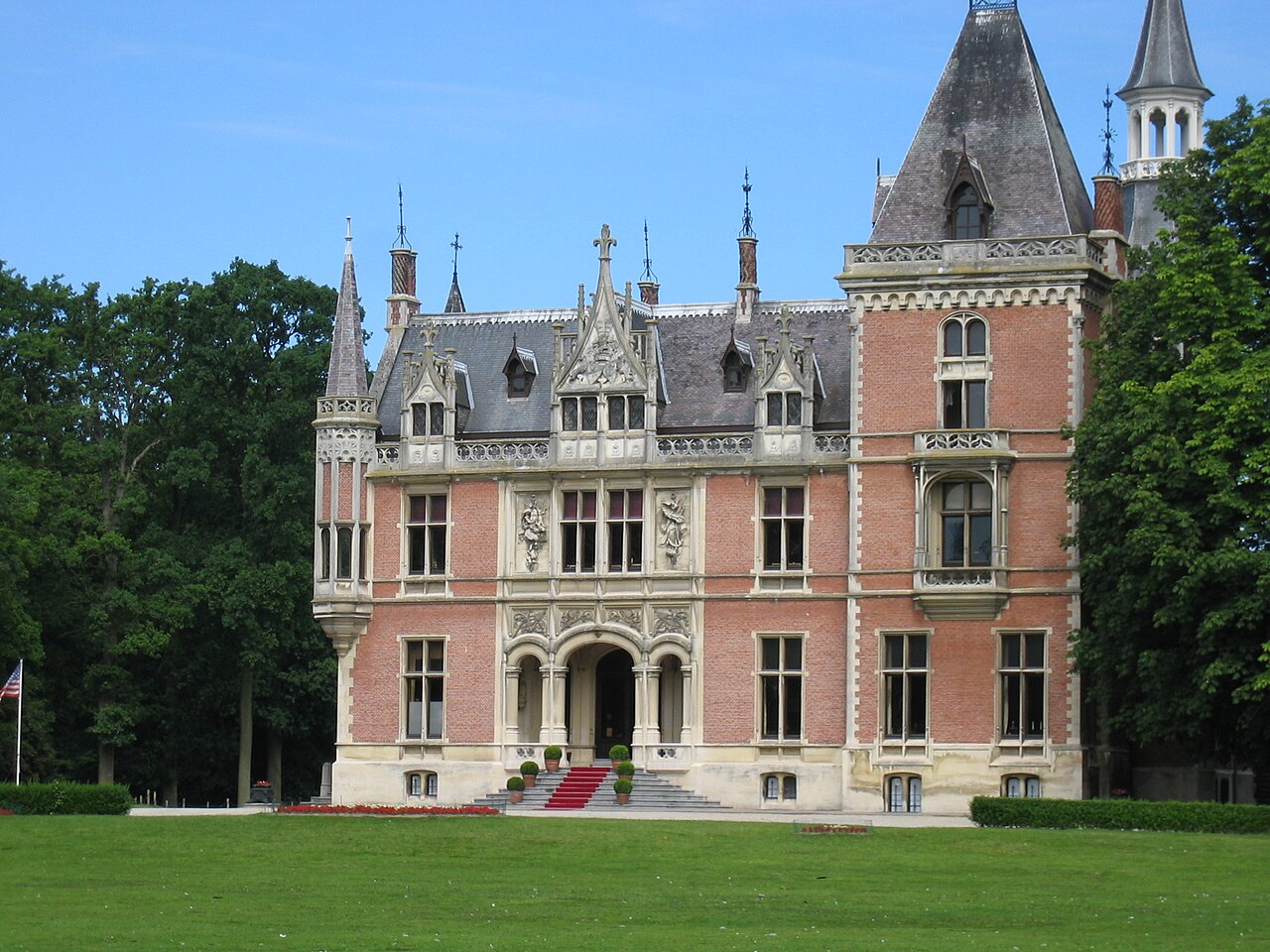
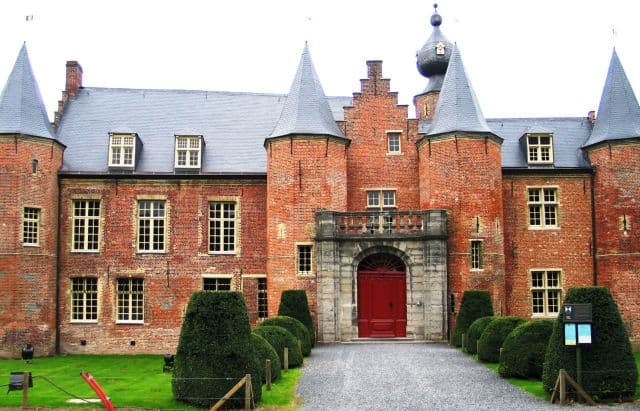
Rumbeke Castle, locally known as Kasteel van Rumbeke, is a captivating historical site nestled in a wooded domain on the south side of the city of Roeselare, in the province of West Flanders within the Flemish region of Belgium. This castle stands as one of the oldest Renaissance castles in the country, embodying a rich tapestry of history that spans from the High Medieval period through the Renaissance and into the modern era.
The origins of Rumbeke Castle are steeped in legend and early medieval history. According to local lore, the castle’s predecessor was the refuge of Count Baldwin I and Judith, daughter of Charles the Bald, King of West Francia, who fled to this site in 862 AD. Their union, sanctioned by Pope Nicholas I, marked the foundation of the County of Flanders. While this story is more legendary than strictly factual, it highlights the castle’s deep roots in the formation of Flemish identity.
Medieval origins and early construction
The earliest known construction at Rumbeke dates back to the 12th century. At this time, the site was likely a lightly fortified farmstead rather than a fully developed castle. This aligns with the typical evolution of many medieval residences that gradually transformed from agricultural estates into fortified manors. The castle’s location in a wooded area provided natural protection, while the initial fortifications were intended to deter local bandits and raiders rather than withstand major military sieges.
Ownership of the castle changed hands multiple times through inheritance, marriage, and sales. This was common among noble estates in medieval Europe, where alliances and property transfers shaped the development and expansion of such sites.
Renaissance transformation and architectural features
By the late 15th century, specifically in 1479, the castle passed to the Counts of Thiennes through marriage. It was during the 16th century that the present form of Rumbeke Castle was constructed, evolving into a moated manor house rather than a purely defensive fortress. The moat and modest fortifications were primarily symbolic and designed to deter thieves and small-scale raiders.
The castle’s architecture from this period reflects the Renaissance style, characterized by symmetrical layouts, proportionate windows, and decorative elements that emphasized elegance over military utility. The moat, courtyards, and gatehouses contribute to the castle’s stately appearance, while the interior likely featured grand halls and chambers suitable for noble residence and administration.
18th-century renovations and neoclassical influences
During the 18th century, Rumbeke Castle underwent significant renovations that introduced Neoclassical features to its Renaissance core. These modifications softened the castle’s medieval character, adding refined decorative details and updating the façades to align with contemporary tastes. The adjacent Sterrebos (Star Forest) was landscaped during this period, inspired by the famous Prater park in Vienna. This forested parkland enhanced the castle’s grounds, providing a scenic and recreational environment that complemented the manor’s grandeur.
Historical events and ownership through the centuries
Rumbeke Castle has witnessed numerous historical events that shaped its structure and ownership. The castle suffered damages during the 17th century invasion of Flanders by Louis XIV of France, reflecting the turbulent military conflicts of the era. Later, during the French Revolution, the castle again endured hardship, as revolutionary forces targeted noble estates across Europe.
In 1855, the castle came into the possession of the Counts of Limburg-Stirum through marriage, marking another chapter in its aristocratic lineage. During both World War I and World War II, the castle was requisitioned to house German officers, indicating its strategic and residential value even in modern warfare.
In 1988, the castle was sold by the Count of Limburg-Stirum to the local government, ensuring its preservation and adaptive reuse. Today, Rumbeke Castle is rented out as office space by a private company, with occasional exhibitions held within its interiors. While the interior is generally not open for regular tours, visitors can access the castle grounds and enjoy the scenic Sterrebos forest during daytime hours.
Architectural significance and cultural heritage
Rumbeke Castle stands as a remarkable example of a Renaissance moated manor that evolved from medieval origins into a residence reflecting changing architectural styles and social functions. Its blend of High Medieval foundations, Renaissance design, and Neoclassical renovations illustrates the layered history of European noble estates.
The castle’s preservation as a well-maintained historical monument allows for appreciation of its architectural features such as the moat, gatehouses, and the harmonious integration with the surrounding Sterrebos. This forest park not only enhances the aesthetic appeal but also represents 18th-century landscape design trends influenced by prominent European parks.
As a site that has adapted through centuries of social and political change, Rumbeke Castle embodies the resilience and continuity of Flemish cultural heritage. Its accessibility to the public, even if limited to the grounds and occasional events, makes it a valuable destination for those interested in medieval and Renaissance architecture, noble history, and landscape design.
Visitor experience and accessibility
Visitors to Rumbeke Castle can explore the expansive castle grounds and the adjacent Sterrebos forest freely during daytime hours. The castle interior is accessible primarily during special exhibitions or events, providing a glimpse into its historical ambiance and architectural splendor.
The castle’s location near Roeselare makes it an accessible destination for tourists exploring the rich heritage of West Flanders. The combination of historical architecture, landscaped grounds, and cultural programming offers a multifaceted experience for visitors.
Frequently asked questions (FAQ)
- How do I get to Rumbeke Castle?
- Rumbeke Castle is located in Roeselare, Belgium, and is easily accessible by car and public transport. If traveling by train, you can take a local train to Roeselare station, followed by a short bus ride or a pleasant walk to the castle.
- What is the historical significance of Rumbeke Castle?
- Rumbeke Castle dates back to the 13th century and is an important example of medieval architecture in Belgium. It has served various purposes throughout history, including as a noble residence and a military stronghold, reflecting the region's rich heritage.
- When was Rumbeke Castle built?
- Construction of Rumbeke Castle began in the late 13th century, with significant renovations occurring in subsequent centuries. Its architecture showcases the evolution of styles from the medieval period through the Renaissance.
- Can I take guided tours of Rumbeke Castle?
- Yes, guided tours are available at Rumbeke Castle, offering visitors an in-depth look at its history and architecture. These tours are typically conducted by knowledgeable guides who share fascinating stories about the castle's past.
- Why is Rumbeke Castle a popular tourist destination?
- Rumbeke Castle is popular due to its stunning architecture, beautiful gardens, and rich history that attracts both history buffs and casual visitors. The serene setting and picturesque surroundings also make it a perfect spot for photography and leisurely strolls.
- Is it possible to host events at Rumbeke Castle?
- Yes, Rumbeke Castle offers facilities for hosting a variety of events, including weddings and corporate gatherings. The castle's unique ambiance and beautiful surroundings provide a memorable backdrop for any occasion.
- What are the opening hours for Rumbeke Castle?
- Rumbeke Castle is open to visitors from 10 AM to 5 PM, Tuesday through Sunday. It is advisable to check the castle's official website for any updates on opening hours and holiday schedules before planning your visit.
- What are the ticket prices for visiting Rumbeke Castle?
- Ticket prices for Rumbeke Castle vary depending on age and group size, with discounts often available for students and seniors. Children under a certain age may enter for free, making it an affordable option for family outings.
- When is the best time to visit Rumbeke Castle?
- The best time to visit Rumbeke Castle is during the spring and early autumn when the weather is mild and the gardens are in full bloom. Additionally, visiting during the weekdays can help you avoid larger crowds and enjoy a more peaceful experience.
- Are there any nearby attractions to visit while at Rumbeke Castle?
- Yes, there are several nearby attractions, including the city center of Roeselare, which offers shops, cafes, and local culture. Additionally, the surrounding countryside is great for hiking and exploring other historical sites in the region.
Photo gallery

Information
Sources & official resources
Verify the information above using these authoritative references.
Loading map...
Visitor reviews
No reviews yet. Been here? Write the first review and help other travelers!
Write the first reviewVisited this castle? Share your experience
Your review helps other travelers and adds first-hand knowledge to our encyclopedia.