Rufo Ruffo Castle
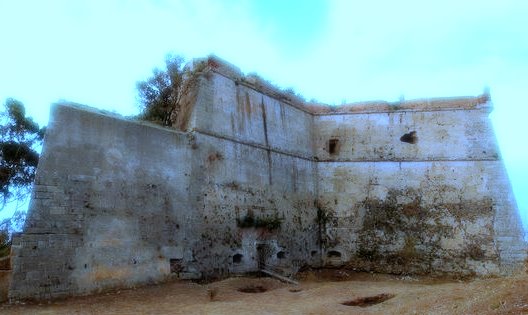
The Rufo Ruffo Castle of Scaletta Zanclea stands as a remarkable example of a 13th-century hill castle in the region of Sicily, Italy. Perched atop a precipitous hill, this fortress commands sweeping views of the surrounding green valleys and the distant sea, a strategic vantage point that underscores its historical military and noble significance. The castle's construction reflects the practical challenges of building on rugged terrain, utilizing locally sourced limestone rocks arranged without a formal architectural plan, adapting organically to the natural landscape.
Commissioned in the early 13th century by the Holy Roman Emperor Frederick II of Swabia, Rufo Ruffo Castle was designed to serve both as a defensive stronghold and a noble residence. Its location above the medieval settlement of Scaletta Zanclea provided critical oversight of the region, reinforcing the Hohenstaufen dynasty's control over Sicily during a period marked by political turbulence and military threats. The castle's role extended beyond fortification; it was a symbol of imperial authority and aristocratic power.
Historical significance and noble lineage
The origins of Rufo Ruffo Castle trace back to around 1220 when Frederick II ordered its construction amidst his efforts to consolidate his rule in Sicily. The castle was entrusted to Matteo Selvaggio, whose family became prominent in the area. Notably, the castle is associated with Baroness Macalda, a legendary figure believed to have been born within its walls circa 1240. Macalda was known as an explorer and warrior, embodying the castle’s blend of martial and noble traditions.
Throughout the centuries, the castle passed through various noble families, reflecting the shifting dynamics of Sicilian aristocracy. It hosted distinguished figures including Emperor Charles V and King Vittorio, each contributing to its storied legacy. The final private owner, Antonio Rufo Ruffo, was a noted art collector, enriching the castle's cultural heritage with valuable collections.
Architectural features and construction
The castle's architecture is characterized by its adaptation to the natural topography rather than adherence to a rigid design. Built primarily from limestone blocks quarried locally, the fortress features robust defensive walls that have withstood centuries of wear. Its elevated position on a hilltop provided natural defense advantages, supplemented by man-made fortifications typical of the high medieval period.
While the castle lacks elaborate decorative elements or inscriptions, its structural components reveal much about medieval military architecture. The thick walls and elevated battlements were designed to repel sieges and protect inhabitants. The interior housed both defensive and residential spaces, including chambers for the noble families and storage for armaments.
Materials and construction techniques
The use of limestone was both practical and strategic, offering durability and ease of quarrying in the Sicilian landscape. The stones were arranged in an irregular pattern, dictated by the hill's contours, which posed significant challenges to builders but resulted in a fortress that harmonized with its environment. This organic construction approach contrasts with the more formalized plans seen in other contemporaneous castles.
Cultural heritage and collections
Inside the castle, visitors can find an array of historical artifacts that reflect its rich cultural past. The castle houses collections from museums in nearby Messina, including paper documents detailing the history of the surrounding territory and the noble families that once resided there. These archives provide invaluable insight into the region's medieval and early modern history.
The castle also preserves religious medals and medallions, armor collections, and marble objects that showcase the artistic and martial heritage of its former inhabitants. These items contribute to the castle’s role as a living museum, bridging past and present.
Restoration and current status
In the 20th century, the castle underwent a significant transition when Prince Sigerio Ruffo of Scaletta donated it to the local municipal authorities in 1969. This transfer marked the beginning of preservation efforts aimed at stabilizing the structure and making it accessible to the public while respecting its historical integrity.
Restoration work has focused on maintaining the castle's outline and structural remains, ensuring that visitors can appreciate its original defensive features and noble residential areas. Today, the Rufo Ruffo Castle stands as a well-preserved high medieval hill castle, offering a tangible connection to Sicily's rich feudal past and the legacy of the Hohenstaufen dynasty.
Visitor experience and accessibility
Visitors to Rufo Ruffo Castle can explore the rugged hilltop site, enjoying panoramic views of the Sicilian landscape and the sea beyond. The castle’s preserved walls and courtyards invite exploration, while the on-site collections provide educational context. The castle’s location and historical significance make it a notable destination for those interested in medieval architecture and Sicilian history.
Access to the castle involves a climb up the hill, reflecting its original defensive purpose. The site’s preservation ensures safety while maintaining the authentic atmosphere of a medieval fortress.
Frequently asked questions (FAQ)
- How do I get to Rufo Ruffo Castle?
- Rufo Ruffo Castle is located in Scaletta Superiore, Italy, easily accessible by car or local public transportation. The nearest major city is Messina, from which you can take a bus or drive for about 30 minutes to reach the castle.
- What is the historical significance of Rufo Ruffo Castle?
- Rufo Ruffo Castle dates back to the 12th century and has played a crucial role in the region's history, serving as a defensive structure during various conflicts. Its strategic location allowed it to oversee important trade routes and protect the area from invasions.
- When was Rufo Ruffo Castle built?
- The construction of Rufo Ruffo Castle began in the 12th century, during the Norman period in Sicily. Over the centuries, it has undergone several renovations and expansions, reflecting the architectural styles of different eras.
- Can I visit Rufo Ruffo Castle year-round?
- Yes, Rufo Ruffo Castle is open to visitors year-round, although hours may vary seasonally. It is advisable to check the official website or local tourism information for the most accurate opening times before planning your visit.
- Why is Rufo Ruffo Castle considered an architectural gem?
- Rufo Ruffo Castle showcases a blend of Norman and medieval architectural styles, featuring impressive stonework and stunning views of the surrounding landscape. Its towers and fortifications highlight the defensive techniques of the period, making it a fascinating site for architecture enthusiasts.
- Is it possible to access all areas of Rufo Ruffo Castle?
- While many areas of Rufo Ruffo Castle are accessible to visitors, some sections may be restricted due to safety concerns or ongoing restoration work. Guided tours are available to provide insights while ensuring safety as you explore the castle.
- What are the ticket prices for Rufo Ruffo Castle?
- Ticket prices for Rufo Ruffo Castle are generally affordable, with discounts available for students and seniors. Children under a certain age may enter for free, but it’s best to check the official site for the latest pricing information.
- When is the best time to visit Rufo Ruffo Castle?
- The best time to visit Rufo Ruffo Castle is during the spring (April to June) and fall (September to October) when the weather is mild and the tourist crowds are smaller. Summer can be quite hot, while winter might bring cooler temperatures, affecting the outdoor experience.
- Are there any nearby attractions to visit after Rufo Ruffo Castle?
- Yes, there are several nearby attractions, including the picturesque town of Taormina and the stunning Etna National Park. Both destinations offer breathtaking views and unique experiences, making them perfect complements to your visit to Rufo Ruffo Castle.
Information
Website
Visit websiteSources & official resources
Verify the information above using these authoritative references.
Loading map...
Visitor reviews
No reviews yet. Been here? Write the first review and help other travelers!
Write the first reviewVisited this castle? Share your experience
Your review helps other travelers and adds first-hand knowledge to our encyclopedia.