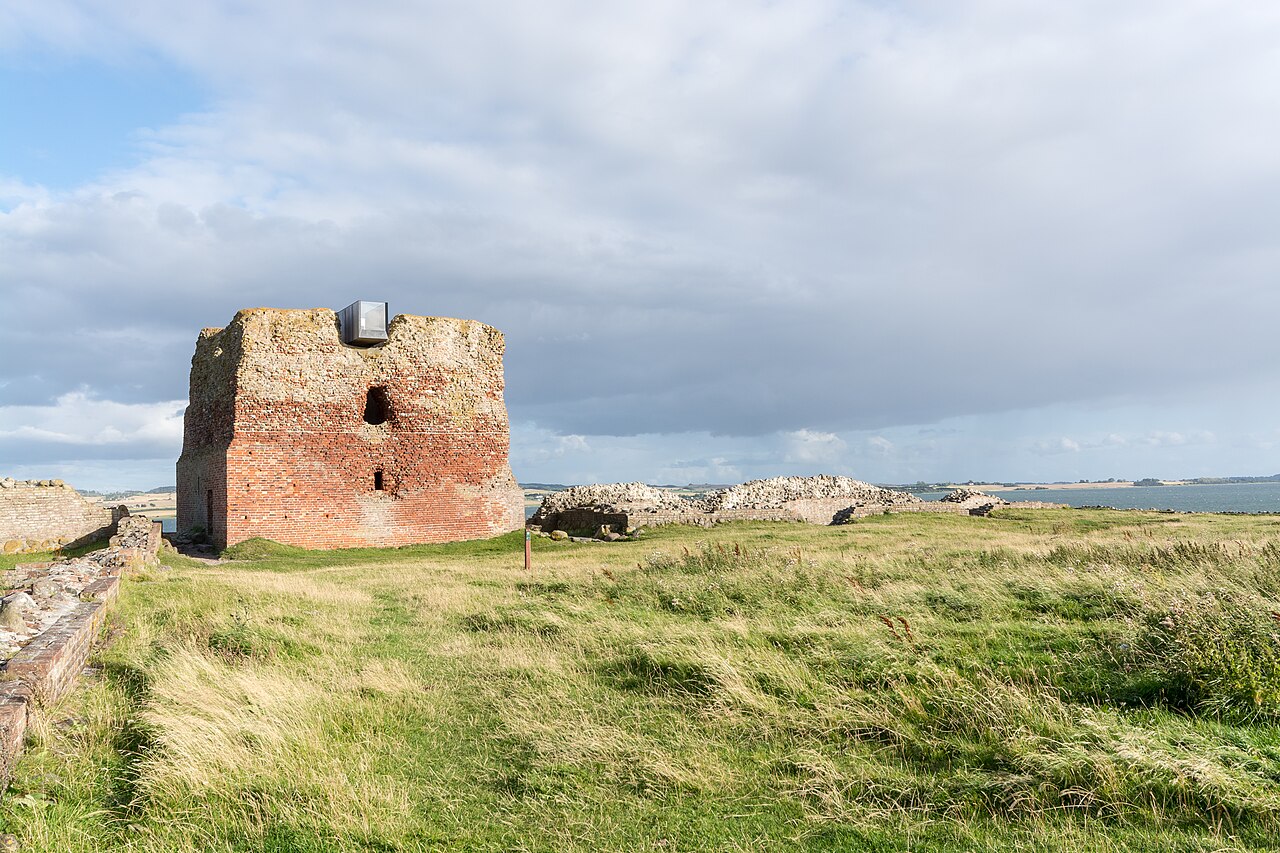
Rosenholm Castle
Rosenholm Castle stands as Denmark's oldest family-owned castle and represents one of the most complete and well-preserved examples of a Renaissance manor house complex in the country. Founded in 1559 by the Danish nobleman Jørgen Rosenkrantz, the castle embodies the architectural and cultural transition of Danish aristocratic residences during the late 16th and early 17th centuries. The Rosenkrantz family is notable in Danish history, with their name even referenced by William Shakespeare in his play Hamlet, underscoring the family's historical prominence.
Architectural evolution and renaissance influence
The original construction of Rosenholm Castle began in 1559, during the Renaissance period, a time when Danish architecture was increasingly influenced by Italian Renaissance ideals. The castle was designed as a four-winged complex, completed by 1607, with clear inspiration from Italian Renaissance principles such as symmetry, proportion, and the integration of classical elements. This layout created a closed courtyard, a typical feature of Renaissance manor houses, which provided both security and a private, elegant space for the noble family.
The castle's masonry and structural design reflect the transition from medieval fortifications to more comfortable and stylistically refined noble residences. The use of brick combined with stone detailing, ornamental gables, and decorative portals are characteristic of the period and region. The four wings of Rosenholm enclose the central courtyard, which was intended for both social gatherings and practical functions.
Baroque interior modernization and gardens
In the 1740s, Rosenholm Castle underwent significant interior modernization in the Baroque style. This transformation included the updating of reception rooms, halls, and private chambers with richly decorated woodwork, stucco ceilings, and period-appropriate furnishings. The Baroque influence introduced a heightened sense of drama and ornamentation to the castle's interior spaces, contrasting with the more restrained Renaissance exterior.
Simultaneously, a large Baroque garden was laid out, covering approximately 5 hectares. The garden design featured formal avenues lined with lime trees and hedgerows of beech, creating structured vistas and symmetrical patterns typical of Baroque landscaping. These gardens complemented the castle's architectural grandeur and served as a prestigious setting for outdoor events and leisurely promenades.
Historical significance and family heritage
Rosenholm Castle's continuous ownership by the Rosenkrantz family makes it unique among Danish castles. The family’s long-standing presence has preserved not only the physical structure but also a rich collection of furnishings, paintings, and tapestries that provide insight into the lifestyle and tastes of Danish nobility over several centuries.
The castle holds a special place in cultural history due to its association with the Rosenkrantz family name, which Shakespeare immortalized. This connection adds a layer of literary significance to the site, attracting visitors interested in both history and literature.
Architectural features and current condition
Today, Rosenholm Castle remains well preserved and is notable for its harmonious blend of Renaissance architecture with later Baroque interior elements. The castle complex includes the four main wings, a central courtyard, and the extensive gardens. Visitors can explore fully furnished rooms that display hundreds of period items, including original furniture, artworks, and tapestries, offering an authentic experience of aristocratic life in Denmark.
The castle’s structural integrity and historical authenticity have been maintained through careful preservation efforts, allowing it to serve as both a private residence and a cultural heritage site open to the public for tours and events.
Visitor experience and cultural importance
Visitors to Rosenholm Castle can experience a rare glimpse into the evolution of Danish noble residences from the Renaissance through the Baroque period. The castle’s extensive collections and well-maintained gardens provide a rich sensory experience, combining architectural beauty with historical artifacts.
The site is also significant for educational purposes, illustrating the architectural trends, social history, and garden design of its era. Its status as the oldest family-owned castle in Denmark enhances its appeal as a heritage destination.
Frequently asked questions (FAQ)
- How do I get to Rosenholm Castle?
- Rosenholm Castle is located in Hornslet, Denmark, approximately 15 kilometers from the city of Aarhus. You can reach the castle by car, bike, or public transportation, with bus services available from Aarhus directly to Hornslet.
- What is the historical significance of Rosenholm Castle?
- Rosenholm Castle was built in the 16th century and is one of the finest examples of Renaissance architecture in Denmark. It has served as a noble residence throughout its history and is closely associated with the Rosenkrantz family, adding to its historical importance.
- When was Rosenholm Castle built?
- Rosenholm Castle was constructed between 1559 and 1565, commissioned by the nobleman Rasmus Rosenkrantz. Its architectural style and historical features reflect the grandeur of the Renaissance period in Denmark.
- Can I take guided tours of the castle?
- Yes, guided tours of Rosenholm Castle are available, allowing visitors to explore its rich history and stunning architecture. It is recommended to check the castle's website for tour availability and schedules before your visit.
- Why is Rosenholm Castle considered an architectural gem?
- Rosenholm Castle is renowned for its well-preserved Renaissance architecture, characterized by beautiful gables, intricate brickwork, and stylish interiors. The castle's design reflects the artistic trends of the time, making it a significant landmark in Danish architectural history.
- Is it possible to host events at Rosenholm Castle?
- Yes, Rosenholm Castle offers facilities for hosting various events, including weddings and corporate gatherings. Interested parties should contact the castle's administration for more information regarding availability and services.
- What are the opening hours for Rosenholm Castle?
- Rosenholm Castle typically opens to visitors from April through October, with specific hours varying by day. It is advisable to check the castle's official website for the most current opening hours and any seasonal changes.
- What are the ticket prices for visiting Rosenholm Castle?
- Ticket prices for Rosenholm Castle vary depending on age and group size, with discounts often available for children and students. For the most accurate and updated pricing, visitors should refer to the castle's official website before planning their visit.
- When is the best time to visit Rosenholm Castle?
- The best time to visit Rosenholm Castle is during the summer months, from June to August, when the weather is pleasant and the gardens are in full bloom. Additionally, this is when the castle hosts various events and activities for visitors.
- What nearby attractions can I explore while visiting Rosenholm Castle?
- While visiting Rosenholm Castle, you can explore the surrounding beautiful landscapes and gardens, as well as nearby attractions like the charming town of Hornslet and the scenic beaches along the Djursland coast. These sites make for a delightful day trip in conjunction with your castle visit.
Information
Website
Visit websiteSources & official resources
Verify the information above using these authoritative references.
Loading map...
Visitor reviews
No reviews yet. Been here? Write the first review and help other travelers!
Write the first reviewVisited this castle? Share your experience
Your review helps other travelers and adds first-hand knowledge to our encyclopedia.