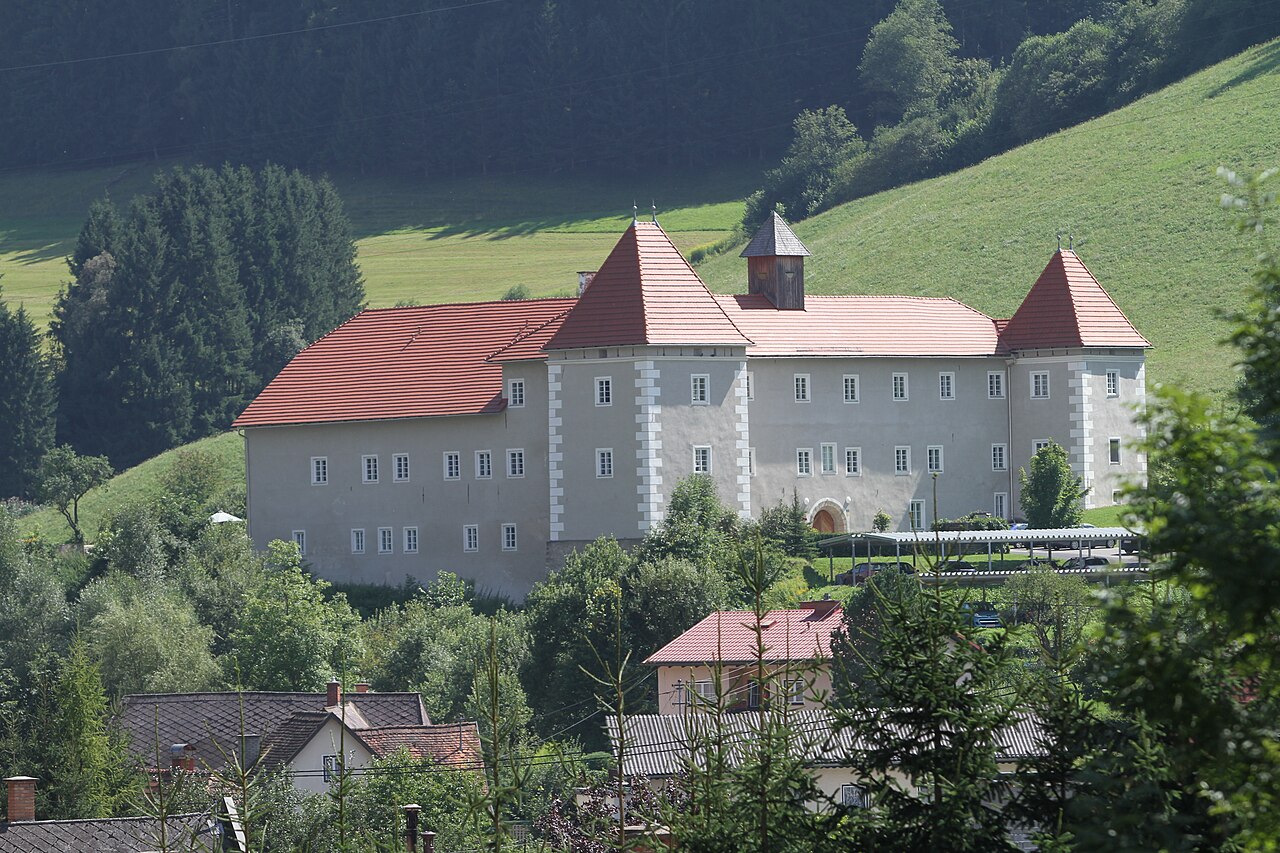
Reifenstein Castle Ruins
Reifenstein Castle, located in Pöls-Oberkurzheim, Austria, is a significant medieval fortress with a history dating back to the 12th century. Originally constructed by the Reifenstein family, a branch of the prominent Liechtenstein family, this castle served as a strategic stronghold in the region. Its location and design reflect the typical characteristics of a high medieval hill castle, combining defensive features with residential functions.
Medieval origins and architectural evolution
The initial construction phase in the 12th century established Reifenstein as a robust fortress. It was built primarily for defense and control over the surrounding lands. During the 13th and 14th centuries, the castle underwent significant expansions and enhancements. These extensions included the strengthening of curtain walls, the addition of towers, and improvements to the living quarters, reflecting the evolving military and domestic needs of its inhabitants.
Early structural features
The castle's original medieval architecture featured thick stone walls, a fortified gatehouse, and a central keep or main tower that dominated the complex. Defensive elements such as battlements and arrow slits were incorporated to provide protection against attackers while allowing defenders to launch countermeasures effectively. The castle's elevated position on a hill provided a commanding view of the surrounding landscape, which was crucial for early warning and defense.
Renaissance transformation
In 1521, Reifenstein Castle changed hands when it was sold to Sebald Pögl from Thörl. This transfer marked a new chapter in the castle's architectural history. Pögl initiated a significant rebuilding effort, transforming the fortress into a residence that reflected Renaissance architectural styles. This included the introduction of more ornate windows, decorative elements, and a reorganization of internal spaces to enhance comfort and aesthetics rather than solely focusing on defense.
Ownership and historical significance
By 1698, the castle came into the possession of the Schwarzenberg family, a noble lineage that still owns the surrounding lands today. Under their stewardship, Reifenstein continued to serve as a noble residence, although its military importance diminished over time. The castle remained inhabited until 1809, after which it fell into decline.
Damage and decline during the Napoleonic wars
The early 19th century was a turbulent period for Reifenstein Castle. It suffered damage during the Napoleonic Wars, a series of conflicts that reshaped much of Europe. The castle's strategic value had decreased, and it was not restored after the damage. Instead, it was abandoned and left to decay, gradually becoming the ruins that are visible today.
Architectural features and current state
Today, Reifenstein Castle stands as a partially preserved high medieval hill castle ruin. Visitors can observe remnants of its stone curtain walls, sections of the original gatehouse, and fragments of the Renaissance-style renovations. The site offers valuable insights into medieval fortification techniques as well as the transition to Renaissance residential architecture in castle design.
Castle layout and defensive elements
The castle's layout includes a central courtyard surrounded by defensive walls. The remains of towers and battlements illustrate the castle's role in regional defense. The elevated hilltop location provided natural protection and a strategic vantage point over the surrounding countryside.
Cultural heritage and tourism
Reifenstein Castle is an important cultural landmark in the region. Although in ruins, it attracts visitors interested in medieval history, architecture, and the heritage of the Liechtenstein and Schwarzenberg families. Efforts to preserve and maintain the site help to protect its historical value for future generations.
Visiting information and accessibility
The castle ruins are accessible to the public, offering a glimpse into Austria's medieval past. Visitors should be prepared for uneven terrain typical of hill castle sites. The surrounding area provides scenic views and opportunities for hiking and exploration.
Nearby attractions
Pöls-Oberkurzheim and the broader region of Styria offer additional historical sites, natural parks, and cultural experiences. Visitors to Reifenstein Castle often combine their trip with tours of other castles and landmarks in the area.
Frequently asked questions
- When was Reifenstein Castle built? Reifenstein Castle was originally constructed in the 12th century by the Reifenstein family, a branch of the Liechtenstein lineage.
- What architectural styles are visible at Reifenstein? The castle features a combination of high medieval defensive architecture and later Renaissance-style renovations from the 16th century.
- Is Reifenstein Castle open to visitors? Yes, the ruins are accessible to the public, offering historical insight and scenic views, though facilities may be limited.
- Who currently owns Reifenstein Castle? The castle and its lands are owned by the Schwarzenberg family, who acquired it in 1698.
- Why is Reifenstein Castle in ruins? The castle was damaged during the Napoleonic Wars and subsequently abandoned, leading to its current partially preserved ruinous state.
- What is the best time to visit Reifenstein Castle? Spring through autumn offers the most favorable weather for exploring the ruins and surrounding landscape.
Frequently asked questions (FAQ)
- How do I get to Reifenstein Castle Ruins?
- Reifenstein Castle Ruins is located in Pöls-Oberkurzheim, Austria, easily accessible by car or public transport. If you're driving, take the A9 motorway and follow the signs to Pöls. Public transport options include regional trains and buses that connect to nearby towns.
- What is the historical significance of Reifenstein Castle?
- Reifenstein Castle, built in the late 12th century, served as a strategic lookout and a stronghold for local nobility. It played a significant role in regional conflicts during the Middle Ages and offers insight into the feudal system of the time. Today, the ruins are a testament to the architectural style and military history of the era.
- When was Reifenstein Castle last inhabited?
- Reifenstein Castle was last inhabited in the 17th century when it fell into disrepair. Over the following centuries, it became a ruin, yet it retains its historical charm and significance. Restoration efforts continue to preserve what remains for future generations.
- Can I explore the interior of Reifenstein Castle Ruins?
- While much of Reifenstein Castle is in ruins, you can explore its grounds and enjoy the stunning views from its vantage points. Guided tours may be available during peak visiting seasons, allowing you to learn more about its history. Always check in advance for any access restrictions or guided tour offerings.
- Why is Reifenstein Castle a popular tourist attraction?
- Reifenstein Castle offers visitors a unique glimpse into Austria's medieval past, set against the backdrop of breathtaking landscapes. Its impressive ruins and scenic location attract history enthusiasts and nature lovers alike. The castle's rich history and panoramic views make it a must-visit destination.
- Is it possible to visit Reifenstein Castle year-round?
- Yes, Reifenstein Castle Ruins are generally open to visitors year-round, though accessibility may vary with weather conditions, especially in winter. It's advisable to check local resources for any seasonal restrictions or maintenance work. The best time to visit is during spring and autumn when the weather is pleasant.
- What are the opening hours for Reifenstein Castle Ruins?
- Opening hours may vary depending on the season, but typically, the site is open from morning until sunset. During the summer months, longer hours are usually in effect. Always confirm current hours before planning your visit to ensure a smooth experience.
- Are there any ticket prices for visiting Reifenstein Castle?
- There is no entrance fee for exploring the Reifenstein Castle Ruins, making it an affordable attraction for visitors. Donations for the preservation of the site are appreciated. Check for any special events that may have associated fees.
- What are some nearby attractions to visit along with Reifenstein Castle?
- Nearby attractions include the picturesque town of Pöls and the stunning natural landscapes of the Styrian region. Additionally, you can explore other historical sites and hiking trails in the area. Combining your visit to Reifenstein with these nearby attractions can enhance your experience.
Information
Current owner
Schwarzenberg family
Loading map...
Visitor reviews
No reviews yet. Been here? Write the first review and help other travelers!
Write the first reviewVisited this castle? Share your experience
Your review helps other travelers and adds first-hand knowledge to our encyclopedia.