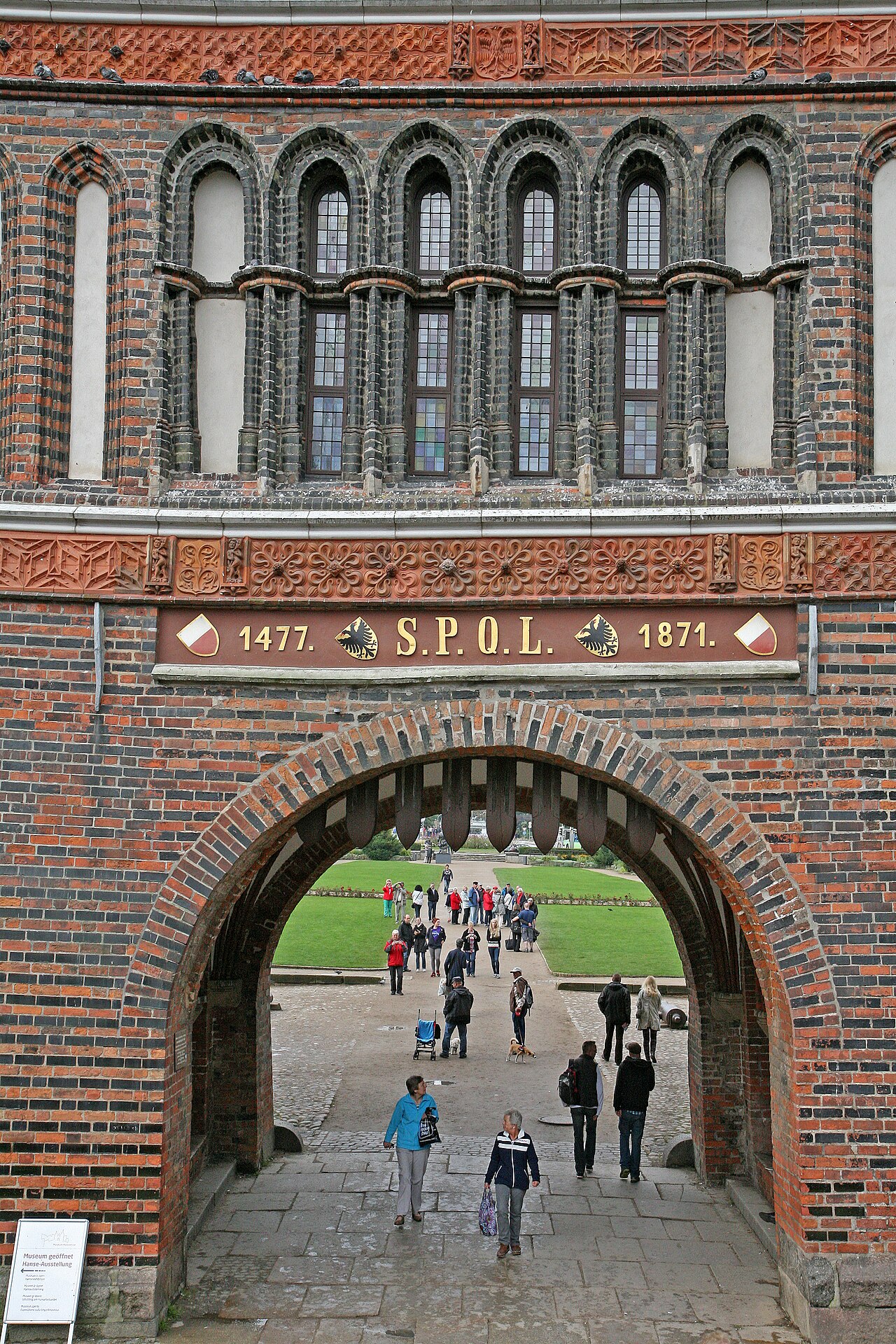
Ratzeburg Cathedral
Ratzeburg Cathedral stands as one of the oldest and most significant examples of brick church architecture in Northern Germany. Founded in 1154 during the high medieval period, the cathedral was established under the auspices of Henry the Lion, Duke of Saxony, and Hartwich I, Archbishop of Hamburg. This foundation marked the refounding of the episcopal seat of Ratzeburg, with Evermodus becoming its first bishop. The cathedral's construction exemplifies the transition and regional adaptation of Romanesque architectural principles to the use of brick as a primary building material, a hallmark of northern German ecclesiastical buildings of the era.
Architectural design and style
The cathedral is designed as a basilica with three naves, a common layout in Romanesque church architecture, providing a longitudinal plan that facilitates processions and liturgical functions. The structure is built in the shape of a Latin cross, featuring a prominent choir quadrangle and a half-round apse at the eastern end. The interior is characterized by arches supported by robust pillars, which create a rhythmic division of the nave and aisles. This architectural arrangement emphasizes solidity and monumentality, typical of the late Romanesque style.
The use of brick as the primary construction material is especially notable, as it reflects the regional building traditions of Northern Germany, where stone was less readily available. The cathedral's brickwork demonstrates skilled craftsmanship and contributes to the building's distinctive aesthetic.
Historical developments and restorations
Following its initial construction, the cathedral underwent significant additions and restorations, particularly in the 15th century. These modifications introduced elements consistent with the architectural trends of the late medieval period, likely incorporating Gothic influences while maintaining the overall Romanesque character.
The most comprehensive restoration took place in the mid-20th century, concluding in 1966. This restoration aimed to return the cathedral to its late Romanesque conception, carefully removing later alterations that obscured the original design. As a result, visitors today can appreciate the cathedral's unity and integrity as it was conceived in the 12th century.
Associated structures: the cloister
Adjacent to the cathedral on its northern side lies the cloister, whose construction began shortly after the cathedral's completion, around 1220. This cloistered courtyard served as a place of contemplation and communal gathering for the cathedral's clergy and remains accessible to the public. The cloister complements the cathedral architecturally and historically, representing the monastic and ecclesiastical practices of the period.
Significance and visitor experience
Ratzeburg Cathedral is not only a religious monument but also a cultural landmark that illustrates the evolution of medieval architecture in Northern Germany. Its preservation as a well-preserved late Romanesque brick basilica offers valuable insights into the construction techniques and artistic sensibilities of the high medieval era.
Visitors to the cathedral can explore its spacious nave, admire the sturdy pillars and arches, and experience the serene atmosphere of the cloistered courtyard. The restoration efforts have ensured that the cathedral retains much of its original character, making it a significant destination for those interested in medieval history, architecture, and ecclesiastical heritage.
Frequently asked questions (FAQ)
- What is the historical significance of Ratzeburg Cathedral?
- Ratzeburg Cathedral, dating back to the 12th century, is a remarkable example of Romanesque architecture in Germany. It played a pivotal role in the development of the town of Ratzeburg and is one of the oldest religious buildings in the region, reflecting the rich cultural heritage of the area.
- When was Ratzeburg Cathedral built?
- Construction of Ratzeburg Cathedral began in 1108 and was completed in 1156. The cathedral has undergone several renovations over the centuries, preserving its historical essence while adapting to the needs of the community.
- Can I visit Ratzeburg Cathedral year-round?
- Yes, Ratzeburg Cathedral is open to visitors throughout the year. However, it is advisable to check specific opening hours as they may vary by season and for special events or services.
- What are the opening hours for Ratzeburg Cathedral?
- The cathedral typically opens from 10 AM to 5 PM during the week, with extended hours on weekends. Visitors should confirm the current timings on the cathedral’s official website as they may change due to holidays or special occasions.
- Is it possible to take guided tours at Ratzeburg Cathedral?
- Yes, guided tours are available for visitors interested in learning more about the history and architecture of Ratzeburg Cathedral. These tours provide in-depth insights and are often led by knowledgeable local guides.
- What are the ticket prices for visiting Ratzeburg Cathedral?
- Admission to Ratzeburg Cathedral is generally free, but donations are appreciated to help with maintenance and preservation efforts. Some special tours or events may have a nominal fee, so it's best to check in advance.
- When is the best time to visit Ratzeburg Cathedral?
- The best time to visit Ratzeburg Cathedral is during the spring and summer months when the weather is pleasant, and the surrounding gardens are in full bloom. Additionally, visiting during local festivals can enhance the experience with vibrant cultural activities.
- What nearby attractions can I explore after visiting Ratzeburg Cathedral?
- After visiting Ratzeburg Cathedral, you can explore the scenic Ratzeburg Lake, which offers beautiful walking paths and opportunities for boating. The historic town center also features charming shops, cafes, and other historical landmarks worth visiting.
- How do I get to Ratzeburg Cathedral using public transportation?
- Ratzeburg is accessible by train, with regular services connecting to larger cities like Hamburg and Lübeck. Once in Ratzeburg, the cathedral is within walking distance from the train station, making it easy for visitors to reach.
Information
Website
Visit websiteSources & official resources
Verify the information above using these authoritative references.
Loading map...
Visitor reviews
No reviews yet. Been here? Write the first review and help other travelers!
Write the first reviewVisited this castle? Share your experience
Your review helps other travelers and adds first-hand knowledge to our encyclopedia.