Puerta de Santa Ana, Melilla
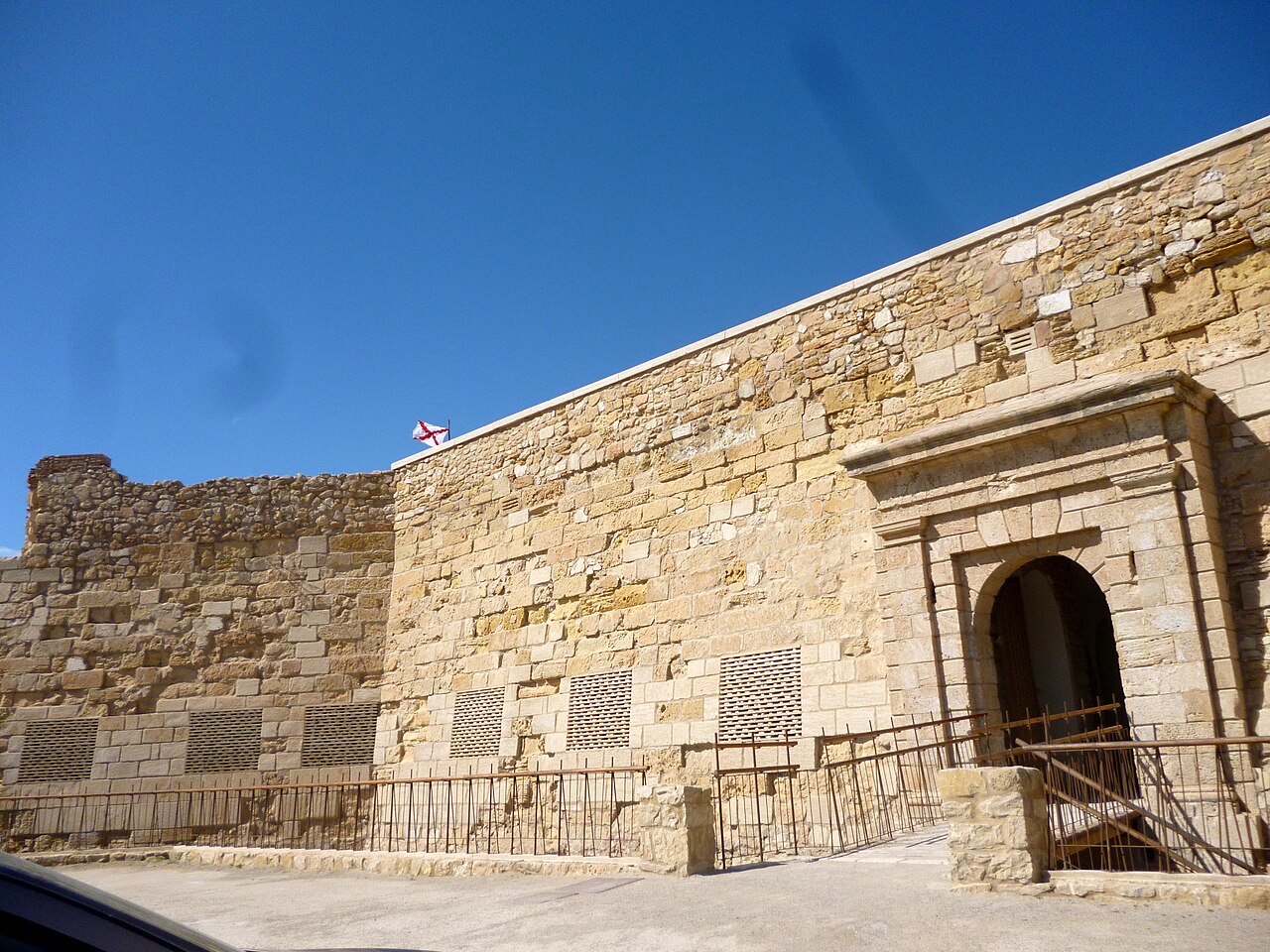
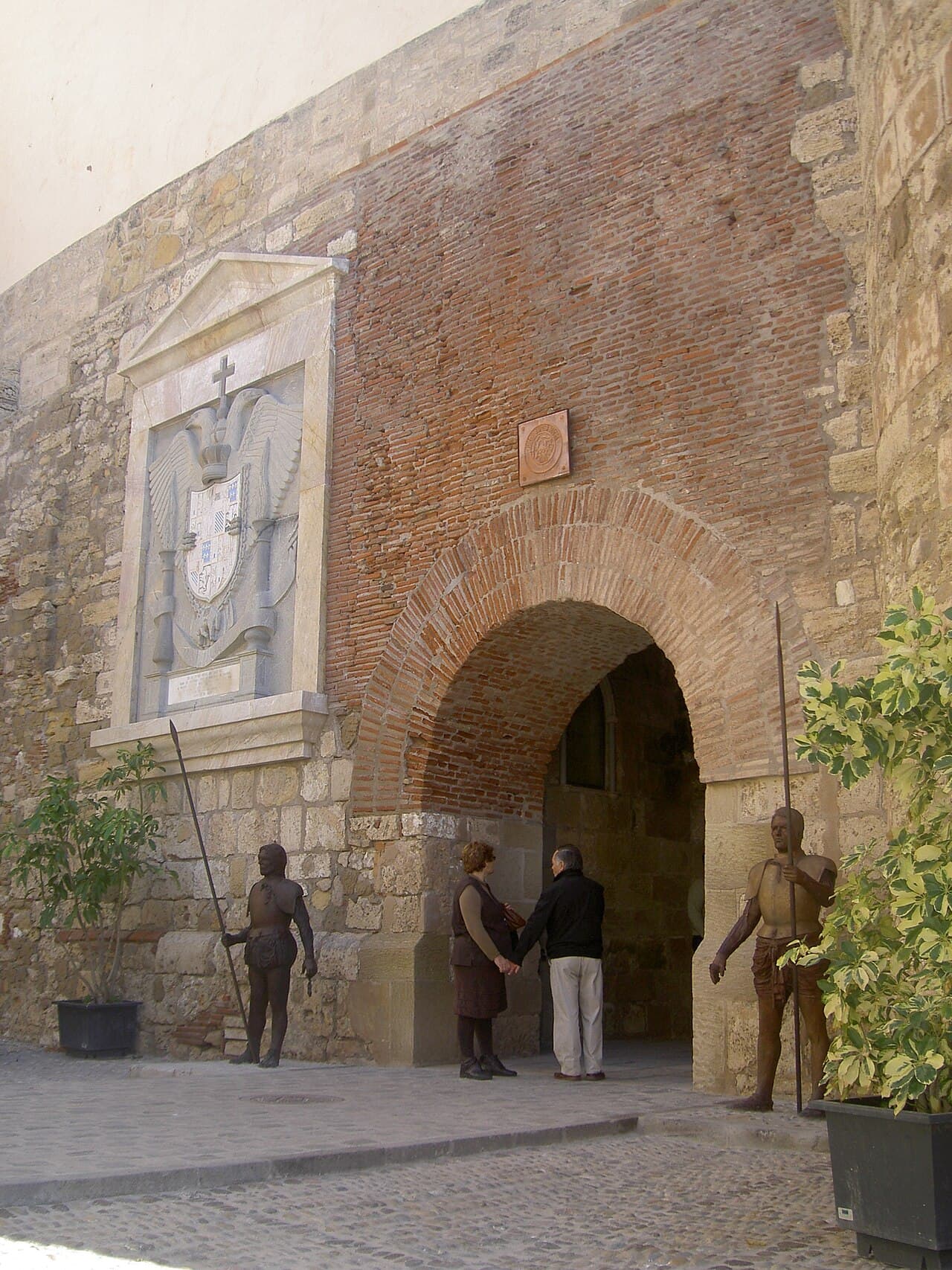
Puerta de Santa Ana is a prominent bastioned fortress located in the Spanish autonomous city of Melilla, on the northwest coast of Africa. This fortress is a key element of Melilla's extensive defensive system, designed to protect the city against naval and land attacks. Its strategic position near the coast allowed it to serve as a vital military gateway and a stronghold during various periods of conflict.
Historical context and significance
The fortress of Puerta de Santa Ana was constructed as part of Melilla's fortifications during the period when the city was a crucial military outpost for Spain. Melilla itself has a long history as a fortified city, with its defenses evolving over centuries to respond to changing military technologies and threats. The bastioned design of Puerta de Santa Ana reflects the military architectural innovations of the early modern period, particularly the 16th to 18th centuries, when bastioned fortifications became widespread across Europe and its territories to withstand cannon fire and sieges.
Melilla's fortifications, including Puerta de Santa Ana, played significant roles in defending the city from attacks by local forces and rival powers. The fortress was part of a network of walls, bastions, and gates that controlled access to the city and safeguarded its inhabitants and strategic assets.
Architectural features and design
Puerta de Santa Ana exemplifies the characteristics of a bastioned fortress, featuring angular bastions projecting from the main walls to provide overlapping fields of fire. This design allowed defenders to cover all approaches with artillery and small arms, minimizing blind spots and making direct assaults costly and difficult.
The fortress includes robust stone walls, thick enough to absorb cannon fire, and a gate complex that controlled entry and exit. The bastions are connected by curtain walls, forming a defensive perimeter that integrates with Melilla's broader fortification system.
Within the fortress, there were likely chambers for guards, storage areas for ammunition and supplies, and platforms for artillery. The layout would have been optimized for both defense and control of movement, with narrow passageways and strategic vantage points.
Melilla's military architecture and coastal defense
Puerta de Santa Ana is part of Melilla's extensive military architecture, which includes multiple bastions, walls, and other fortifications designed to protect the city from maritime and terrestrial threats. The city's coastal location made it vulnerable to naval attacks, and its fortifications were adapted to counter these risks effectively.
The bastioned fortress system in Melilla reflects broader trends in military engineering during the Renaissance and early modern periods, emphasizing angled bastions, thick walls, and integrated artillery positions. These features allowed Melilla to maintain its strategic importance as a Spanish enclave on the African coast.
Current condition and cultural importance
Today, Puerta de Santa Ana remains a significant historical monument in Melilla. While some parts of the fortress may have undergone restoration or conservation efforts, it stands as a well-preserved example of bastioned military architecture. The fortress is a cultural heritage site, attracting visitors interested in military history and the unique geopolitical context of Melilla.
Its preservation contributes to understanding the evolution of fortification design and the historical defense strategies employed by Spain in its overseas territories.
Visiting puertade santa ana
Visitors to Melilla can explore Puerta de Santa Ana as part of the city's rich historical landscape. The fortress offers insights into the military architecture of the bastioned style and the historical significance of Melilla as a fortified city. Guided tours and informational displays may be available to enhance the visitor experience, providing context about the fortress's role and construction.
Frequently asked questions (FAQ)
- What is the historical significance of Puerta de Santa Ana?
- Puerta de Santa Ana is a key historical landmark in Melilla, representing the city's fortifications during the Spanish colonial period. Built in the 18th century, it served as both a gateway and a defensive structure, showcasing the military architecture of the time.
- When was Puerta de Santa Ana constructed?
- Puerta de Santa Ana was constructed in the late 17th century, specifically completed in 1708. This period marked an important phase in Melilla's development, as the city fortified its defenses against potential invasions.
- Can I visit Puerta de Santa Ana?
- Yes, visitors are welcome to explore Puerta de Santa Ana and its surroundings. While the structure is primarily an outdoor site, it offers a glimpse into the historical significance of Melilla's architecture.
- What are the opening hours for Puerta de Santa Ana?
- Puerta de Santa Ana is accessible year-round, typically from 9 AM to 7 PM. However, it is advisable to check for any seasonal variations or local festivities that may affect visiting hours.
- Is it possible to take guided tours of Puerta de Santa Ana?
- Yes, guided tours are available for those interested in a more in-depth understanding of Puerta de Santa Ana's history and architecture. These tours often provide valuable insights that enhance the visitor experience.
- What is the best time to visit Puerta de Santa Ana?
- The best time to visit Puerta de Santa Ana is during the spring and fall months when the weather is mild and pleasant. This allows for comfortable exploration of the site while enjoying the surrounding area.
- Are there any nearby attractions to Puerta de Santa Ana?
- Yes, several attractions are located near Puerta de Santa Ana, including the Melilla Archaeological Museum and the historic Plaza de España. These sites offer additional context to the rich history of Melilla.
- What are the ticket prices for visiting Puerta de Santa Ana?
- Entry to Puerta de Santa Ana is typically free of charge, making it an accessible destination for all visitors. However, guided tours or special events may have associated fees.
- Is Puerta de Santa Ana accessible for individuals with disabilities?
- Yes, efforts have been made to ensure that Puerta de Santa Ana is accessible to individuals with disabilities. However, due to the historical nature of the site, some areas may have limited accessibility, so it's best to inquire in advance for specific needs.
Photo gallery

Information
Loading map...
Visitor reviews
No reviews yet. Been here? Write the first review and help other travelers!
Write the first reviewVisited this castle? Share your experience
Your review helps other travelers and adds first-hand knowledge to our encyclopedia.