Puerta de Alarcones
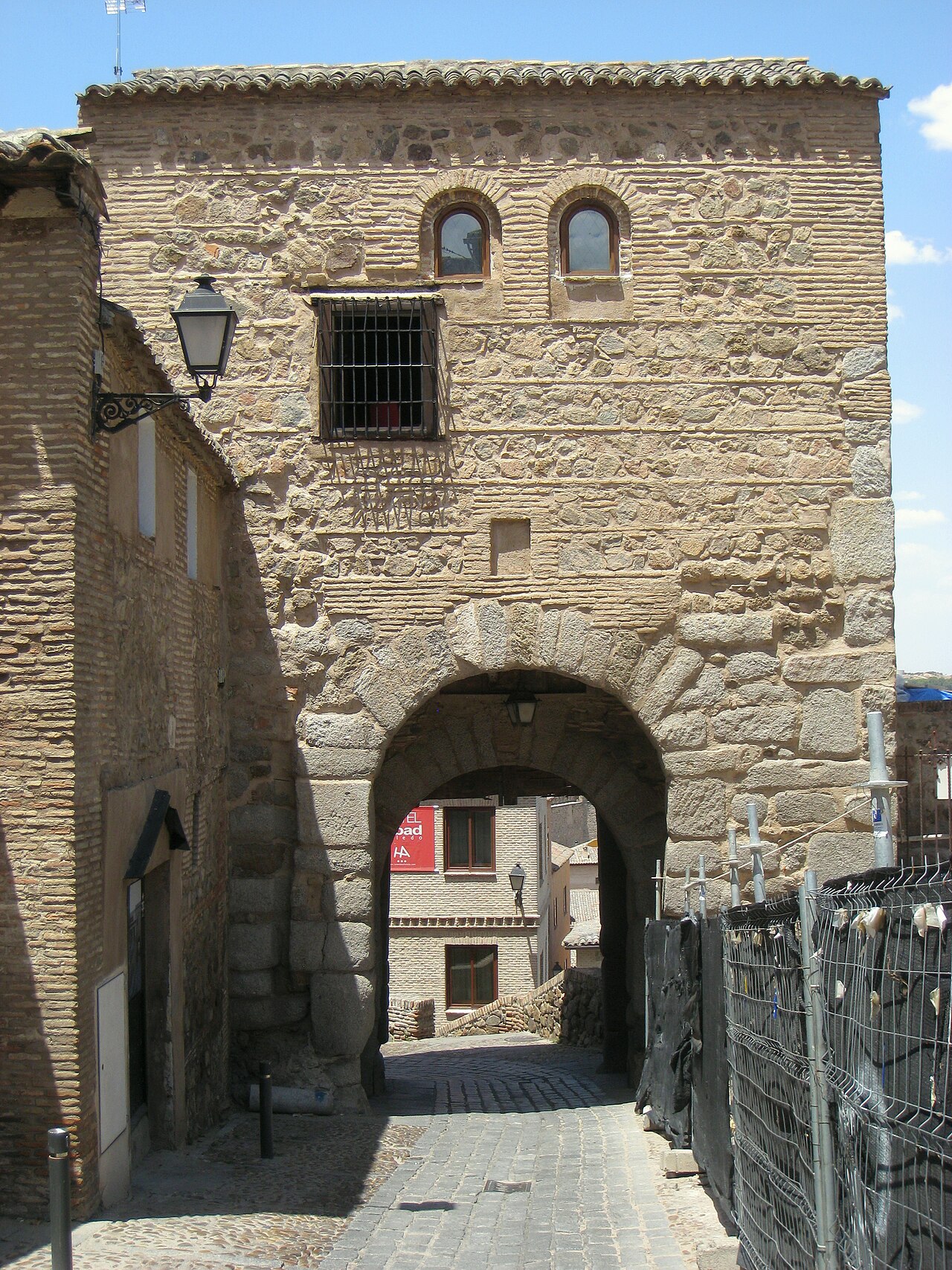
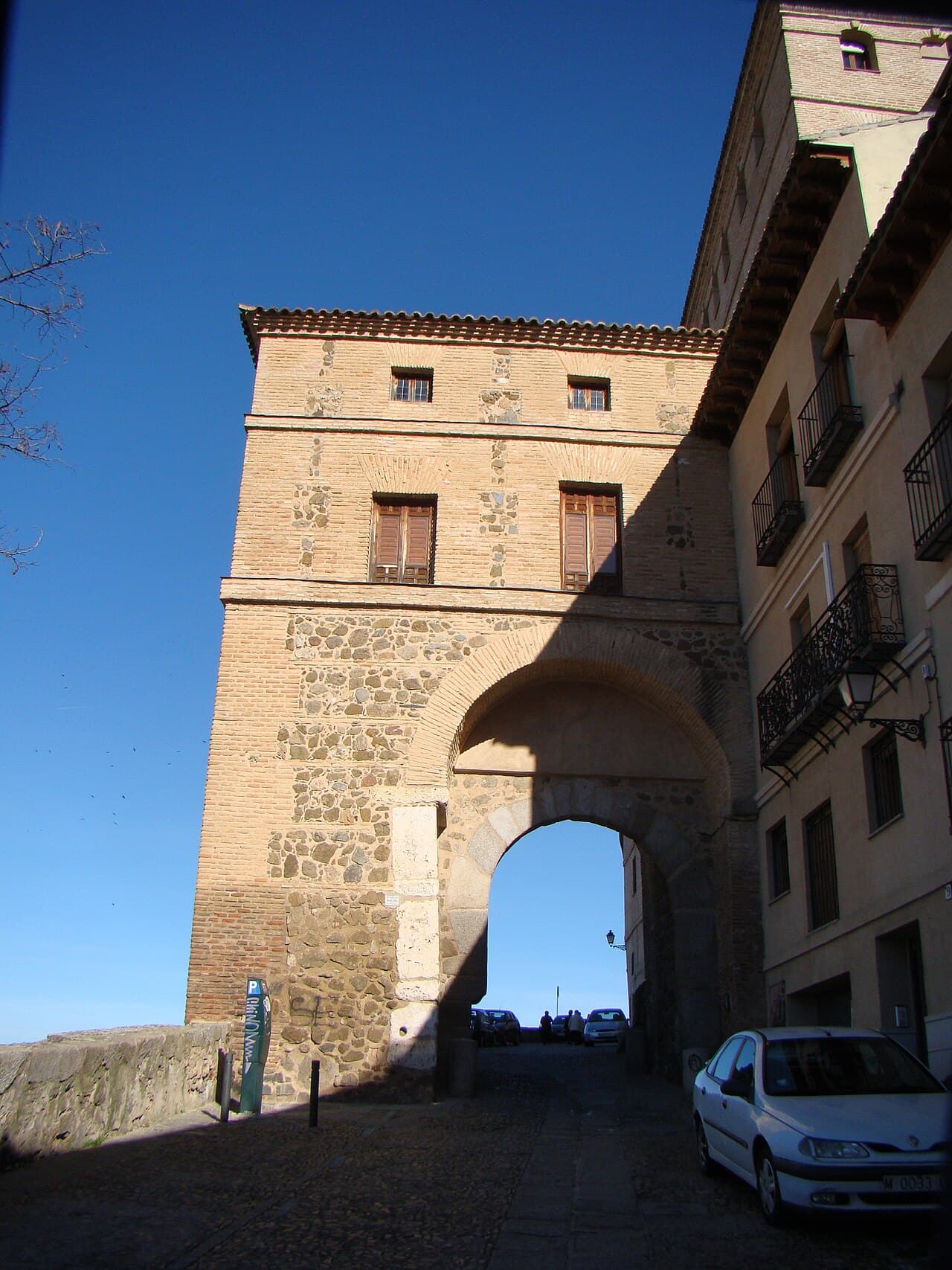
The Puerta de Alarcones, also known as the Alarcones Gate, is a significant historic city gate situated in Toledo, within the Castile-La Mancha region of Spain. This gate, alternatively called Puerta de Moaguía as referenced in Mozarabic documents from 1216, and Puerta Alta de la Herrería due to its proximity to the street historically lined with ironwork workshops, represents a key architectural and historical landmark in Toledo's defensive structures.
Dating back to the Visigothic period, the Puerta de Alarcones is among the oldest gates in the city, originally forming part of the Visigothic walled enclosure. Its strategic location served as the main controlled access point to the Zocodover square before the opening of the ascent along the calle de las Armas. This made the gate a focal point for ceremonial entrances, especially in conjunction with the Puerta del Sol, where both gates were decorated to honor visiting dignitaries and important personages passing through Toledo.
Architectural features and military function
The Puerta de Alarcones was originally designed as a bastioned fortress gate, featuring military defensive elements typical of fortified city gates. Although much of its original military crowning has been lost due to later construction and modifications, the gate's robust structure still reflects its defensive purpose. The gate's design would have included battlements and other fortifications to repel attackers and control access effectively.
Recent archaeological discoveries
Recent excavations have uncovered a staircase within the right-hand turret of the gate, revealing an earlier gate structure deeper inside the turret. This discovery suggests that the gate complex was more extensive than previously understood, possibly providing access to the city walls themselves. Such features highlight the gate's role not only as a passageway but also as a fortified military installation integrated into Toledo's defensive network.
Historical and cultural significance
The Puerta de Alarcones holds cultural importance as a witness to Toledo's long history of urban development and defense. Its use as a ceremonial entrance for distinguished visitors underscores its symbolic value within the city. The gate's various names reflect its evolving role and the cultural influences over centuries, from the Visigothic era through the Mozarabic period and into later medieval times.
Located near the ironworking district, the gate also connects to Toledo's economic history, linking the city's defensive architecture with its artisanal and commercial activities. This proximity to the Herrería street highlights the integration of urban defense with daily life and trade.
Location and preservation status
Situated in the heart of Toledo, the Puerta de Alarcones remains a prominent feature of the city's historic fabric. While some original elements have been lost or altered, the gate is well preserved enough to convey its historical and architectural significance. It stands as a testament to Toledo's medieval fortifications and continues to attract interest from historians, architects, and visitors alike.
Efforts to study and conserve the gate have enhanced understanding of Toledo's defensive systems and urban evolution. The gate's accessibility allows visitors to appreciate its architectural details and historical context within the broader setting of Toledo's fortified cityscape.
Frequently asked questions (FAQ)
- What is the historical significance of Puerta de Alarcones?
- Puerta de Alarcones is one of Toledo's oldest city gates, dating back to the Visigothic period. It served as a key defensive and ceremonial entrance, linking the city's military and economic history.
- Can I visit Puerta de Alarcones in Toledo?
- Yes, Puerta de Alarcones is located in Toledo's historic center and can be viewed by visitors. It is well preserved and accessible as part of the city's medieval fortifications.
- When was Puerta de Alarcones built?
- The gate dates back to the Early Medieval period, originally forming part of the Visigothic walled enclosure, with documentary evidence from 1216.
- What architectural features does Puerta de Alarcones have?
- The gate features bastioned fortress characteristics with defensive turrets and battlements. A recently discovered staircase in the right-hand turret reveals earlier gate structures and access to the city walls.
- Why is Puerta de Alarcones also called Puerta de Moaguía?
- The name Puerta de Moaguía appears in Mozarabic documents from 1216, reflecting the gate's historical significance during the Mozarabic period in Toledo.
Photo gallery

Information
Loading map...
Visitor reviews
No reviews yet. Been here? Write the first review and help other travelers!
Write the first reviewVisited this castle? Share your experience
Your review helps other travelers and adds first-hand knowledge to our encyclopedia.