Przemyśl Fortress
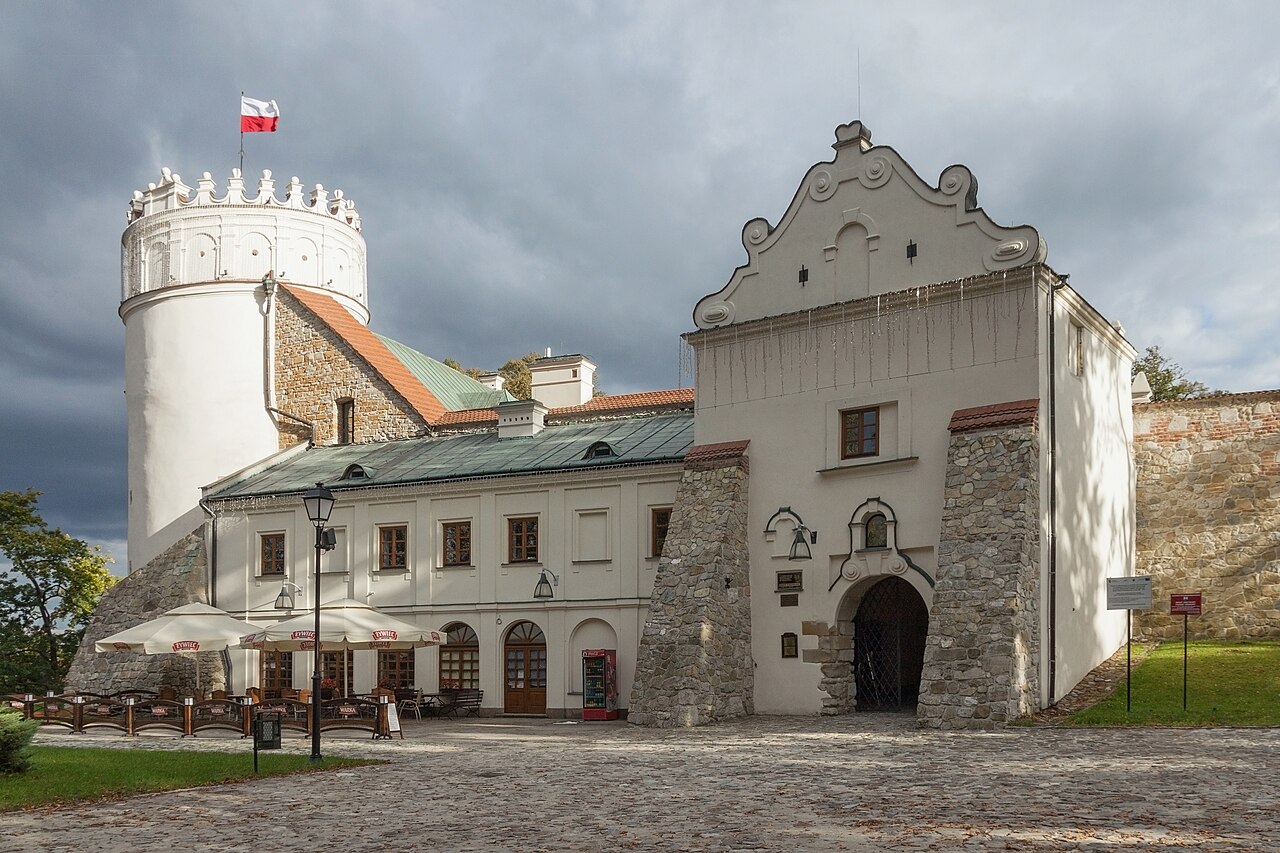
Przemyśl fortress (Polish: Twierdza Przemyśl) is a significant bastioned fortress complex located around the city of Przemyśl in southeastern Poland. Constructed by the Austro-Hungarian Empire during the 19th century, this extensive series of fortifications was developed over several decades, reflecting the shifting diplomatic and military tensions between Austria-Hungary and the Russian Empire. The fortress system is an exemplary representation of modern military architecture of the late 19th and early 20th centuries, incorporating the bastioned design that was prevalent in European fortifications of the era.
Historical context and strategic importance
The construction of the Przemyśl fortress began in the mid-19th century as part of the Austro-Hungarian Empire's efforts to secure its eastern borders against potential Russian incursions. Situated near the borderlands, the fortress was strategically placed to control key transportation routes and serve as a defensive bulwark. Its location in Przemyśl, a city with a long history of military and commercial significance, made it a critical point for defense in the region.
Throughout its development, the fortress was expanded and modernized in response to evolving military technologies and geopolitical pressures. By the early 20th century, it consisted of multiple fortified districts, including a network of bastions, artillery batteries, trenches, and underground tunnels. The fortress was designed to withstand prolonged sieges and artillery bombardments, reflecting the military doctrines of the time.
Architectural features and layout
The Przemyśl fortress complex is characterized by its extensive use of bastioned fortifications, a style that emphasizes projecting angular bastions allowing defensive fire along the walls. This design minimized blind spots and maximized the defenders' ability to repel attackers. The fortress included several key components:
- Main forts: Large, heavily fortified structures equipped with artillery emplacements and living quarters for garrison troops.
- Outworks and redoubts: Smaller defensive positions extending the fortress's protective perimeter.
- Moats and ditches: Defensive earthworks designed to slow enemy advances and expose attackers to defensive fire.
- Underground galleries: Networks of tunnels used for troop movement, communication, and shelter during bombardments.
The fortress's construction utilized modern materials for the period, including reinforced concrete and brick masonry, which enhanced its resilience against artillery fire. The layout was carefully planned to integrate natural terrain features, such as hills and rivers, to augment its defensive capabilities.
Role during world war i
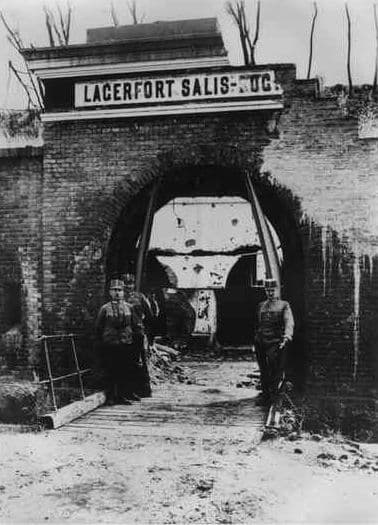
Przemyśl fortress played a pivotal role during World War I, becoming one of the largest and most heavily contested fortresses on the Eastern Front. The fortress endured two major sieges:
- The first siege, in late 1914, saw the fortress initially fall to the Russian Army after intense fighting and prolonged bombardment.
- In mid-1915, following the Central Powers' counteroffensive, the fortress was recaptured by the German Army, assisted by Austro-Hungarian forces.
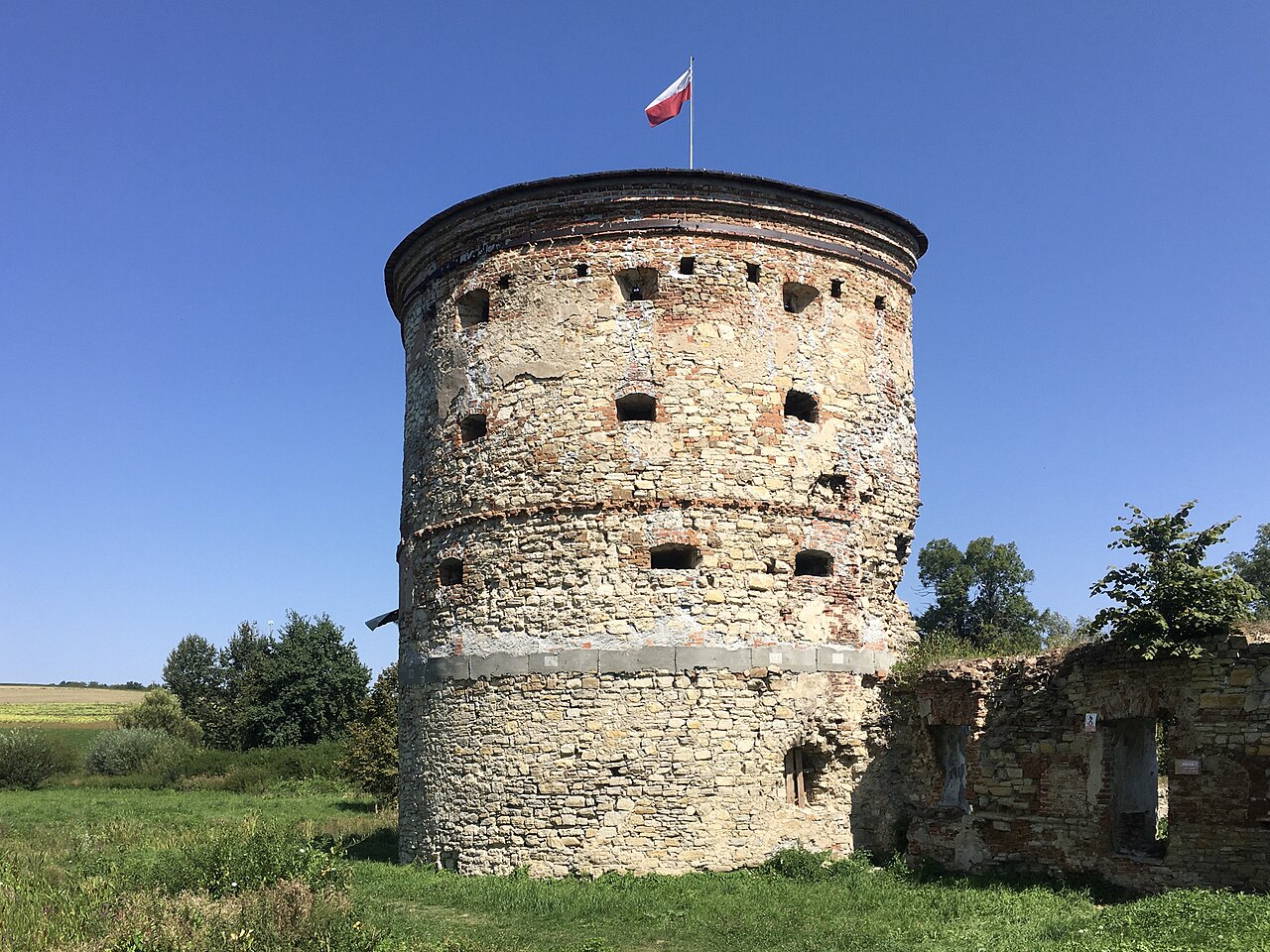
The sieges inflicted severe damage on the fortress's structures, with many forts and defensive works reduced to ruins. The intense combat highlighted the changing nature of warfare, where traditional fortifications faced new challenges from heavy artillery and modern tactics.
Post-war status and preservation
After World War I, the military significance of the Przemyśl fortress declined sharply. The extensive damage sustained during the sieges, combined with advances in military technology, rendered the fortress obsolete as a defensive stronghold. The fortifications were largely abandoned and fell into a state of ruin.
Today, the remains of the fortress are recognized as an important cultural and historical site. Efforts have been made to preserve parts of the complex, and it attracts visitors interested in military history and architecture. The ruins serve as a reminder of the strategic importance of Przemyśl and the broader geopolitical struggles of the early 20th century.
Visiting the fortress
Visitors to Przemyśl fortress can explore various sections of the ruins, including surviving bastions, underground tunnels, and artillery positions. The site offers insights into Austro-Hungarian military engineering and the harsh realities of World War I combat. Interpretive signage and guided tours are available to enhance the visitor experience.
The fortress is accessible year-round, though conditions vary with the seasons. It is recommended to wear sturdy footwear and be prepared for uneven terrain when exploring the outdoor fortifications.
Frequently asked questions (FAQ)
- What is the historical significance of Przemyśl Fortress?
- Przemyśl Fortress is an important historical military complex that played a crucial role during the Austro-Hungarian Empire and both World Wars. Its strategic location made it a key defensive stronghold, and today it serves as a testament to the region's military history and architectural ingenuity.
- When was Przemyśl Fortress built?
- Construction of Przemyśl Fortress began in the mid-19th century, with significant expansions occurring until the early 20th century. The fortress was designed to defend the Austro-Hungarian Empire's eastern borders and showcases various architectural styles from that period.
- What are the opening hours of Przemyśl Fortress?
- Przemyśl Fortress is open to visitors year-round, but the opening hours can vary by season. Typically, the fortress opens at 9 AM and closes at 5 PM, though it’s advisable to check their official website for specific seasonal changes.
- Can I access Przemyśl Fortress by public transport?
- Yes, Przemyśl Fortress is accessible via public transport, including buses and trains that connect to the city of Przemyśl. Once in the city, local transport options or taxis can take you directly to the fortress.
- When is the best time to visit Przemyśl Fortress?
- The best time to visit Przemyśl Fortress is during the spring and early autumn months when the weather is mild and pleasant. This is also when the surrounding landscapes are most beautiful, enhancing your visit to this historical site.
- What are the ticket prices for visiting Przemyśl Fortress?
- Ticket prices for Przemyśl Fortress are generally affordable, with discounts available for students and seniors. It's best to check the fortress's official website for the latest pricing information and any special offers.
- Is it possible to take guided tours of Przemyśl Fortress?
- Yes, guided tours are available at Przemyśl Fortress, providing visitors with in-depth knowledge of its history and architecture. These tours can enhance your experience, offering insights that you may not discover on your own.
- What nearby attractions can I visit while at Przemyśl Fortress?
- While visiting Przemyśl Fortress, you can also explore the charming city of Przemyśl, which features beautiful architecture, museums, and parks. Nearby attractions include the Przemyśl Cathedral and the picturesque San River, both offering additional cultural and natural experiences.
Photo gallery

Public domain
Information
Loading map...
Visitor reviews
No reviews yet. Been here? Write the first review and help other travelers!
Write the first reviewVisited this castle? Share your experience
Your review helps other travelers and adds first-hand knowledge to our encyclopedia.