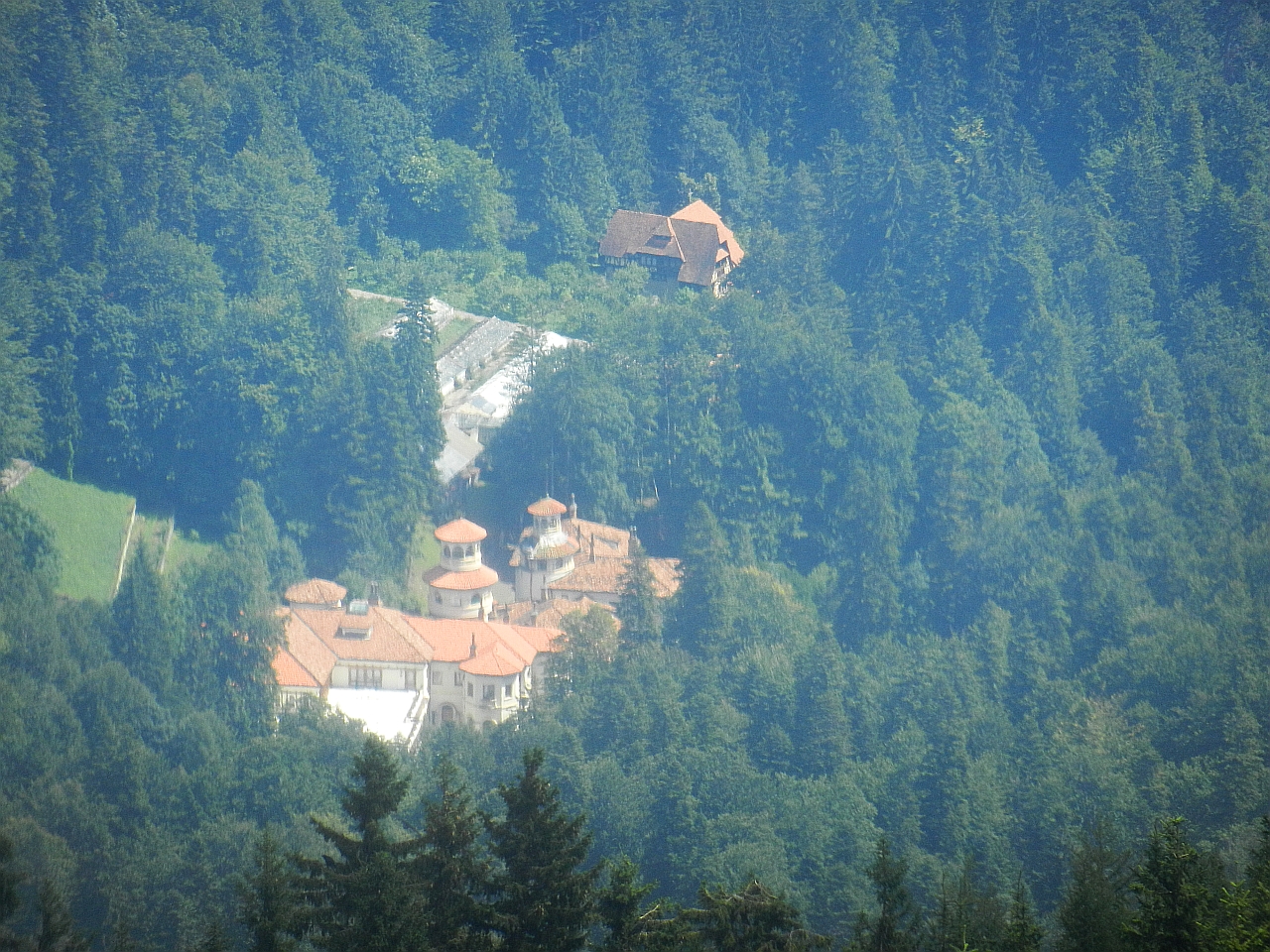
Pelișor Castle
Pelișor Castle stands as a distinguished example of early twentieth-century royal architecture nestled within the grounds of the more expansive Peleș Castle in Romania's picturesque Prahova Valley. Constructed between 1899 and 1902, this intimate palace was designed by the Czech architect Karel Liman under the commission of King Carol I to serve as the summer residence for the Romanian crown princes, Ferdinand and Maria.
Architectural style and design influences
Pelișor Castle is celebrated for its distinctive Art Nouveau style, a departure from the more traditional historicist styles of the period. The castle's interiors were masterfully decorated by the Viennese artist Bernhard Ludwig, who incorporated innovative artistic movements prevalent in the early 1900s. This influence is evident in the castle's elegant furnishings, intricate woodwork, and decorative motifs that blend nature-inspired forms with stylized geometric patterns.
Exterior and structural features
The castle's relatively modest scale, with just 99 rooms compared to Peleș Castle's 160, gives it a more intimate and residential character. The building features a harmonious balance of stone and wood elements, with steeply pitched roofs and ornate gables that reflect the Art Nouveau aesthetic. The castle is set within beautifully landscaped grounds that complement its refined architectural presence.
Interior layout and significant rooms
The interior of Pelișor Castle was designed to provide a comfortable yet regal living environment. Key spaces include the atrium, study rooms, a private chapel, and the renowned Golden Room. The hall of honor is paneled in rich oak, underscoring the castle's noble function. The Golden Bedroom features furniture made from gilded and intricately carved lime wood, all designed according to Queen Maria's personal plans and drawings.
Queen Maria's artistic imprint
Queen Maria played a pivotal role in shaping the castle's interior decoration, infusing it with her unique artistic vision and cultural heritage. The walls of the Golden Room are adorned with motifs of thistle leaves, a symbolic reference to her Scottish roots. Her office within the castle also reflects her detailed plans, showcasing her dedication to creating a personalized and culturally meaningful space.
Historical significance and royal residence
From 1903, Pelișor Castle became the summer residence of the Romanian crown princes, witnessing the upbringing of their children, including Carol (later King Carol II), Mărioara (Queen of Yugoslavia), Elisabeta (Queen of Greece), and Nicolae. The castle's role as a familial home for the royal family imbues it with profound historical and cultural importance.
Royal family life at Pelișor
The castle was not only a symbol of royal prestige but also a nurturing environment where the crown princes and their children spent their formative years. The residential spaces were designed to balance privacy with grandeur, reflecting the dual nature of the castle as both a home and a royal palace.
Preservation and current status
Today, Pelișor Castle is recognized as a well-preserved monument of Romanian royal heritage. It offers visitors a unique glimpse into the lifestyle and artistic tastes of the Romanian monarchy during the early twentieth century. The castle's preserved interiors and exquisite decorations continue to attract scholars, tourists, and enthusiasts of royal architecture and history.
Visiting Pelișor Castle
Visitors to the Prahova Valley often include Pelișor Castle in their itinerary alongside the larger Peleș Castle. The castle's manageable size and richly decorated rooms provide an intimate experience of royal life and early modern artistic trends. The landscaped grounds and surrounding natural beauty further enhance the visitor experience.
Frequently asked questions (FAQ)
- When was Pelișor Castle built and who was the architect?
- Pelișor Castle was built between 1899 and 1902 by the Czech architect Karel Liman. It was commissioned by King Carol I as a residence for the crown princes.
- What architectural style characterizes Pelișor Castle?
- The castle is notable for its Art Nouveau style, with interiors decorated by Viennese artist Bernhard Ludwig, showcasing early twentieth-century artistic movements.
- Who lived in Pelișor Castle historically?
- From 1903, it served as the summer residence for Romanian crown princes Ferdinand and Maria and their children, including future King Carol II.
- What are some notable interior features of Pelișor Castle?
- Key features include the Golden Room with gilded lime wood furniture, the oak-paneled hall of honor, a private chapel, and Queen Maria's personally designed office.
- Is Pelișor Castle open to visitors today?
- Yes, Pelișor Castle is well-preserved and accessible to tourists, often visited alongside Peleș Castle in the Prahova Valley region.
Information
Architect
Karel Liman
Current owner
Romanian state
Loading map...
Visitor reviews
No reviews yet. Been here? Write the first review and help other travelers!
Write the first reviewVisited this castle? Share your experience
Your review helps other travelers and adds first-hand knowledge to our encyclopedia.